Jia Lissa
The landscape of generative artificial intelligence has undergone a significant transformation with the release of OpenAI’s Images 2.6, a sophisticated update to the image generation and editing suite integrated within ChatGPT, Codex, and the OpenAI API. This latest iteration represents a move beyond static image generation, introducing native motion capabilities, refined editing protocols through markup integration, and a reported 50% increase in processing speeds. As organizations increasingly integrate AI into their creative workflows, the performance of Images 2.6 provides a critical benchmark for the industry’s shift toward multimodal, agentic design tools.
The release comes at a time when the competition among generative AI providers is intensifying. With Adobe’s Firefly expanding its "Generative Fill" capabilities and Midjourney refining its "Vary Region" tools, OpenAI’s update focuses on bridging the gap between raw creative output and professional-grade usability. By allowing users to guide edits with precise annotations and offering a streamlined path from text prompts to animated loops, Images 2.6 seeks to position itself as a comprehensive solution for both casual creators and enterprise developers.
The Evolution of OpenAI’s Visual Models: A Brief Chronology
To understand the significance of Images 2.6, it is necessary to view it within the context of OpenAI’s rapid development cycle. Since the public debut of DALL-E 2 in 2022, the organization has pivoted from standalone image models toward a more integrated approach where vision and language are processed within the same architectural framework.
In late 2023, the introduction of DALL-E 3 marked a milestone in instruction following, as the model began utilizing ChatGPT to refine user prompts into highly detailed descriptions. Following the launch of GPT-4o in May 2024, which introduced native multimodality, OpenAI has moved toward incremental updates—labeled under the "Images" series—that focus on speed, utility, and developer control. Images 2.6 follows the April 2024 release of GPT Image 2, building upon that foundation by adding motion and bringing sophisticated markup tools to the API level for the first time.
Technical Specifications and Performance Metrics
The most notable claim accompanying the release of Images 2.6 is a 50% reduction in generation time. While speed is often a secondary concern for high-fidelity artistic tasks, it is a primary requirement for API-driven applications where real-time user interaction is essential. This performance boost is attributed to optimized inference pipelines and more efficient latent diffusion processes.
Beyond speed, the update introduces "adjustable planning complexity" for developers using the API. This feature allows for a trade-off between rapid generation and deep reasoning. For complex tasks involving multiple objects or specific spatial relationships, the model can be instructed to spend more computational resources on "planning" the layout before beginning the pixel-generation phase.
Rigorous Evaluation: Assessing Creative and Technical Precision
To determine whether Images 2.6 meets the demands of professional environments, analysts have subjected the model to a series of high-stakes tests. These evaluations focused on five critical areas: atmospheric rendering, document-to-image accuracy, surgical editing, scientific visualization, and motion synthesis.
Atmospheric Fidelity in Cinematic Photography
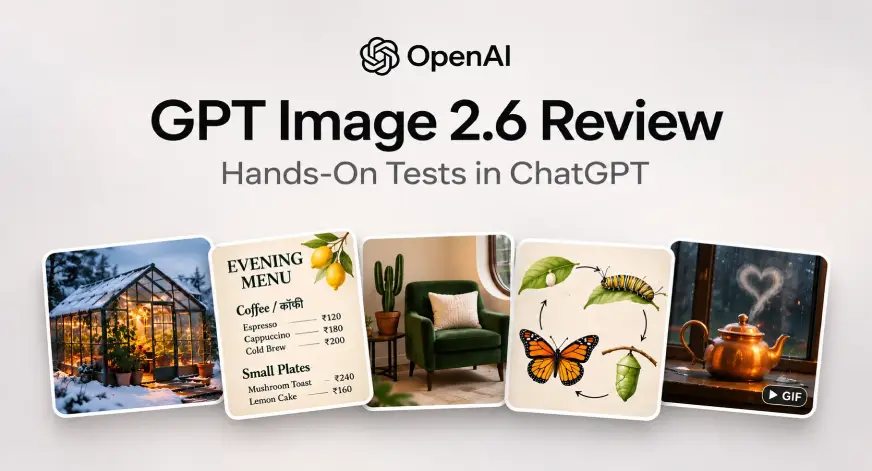
In tests requiring the rendering of complex materials—such as glass, condensation, and snow—Images 2.6 demonstrated a high degree of physical coherence. A prompt requesting a "cinematic editorial photograph of a glass greenhouse on a snowy mountain ridge" resulted in an image that successfully balanced warm interior amber lighting with the cool "blue hour" tones of a mountain exterior. The model showed significant improvement in rendering reflections and the translucency of glass, areas where previous generative models often produced "muddy" or nonsensical artifacts.

Document-to-Image Workflow and Multilingual Support
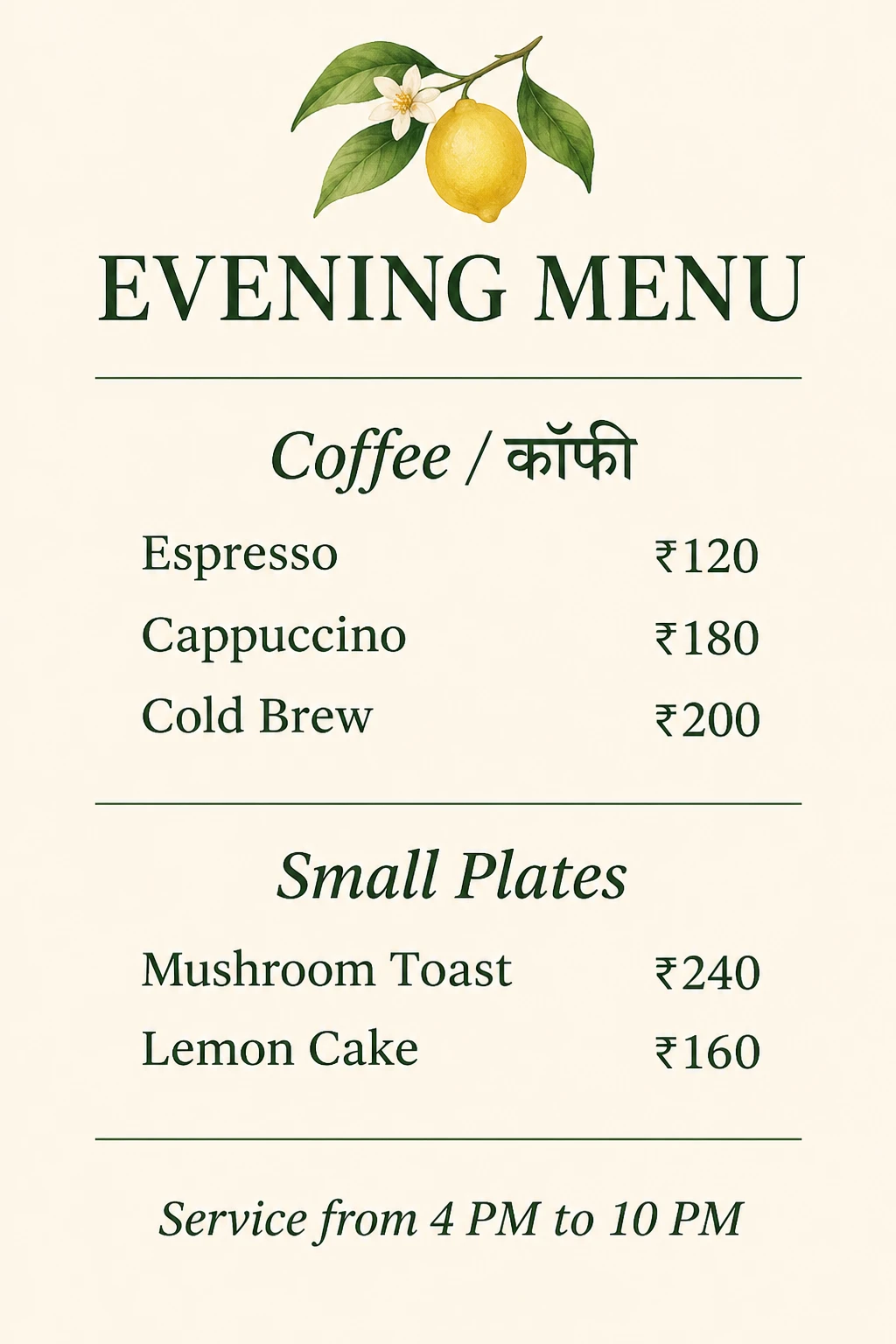
One of the most challenging tasks for generative AI is the accurate reproduction of text, particularly when translating data from a document into a visual design. When provided with a PDF brief for a cafe menu, Images 2.6 was tasked with reproducing specific pricing, punctuation, and Hindi glyphs.
The results were a mixture of professional-grade design and minor technical oversights. While the model successfully rendered the Hindi word for "Coffee" (कॉफी) and maintained a consistent forest-green typography, it struggled with small details such as dash separators between items and prices. This suggests that while the model’s OCR (Optical Character Recognition) and font-rendering capabilities have improved, it still requires human oversight for high-precision typographic work.
Surgical Editing via Markup Tools
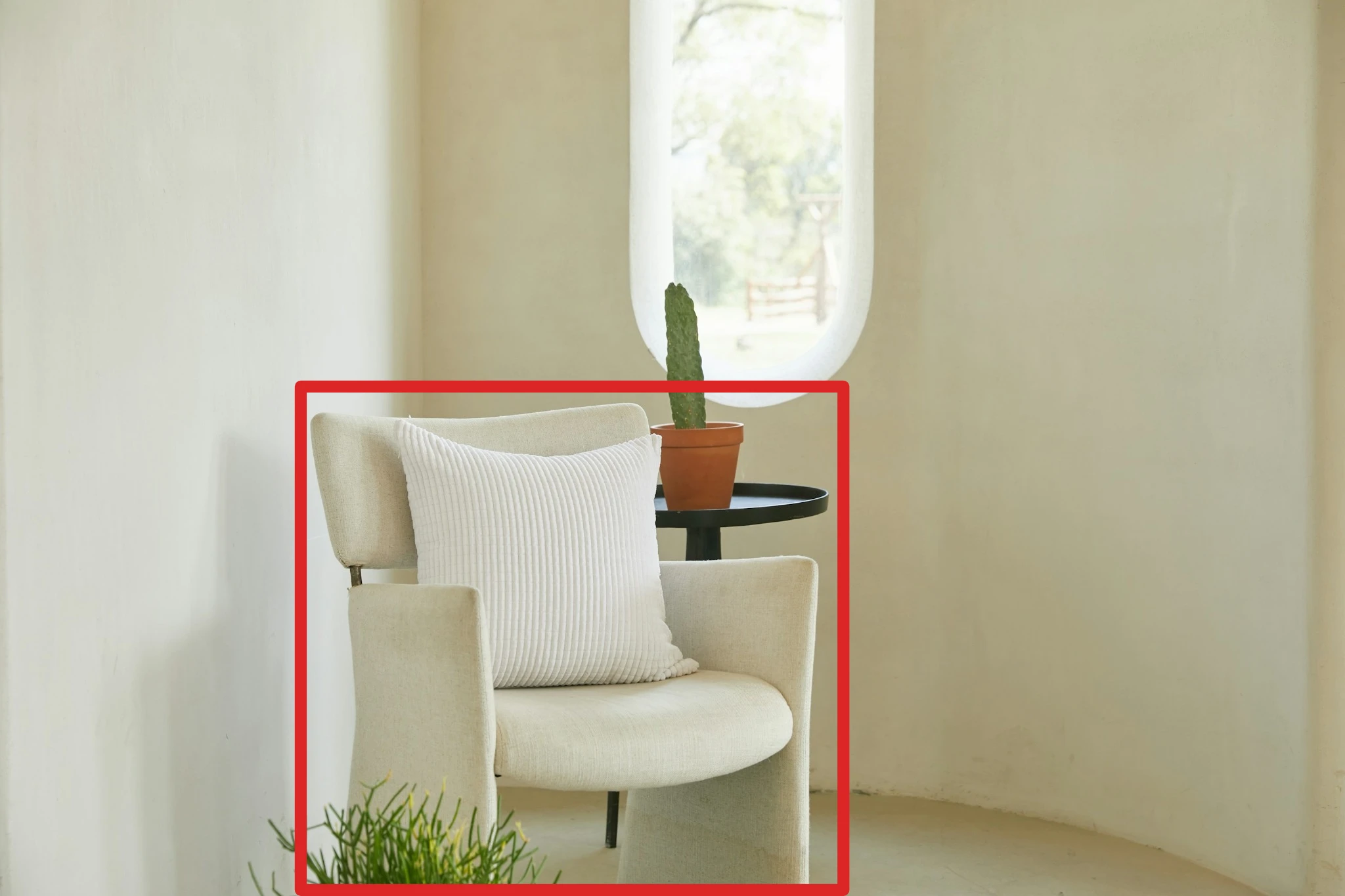
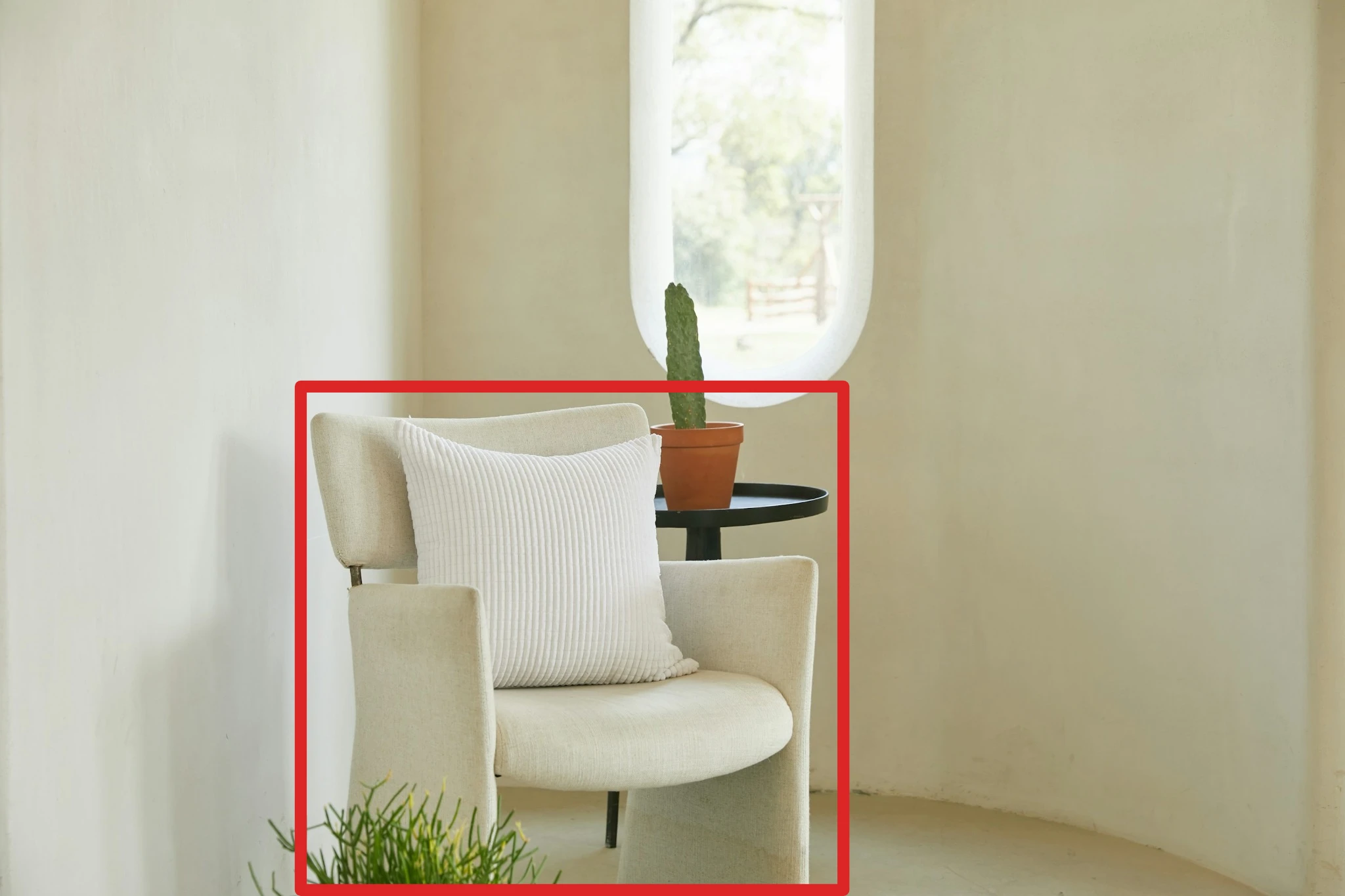
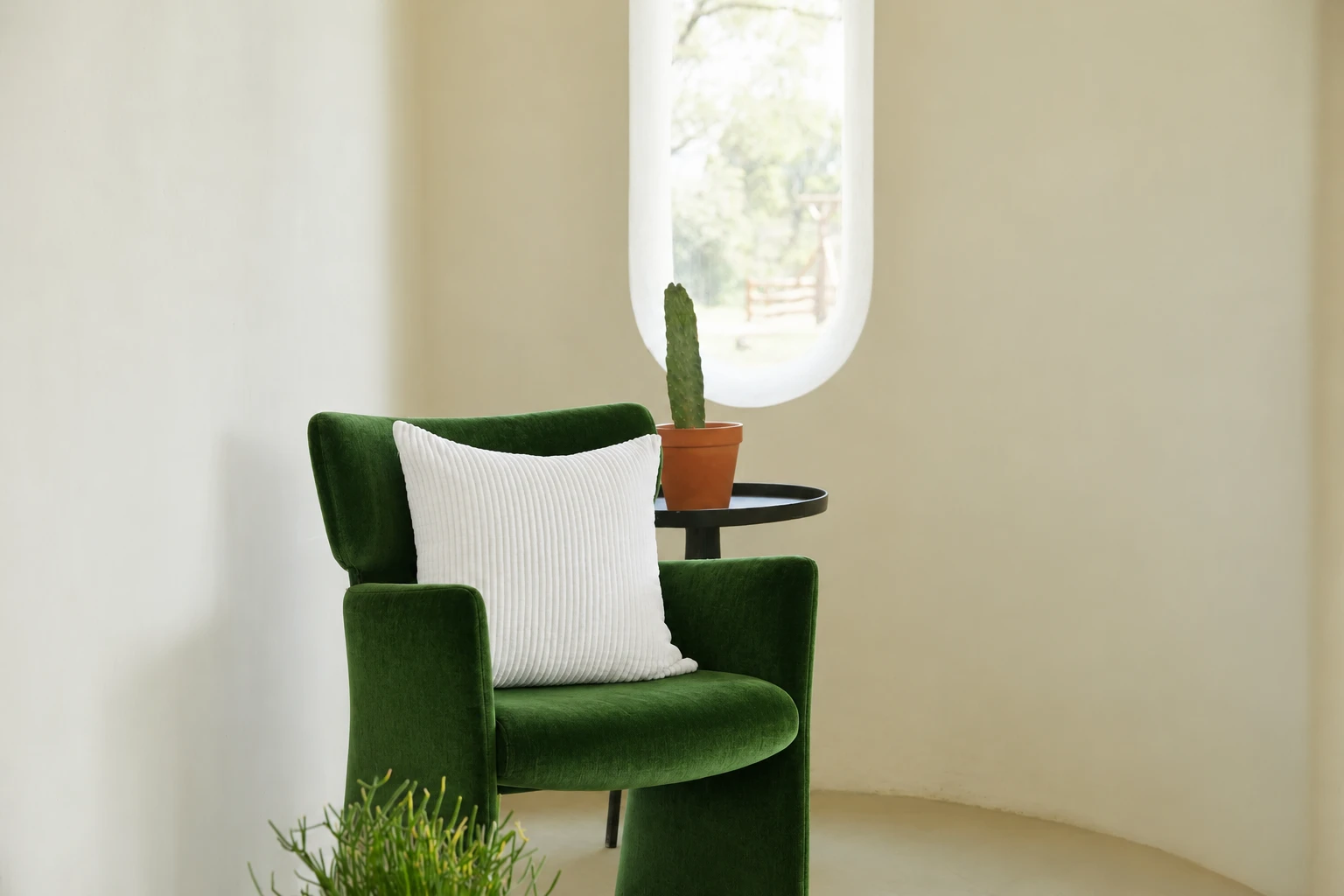
Perhaps the most functional update in version 2.6 is the integration of markup-guided editing. By allowing users to draw directly on an image to specify an area for modification, OpenAI has simplified the "inpainting" process. In a test involving the upholstery of an armchair, the model was able to change a cream fabric to forest-green velvet while preserving the chair’s silhouette, the shadows on the floor, and the details of a white cushion resting on the seat. This level of "surgical" precision is vital for interior designers and product marketers who need to visualize variations of a single scene without regenerating the entire image.
Scientific and Diagrammatic Accuracy
The model’s ability to handle spatial reasoning was tested through the creation of a natural-history field-guide plate depicting the life cycle of a monarch butterfly. This required the model to arrange four distinct stages—egg, caterpillar, chrysalis, and adult—in a clockwise sequence connected by arrows. Images 2.6 followed these complex structural instructions with high accuracy, suggesting that the model’s underlying "world model" has a better grasp of logical sequences and biological structures than its predecessors.
Native Motion Synthesis: The GIF Format
The introduction of animated GIF creation marks OpenAI’s first foray into public-facing motion tools since the announcement of the Sora video model. The test involving a "looping animated GIF of a copper teapot" produced a seamless 12-frame loop. The animation of steam rising in a heart shape while the background remained static indicates a sophisticated understanding of "cinemagraph" techniques. Unlike previous "hacks" where users had to use Python code to generate movement, this is a native feature of the image generation pipeline.
Market Implications and Industry Reactions
The release of Images 2.6 has significant implications for the creative economy. For marketing agencies, the ability to generate "good enough" motion assets and perform rapid photo edits reduces the time-to-market for digital campaigns. For developers, the expansion of markup tools to the API opens the door for a new generation of design applications that could challenge established players like Canva or the Adobe Creative Cloud.
Industry analysts note that OpenAI is strategically positioning its image tools as part of a broader "AI Agent" ecosystem. By making image generation faster and more controllable, OpenAI is preparing for a future where AI can not only suggest designs but also execute them across multiple formats—text, image, and motion—simultaneously.
However, the "hallucination" of text details, such as the missing dashes in the menu test, remains a point of contention for enterprise adoption. "We are seeing a move from ‘wow factor’ to ‘work factor,’" says one digital strategist. "The speed and the editing tools are impressive, but for professional publishing, the margin for error on text remains a hurdle that requires a human-in-the-loop."
Safety, Ethics, and Provenance
As with all its visual models, OpenAI has integrated safety protocols into Images 2.6. The model includes filters designed to prevent the generation of public figures, copyrighted material, and harmful content. Furthermore, OpenAI continues to utilize C2PA (Coalition for Content Provenance and Authenticity) metadata and invisible watermarking to identify images as AI-generated. These measures are increasingly important as the realism of AI-generated content makes it harder for the general public to distinguish between authentic photography and synthetic media.
Conclusion: A Step Toward Integrated Creative Intelligence
OpenAI’s Images 2.6 is less of a revolutionary leap and more of a tactical refinement of the generative process. By focusing on the "last mile" of design—editing, speed, and motion—OpenAI is addressing the practical needs of its user base. The greenhouse, the butterfly diagram, and the looping teapot GIF all serve as evidence that the model is becoming more reliable at following complex, multi-layered instructions.
While the model is not yet a replacement for a professional graphic designer, it has evolved into a powerful "co-pilot" capable of handling the heavy lifting of asset creation and modification. As OpenAI continues to integrate the learnings from its Sora video research into these smaller, more accessible models, the line between static imagery and dynamic content will likely continue to blur. For now, Images 2.6 stands as one of the most versatile tools in the generative AI landscape, offering a glimpse into a future where the transition from a rough sketch to a polished, moving design is nearly instantaneous.


 Siti Muinah