

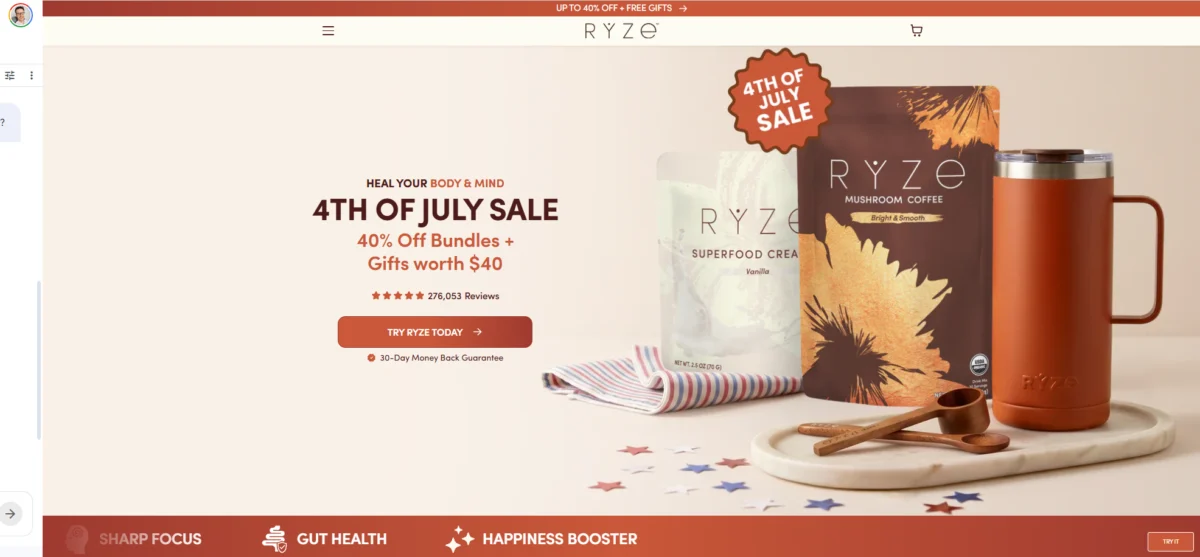
The Strategic Framework of the E-commerce Funnel
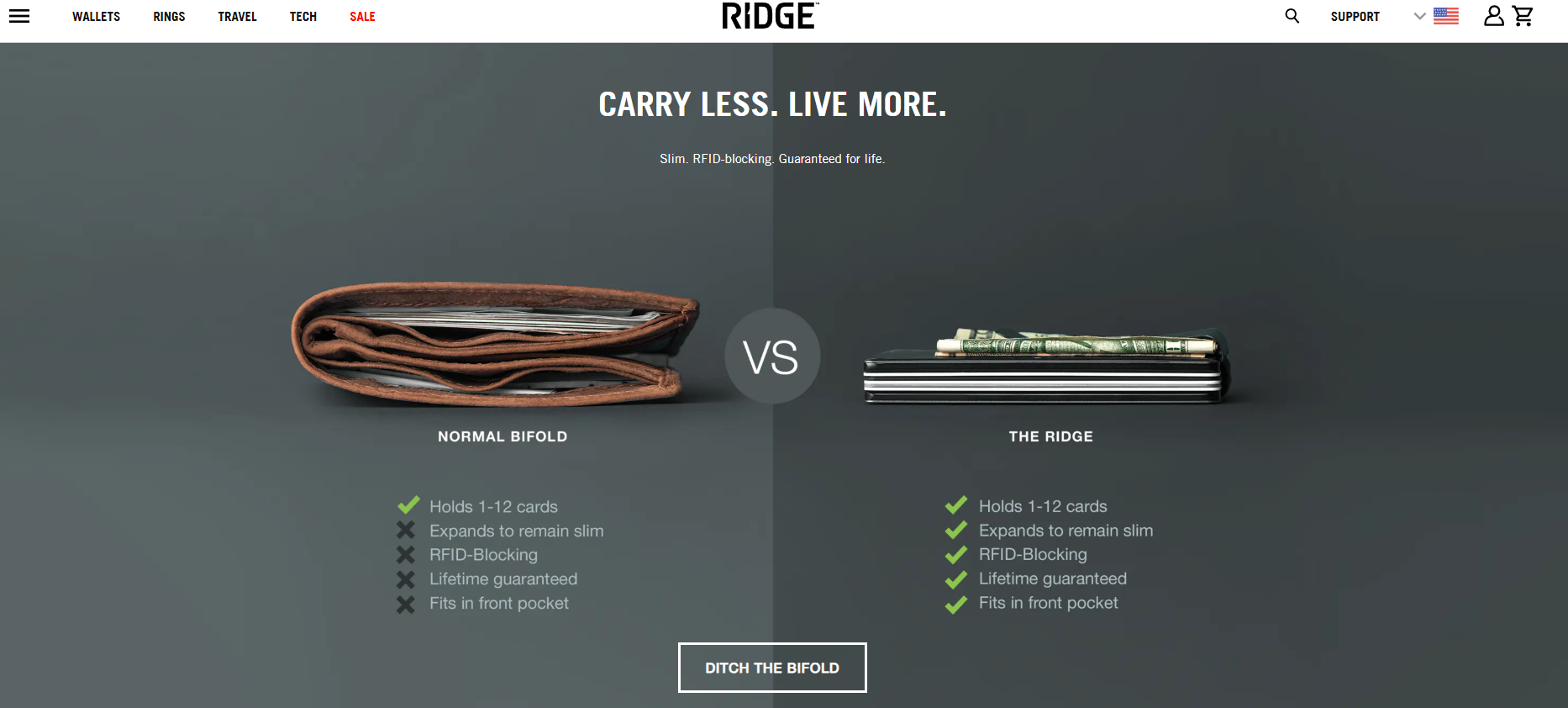
To understand the architecture of a high-converting landing page, one must first categorize it according to its position within the consumer’s journey. Modern digital marketing divides these pages into four distinct functional categories. Top-of-funnel (TOFU) pages are designed for awareness, introducing cold traffic to a brand’s unique value proposition. Mid-funnel (MOFU) pages focus on education and consideration, often utilizing comparison charts or detailed testimonials to bridge the gap between interest and intent. Bottom-of-funnel (BOFU) pages are the "closers," optimized for direct sales, cross-sells, and upsells through high-friction-reduction techniques. Finally, post-purchase pages serve to nurture long-term loyalty, encouraging repeat purchases and brand advocacy.
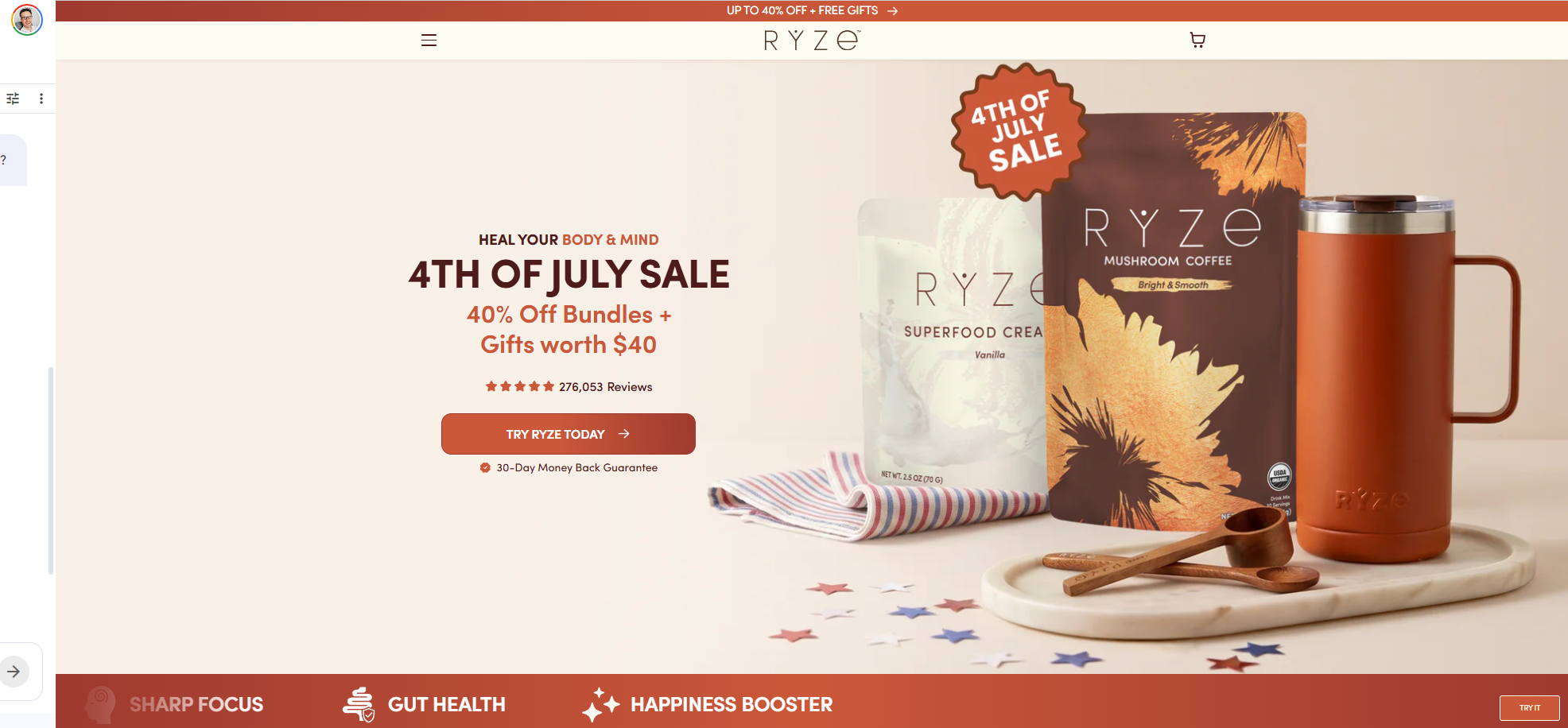
The distinction between these pages and traditional site architecture is critical. While a homepage tells a broad brand story and a PDP provides technical specifications, a landing page is a "convergent" experience. It removes the "paradox of choice" by presenting one offer and one clear call to action (CTA), thereby minimizing cognitive load and maximizing the likelihood of a conversion.

Analyzing High-Performance Case Studies
Success in e-commerce design is rarely accidental. By deconstructing the strategies of market leaders, we can identify the specific psychological and technical levers that drive consumer behavior.
Risk Mitigation and Social Proof: The Myoovi Model
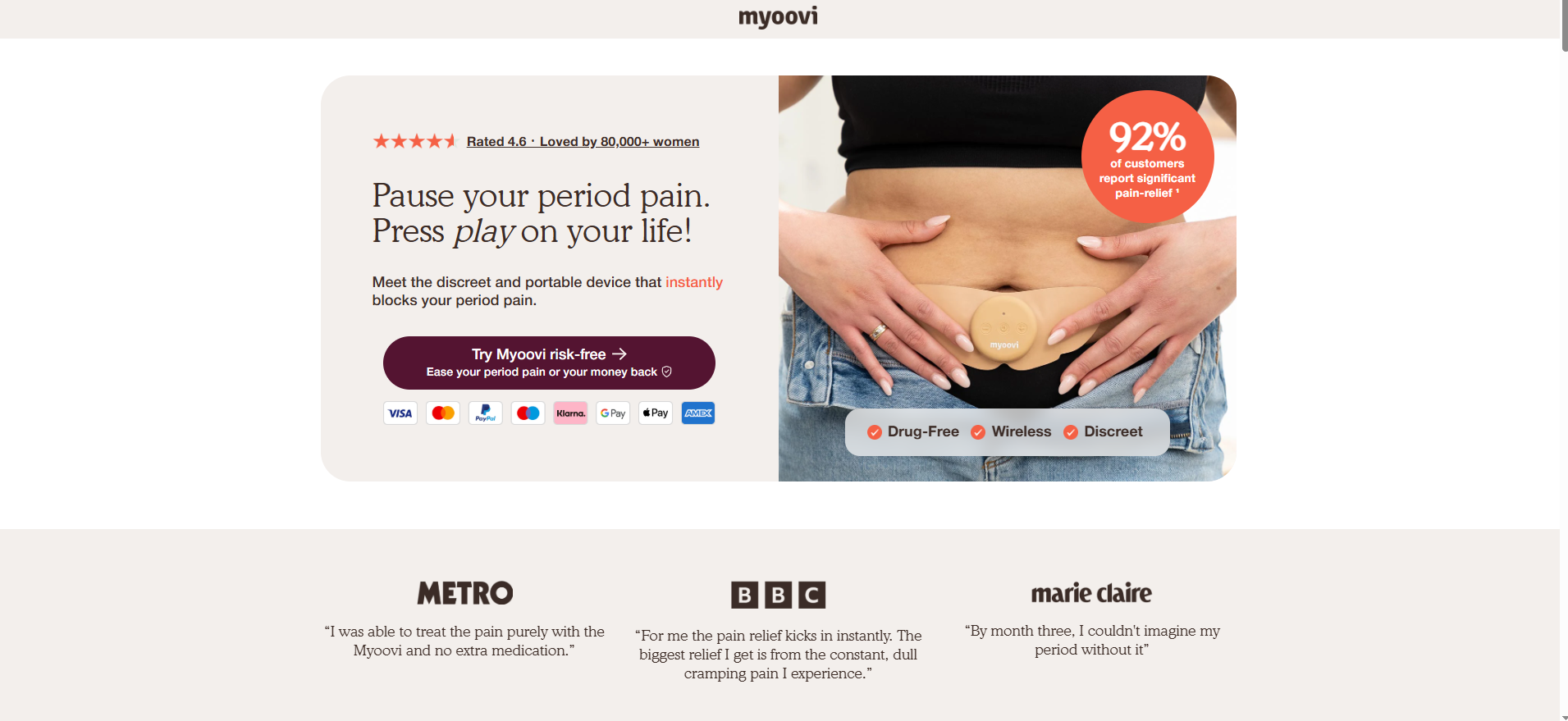
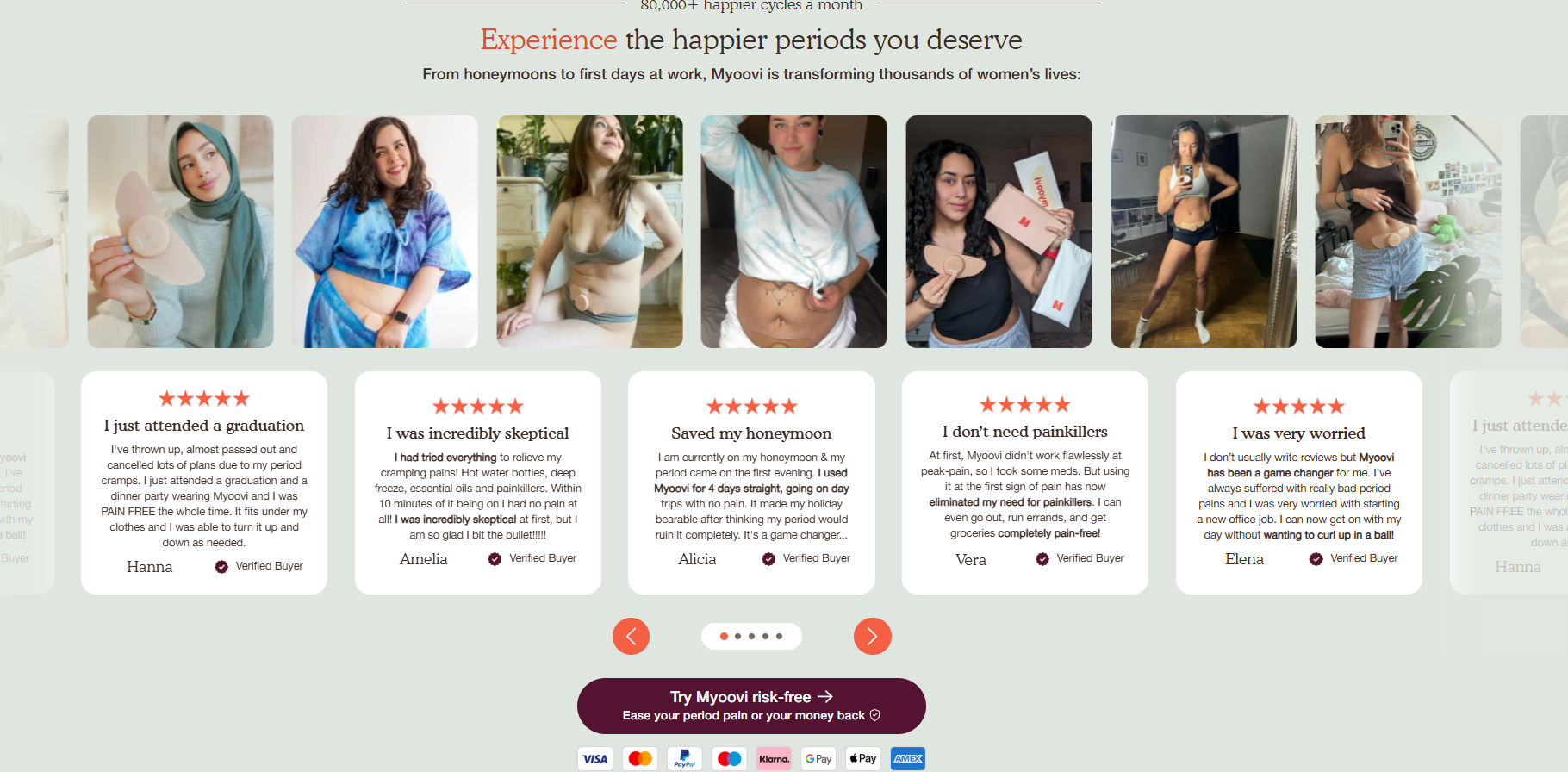
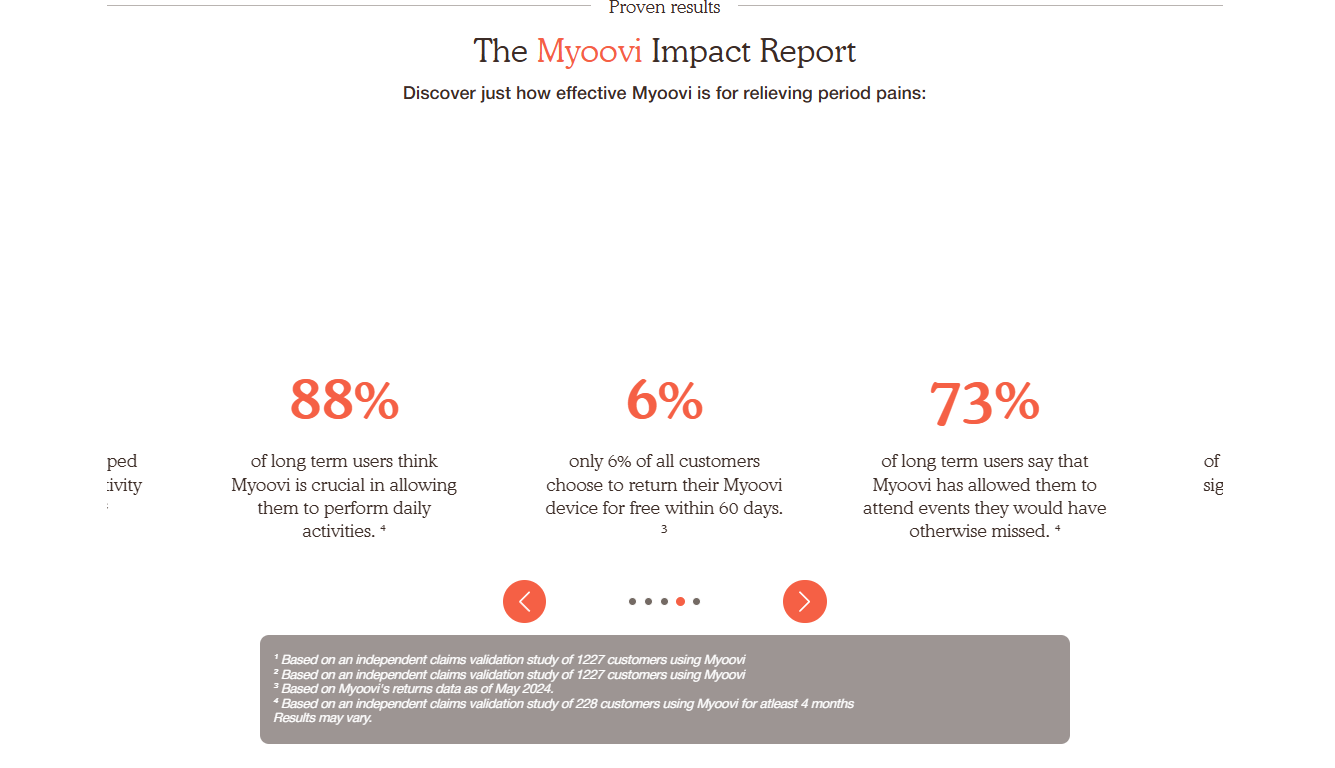
The period-pain TENS device brand, Myoovi, demonstrates the power of risk reversal. For products in the health and wellness sector, consumer skepticism is a primary barrier. Myoovi addresses this by layering a 60-day money-back guarantee and a "no-questions-asked" return policy throughout the page. Their CTA—"Try Myoovi risk-free, ease your period pain or your money back"—directly links the product’s benefit to a financial safety net. This is supported by an "impact report" that provides quantitative data on relief effectiveness, transforming subjective testimonials into objective proof.

Data-Driven Education: Magic Spoon and the Information Gap
Cereal disruptor Magic Spoon utilizes a "listicle" structure to educate its audience. By framing their landing page as "5 Reasons We’re Obsessed With Protein Pastries," they tap into the consumer’s desire for informative content. Their use of a brand-to-brand comparison table is particularly effective; by naming competitors like Froot Loops and Cocoa Puffs, they position their product as a superior nutritional alternative. This transparency builds trust by providing the exact data points—protein, sugar, and net carbs—that their health-conscious target demographic prioritizes.

Interactive Credibility: The Eight Sleep Ecosystem
Eight Sleep, a leader in sleep technology, employs interactivity to maintain engagement. Their landing page features a clickable "hotspot explorer," allowing users to investigate specific components of their smart mattress system. This granular approach is paired with a "wall of proof" that includes endorsements from high-profile figures such as Elon Musk and Lewis Hamilton. In the high-ticket e-commerce space, this combination of technical transparency and "the halo effect" from celebrity users is essential for justifying a premium price point.
Gamification and Lead Capture: Maëlys and the Quiz Funnel
Body-care brand Maëlys utilizes a five-step product-finder quiz as its primary landing experience. This strategy leverages the "Endowed Progress Effect," where users are more likely to complete a task if they see a progress bar moving forward. By the time the user reaches the end of the quiz, they have invested enough time that providing an email address to "see results" feels like a fair exchange. This not only drives immediate sales through personalized recommendations but also populates the brand’s first-party database for future remarketing.

The Evolution of Landing Page Design: A Chronology
The methodology behind landing page design has shifted significantly over the last two decades. In the early 2000s, landing pages were largely static, text-heavy environments focused on SEO keyword stuffing. By 2010, the rise of "flat design" and the influence of SaaS marketing led to the "hero-image-and-button" template that remains prevalent today.
However, the 2020s have ushered in the era of "Dynamic Optimization." Following Apple’s App Tracking Transparency (ATT) rollout, which limited the data available to advertisers, the landing page became the most important tool for gathering "zero-party data"—information that customers intentionally and proactively share. Today, the most advanced pages are no longer static; they use AI to adjust headlines, images, and offers in real-time based on the user’s geographic location, device type, or past browsing behavior.
Supporting Data and Industry Benchmarks
The necessity for optimized landing pages is backed by rigorous industry data. According to recent studies from WordStream, the average conversion rate for e-commerce websites sits at approximately 1.84%. However, the top 10% of performers—those utilizing dedicated, campaign-specific landing pages—report conversion rates of 11.45% or higher.
Furthermore, technical performance is a non-negotiable factor. Research by Google indicates that as page load time goes from one second to three seconds, the probability of a bounce increases by 32%. For e-commerce brands, a one-second delay in mobile load times can impact conversion rates by up to 20%. This data underscores the "mobile-first" imperative; with over 60% of e-commerce traffic now originating from smartphones, landing pages must be optimized for vertical scrolling, thumb-friendly tap targets, and rapid loading.
Best Practices for High-Converting Design
Drawing from successful implementations, industry experts recommend a standardized set of best practices for e-commerce landing page development:
- Ad-to-Page Continuity: The visual language and copy of the landing page must be an exact reflection of the advertisement that preceded it. Discrepancies in messaging create "conversion friction," causing users to bounce.
- The "Above the Fold" Rule: The unique value proposition (UVP), a high-quality product visual, and the primary CTA must be visible without the user needing to scroll.
- Removal of Global Navigation: Standard website menus (About Us, Contact, Blog) should be removed from landing pages. These act as "exit ramps" that distract the user from the primary conversion goal.
- Strategic Social Proof: Reviews should be placed near the CTA. Utilizing "authority proof," such as endorsements from doctors, vets, or industry experts, carries significantly more weight than anonymous customer ratings.
- Outcome-Oriented CTAs: Instead of generic buttons like "Buy Now," successful pages use action-oriented language like "Claim My Discount" or "Start My Transformation."
Broader Impact and Market Implications
The shift toward dedicated landing pages represents a fundamental change in the relationship between brands and consumers. In an age of information overload, consumers reward brands that respect their time by providing a streamlined, relevant experience. For the business, the landing page is the ultimate laboratory for A/B testing. By isolating variables—such as headline copy or color schemes—brands can gain deep insights into consumer psychology that inform their broader business strategy.
As we look toward the future, the integration of Augmented Reality (AR) and generative AI into landing pages is expected to become standard. Features that allow users to "virtually try on" a product or interact with an AI concierge directly on the landing page will further bridge the gap between the digital and physical shopping experience.

In conclusion, the e-commerce landing page is no longer a luxury for digital-native brands; it is a critical infrastructure component for any business seeking to remain competitive. By focusing on alignment, psychological triggers, and technical performance, brands can transform their digital storefronts into high-efficiency engines for growth and customer retention. Organizations that fail to optimize these entry points risk obsolescence in an increasingly fragmented and expensive digital marketplace.







