


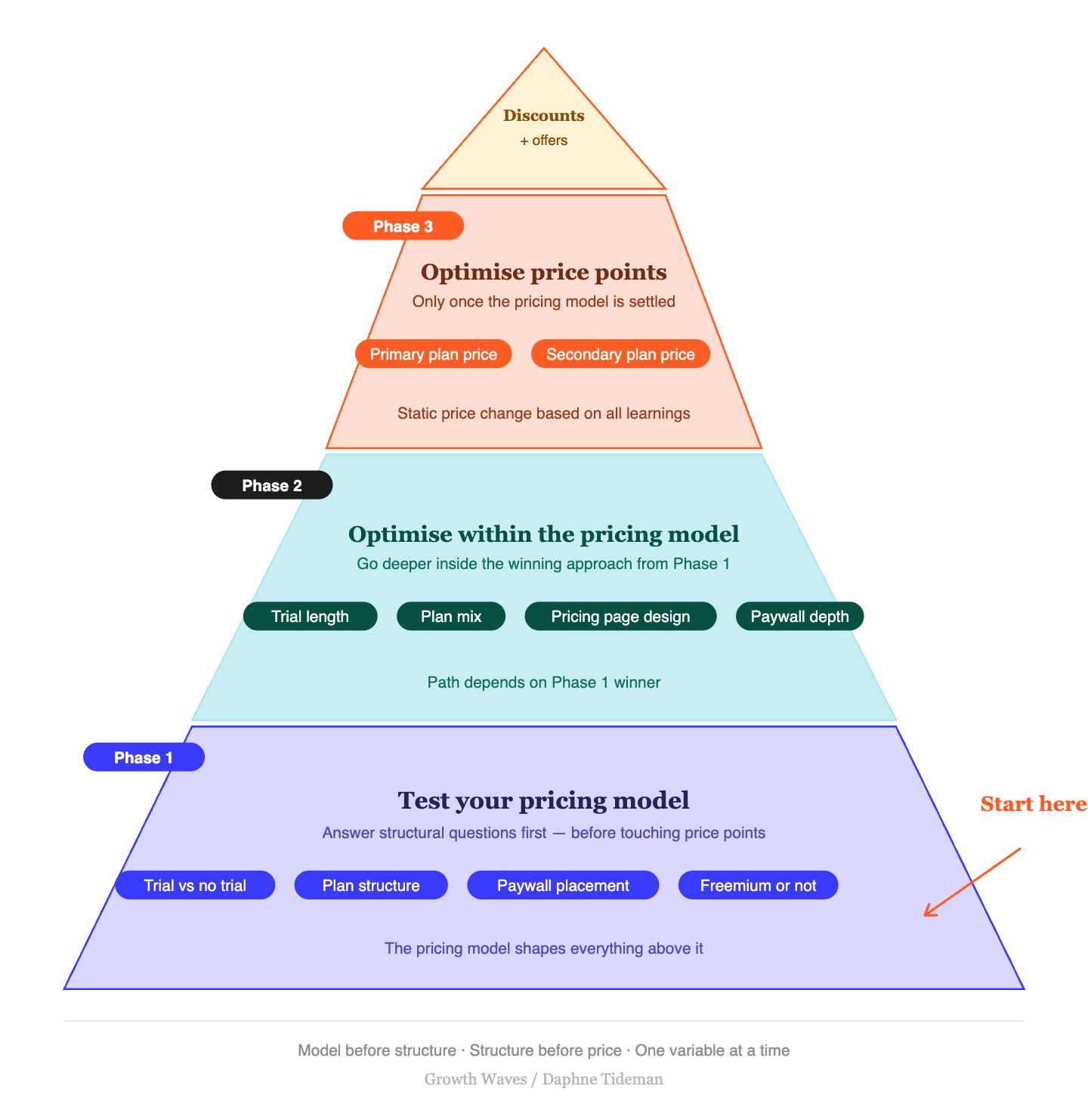
The landscape of global Software as a Service (SaaS) and subscription-based economies is undergoing a fundamental shift in how revenue growth is engineered, moving away from arbitrary price adjustments toward a structured, foundational approach known as the Four-Layer Pricing Pyramid. Industry analysis suggests that a significant majority of digital enterprises currently execute pricing experiments in an inverted order, often focusing on superficial cosmetic changes—such as discount levels or button colors—while ignoring the structural integrity of their underlying business models. This strategic misalignment frequently results in "flat" test results, leading executives to erroneously conclude that pricing is not a primary lever for growth, when in fact the experimental methodology itself is flawed.
The Four-Layer Pricing Pyramid provides a diagnostic sequence designed to align a product’s cost with the perceived value delivered to the end-user. By working from the bottom up—starting with the value metric and ending with visual optimization—companies can ensure that their pricing strategy is both resilient and scalable. This model is becoming increasingly critical as the SaaS sector faces higher customer acquisition costs (CAC) and a heightened focus on Net Revenue Retention (NRR).

Layer 1: Establishing the Value Metric as the Strategic Foundation
The base of the pricing pyramid is the value metric, defined as the specific unit of consumption or utility that determines the price a customer pays. Common examples include the number of seats in a collaboration tool, the volume of data stored in a cloud repository, or the number of messages sent through a marketing automation platform. Market data indicates that the choice of value metric is the single most influential factor in long-term customer retention.
When a value metric is correctly aligned, the customer’s costs scale in direct proportion to the benefit they derive from the software. However, many contemporary apps have adopted usage-based pricing models that inadvertently penalize their most engaged users. While these models may show initial revenue growth as heavy users hit caps and trigger upgrades, qualitative research often reveals deep-seated consumer frustration. This "nickel-and-diming" effect encourages users to seek workarounds or limit their engagement with the product to avoid additional charges, ultimately driving high churn rates.
Strategic analysis suggests that the primary objective at this foundational layer is to ensure that the payment feels "fair." For instance, if an AI-driven platform charges per compute hour, but the user feels that the compute time does not equate to successful outcomes, the foundation is broken. Effective testing at this stage involves evaluating whether a flat-rate, per-seat, or hybrid usage model produces the highest lifetime value (LTV) rather than just immediate conversion.

Layer 2: Packaging and the Mitigation of Cognitive Load
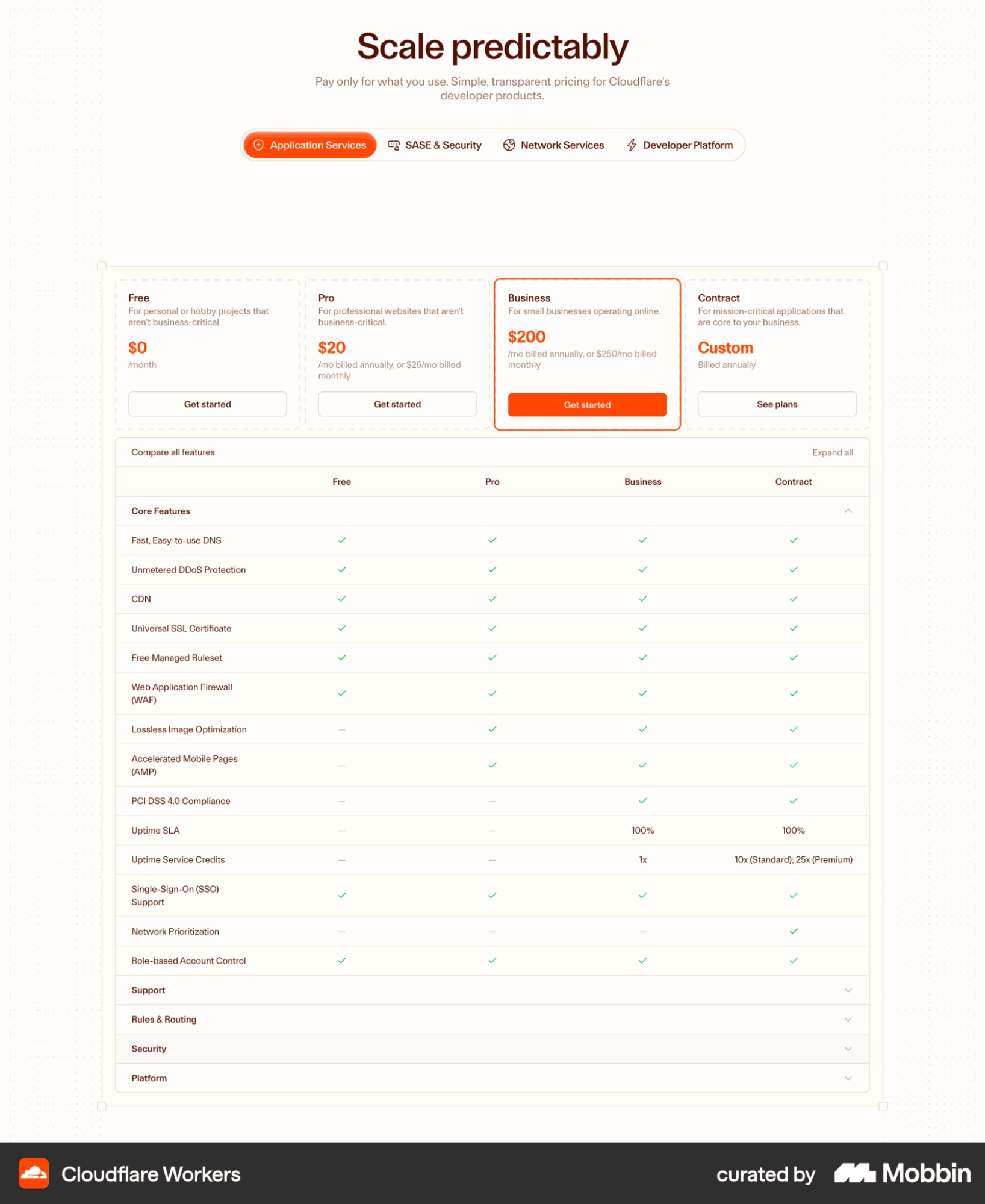
Once a value metric is established, the next layer involves packaging—the specific grouping of features and limits into distinct tiers. In the current digital marketplace, "complexity creep" has become a significant barrier to conversion. When users are presented with an excessive number of choices, they often experience "choice paralysis," leading to higher drop-off rates at the point of purchase.
A notable example of this challenge can be seen in complex infrastructure services, such as developer platforms, where pricing pages may feature multiple toggles, dozens of line-item features, and various billing cycles. Such density increases the cognitive load on the potential buyer, forcing them to predict their future usage patterns—a task that most users find difficult and stressful.
To optimize the packaging layer, companies are encouraged to test the "Good-Better-Best" framework, which simplifies the decision-making process. Key experimental areas include the "fencing" of features (deciding which features are exclusive to premium tiers) and the implementation of add-ons versus bundled services. The goal is to guide the user to the plan that best fits their current needs while providing a clear, frictionless path for future upgrades.
Layer 3: Price Point and Willingness-to-Pay Research
Only after the value metric and packaging are stabilized should an organization focus on the actual numerical price point. Market research indicates that most SaaS companies rely on competitive benchmarking or "gut feeling" rather than empirical data when setting prices. To rectify this, sophisticated firms are increasingly employing willingness-to-pay (WTP) research methodologies.
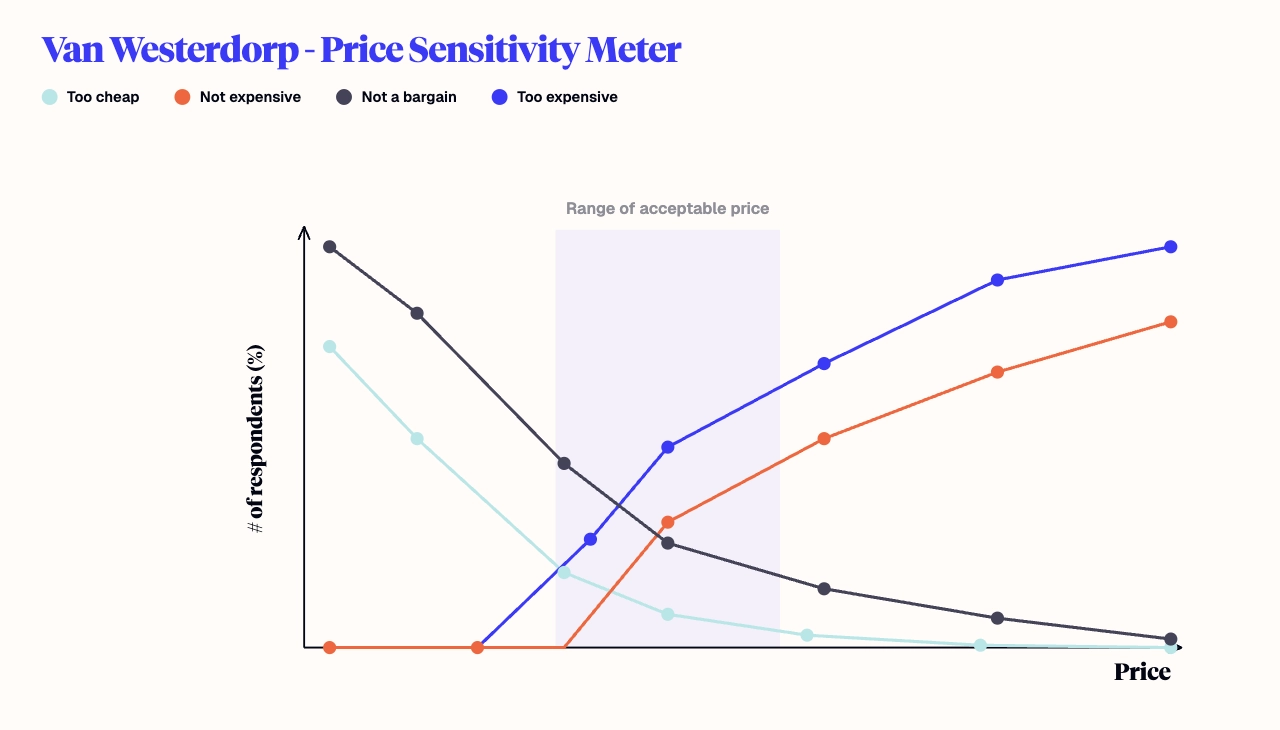
One of the most effective tools in this category is the Van Westendorp Price Sensitivity Meter. This method utilizes four key questions to identify a range of acceptable prices:
- At what price would the product be so expensive that you would not consider buying it?
- At what price would the product be so low that you would feel the quality couldn’t be very good?
- At what price would you consider the product starting to get expensive, so that it is not out of the question, but you would have to give some thought to buying it?
- At what price would you consider the product to be a bargain—a great buy for the money?
By plotting the responses, companies can identify the "Optimum Price Point" and the "Indifference Price Point." Complementing this with MaxDiff analysis—where respondents rank features or price points by preference—allows teams to understand the trade-offs users are willing to make. This data-driven approach prevents the common pitfall of "p-hacking" or running "noisy" tests where price changes are bundled with feature updates, making it impossible to isolate the cause of a performance shift.
Layer 4: Optimization and Tactical Refinement
The apex of the pyramid is the optimization layer. This is the level where most growth teams prefer to operate because it involves high-visibility tactics such as paywall design, price anchoring, urgency triggers (e.g., countdown timers), and discount framing. While these tactics can provide a legitimate uplift in conversion rates, they are categorized as refinements rather than foundational shifts.
Tactical optimization includes testing the visual hierarchy of the pricing page, the use of "Most Popular" badges to drive social proof, and the framing of annual versus monthly savings. For example, presenting a discount as "two months free" rather than "17% off" can significantly alter consumer perception and trial sign-ups. However, industry experts warn that these "top-of-the-pyramid" tactics cannot compensate for a misaligned value metric or an overly complex packaging structure.
Supporting Data and Industry Context
The importance of this structured approach is underscored by recent economic data from the SaaS sector. According to studies by Price Intelligently (now Paddle), companies that monetize based on a value metric grow at a rate nearly 2x faster than those using traditional seat-based pricing. Furthermore, a 1% improvement in price optimization has been shown to result in an average boost of 11.1% in operating profit, a much higher impact than similar improvements in volume or cost reduction.
The chronology of pricing evolution typically follows a predictable pattern in successful startups. Initially, pricing is a "best guess" intended to gain early traction. As the company reaches the growth stage, churn often increases as the initial pricing model fails to account for diverse user cohorts. It is at this juncture—often referred to as the "pricing maturity gap"—that the implementation of the Four-Layer Pricing Pyramid becomes vital for survival.
Broader Implications for the Digital Economy
The shift toward a bottom-up pricing strategy reflects a broader move toward "Value-Based Pricing" in the global economy. As artificial intelligence and automation reduce the marginal cost of software delivery, the traditional "cost-plus" or "competitor-based" pricing models are becoming obsolete. Buyers are increasingly demanding transparency and a clear correlation between spend and ROI.
Furthermore, the psychological impact of pricing cannot be overstated. A pricing model that feels punitive—such as those found in Layer 1 failures—damages brand equity and trust. In contrast, a transparent, value-aligned model fosters a partnership between the vendor and the client.

In conclusion, the Four-Layer Pricing Pyramid serves as a critical diagnostic and strategic tool for any subscription-based business. By ensuring that the value metric is fair, the packaging is simple, the price point is research-backed, and the presentation is optimized, companies can build a sustainable revenue engine. The industry consensus is clear: those who treat pricing as a one-time setup or a series of superficial tests will struggle to compete in an increasingly sophisticated and value-conscious market. The most successful organizations will be those that recognize pricing as an ongoing, foundational discipline that requires constant empirical validation from the bottom up.






