

The global tourism industry is currently witnessing a stark divide in digital maturity, characterized by a massive experimentation gap between multinational conglomerates and small-to-medium enterprises (SMEs). While industry giants such as Booking.com, Expedia, and Airbnb have integrated rigorous data science into their daily operations—with Booking.com alone maintaining upwards of 1,000 simultaneous experiments—the vast majority of the sector remains reliant on anecdotal evidence and traditional trade partnerships. This discrepancy comes at a critical juncture as consumer behavior undergoes a fundamental transformation heading into the latter half of the decade.
The Causal Crisis in Tourism Research
For decades, the tourism and hospitality sectors have predicated their business strategies on surveys and correlational data. However, a landmark 2020 review titled A Review of Experiments in Tourism and Hospitality highlighted a systemic flaw in this approach: the "intention-behavior gap." This phenomenon describes the frequent disconnect between what travelers claim they value in surveys and how they actually spend their money in real-world scenarios.
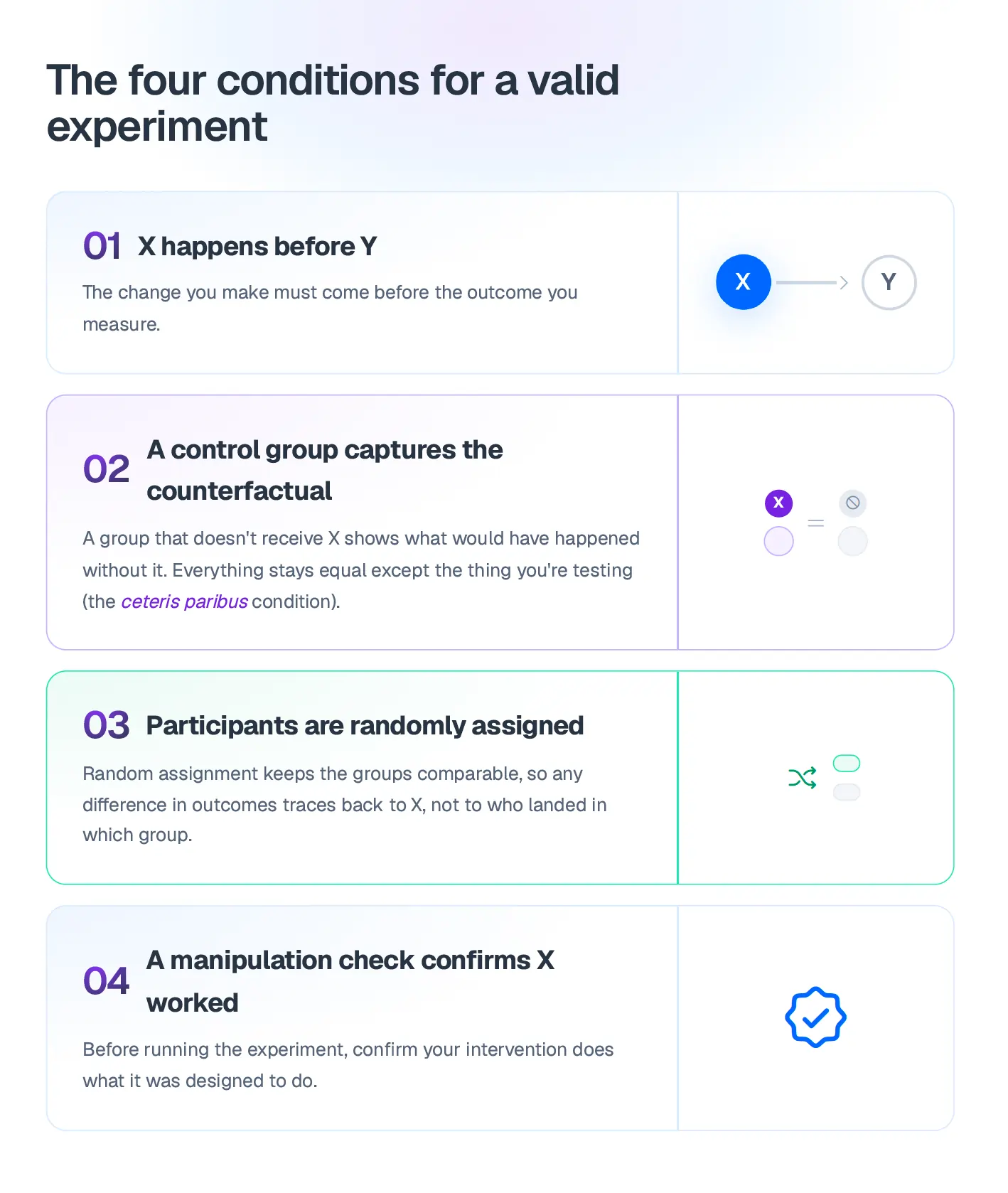
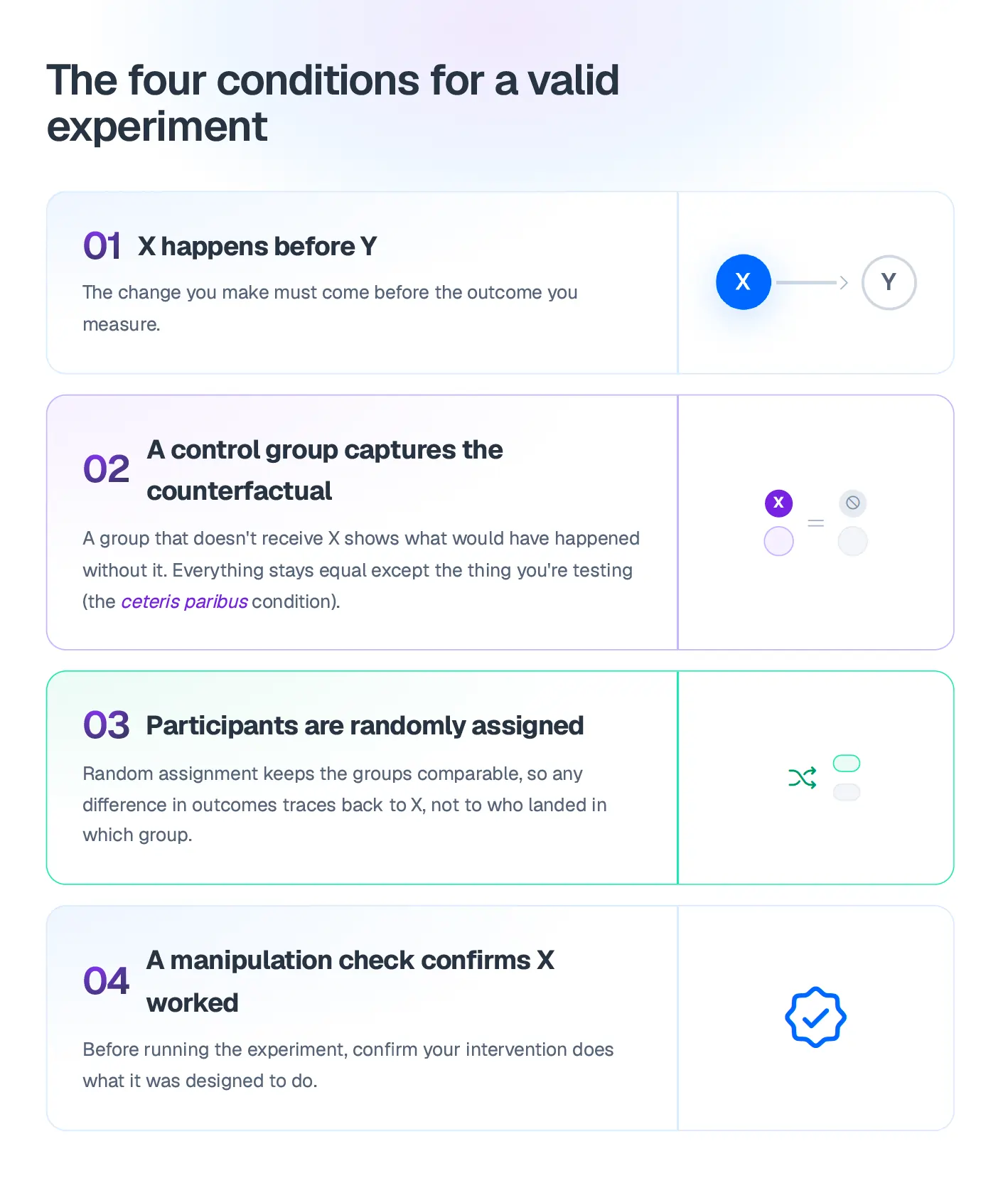
To address this, academic and industry experts are calling for a shift toward natural field experiments that can establish definitive cause-and-effect relationships. For an experiment to be considered valid within this framework, four conditions must be met: the intervention must precede the outcome, there must be a measurable correlation between the two, all potential confounding variables (such as weather or local events) must be accounted for, and a logical theory must support the connection.
Historically, research in this space has been categorized into four distinct methodologies:
- Laboratory Experiments: High-control environments that often sacrifice realism for precision.
- Quasi-Experiments: Tests conducted in real settings but lacking the random assignment of participants.
- Randomized Controlled Trials (RCTs): The "gold standard" of testing, involving random assignment to ensure results are not skewed by external factors.
- Natural Field Experiments: Observations of stakeholders in their natural environments, offering the highest level of external validity.
Evolution of the 2026 Traveler: Data-Driven Insights
The urgency for sophisticated experimentation is underscored by the shifting economic and social priorities of 2026 travelers. According to an EY-Parthenon consumer sentiment survey, nearly two-thirds of American consumers anticipate economic volatility, leading to a more cautious approach to discretionary spending. Despite these pressures, travel remains a high priority, albeit with significant modifications in execution.
Data from the 2026 KPMG "Summer of Experiences" report indicates that while 60% of U.S. consumers planned summer travel, the average duration of trips has shortened as travelers seek cost-effective lodging solutions. Conversely, the American Express 2026 Global Travel Trends Report reveals a more bullish outlook among younger demographics. Approximately 74% of Millennials and Gen Z respondents characterized travel as a "non-negotiable" expense, with 64% stating they would prioritize travel flexibility over traditional job benefits.
This demographic shift has birthed several key trends:
- Experience Over Materialism: 79% of younger travelers prefer hands-on cultural activities, such as artisanal workshops, over luxury goods.
- Alternative Accommodations: 91% of respondents expressed openness to unconventional stays, including converted historical sites and luxury rail travel.
- The "Multi-Stop" Pattern: Klook’s 2026 Travel Pulse study found that two-thirds of travelers now visit multiple destinations per trip, using major hubs like Tokyo or Paris as gateways to lesser-known rural areas.
- The Rise of "Dry Tripping": Wellness has moved to the forefront, with 37% of Americans—and nearly half of Millennials—reducing alcohol consumption. This has forced operators to pivot from traditional wine tours to sober-focused recovery and fitness experiences.
Barriers to Digital Transformation Among Small Operators
Despite the clear benefits of data-driven optimization, the "experimentation culture" remains elusive for many. Industry analysts, including Jono Matla of Impact Conversion, note that many local tourism operators have historically relied on trade partners, such as travel agents and inbound tour operators, who often claim up to 70% of inventory at significant discounts. This guaranteed revenue stream has traditionally disincentivized the pursuit of direct bookings through website optimization.
Olivia Bedford, a hospitality specialist focusing on the African market, suggests that the digital lag is also generational. Many tour operations are owned by individuals who prioritize the curation of the physical experience over the technical nuances of Conversion Rate Optimization (CRO). Consequently, while a billion-dollar entity like Disneyland Paris may employ entire departments dedicated to qualitative research and A/B testing, smaller operators often view their websites as static brochures rather than dynamic growth engines.
The Strategic Synergy of qualitative and Quantitative Research
The tourism industry’s heavy lean toward Voice of Customer (VoC) research—qualitative data gathered through interviews and reviews—is a byproduct of the "intangible" nature of the product. Unlike retail, where a product can be touched and returned, tourism sells an emotional memory.
However, experts argue that VoC alone is insufficient. Laura Duhommet, who has consulted for Club Med and Disneyland Paris, emphasizes that while VoC identifies the "why" behind customer dissatisfaction, A/B testing is required to validate the "how" of the solution. The synergy between the two is described as a "Compass and GPS" relationship: VoC provides the direction (the compass), while A/B testing provides the exact route to conversion (the GPS).

Case Studies in Tourism-Specific A/B Testing
Experimentation in tourism often subverts standard e-commerce rules. For instance, while typical web optimization focuses on removing friction, tourism sometimes requires "strategic friction" to build value.
The Friction Paradox:
Ryan Thomas of Koalative observed this during a project for a home-exchange platform. Initial tests showed that allowing users to browse homes immediately (removing friction) actually lowered sign-up rates. The lack of understanding regarding the platform’s mechanics meant users had no context for what they were seeing. By introducing a mandatory educational sign-up flow—essentially adding friction—the company increased desire through comprehension, leading to higher conversion rates.
The Localization Factor:
Regional psychology plays a massive role in testing outcomes. Olivia Bedford’s work with safari companies demonstrated that U.K. audiences respond best to "safety-first" messaging, such as mentions of fenced lodges and malaria-free zones. In contrast, the U.S. market responded more favorably to aspirational, adventure-heavy copy. Similarly, Disneyland Paris found that Spanish visitors required more time to process dining options, necessitating country-specific content structures rather than a one-size-fits-all translation.
Analysis of Implications for the Global Market
As we move further into 2026, the cost of customer acquisition via Online Travel Agencies (OTAs) continues to rise, often eating into the thin margins of independent operators. The shift toward experimentation is no longer a luxury reserved for the likes of Airbnb; it is becoming a survival mechanism.

The broader implication is a move toward "Total Experience Optimization." This involves applying the principles of A/B testing to the physical world—testing different check-in procedures, tour guide scripts, or arrival amenities—and then feeding that data back into the digital booking flow. By aligning the "dreaming phase" (website browsing) with the "doing phase" (the actual trip), companies can close the intention-behavior gap and build long-term brand loyalty.
Conclusion and Future Outlook
The democratization of experimentation tools is beginning to level the playing field. Platforms that allow for A/B testing without deep engineering requirements are enabling smaller operators to challenge the dominance of OTAs. By focusing on high-intent behaviors and localizing digital experiences, the tourism industry is slowly moving away from guesswork and toward a scientific understanding of the traveler.
The transition from survey-based research to causal, experimental data marks a maturing of the industry. In an era defined by economic caution and a hunger for authentic experiences, the tourism companies that succeed will be those that stop asking travelers what they want and start measuring what they actually do. This data-driven evolution promises a more personalized, efficient, and ultimately more memorable global travel landscape.







