Suro Senen
Instapage, a long-standing leader in the digital marketing technology sector, has officially announced its transition into a fully integrated, AI-powered marketing platform, marking a significant strategic pivot from its origins as a landing page builder. Since its inception in 2012, the company has focused on providing tools for conversion rate optimization (CRO), but its latest suite of releases signals a broader ambition: to automate the entire lifecycle of digital marketing through generative artificial intelligence. This move comes at a time when marketing departments are facing increased pressure to deliver higher returns with leaner teams and tighter budgets, a trend that industry analysts expect to intensify through 2026.
The centerpiece of the announcement is the introduction of AI Page Generation and AI Email Generation, tools designed to eliminate the technical and creative friction that often stalls marketing campaigns. By integrating these features into a single ecosystem, Instapage aims to solve the "fragmented stack" problem, where businesses are forced to stitch together disparate tools for design, copywriting, lead management, and analytics.
The Strategic Evolution of Landing Page Technology
To understand the significance of this shift, one must look at the trajectory of the marketing technology (MarTech) landscape over the last decade. In 2012, Instapage entered a market where building a high-quality landing page required significant coding knowledge or a dedicated web developer. The company’s initial value proposition was the "pixel-perfect" drag-and-drop builder, which democratized web design for marketers.
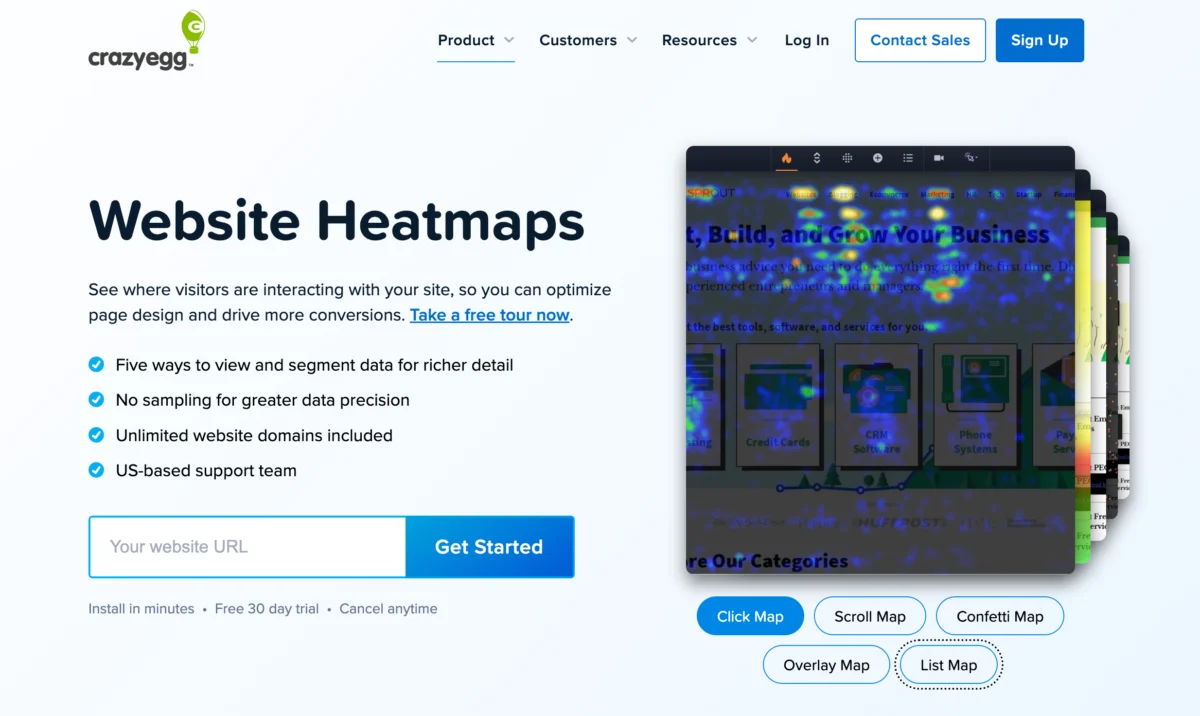
As the digital advertising space matured, the focus shifted from simple page creation to conversion optimization. Instapage responded by expanding its toolkit to include A/B testing, heatmaps, and personalization features. However, the emergence of generative AI in 2022 and 2023 created a new paradigm. Marketers no longer just needed a tool to build pages; they needed a tool to think for them.
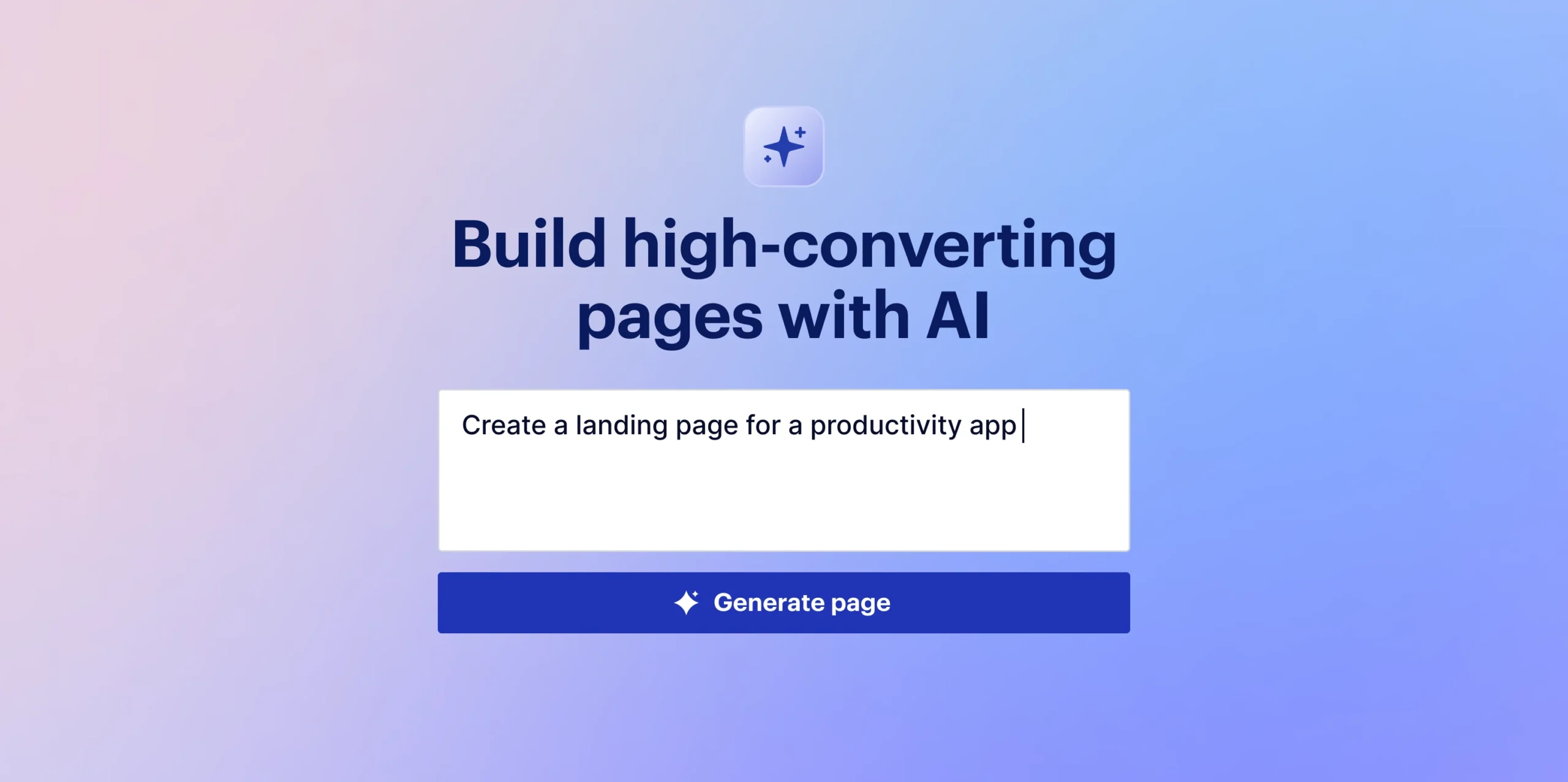
The new AI-powered platform represents the culmination of this evolution. It addresses the "blank page syndrome"—the psychological hurdle that prevents many small to medium-sized businesses (SMBs) from launching campaigns. By allowing users to describe their goals in natural language, the AI generates a complete layout, including industry-specific copy and optimized design elements, in a matter of seconds.
Chronology of Development and AI Integration
The path to the current AI-centric platform has been iterative. The following timeline outlines the key milestones in Instapage’s development:
- 2012 – 2014: Launch and stabilization of the core landing page builder, focusing on ease of use for non-technical users.
- 2015 – 2018: Expansion into the Enterprise sector with the introduction of Collaboration tools, AdMap for visualizing the ad-to-page journey, and advanced security features.
- 2019 – 2021: Focus on Personalization and Experimentation. The platform integrated sophisticated CRO tools, allowing for dynamic text replacement and multi-variant testing.
- 2022 – 2023: Initial foray into artificial intelligence. Instapage began embedding AI copy tools to help users write headlines and calls-to-action (CTAs).
- 2024 – 2026: The "AI-First" Era. The company rolls out end-to-end generation tools, including full-page AI builds, automated email sequences, and AI Collections for managing large-scale campaigns.
Addressing the Inefficiencies of Standalone AI Generators
A critical component of Instapage’s new strategy is its critique of standalone AI tools. In the current market, many niche AI startups offer page generation, but these tools often lack the depth of a visual editor. A common pain point for marketers is the "regeneration loop," where changing a single element requires the AI to rebuild the entire page, consuming credits or tokens and wasting time.
Instapage’s hybrid approach allows for AI-led generation followed by manual refinement. Once the AI produces a conversion-ready page, the user retains full creative control through the drag-and-drop builder. This eliminates the need for complex prompting to make minor design adjustments, such as moving a section or changing a button color. This "human-in-the-loop" model is increasingly viewed by industry experts as the most effective way to utilize generative AI in professional settings.

Closing the Loop with AI-Powered Email Automation
Beyond page creation, the platform now addresses the post-conversion phase of the marketing funnel. Traditionally, after a lead is captured on a landing page, they are exported to a separate Customer Relationship Management (CRM) or Email Service Provider (ESP). This handoff often results in data silos and delayed response times.
The new AI Email Generation tool allows marketers to build automated follow-up sequences within the Instapage environment. By selecting a goal—such as webinar registration, product demo, or content download—the AI drafts tailored messaging that aligns with the tone and content of the landing page. This ensures brand consistency and significantly reduces the time between a lead’s submission and the initial follow-up, a metric that is highly correlated with conversion success.
Supporting Data and Market Implications
The shift toward AI-integrated platforms is supported by broader economic and industry data. According to a 2023 report by Gartner, 63% of marketing leaders plan to invest in generative AI in the next 24 months. Furthermore, McKinsey & Company estimates that generative AI could add between $2.6 trillion and $4.4 trillion annually to the global economy, with marketing and sales being one of the sectors most impacted.
The implications for the workforce are also notable. As Instapage highlights, the goal of these tools is to help businesses grow "without adding headcount." This reflects a macroeconomic trend where productivity gains from AI are being used to offset rising labor costs and the scarcity of specialized digital marketing talent.
From a fact-based analysis perspective, the integration of AI into CRO tools suggests three major shifts in the industry:
- Velocity as a Competitive Advantage: The time-to-market for a new campaign is being reduced from weeks to minutes.
- Cost Reduction in Creative Production: The need for expensive external agencies for basic landing page and email drafting is likely to decrease.
- Data-Driven Design: AI models trained on millions of high-converting pages can suggest layouts that a human designer might not have considered, potentially raising the "floor" for average campaign performance.
Industry Response and Future Outlook
While some designers express concern over the automation of creative roles, the general consensus among marketing technologists is that AI will handle the "drudge work," allowing humans to focus on high-level strategy and brand storytelling. Instapage’s move has been met with interest from the SaaS community, as it challenges other major players like Unbounce, HubSpot, and Leadpages to further accelerate their own AI roadmaps.
In a statement inferred from the company’s current positioning, the leadership emphasizes that the future of marketing is not just about "more" content, but "smarter" content. The platform’s ability to analyze which AI-generated versions perform best through its built-in experimentation suite creates a self-optimizing loop that was previously unattainable for small marketing teams.
Access and Implementation
The rollout of these features is currently in a phased beta approach. Instapage has opened access to select AI features for its current user base, with plans for a wider release throughout the fiscal year. To encourage adoption, the company is offering a 14-day free trial, allowing businesses to test the AI generation capabilities before committing to a subscription.
As the industry moves toward 2026, the success of Instapage’s pivot will likely be measured by how well its AI can replicate the nuance of human-centric design while maintaining the rigorous technical standards of modern SEO and web performance. For now, the company has positioned itself as a comprehensive solution for the modern marketer who is increasingly tasked with doing the impossible: scaling personalized experiences across the entire web without an unlimited budget.

 Raul Delapena Setiawan
 Muslim