Neng Nana
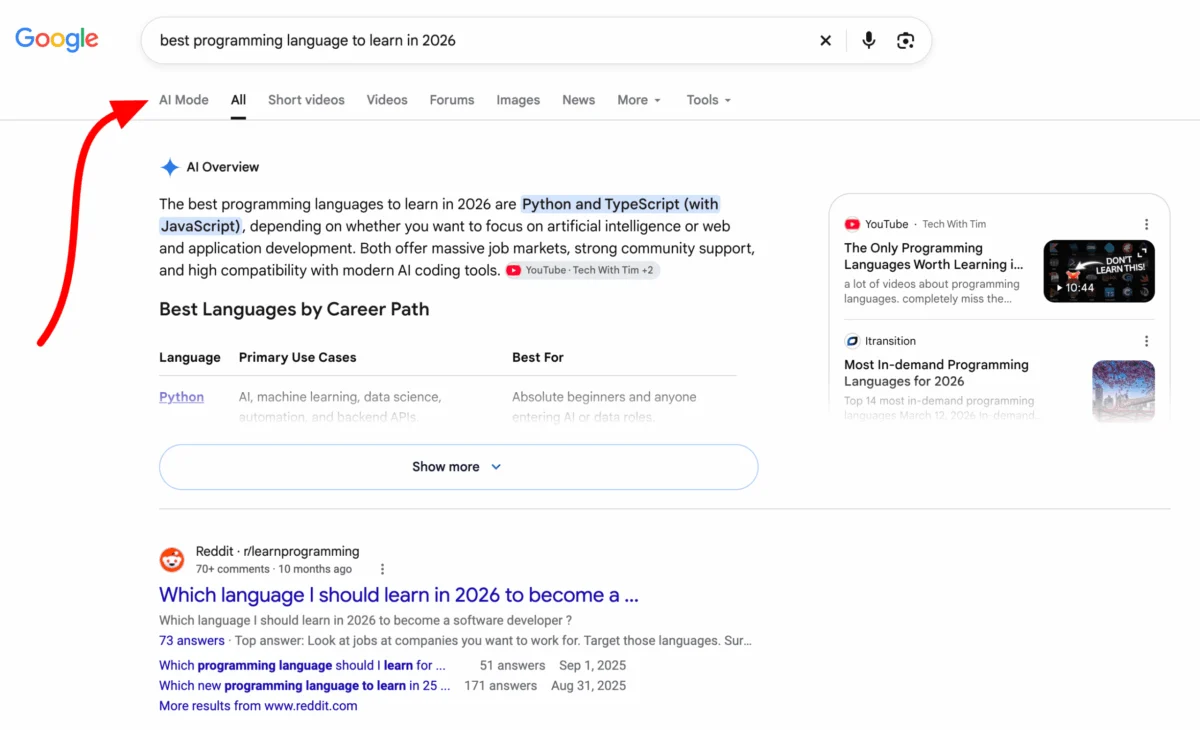
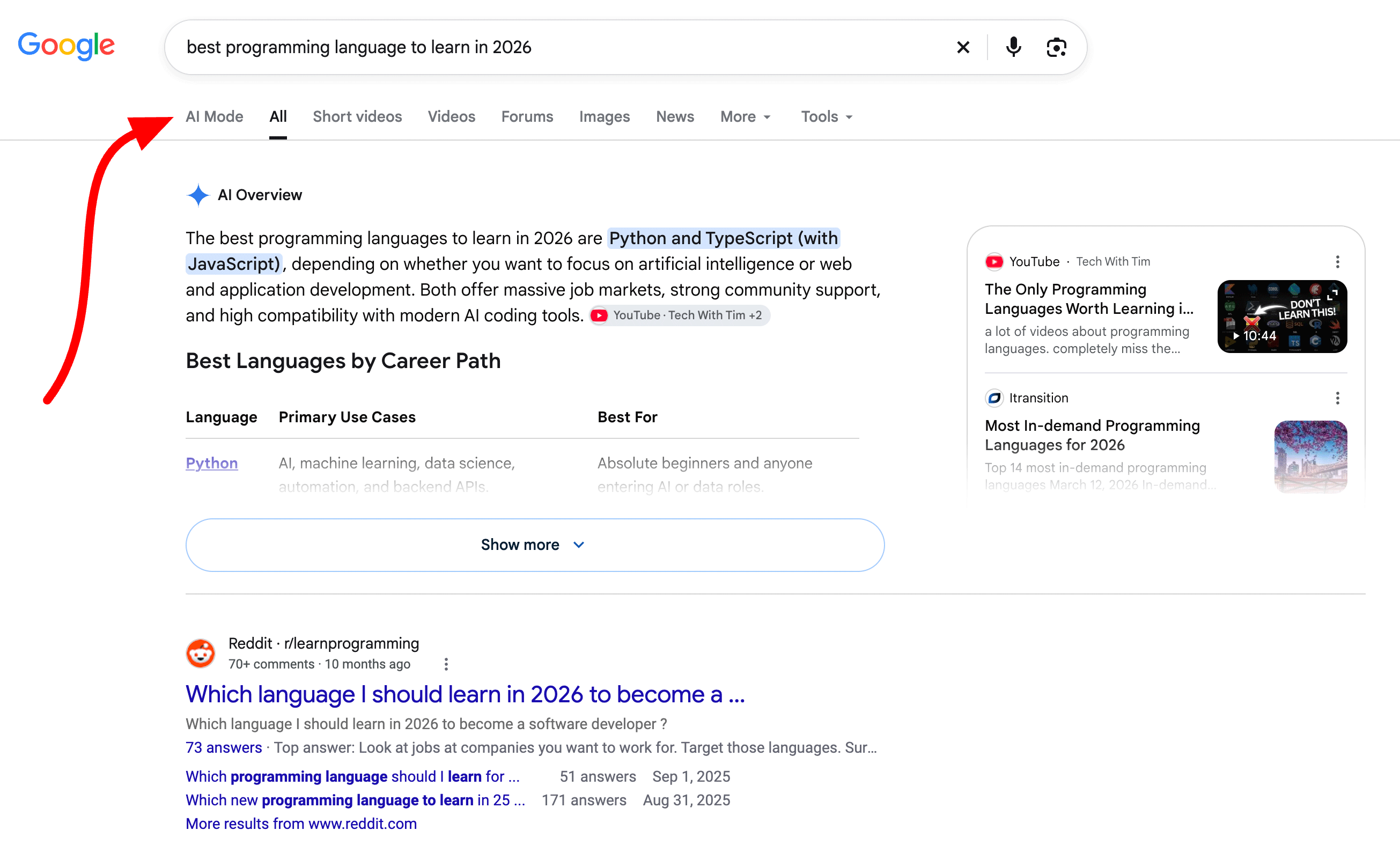
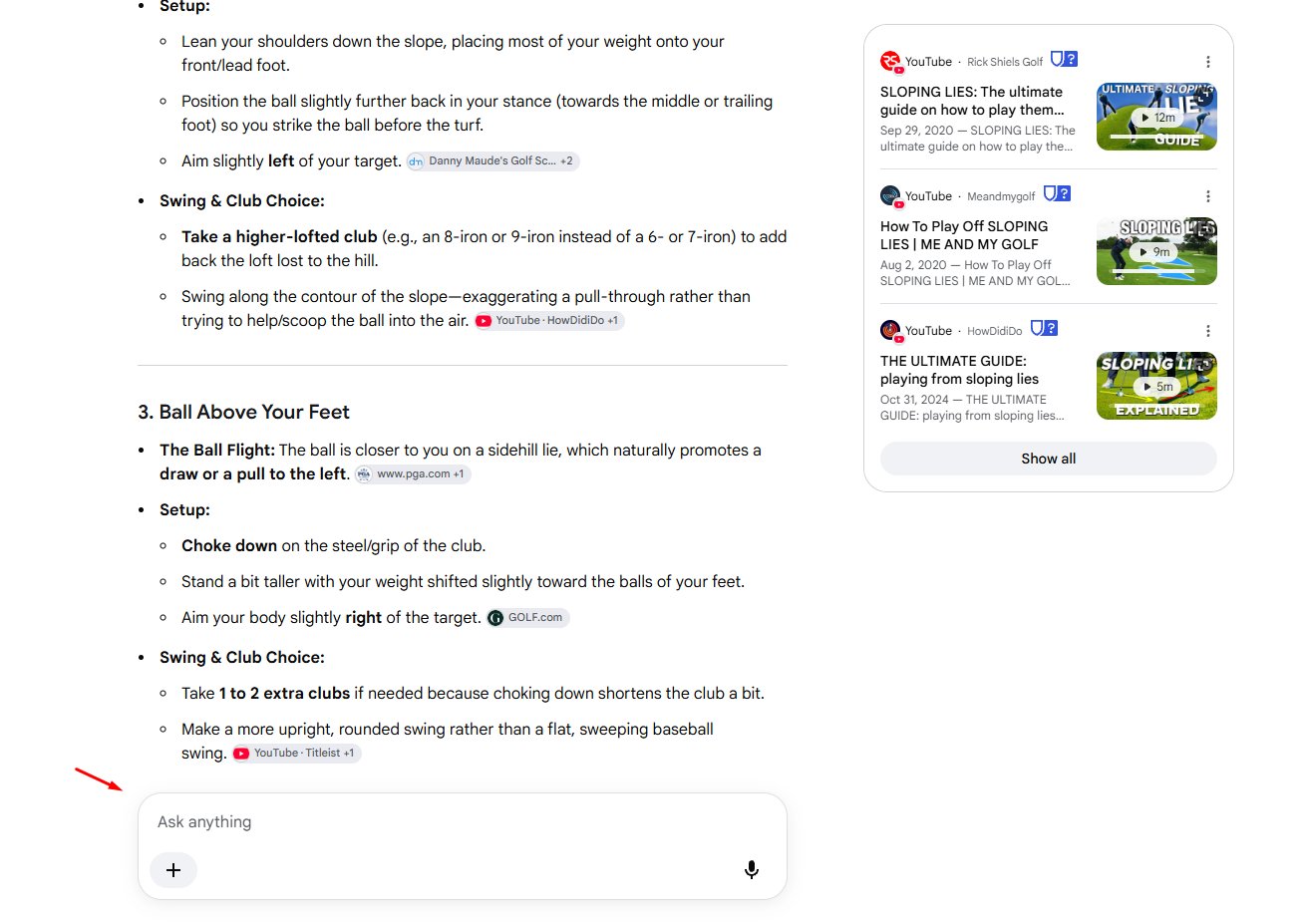
Google is reportedly conducting significant tests that involve the removal of the dedicated "AI Mode" tab from the search bar within its primary search interface and the "Ask anything" follow-up box embedded within AI Overviews. These recent observations follow earlier reports of Google testing the elimination of AI Mode buttons from its homepage, suggesting a broader re-evaluation of how generative AI is presented and integrated into its core search product. The implications of such a shift could be far-reaching, impacting user experience, monetization strategies, and the fundamental direction of Google’s AI-powered search evolution.
The Latest Observations and Their Context
The most recent insights into Google’s experimental changes come from Glenn Gabe, a prominent figure in the search engine optimization (SEO) community, who shared screenshots and observations on the social media platform X. Gabe noted the absence of the "Ask anything" box within an AI Overview, a feature typically designed to prompt further conversational interaction with the generative AI model. More strikingly, he also reported the complete disappearance of the "AI Mode" tab from the top of the Search Engine Results Page (SERP), a designated button that, when present, allows users to explicitly switch to an AI-centric search experience. Gabe’s initial reaction, "Whoa, that’s wild. Are they really testing removing AI Mode," encapsulates the surprise and significance of these tests within the industry.
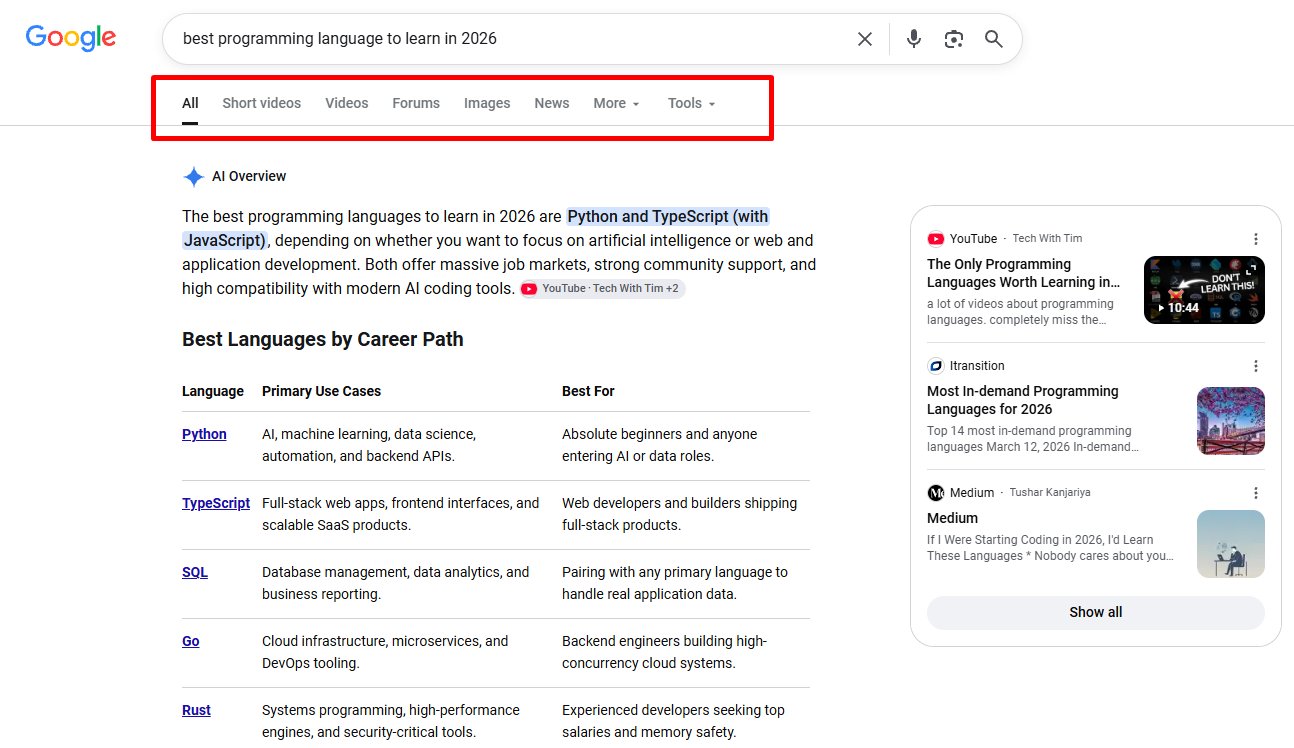
For context, the "AI Mode" tab and the "Ask anything" box were integral components of Google’s initial rollout of its Search Generative Experience (SGE), later rebranded as AI Overviews. These features aimed to clearly delineate the generative AI capabilities from traditional search results, offering users a distinct pathway to engage with AI-powered summaries and conversational follow-ups. The removal of these elements, even in a testing phase, signals a potential move away from an explicit "mode" or separate experience for AI, towards a more seamlessly integrated or perhaps even less prominent role for these specific AI interface elements.
While Gabe’s observations are compelling, Google’s testing methodology means that not all users will experience these changes simultaneously. The original report indicates that the author of the initial article could not replicate the missing AI Mode tab, highlighting Google’s practice of A/B testing features with a subset of its user base. This controlled experimentation allows Google to gather data on user interaction, engagement, and overall satisfaction before committing to a broader rollout.
A Chronology of Google’s AI Integration in Search
Google’s journey to integrate generative AI into its search engine has been a rapid and iterative process, largely spurred by advancements in large language models (LLMs) and competitive pressures.

- Early 2023: Following the public release of OpenAI’s ChatGPT in late 2022 and Microsoft’s integration of similar technology into Bing, Google accelerated its own generative AI initiatives. This period saw the introduction of Bard (now Gemini), Google’s experimental conversational AI service.
- May 2023: At its I/O developer conference, Google officially unveiled the Search Generative Experience (SGE), a bold vision to inject generative AI directly into the search results page. SGE was initially presented as an opt-in feature, allowing users to experiment with AI-powered summaries and conversational capabilities. This is where the concept of a distinct "AI Mode" or AI-driven experience began to take shape, often featuring prominent buttons and interactive elements.
- Late 2023 – Early 2024: SGE underwent continuous refinement, with Google iterating on its design, accuracy, and integration points. Features like the "Ask anything" box were introduced to encourage deeper engagement with the AI overviews, allowing users to refine their queries or explore related topics conversationally.
- April – May 2024: Google officially rebranded SGE as "AI Overviews," signaling a more formal integration into the main search product rather than an experimental "experience." This period also saw initial reports, preceding Gabe’s latest findings, of Google testing the removal of "AI Mode" buttons from its homepage. These earlier tests hinted at a potential strategy shift, moving away from a distinct "AI Mode" toggle.
- June 2024 (Current): The latest tests reported by Glenn Gabe—the removal of the AI Mode tab from the SERP and the "Ask anything" box from AI Overviews—represent a significant intensification of this apparent strategic re-evaluation. These changes, if widely implemented, would significantly alter how users interact with Google’s generative AI capabilities within search.
This timeline illustrates a clear pattern: Google initially introduced generative AI as a distinct, opt-in "experience" with explicit "AI Mode" entry points. However, the current tests suggest a move towards either a more seamless, ambient integration where AI features are less explicitly signposted, or a downscaling of these specific interactive elements based on performance or strategic considerations.
Monetization Concerns and Revenue Implications
One of the most compelling theories behind Google’s potential re-evaluation of its AI Mode interface stems from monetization. The original article directly references reports indicating that "ads in AI Mode earn less than in traditional search" and connects this to "a bad earnings quarter." While the specific quarter mentioned (Q3 2026) appears to be a typo given current dates, the underlying concern about AI’s impact on advertising revenue is highly pertinent.
Traditional Google Search is built upon a robust advertising model, where ads are strategically placed alongside organic search results, driving clicks and revenue. AI Overviews, by providing direct, summarized answers, inherently run the risk of reducing the need for users to click through to external websites, including those displaying ads. If users find their answers directly within the AI Overview, their journey through the SERP might be truncated, leading to fewer ad impressions and, consequently, lower ad revenue.
The economics of generative AI are also a critical factor. Running complex LLMs to generate detailed summaries and engage in conversational follow-ups is computationally intensive and expensive. If the revenue generated from AI-powered search experiences does not offset these operational costs, or if it cannibalizes higher-margin traditional search advertising, Google would have a strong incentive to adjust its strategy. Reducing the prominence or interactivity of certain AI features could be a way to rebalance the user experience with commercial imperatives, ensuring that the integration of AI remains profitable.
Furthermore, advertisers themselves are still adapting to the presence of AI Overviews. The traditional bidding mechanisms and ad placements are designed for a link-based SERP. As AI Overviews evolve, Google must find new ways to integrate advertising without disrupting the user experience or diminishing the perceived value of the AI-generated content. If the current "AI Mode" interface was not proving conducive to effective ad placement or user engagement with ads, its removal could be a step towards experimenting with alternative integration models that are more revenue-friendly.
Optimizing User Experience: Seamless Integration vs. Explicit Modes
Beyond monetization, Google’s extensive history of A/B testing underscores its commitment to optimizing user experience (UX). The removal of "AI Mode" tabs and "Ask anything" boxes could be a direct result of user feedback, engagement metrics, or internal UX research.

- Redundancy and Cognitive Load: When generative AI capabilities become more deeply embedded and contextually relevant, a separate "AI Mode" tab might become redundant. If AI Overviews are designed to appear automatically when a query warrants it, or if conversational follow-ups are seamlessly integrated into the search flow, an explicit "mode" might add unnecessary cognitive load or create a perception of two separate experiences rather than one cohesive one. Chris Long’s suggestion, "Because AI Mode is no longer a separate experience anymore," perfectly encapsulates this idea. As AI becomes more ambient and integrated, a distinct "mode" may no longer serve its original purpose of differentiation.
- User Confusion: Introducing new "modes" can sometimes confuse users, especially if the distinction between modes isn’t immediately clear or if users don’t understand when or why to use one over the other. Simplifying the interface by removing explicit AI toggles could lead to a more intuitive and streamlined search experience for the average user.
- Default Behavior: Google might be moving towards making AI Overviews a more default part of the search experience, rather than an opt-in or separate mode. If the company is confident in the quality and utility of its AI-generated content, it might prefer to integrate it directly into the main SERP without requiring users to actively switch modes. This aligns with Google’s broader strategy of making AI ubiquitous across its product suite.
Broader Impact and Implications for the Future of Search
These tests by Google have several broader implications for the future of search, competition, and the SEO community.
- Strategic Repositioning of AI: If Google moves away from explicit "AI Mode" features, it suggests a strategic repositioning of generative AI. Instead of being a separate, special feature, AI could become an invisible layer underpinning the entire search experience, intelligently surfacing summaries and conversational options when most relevant, without requiring user intervention to "activate" AI. This "ambient AI" approach could make AI feel more natural and less like a distinct product.
- Competitive Landscape: The competitive environment in AI-powered search is intense. Microsoft’s Copilot in Bing often features a more explicit "chat" mode. If Google deemphasizes its own distinct AI interface, it could be a differentiator, emphasizing a more integrated, less "chat-bot-like" approach to AI in search. Alternatively, it could be seen as Google scaling back on the explicit conversational elements that some users enjoy.
- SEO and Content Strategy: For search engine optimization professionals and content creators, these changes could influence how they optimize for AI Overviews. If the "Ask anything" box disappears, it might reduce the emphasis on conversational prompts and shift focus back to ensuring content is structured in a way that AI Overviews can easily summarize and extract information from. The ultimate goal remains to create high-quality, authoritative content that can be surfaced by both traditional search algorithms and generative AI models. The emphasis might shift from optimizing for "AI Mode" engagement to optimizing for inclusion within the AI Overview itself, regardless of specific interface elements.
- Evolution of User Interaction: The tests could signify a refinement in how Google envisions user interaction with AI. Perhaps initial assumptions about user desire for explicit "modes" or constant "ask anything" prompts were incorrect, or perhaps users prefer a more subtle, context-driven integration of AI features. This continuous learning process is characteristic of Google’s product development cycle.
Official Responses and Industry Reactions
As is customary with Google’s extensive testing regimen, the company has not issued an official statement regarding these specific experimental changes. A spokesperson for Google typically reiterates that the company routinely conducts numerous experiments to improve the search experience for its users, and that many of these tests do not result in permanent changes. This standard response allows Google the flexibility to gather data and iterate without committing to specific features prematurely.
However, industry analysts and observers are closely watching these developments. Many interpret such moves as indicative of Google’s ongoing efforts to balance innovation with user adoption and, crucially, its core business model. "These tests highlight the intricate dance Google performs between pushing the boundaries of AI and safeguarding its multi-billion dollar advertising revenue," noted one industry insider, speaking on background. "It suggests that the initial rollout of AI Mode, while innovative, may have presented unforeseen challenges in terms of user engagement or monetization efficiency."
The SEO community, particularly those active on platforms like X, remains engaged in discussing these changes. The observations from Glenn Gabe sparked a flurry of reactions, with some speculating on the revenue implications, others on the UX rationale, and some, like Chris Long, offering insights into the evolving nature of AI integration itself. The consensus is that Google is in a dynamic phase of integrating AI, and these tests are merely snapshots of a continuously evolving product.
Conclusion
Google’s current testing of removing the "AI Mode" tab from the search bar and the "Ask anything" box from AI Overviews represents a significant moment in the evolution of AI-powered search. While Google’s practice of continuous experimentation means these changes are not yet permanent, they strongly suggest a strategic re-evaluation of how generative AI is presented and monetized within its flagship product. Whether driven by monetization concerns, a desire for a more seamless user experience, or a shift towards a more ambient AI strategy, these tests underscore Google’s ongoing effort to refine the delicate balance between innovation, utility, and profitability in the era of artificial intelligence. The coming months will likely reveal more about Google’s long-term vision for AI in search, as it continues to iterate and adapt to the rapidly changing digital landscape.


 Siti Muinah
 rifanmuazin