rifanmuazin
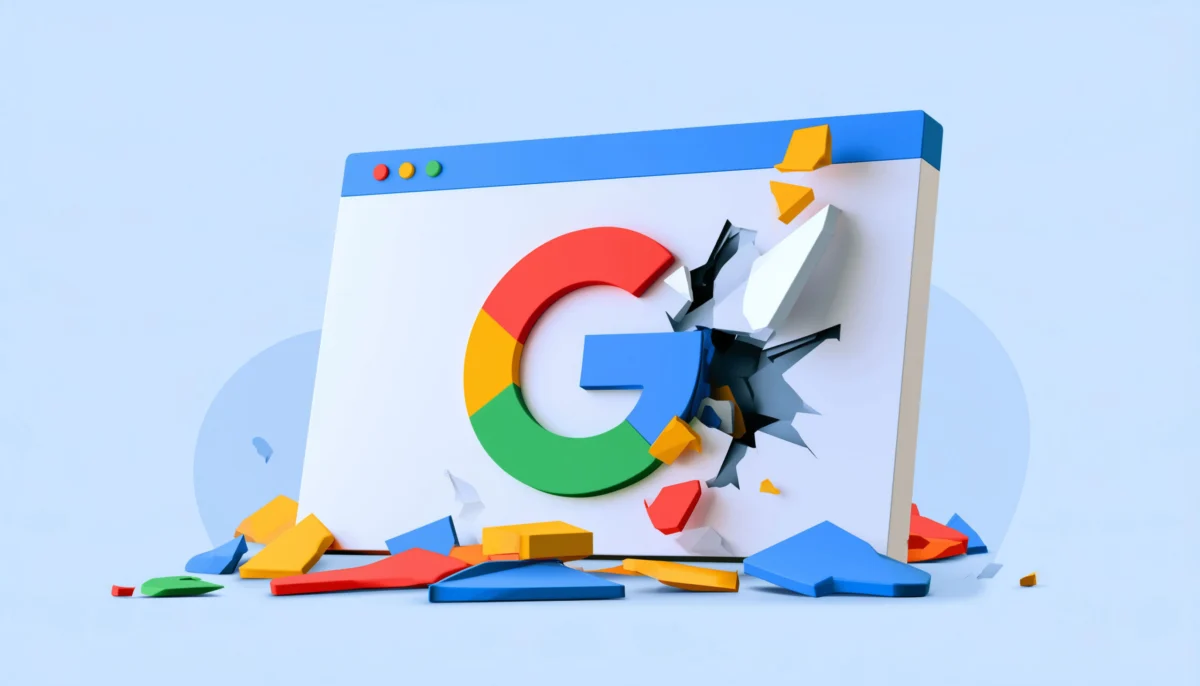
Google has officially confirmed a significant data logging anomaly within its Search Console Generative AI performance report, impacting data collected between November 9 and November 11, 2026. This technical glitch resulted in a reported decrease in impressions for web properties within the Generative AI section of Google Search during the specified period. Crucially, Google clarified that this issue pertained solely to data logging and reporting, assuring webmasters that it had no actual impact on their website’s performance or visibility within Google Search results. The timing of this anomaly created particular confusion, as it coincided directly with the rollout of the broader November 2026 core algorithm update.
The Generative AI Performance Report: A Vital Analytics Tool
The Generative AI performance report within Google Search Console is a relatively recent but increasingly indispensable tool for webmasters and SEO professionals. Introduced as Google’s Search Generative Experience (SGE) capabilities matured and became more integrated into mainstream search results, this report offers crucial insights into how content performs within AI-generated summaries, conversational interfaces, and other innovative search result formats. Unlike traditional performance reports that focus on organic blue links, the Generative AI report provides metrics specifically tailored to the evolving landscape of AI-powered search.
Key metrics typically monitored in this report include impressions, clicks, and average position, specifically within the Generative AI section of search results. Impressions, in particular, serve as a fundamental indicator of visibility and potential audience reach. A sudden or unexplained drop in impressions within this report can trigger immediate alarm among webmasters, prompting them to investigate potential issues with their content, technical SEO, or algorithm changes. Given the strategic importance of understanding how content interacts with generative AI features, the integrity of this data is paramount for informed decision-making in content strategy and optimization efforts.
Chronology of the Anomaly and Google’s Response
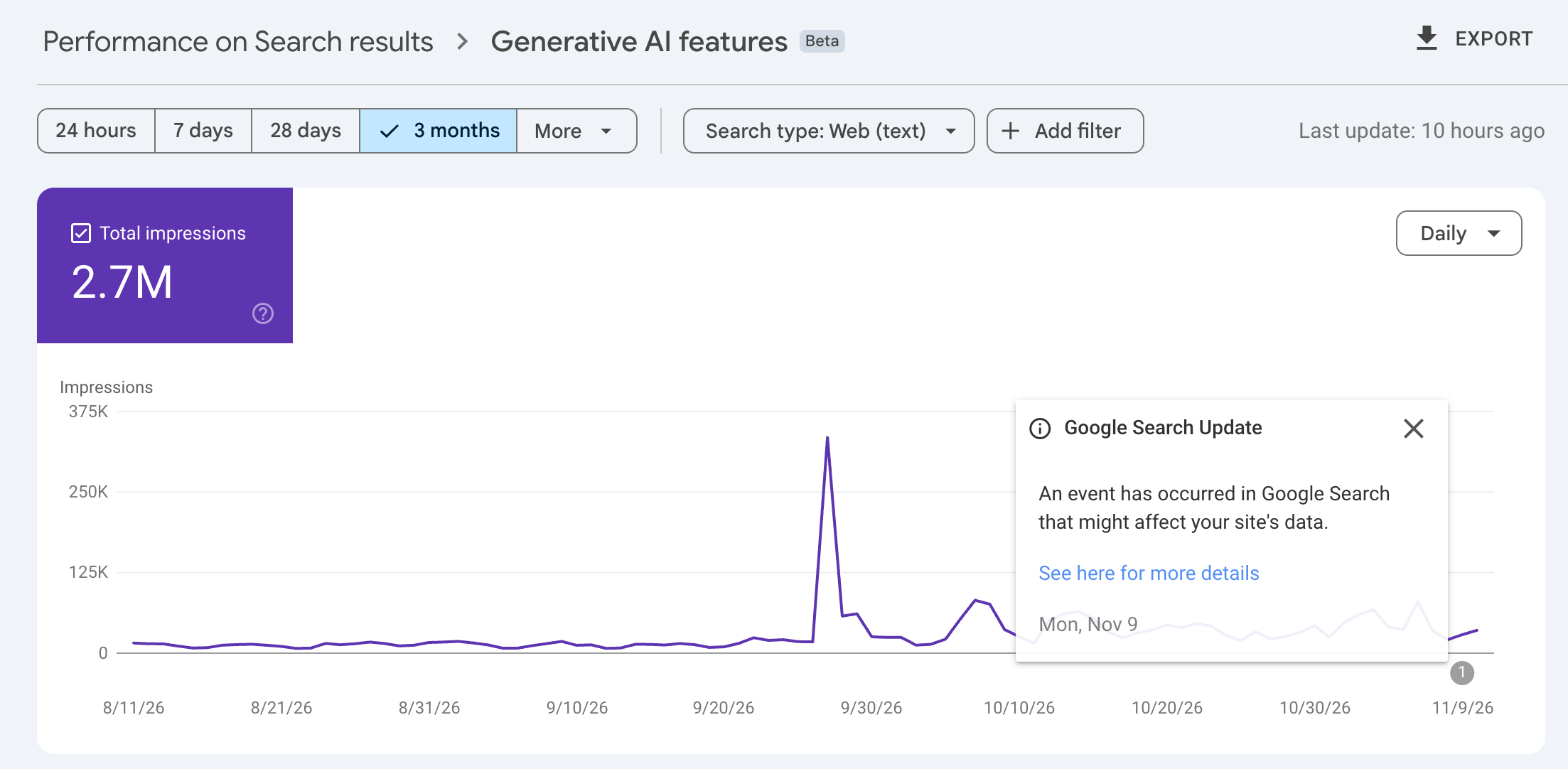
The data logging error commenced on November 9, 2026, and persisted through November 11, 2026. During this 72-hour window, the internal systems responsible for collecting and processing performance data for the Generative AI report experienced a malfunction, leading to an underreporting of actual impressions. Webmasters and SEOs who meticulously monitor their Search Console data would have observed an unusual dip in their Generative AI impressions starting on the morning of November 9th and continuing for the subsequent two days.
Initial observations of these decreased impression numbers likely sparked considerable concern across the webmaster community. In the absence of immediate official communication, many might have begun troubleshooting their own sites, checking for indexing issues, crawl errors, or recent content changes that could explain such a decline. The Google Search Console interface itself provided an early indicator of the problem. Users accessing the Generative AI performance report during or shortly after the affected period would have encountered an annotation directly within the report. This in-product message, strategically placed to alert users, stated: "A logging error caused a decrease in impressions on the Generative AI performance report in Search for data from November 9 – November 11, 2026. This issue affects data logging only."
Following the internal identification and analysis of the issue, Google formally acknowledged the anomaly by posting an update on its official Search Console Data Anomalies page. This dedicated resource serves as a transparent log of known reporting issues and data discrepancies within Search Console, providing webmasters with a centralized source of truth for understanding potential irregularities. Google’s prompt communication, both through the in-product annotation and the public anomalies page, was critical in mitigating prolonged confusion and preventing webmasters from making erroneous strategic adjustments based on faulty data.
The Confounding Overlap with the November 2026 Core Update
Adding a layer of complexity and heightened anxiety to this data anomaly was its direct overlap with the rollout of the November 2026 core algorithm update. Google core updates are significant, broad-reaching changes to the search engine’s underlying ranking algorithms. These updates are designed to improve the overall quality and relevance of search results and can lead to notable shifts in website rankings and organic traffic. The November 2026 core update commenced its global rollout on November 10, 2026, precisely in the middle of the Generative AI performance report’s data logging error.
This temporal coincidence created a "perfect storm" of uncertainty for many in the SEO community. When webmasters observed a drop in Generative AI impressions concurrently with a major core update, the natural inclination was to attribute the decline to the algorithm change. This could have led to premature and potentially counterproductive reactions, such as hasty content revisions, aggressive link-building campaigns, or even complete overhauls of SEO strategies, all based on what later proved to be flawed reporting data.
It is paramount to differentiate between the two events: the Generative AI report anomaly was a technical glitch in data collection, whereas the core update was a deliberate modification to Google’s ranking methodology. While the core update undoubtedly brought about real performance shifts for many websites, the reported impression declines in the Generative AI report during November 9-11 were entirely artificial, a mere reflection of the logging error. Google’s clarification was essential in untangling these two distinct phenomena, allowing webmasters to accurately assess the true impact of the core update on their organic performance, separate from the reporting bug.
Impact on Webmasters and the SEO Community
The immediate impact on webmasters and SEO professionals during the affected period was primarily one of confusion and potential misdirection. Data in Search Console is the bedrock upon which many SEO strategies are built. Professionals rely on its accuracy to measure the effectiveness of their efforts, identify areas for improvement, and report performance to clients or internal stakeholders. A sudden, unexplained drop in impressions, particularly in a critical and emerging area like Generative AI search, can trigger extensive internal investigations.
Before Google’s official confirmation, SEO teams might have spent valuable time analyzing their Generative AI content, technical infrastructure, and competitive landscape, searching for causes that did not exist. This misallocated effort highlights the importance of timely and transparent communication from Google regarding such anomalies. For agencies managing multiple client accounts, the task of explaining these discrepancies and reassuring clients during a period of uncertainty would have been particularly challenging. The eventual confirmation of a logging bug brought relief, but also underscored the need for vigilance and cross-referencing data from multiple sources.
Furthermore, this incident serves as a reminder of the inherent complexities in tracking and reporting performance within an ever-evolving search ecosystem. As Google integrates more advanced AI features, the underlying data infrastructure becomes more intricate, increasing the potential for minor glitches. For webmasters, it reinforces the necessity of adopting a cautious approach to sudden data fluctuations, especially when they occur during periods of significant platform changes like core updates.
Google’s History of Data Anomalies and Commitment to Transparency
While disruptive, data anomalies in Google Search Console are not unprecedented. Google, as the operator of the world’s largest search engine, processes an unfathomable volume of data daily. Given the scale and complexity of its systems, occasional logging errors or processing delays are an inevitable reality. Over the years, Google has experienced and publicly documented various data anomalies affecting different reports within Search Console, including issues with Discover performance, AMP reporting, and even broader organic search data.
Google’s establishment and maintenance of the Search Console Data Anomalies page (formerly known as the "Known Issues" page) is a testament to its commitment to transparency. This resource allows the company to proactively inform the SEO community about any identified data discrepancies, providing dates, descriptions, and, where possible, explanations for the issues. This level of transparency, while not always preventing initial alarm, ultimately helps webmasters understand that a perceived performance drop might be a reporting glitch rather than an actual decline in their site’s standing. It builds trust by acknowledging imperfections and guiding users on how to interpret their data during such periods.
The swift annotation within the Generative AI performance report itself, coupled with the update on the anomalies page, demonstrates Google’s refined processes for handling such incidents. This multi-pronged communication strategy ensures that the information reaches users directly within the tool they are using, as well as through official communication channels.
Broader Implications for Generative AI Optimization (SGEO)
The incident, while a reporting error, indirectly highlights the critical importance of accurate data in the burgeoning field of Search Generative Experience Optimization (SGEO). As Generative AI becomes more deeply embedded in search, understanding how content performs in these new contexts is no longer optional but essential. SGEO involves optimizing content not just for traditional organic rankings but also for its suitability and prominence within AI-generated summaries, answers, and conversational interactions.
Accurate impression data from the Generative AI report allows webmasters to:
- Identify content that resonates with AI models: Which topics and formats are frequently pulled into AI summaries?
- Assess visibility within AI features: Are pages appearing in the Generative AI sections?
- Refine content strategy: How can content be structured or written to be more easily consumed and presented by AI?
- Track the impact of SGEO efforts: Are optimization changes leading to increased visibility and engagement within the AI experience?
Without reliable data, these strategic insights become compromised. The anomaly, therefore, served as a potent reminder of how foundational data integrity is to navigating and succeeding in the evolving AI-driven search landscape. It underscores the ongoing need for robust analytics and reporting tools that can keep pace with Google’s rapid innovation in search.
Mitigation and Best Practices for Data Interpretation
For webmasters and SEO professionals, this event reinforces several best practices for interpreting performance data and responding to anomalies:
- Cross-Reference Data: Always validate significant performance shifts by cross-referencing data from multiple sources. This includes Google Analytics, server logs, other third-party SEO tools, and, critically, Google’s official Search Console Data Anomalies page.
- Monitor Google’s Official Channels: Stay informed by regularly checking Google’s official Search Central Blog, their Search Console X (formerly Twitter) account, and the Data Anomalies page for real-time updates on known issues and algorithm changes.
- Exercise Patience: During periods of reported data issues or major algorithm updates, avoid making immediate, drastic changes to SEO strategies. Allow time for Google to confirm and resolve issues, and for the true impact of updates to become clear.
- Understand Normal Fluctuations: Recognize that daily or weekly data can exhibit natural fluctuations. A slight dip or spike might not always indicate a problem or a major trend. Contextualize any changes against historical data and known events.
- Focus on Long-Term Trends: While daily monitoring is important, strategic decisions should be based on longer-term trends rather than isolated data points, especially during volatile periods.
In conclusion, the data logging anomaly affecting the Google Search Console Generative AI performance report from November 9 to November 11, 2026, was a reporting glitch that caused a temporary and artificial decrease in reported impressions. While it had no actual impact on website performance, its unfortunate timing alongside the November 2026 core update created significant confusion within the SEO community. Google’s prompt acknowledgment and transparent communication were crucial in clarifying the situation. This incident serves as a powerful reminder of the indispensable role of accurate data in modern SEO, particularly in the rapidly evolving realm of Generative AI in search, and emphasizes the importance of vigilance, cross-referencing, and reliance on official communications when interpreting performance metrics.

 Laily UPN

 Nana Wu