

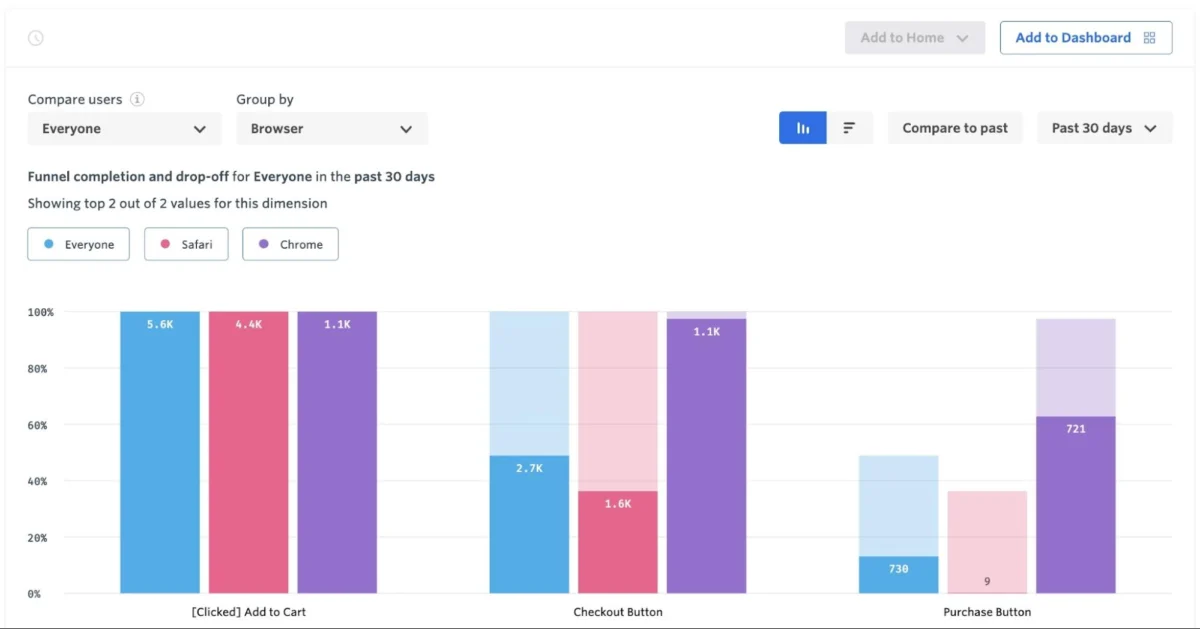
In the rapidly evolving landscape of Digital Experience Intelligence (DXI) and Conversion Rate Optimization (CRO), the choice between Crazy Egg and Fullstory represents a fundamental strategic decision for digital marketing and product development teams. As organizations increasingly move away from basic traffic metrics toward deep behavioral analysis, these two platforms have emerged as leaders, albeit catering to distinct operational philosophies and technical requirements. Crazy Egg, a pioneer in the heatmap space, has evolved into an all-in-one optimization suite designed for speed and iteration, while Fullstory has positioned itself as a high-fidelity session replay and product analytics powerhouse tailored for complex digital ecosystems.
The Evolution of Behavioral Analytics: A Brief Chronology
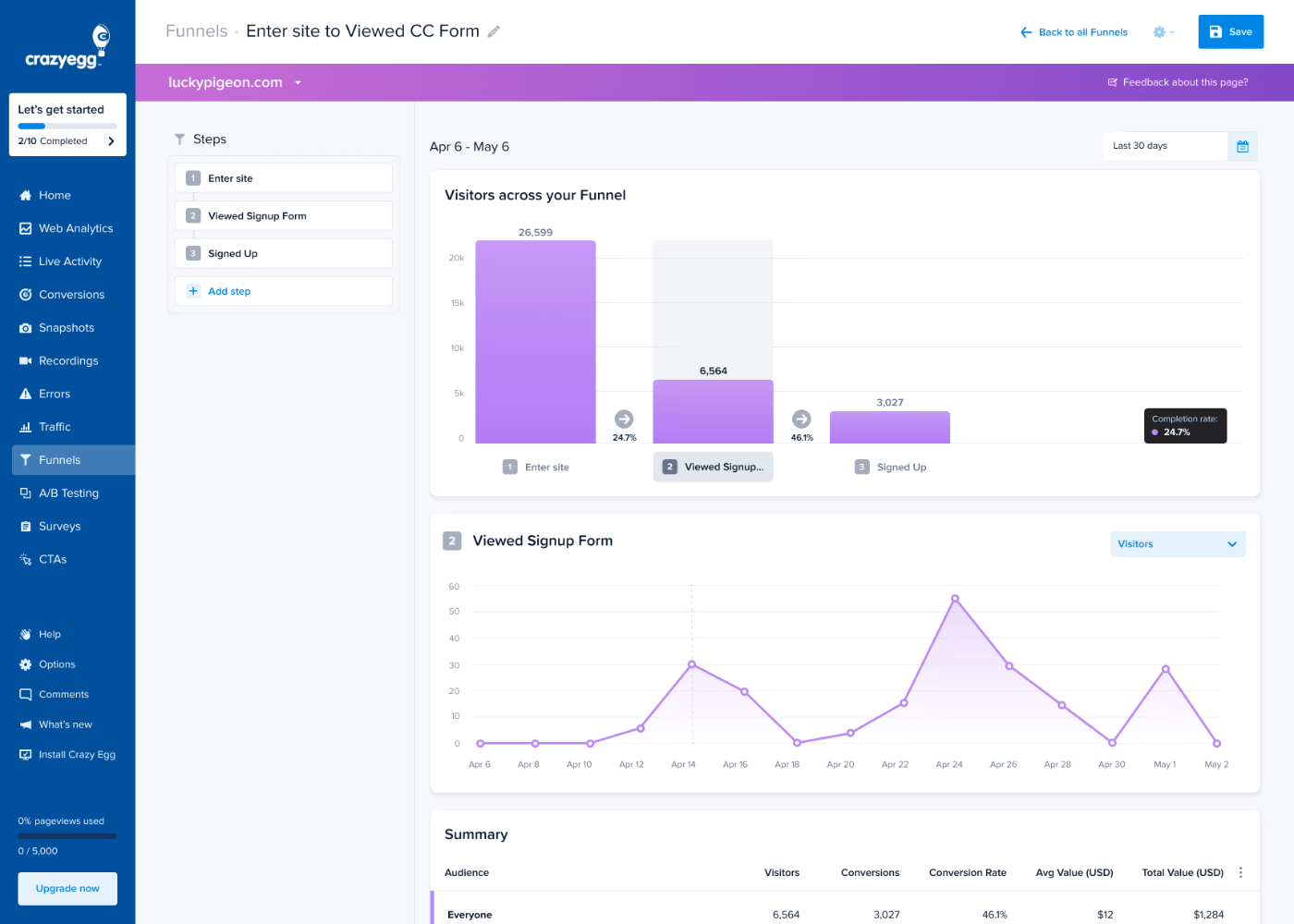
To understand the current positioning of these tools, one must look at the trajectory of the behavioral analytics industry. Founded in 2005 by Hiten Shah and Neil Patel, Crazy Egg was among the first tools to democratize heatmap technology, allowing non-technical marketers to visualize where users clicked on a page. Over the nearly two decades since its inception, Crazy Egg has expanded its scope from simple visualization to include A/B testing, surveys, and comprehensive web analytics, aiming to provide a "single pane of glass" for website optimization.
In contrast, Fullstory entered the market in 2014 with a focus on "perfect" session replay. By capturing every event on a page without requiring manual tagging, Fullstory appealed to product managers and engineers who needed to debug complex user journeys in web and mobile applications. The recent acquisition of Usetiful by Fullstory in late 2025 further signaled a shift toward in-app engagement and product adoption guides, distancing the tool further from traditional marketing-focused CRO.

Core Feature Comparison: Visualization and Heatmapping
The foundational element of both platforms is the ability to visualize user behavior. However, the technical execution and the resulting insights differ significantly.
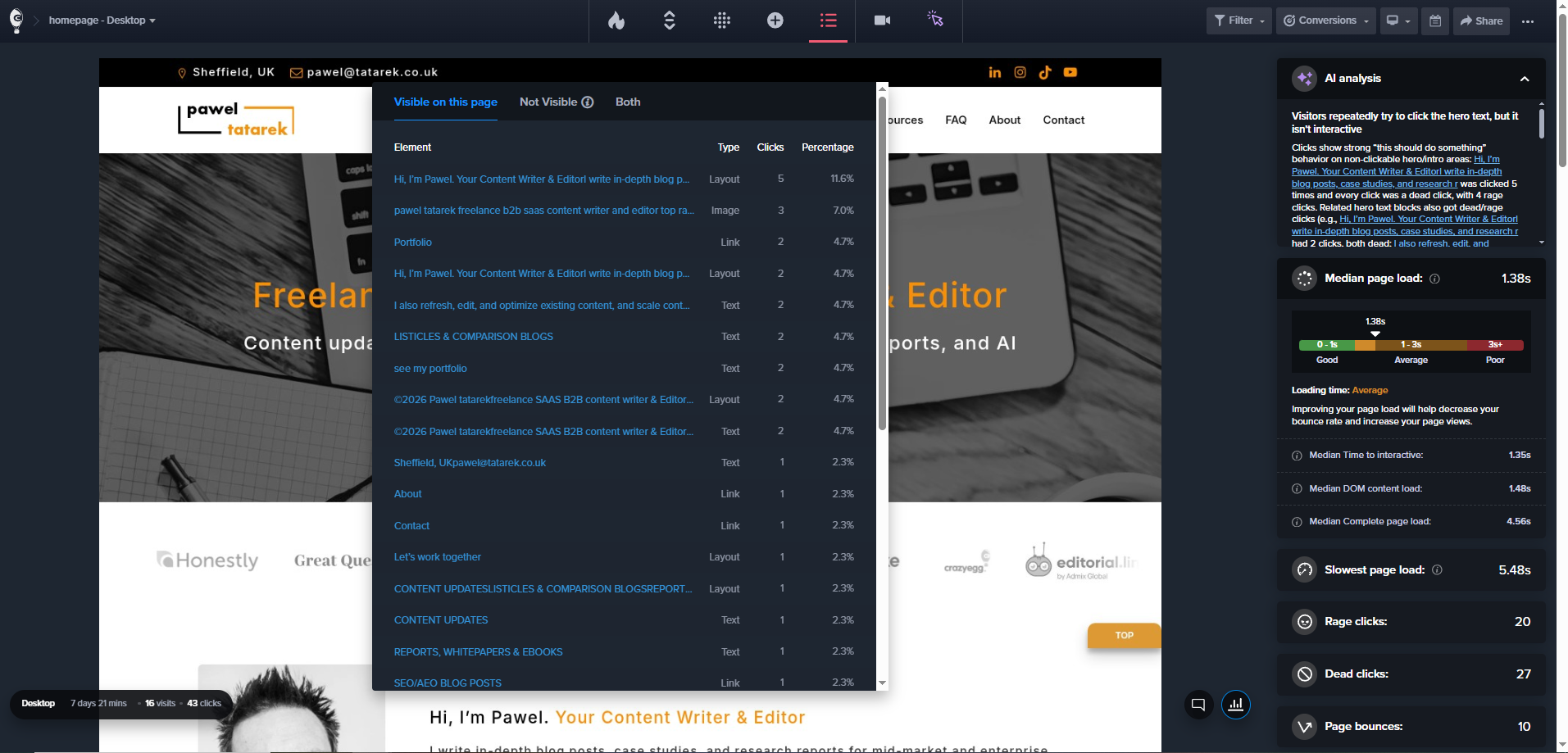
Crazy Egg offers a diverse array of five distinct heatmap types. The most notable is the "Confetti" map, which allows for per-click segmentation. This enables marketers to see, for example, how visitors from a specific Facebook ad campaign interact with a landing page differently than those arriving via organic search. Crazy Egg’s commitment to "no sampling" ensures that the data reflected in these maps is comprehensive, covering every visitor to a tracked page. Furthermore, the "Instant Heatmaps" feature allows for rapid diagnosis, auto-generating reports as a user browses their own site.
Fullstory approaches visualization through the lens of revenue impact. Its maps are designed to rank page elements by their contribution to conversion rates and total revenue. While this provides a clear link between behavior and the bottom line, the tool limits its display to the top 25 clicked elements per category. This "top-down" approach is highly effective for large-scale e-commerce sites but may lack the granular "long-tail" click analysis that Crazy Egg’s Confetti maps provide.
Session Replay and Technical Fidelity
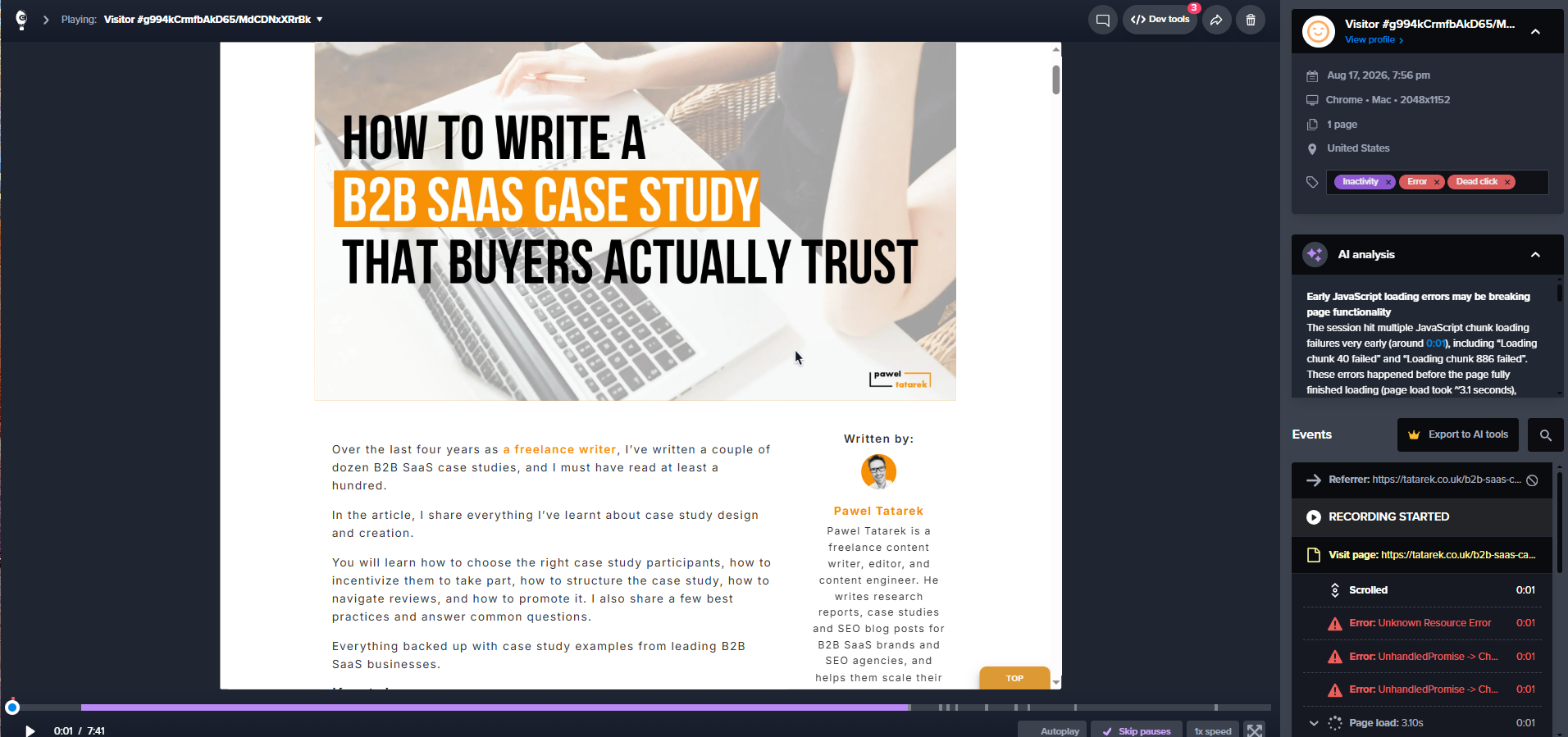
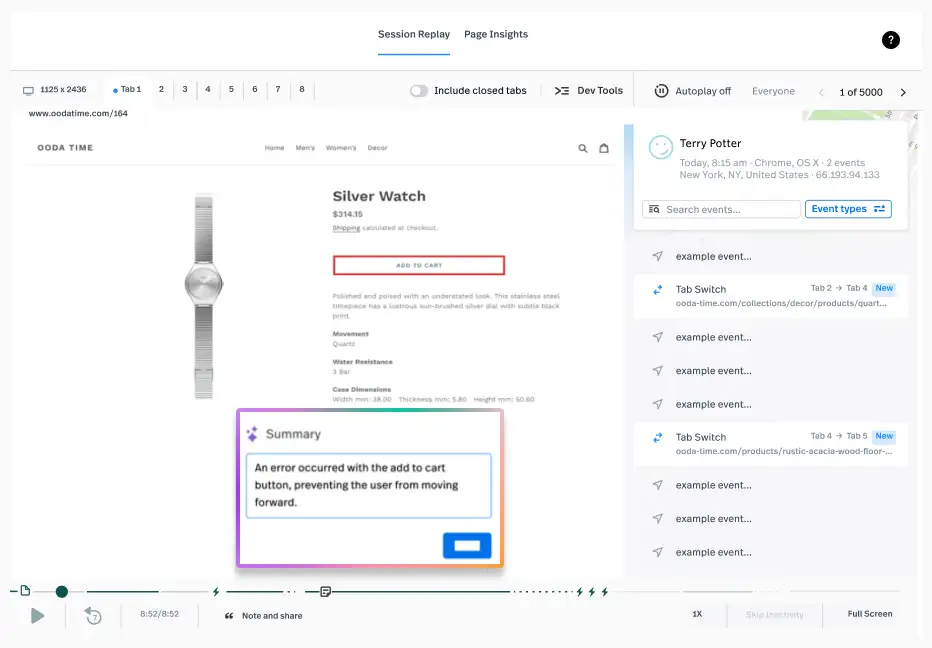
Session recording has become a mandatory requirement for modern UX design. Crazy Egg’s recordings are optimized for marketing teams; they arrive auto-tagged with behavioral signals such as "rage clicks" and "dead clicks," as well as e-commerce events like "add-to-cart." A significant advantage for Crazy Egg is its data retention policy, offering up to two years of history on higher-tier plans, which is vital for year-over-year seasonal analysis.
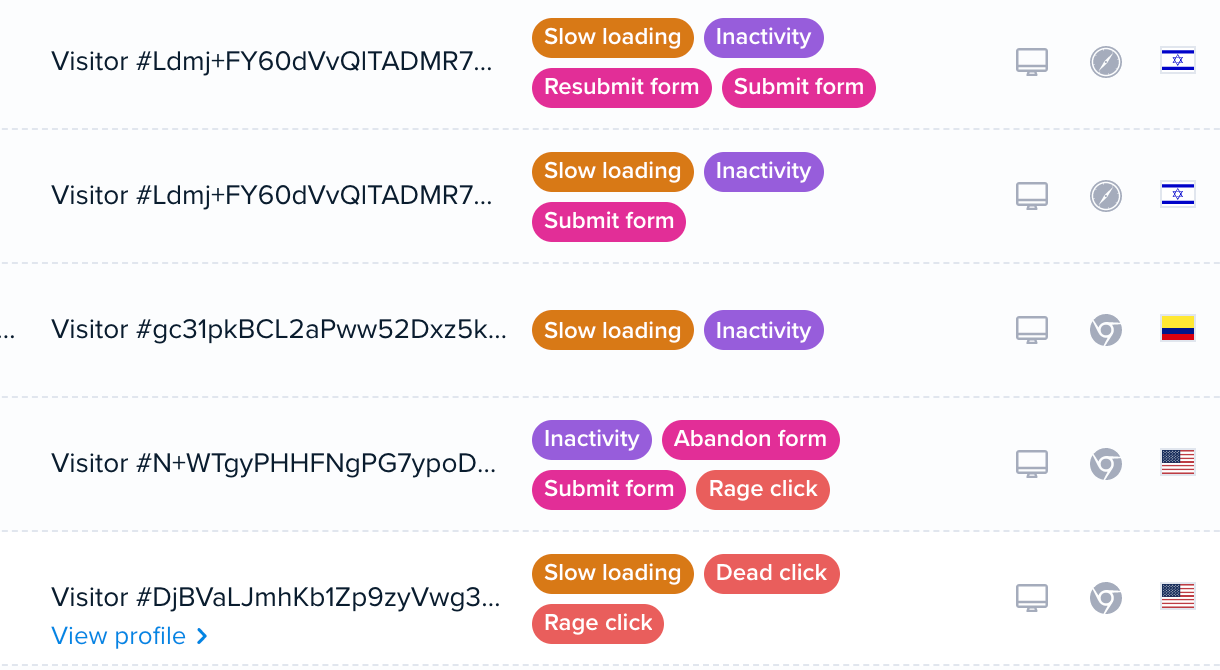
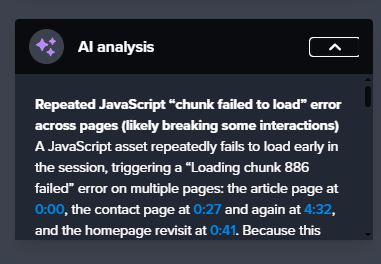
Fullstory, however, maintains a technical edge in the fidelity of its recordings, particularly for mobile applications. Unlike many tools that rely on periodic screenshots, Fullstory’s "Fullcapture" technology rebuilds sessions from view hierarchies. This makes it an essential tool for developers working on native iOS, Android, React Native, and Flutter apps. Fullstory also captures a wider set of technical signals, including network errors and abandoned forms, making it a superior choice for technical troubleshooting and "debugging" the user experience.
The Experimentation Gap: A/B Testing and Personalization
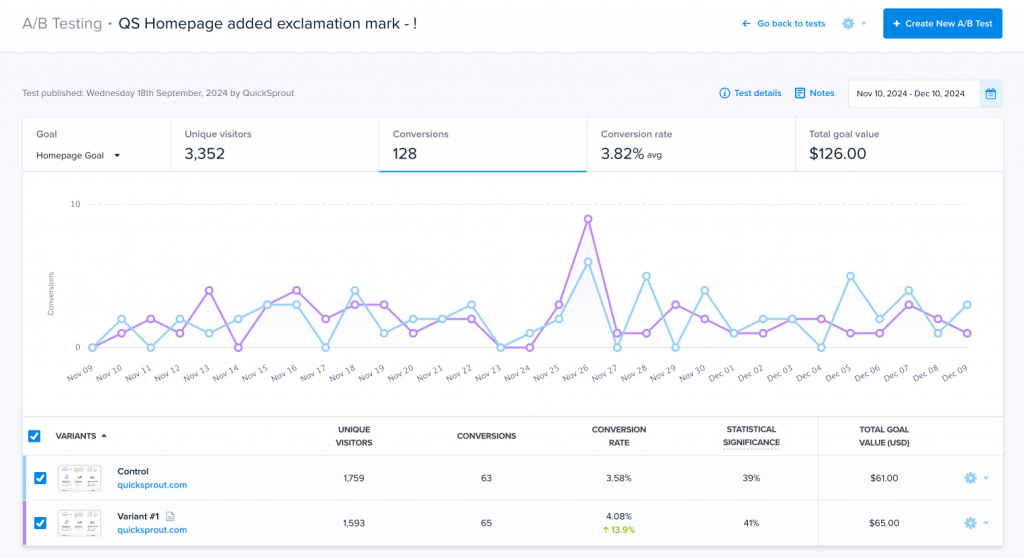
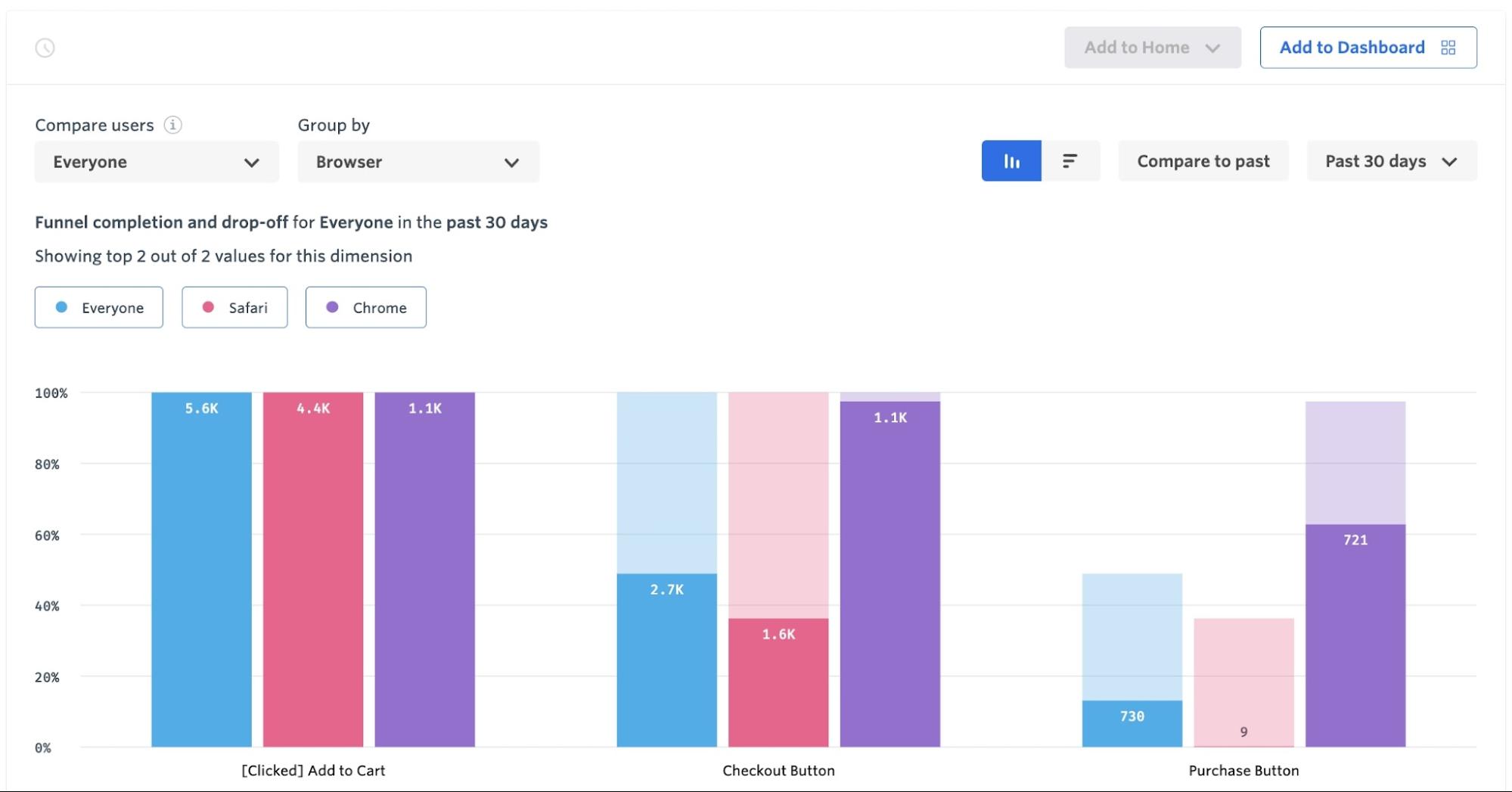
The most stark divergence between the two platforms lies in their approach to experimentation. Crazy Egg includes a native A/B testing suite with a visual editor, allowing marketing teams to launch experiments without developer intervention. The platform utilizes multi-armed bandit traffic allocation, which automatically shifts traffic toward the winning variant during the test, thereby minimizing the "cost" of testing underperforming ideas.
Fullstory does not offer a native experimentation tool. Instead, it relies on "Fullstory Anywhere," a coordination layer that integrates with third-party platforms like Optimizely, VWO, or AB Tasty. While this allows for deep analysis of external tests, it introduces additional complexity and cost. For a company using Fullstory for experimentation, they must manage two separate vendor contracts and ensure data synchronization between the platforms. For organizations seeking a streamlined "find-and-fix" workflow, Crazy Egg’s integrated approach offers a lower barrier to entry.
Engagement and Feedback Loops
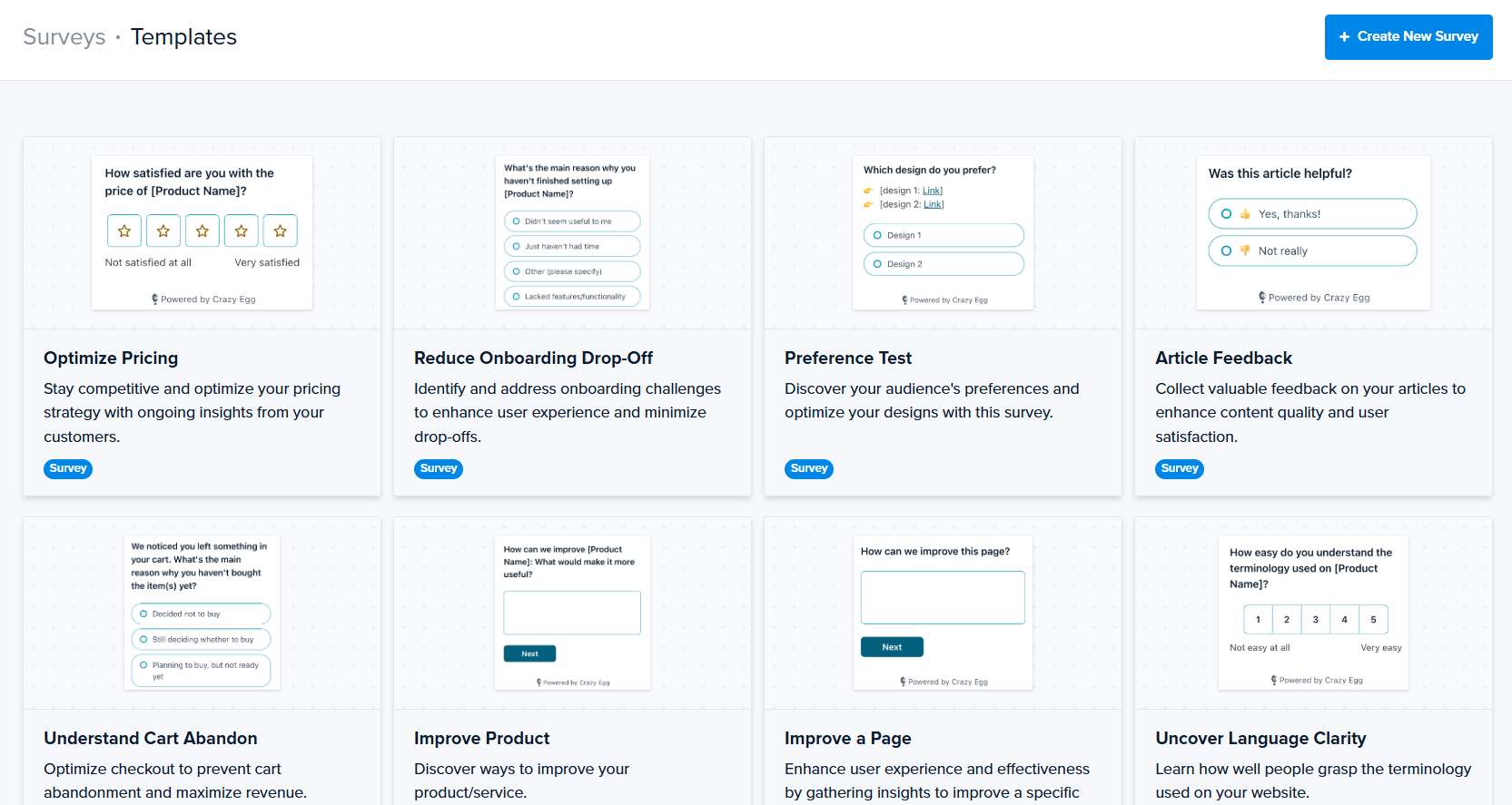
Both platforms have integrated user feedback mechanisms, but their applications target different stages of the user journey. Crazy Egg’s survey tool is designed for rapid feedback collection on websites, offering over 50 templates for NPS, market research, and pricing feedback. These are complemented by "Popup CTAs," which allow marketers to act on insights immediately by triggering bars or popups based on user behavior, such as exit intent or scroll depth.
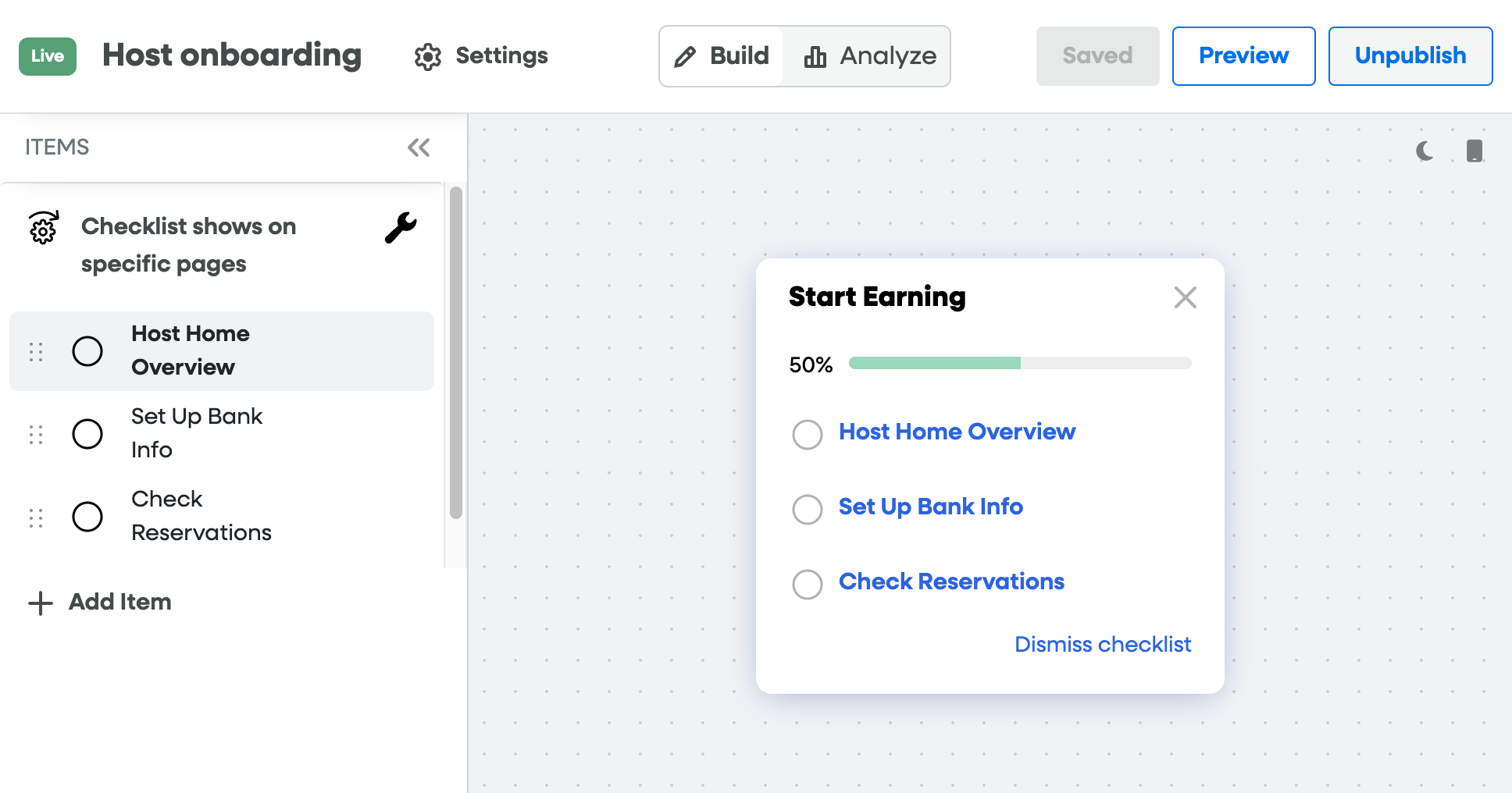
Fullstory’s engagement features, powered by its Usetiful acquisition, are more sophisticated and geared toward product-led growth. Rather than simple popups, Fullstory enables the creation of multi-step onboarding tours, checklists, and hotspot beacons. These are designed to improve product adoption and feature discovery within complex software-as-a-service (SaaS) environments.
Artificial Intelligence and Agentic Workflows
As of 2024, both companies have aggressively integrated AI to handle the "data deluge" inherent in behavioral analytics. Crazy Egg has introduced "Tasks," currently in early access, which represents a shift toward agentic workflows. These AI agents can theoretically manage the entire optimization loop: identifying an underperforming page, analyzing the heatmap, generating a hypothesis, and drafting an A/B test variant.
Fullstory’s AI suite, "StoryAI," focuses on conversational analysis. Built on Google’s Gemini, "Ask StoryAI" allows users to query their data using natural language. Additionally, Fullstory provides "StoryAI Opportunities," which automatically surfaces friction points in the user journey and ranks them by their projected revenue impact. Both platforms now support the Model Context Protocol (MCP), allowing data to be exported and analyzed directly within external AI assistants like Claude or ChatGPT.
Security, Compliance, and Data Sovereignty
In an era of heightened privacy regulation, both platforms have invested heavily in compliance. Crazy Egg and Fullstory are both GDPR, CCPA, and HIPAA compliant. However, their administrative controls differ. Crazy Egg provides role-based access control (RBAC) on every plan, ensuring that team members only see data relevant to their specific domains.
Fullstory offers a more robust enterprise security stack, including SOC 2 Type 2 and SOC 3 certifications, along with five ISO certifications. For global enterprises, Fullstory provides the option for EU data residency, a critical requirement for many European organizations. However, it should be noted that advanced security features like SAML SSO and RBAC are restricted to Fullstory’s Enterprise tier.
Financial Analysis and Total Cost of Ownership (TCO)
The pricing models of the two platforms reflect their target markets. Crazy Egg maintains transparent, tiered pricing ranging from $29 to $599 per month when billed annually. This predictability is highly valued by small-to-medium businesses (SMBs) and agencies.
Fullstory utilizes a "quote-only" model for its paid tiers. Market data from procurement platforms like Vendr suggests that the median annual contract value for Fullstory is approximately $28,000, with enterprise deployments often exceeding $100,000. When factoring in the additional cost of a third-party A/B testing tool (which Crazy Egg includes), the TCO for a Fullstory-based stack can be five to ten times higher than a Crazy Egg implementation.
Strategic Implications and Final Verdict
The decision between Crazy Egg and Fullstory should be guided by the nature of the digital asset being optimized and the composition of the team using the tool.
Crazy Egg is the optimal choice for:
- Marketing teams and CRO specialists focused on website conversion.
- Organizations requiring an integrated, low-friction A/B testing environment.
- Agencies managing multiple client domains who need transparent, predictable pricing.
- Users who prioritize long-term data retention for seasonal behavioral analysis.
Fullstory is the optimal choice for:
- Product managers and engineering teams managing complex web or mobile applications.
- Enterprises that require high-fidelity technical debugging and network-level error tracking.
- Organizations with the budget to maintain a best-of-breed stack involving separate analytics and experimentation vendors.
- Teams focused on in-app onboarding and long-term user retention strategies.
Ultimately, Crazy Egg serves as a comprehensive "growth engine" for websites, while Fullstory acts as a "diagnostic laboratory" for digital products. As the digital economy continues to mature, the ability to not just see what users are doing, but to understand the "why" behind their actions and test solutions in real-time, will remain the primary competitive advantage for any online business.







