Neng Nana

Generative Engine Optimization (GEO) has swiftly emerged as one of the most critical disciplines in the modern public relations and digital marketing landscape, yet it presents a unique set of challenges regarding measurement and accountability. As traditional search engines evolve into generative AI interfaces, the strategies used to track brand visibility must also undergo a fundamental transformation. Unlike legacy search engine optimization (SEO), where tools like Google Search Console provide transparent data on impressions, clicks, and keyword rankings, the world of Large Language Models (LLMs) operates largely as a "black box."
Michael Lamp, the chief digital and transformation officer at the communications agency Hunter, emphasizes that the industry is currently at a crossroads. The primary hurdle is the lack of direct access to user query data from AI platforms like ChatGPT, Claude, or Perplexity. Because these platforms do not yet offer a comprehensive dashboard for brands to see exactly what users are asking or how often their brand is mentioned in private chats, practitioners must find creative, indirect ways to quantify their impact.
The Shift from SEO to GEO: A Strategic Evolution
The transition from SEO to GEO represents a shift from optimizing for algorithms that rank web pages to optimizing for algorithms that synthesize information. In the traditional search model, a user enters a query and receives a list of links. In the generative model, the AI digests vast amounts of data to provide a cohesive, conversational answer. For PR professionals, this means that simply "ranking" is no longer enough; the brand must be integrated into the narrative of the AI’s response.
The urgency behind mastering GEO measurement is driven by the rapid adoption of AI-assisted search. Recent industry data suggests that nearly 40% of younger demographics are increasingly using social media and AI tools as their primary search interfaces rather than traditional search engines. This shift necessitates a new framework for measuring success—one that prioritizes brand presence within the synthetic outputs of LLMs.
Understanding the Measurement Challenge
The fundamental difficulty in GEO measurement lies in the proprietary nature of LLM data. As Michael Lamp explains, practitioners cannot simply ask an AI for a list of the top ten questions people are asking about a brand on any given day. This data is not currently public or accessible via standard APIs in a way that serves the needs of PR measurement.
To circumvent this, experts suggest a "proxy-based" approach. This involves gathering data from adjacent sources and using it as a foundational benchmark. By leveraging Google Trends and sophisticated social listening tools, brands can identify the recurring questions, pain points, and topics of interest within their specific category. These identified terms then serve as the "benchmark terms" for manual or automated testing within generative engines.
The Two Pillars of GEO Measurement: Visibility and Citation
To bring structure to this new frontier, Lamp categorizes day-to-day GEO measurement into two primary buckets: visibility and citation. Each serves a distinct purpose in evaluating how a brand is perceived by artificial intelligence.
1. Visibility and Share of Voice
Visibility measurement focuses on whether a brand appears in an AI-generated answer at all. This is often quantified through a "mention rate"—the percentage of responses to a set of category-specific queries that include the brand’s name. However, simple presence is not the only metric that matters. The position of the mention within the response is a critical factor for effectiveness.
Data indicates that users of generative AI tend to focus on the first few sentences of a response. If a brand is mentioned in the bottom third of a lengthy AI answer, the practical value of that mention decreases significantly. Therefore, PR teams must track not just the frequency of mentions, but the "rank" of those mentions within the generated text.
2. Citation and Source Authority
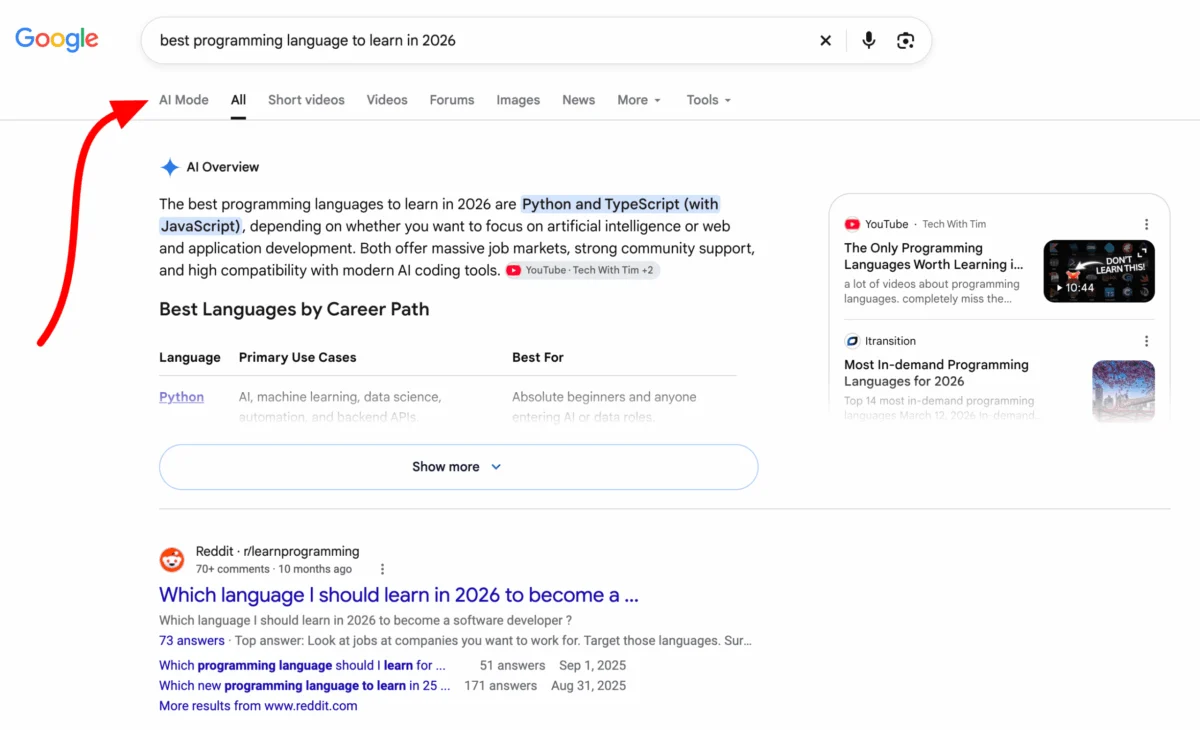
The second bucket, citation, examines which sources the AI is using to build its answers. Many generative engines, such as Perplexity and Google’s AI Overviews, provide links or footnotes to the sources they synthesized. For a PR professional, seeing a brand’s earned media coverage or its own newsroom cited as a source is the "gold standard" of GEO success. It validates that the PR strategy is successfully feeding the LLM’s training data or its real-time retrieval-augmented generation (RAG) processes.

A Chronology of the GEO Movement
The rise of GEO can be traced through several key milestones in the last two years:
- November 2022: The launch of ChatGPT marks the beginning of mainstream generative AI usage, forcing brands to realize that their online presence is being summarized by machines.
- Early 2023: Search engines like Bing integrate GPT-4, and Google announces its Search Generative Experience (SGE). PR agencies begin forming dedicated "AI Task Forces."
- Late 2023: The term "Generative Engine Optimization" is coined as researchers from Princeton, Georgia Tech, and IIT Delhi release papers suggesting that traditional SEO tactics are insufficient for AI models.
- 2024: Major PR firms, including Hunter, formalize GEO measurement frameworks, moving away from experimental testing toward structured reporting for clients.
Supporting Data and Industry Implications
The necessity for GEO measurement is backed by shifting consumer behaviors. According to a 2024 Gartner report, it is predicted that traditional search engine volume will drop by 25% by 2026 as consumers turn to AI chatbots and other generative agents. This represents a massive shift in how "top-of-funnel" awareness is generated.
Furthermore, a study on GEO performance found that including authoritative citations and statistics within brand-owned content increased the likelihood of being mentioned by an LLM by nearly 30%. This data underscores the importance of high-quality, factual PR content over keyword-stuffed marketing copy.
Official Responses and Professional Perspectives
The shift toward GEO has prompted various reactions from the communications industry. While some see it as a threat to traditional media relations, many leaders view it as a natural extension of brand authority.
"We have to stop thinking about search as a destination and start thinking about it as a conversation," says one industry analyst. "GEO is essentially PR for machines. If you can convince the AI that your brand is the most credible source in a category, you win the conversation."
Agencies like Hunter are leading the charge by integrating digital transformation into the core of their PR offerings. The consensus among digital transformation officers is that while the tools for measurement are still being built, the strategy must be implemented immediately. Waiting for perfect data means ceding ground to competitors who are already optimizing their digital footprint for LLMs.
Broader Impact: The Future of Earned Media
The implications of GEO extend far beyond simple measurement. It is fundamentally changing the way PR content is produced. To be "readable" by an AI, content must be structured, factual, and highly relevant. This is leading to a resurgence in the importance of white papers, detailed FAQ sections, and authoritative press releases that provide clear answers to complex questions.
Moreover, GEO is forcing a closer collaboration between PR and SEO departments. In many organizations, these two functions operated in silos. However, because LLMs rely on high-quality web content (SEO) and reputable media mentions (PR), these teams must now align their strategies to ensure the brand’s "digital twin" is accurate and positive.
Strategic Recommendations for Getting Started
For brands looking to initiate their GEO measurement journey, the following steps are recommended:
- Establish a Baseline: Use a set of 20–50 core "category questions" and manually prompt major LLMs to see how your brand currently ranks.
- Monitor Sentiment: Beyond simple mentions, analyze the tone the AI uses when discussing your brand. Is it being framed as a budget option, a premium leader, or a problematic entity?
- Optimize the Source Material: Ensure that your website’s "About" page, Wikipedia entry, and recent press releases are clear, concise, and full of the factual data that LLMs prefer.
- Invest in Social Listening: Use tools to track what real people are asking on Reddit, Quora, and TikTok, as this "human data" often mirrors the queries being fed into AI engines.
As the digital ecosystem continues to shift, the ability to measure and influence how AI perceives a brand will become a primary differentiator in the marketplace. While the "black box" of LLM data remains a challenge, the frameworks of visibility and citation provide a clear path forward for PR professionals ready to navigate the era of generative search. The goal is no longer just to be found, but to be understood and recommended by the most powerful information-processing tools ever created.

 Azzam Bilal Chamdy

 Ammar Sabilarrohman