rifanmuazin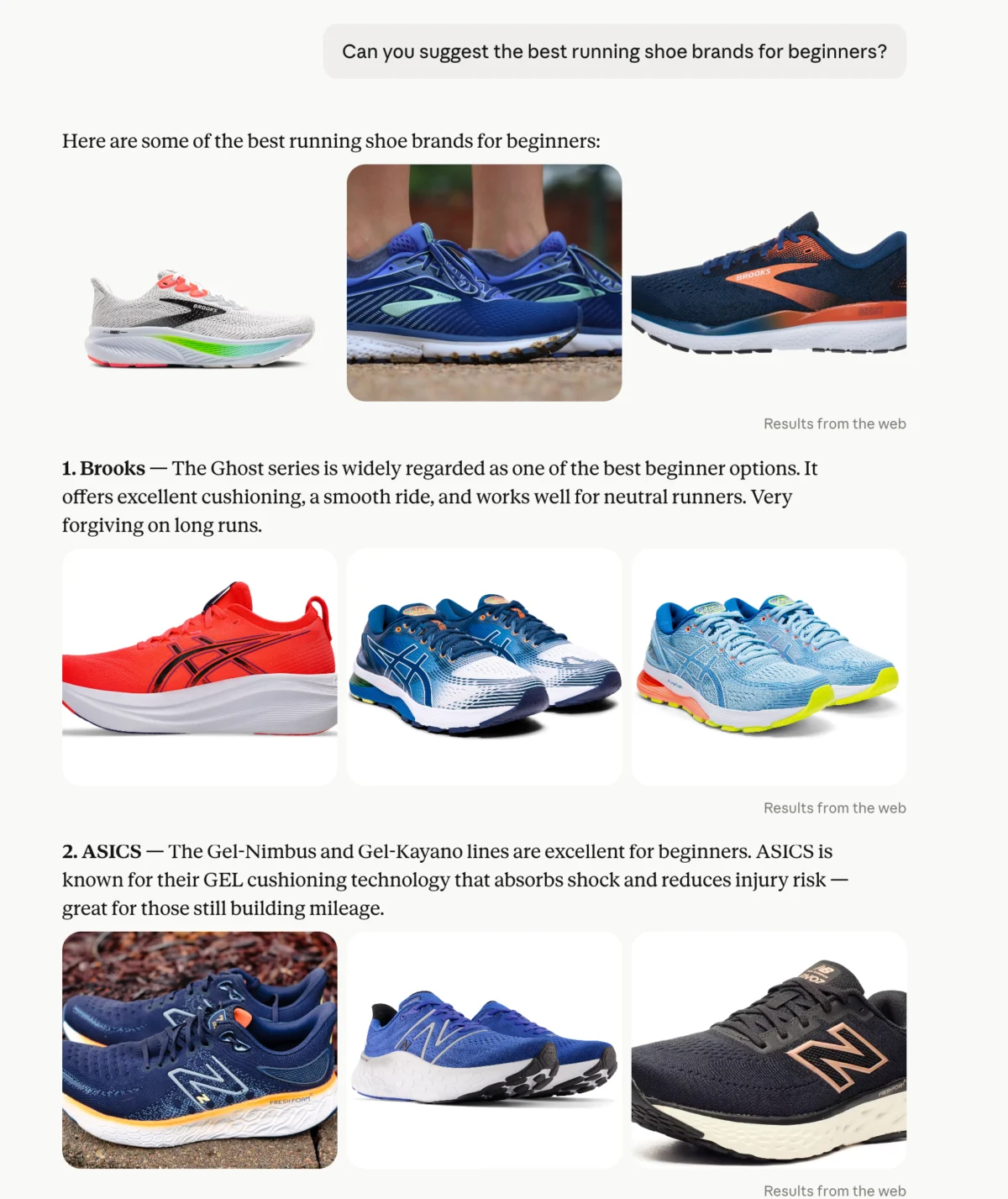
When a brand name surfaces in an AI-generated response, it can feel like a significant win for visibility. However, in the rapidly evolving landscape of AI search and large language model (LLM)-driven discovery, a critical distinction must be made: Is your brand being merely mentioned, or is it being cited? Understanding the difference between AI brand mentions and AI citations is paramount for effective SEO and strategic brand management in the era of artificial intelligence. This differentiation holds significant implications for how businesses measure their digital footprint and cultivate authority within AI ecosystems.
The Genesis of AI in Search and Discovery: A Paradigm Shift
The integration of artificial intelligence into search engines and information retrieval systems has marked a profound shift in how users access and interact with digital content. Historically, search engines like Google relied heavily on keyword matching and backlink profiles to rank web pages, presenting users with a list of blue links. The advent of sophisticated AI models, such such as Google’s RankBrain (2015), BERT (2019), and MUM (2021), gradually introduced a deeper semantic understanding of queries. These developments paved the way for generative AI, exemplified by platforms like ChatGPT, Google Gemini, and Microsoft Copilot, which don’t just list sources but synthesize information into comprehensive, conversational answers.
This evolution, particularly in the last two to three years, has transformed the user experience. Instead of sifting through multiple web pages, users are increasingly receiving direct, summarized answers from AI tools. This shift presents both opportunities and challenges for brands. While it offers a new avenue for discoverability, it also necessitates a re-evaluation of traditional SEO strategies. Brands must now contend with “AI visibility” – their presence and recognition within these AI-generated summaries and responses – as a core metric for success. The distinction between a mention and a citation becomes central to deciphering the nature and value of this visibility.
Demystifying AI Brand Mentions: The Reach of Recognition
An AI brand mention occurs when an AI tool incorporates a brand’s name within its generated response, recommendation, comparison, or summary. These mentions can be either “explicit” (linked directly to the brand’s website or profile) or “implicit” (unlinked, appearing as plain text). The primary value of a brand mention lies in fostering brand awareness and establishing category relevance. It signifies that the AI recognizes the brand as pertinent to a user’s query, even if it doesn’t directly attribute specific information to that brand’s content.
AI systems typically generate brand mentions in several conversational contexts:
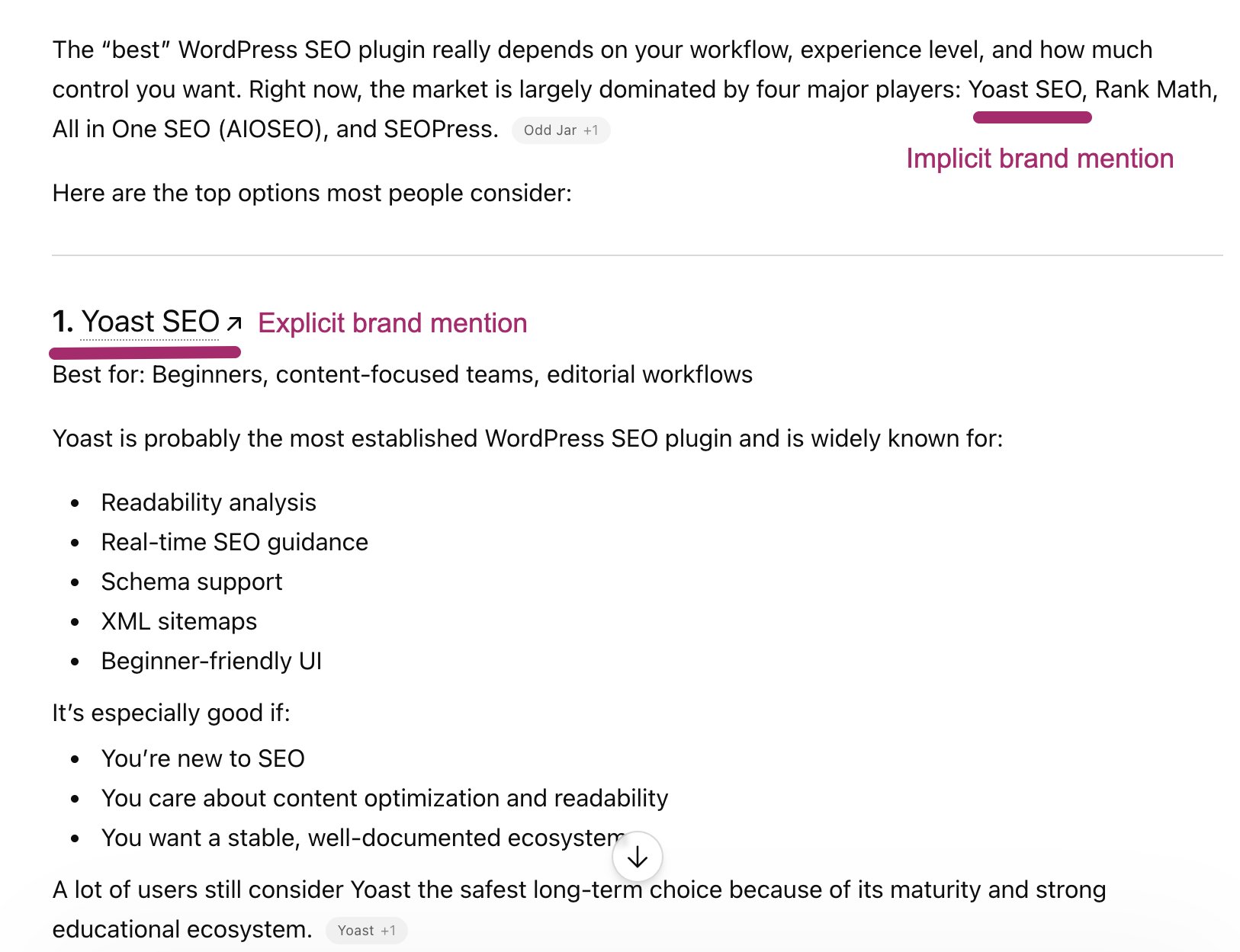
- Direct Recommendations: When a user explicitly seeks solutions or tools (e.g., “What are the best CRM software options?”), AI may directly suggest brands that fit the criteria. This positions the brand as a viable option in the user’s consideration set.
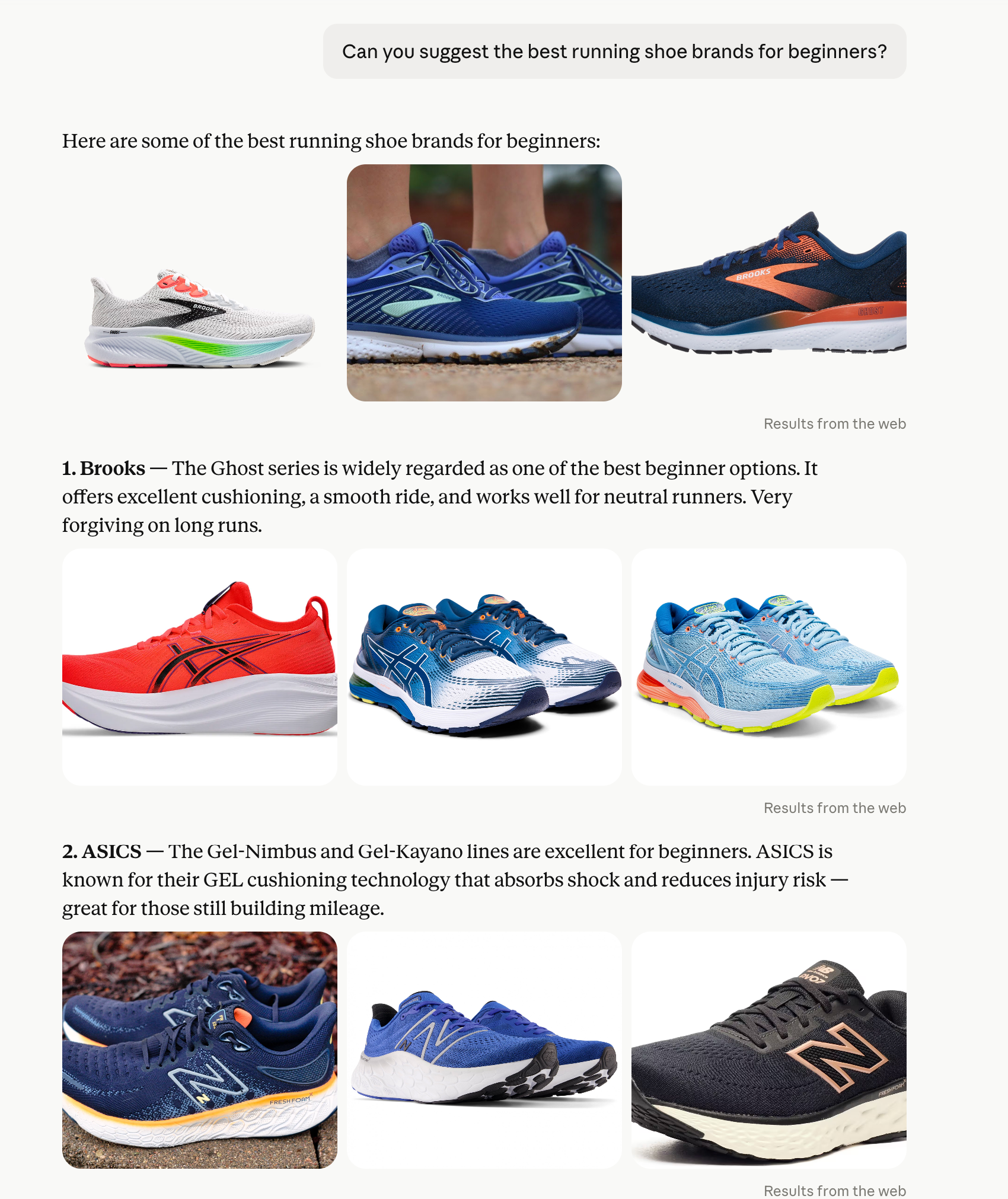
- Product/Service Comparisons: In scenarios where users are weighing alternatives (e.g., “Compare Project Management Tool A and Tool B”), AI may mention brands while outlining their features, pricing, or use cases. This places the brand within a competitive landscape.
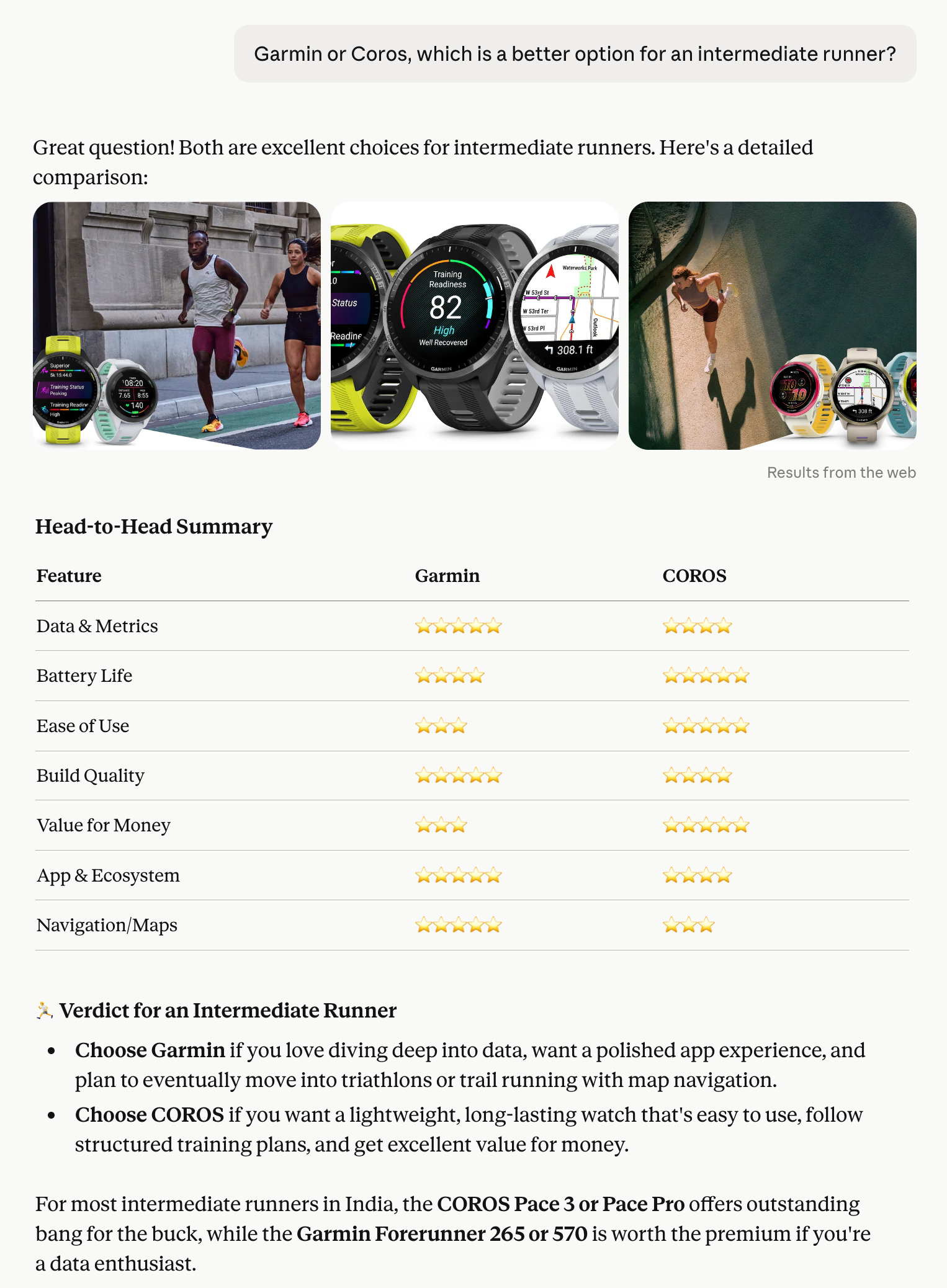
- Illustrative Examples: AI often uses brands as concrete examples to explain broader concepts, industry trends, or workflows (e.g., “How do e-commerce platforms handle inventory?”). These mentions provide practical context, making explanations more tangible for users.
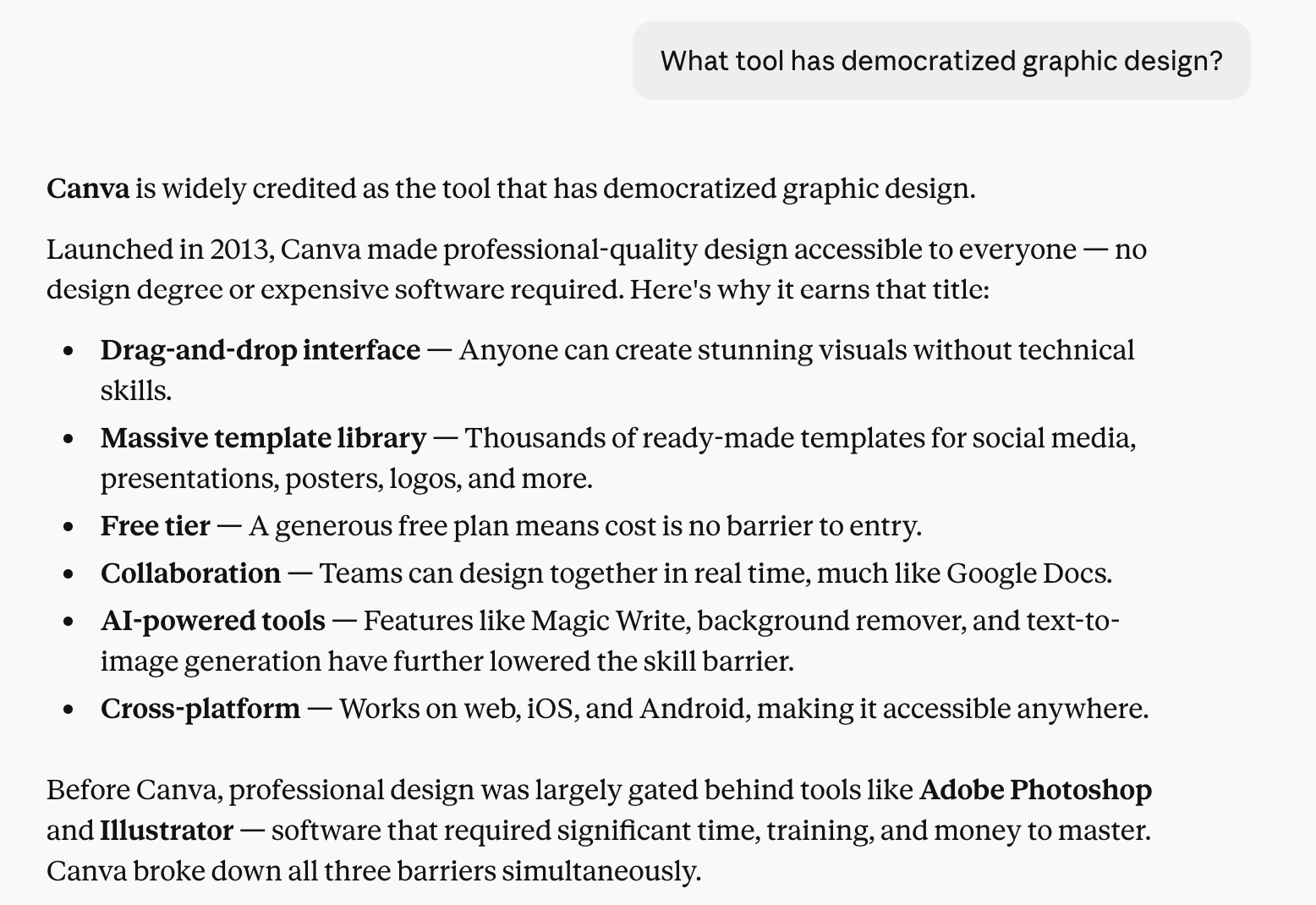
- Contextual References: Brands can naturally emerge in broader discussions about a specific topic or industry, reinforcing their topical relevance without being overtly promotional. For instance, discussing “social media marketing tools” might naturally bring up a leading platform.
The presence of a brand mention signals to a brand that it is part of the AI’s learned knowledge base and is deemed relevant to certain user inquiries. While it may not always drive direct traffic, it significantly contributes to mindshare and positions the brand favorably in the emerging AI-driven discovery funnel.
The Algorithmic Engine: How LLMs Determine Mentions
Large language models do not “choose” brands in a human-like manner; rather, they generate responses based on complex patterns, probabilities, and signals derived from their vast training datasets and real-time information retrieval. Several critical factors influence whether a brand is mentioned:
-
Training Data Patterns: LLMs are trained on enormous datasets encompassing billions of web pages, books, and other text sources. Brands that frequently appear alongside specific topics, use cases, or problems in this data develop strong associations. However, it’s not merely about frequency; the context in which a brand appears is equally crucial. Brands mentioned across diverse, relevant contexts build more robust and flexible associations, increasing their likelihood of surfacing in varied queries.
-
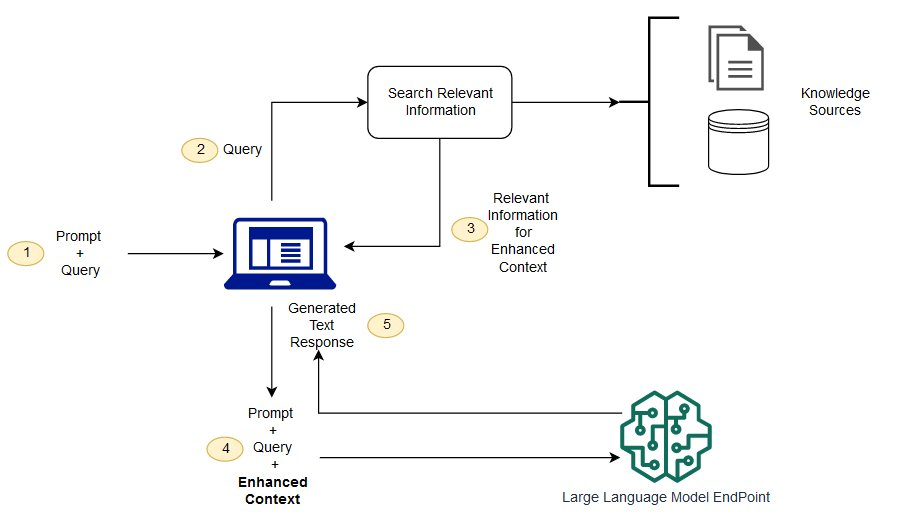
Retrieval-Augmented Generation (RAG): Many contemporary AI systems enhance their core training data with RAG, a technique that allows them to retrieve up-to-date information from external sources (like the live web or proprietary databases) in real-time. When a user submits a query, the RAG system first identifies and fetches relevant external documents. The LLM then integrates this new information with its existing knowledge to generate a more current and accurate response. For brands, this means that even if their core training data is older, recent and well-indexed content can still influence AI responses.
-
Context and Semantic Understanding: LLMs transcend simple keyword matching, employing Natural Language Processing (NLP) to interpret the user’s intent and the semantic meaning of a query. They convert text queries into vector embeddings, allowing them to find semantic similarities and return conceptually relevant answers. For example, a query about “tools for remote teams” might semantically connect to project management, video conferencing, or collaboration software. Brands that consistently position themselves with clear entity definitions and semantic links to relevant concepts, use cases, and terminology are more likely to be recognized and mentioned.
-
Authority and Cross-Source Validation: AI systems prioritize information from authoritative and trustworthy sources. They validate claims by cross-referencing patterns across multiple sources and assigning weight to the credibility of those sources. The E-E-A-T framework (Experience, Expertise, Authoritativeness, and Trustworthiness) remains highly relevant in this context. Brands consistently referenced across reputable, independent platforms (e.g., industry publications, academic papers, expert reviews) are deemed more reliable. This highlights the growing importance of public relations, earned media, and third-party endorsements in cultivating AI visibility.
-
Relevance to the Query: Fundamentally, an AI system will only mention a brand if it deems it a strong, pertinent answer to the user’s query. This involves aligning the brand with the specific use case, target audience, or problem the user is trying to solve. Nuances such as “best for small businesses” or “ideal for creative professionals” are often factored in, demonstrating the AI’s ability to match brand attributes to specific user needs.
-
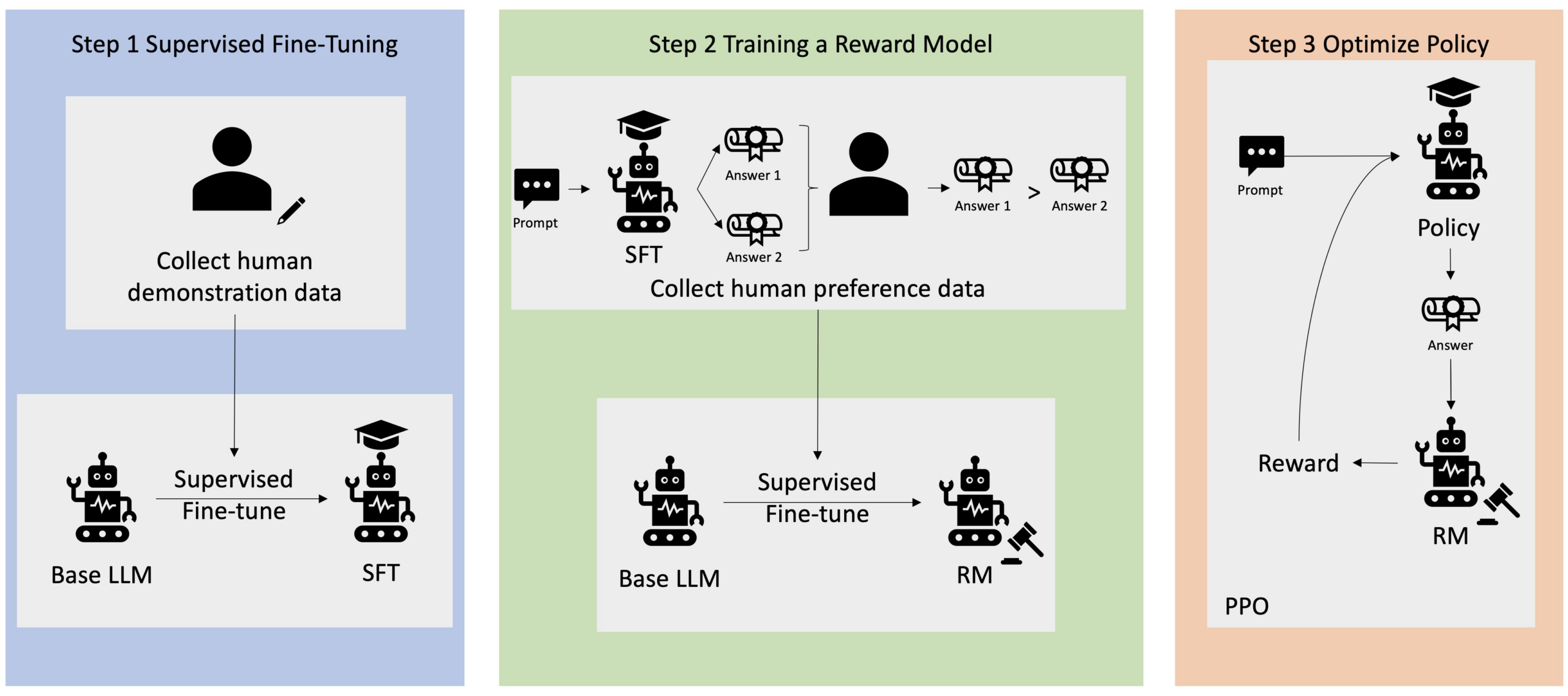
Sentiment and Human Feedback (RLHF): LLMs are continuously refined through Reinforcement Learning from Human Feedback (RLHF). Human evaluators review AI-generated responses, providing guidance on accuracy, helpfulness, harmlessness, and overall quality. If a brand is consistently associated with negative sentiment or unreliable information across its online presence, the AI may learn to deprioritize or avoid mentioning it. Conversely, brands that appear in neutral or positive contexts, and whose information is consistently validated, are more likely to be included, as RLHF helps align AI outputs with human expectations of quality and trust.
AI Citations: The Bedrock of Trust and Attribution
While mentions build awareness, AI citations serve a distinct and equally vital function: they attribute specific information or data to its source, often accompanied by a direct link or reference. A citation indicates that the AI has drawn a particular piece of information, a fact, or a statistical point directly from the cited content. This is analogous to academic referencing, where sources are credited to validate claims and allow users to verify information.
The table below summarizes the key differences between AI brand mentions and AI citations:
| Aspect | AI Brand Mention | AI Citation |
|---|---|---|
| Definition | Brand name appears within the AI response | AI attributes specific information to your content |
| Format | Naturally integrated text (linked or unlinked) | URL, footnote, inline source reference, or explicit credit |
| Signal | Brand awareness, category relevance | Authority, credibility, trustworthiness, factual backing |
| Impact | Builds mindshare, top-of-mind recall | Acts as proof of expertise, validates information |
| Traffic Potential | Indirect, through increased brand recognition | Direct, via clickable links or attributed sources |
| Frequency | Generally more common across varied AI responses | Less common, more competitive, requires strong content |
| Appearance | Across most LLMs, even without live web access | More prevalent in systems with retrieval or web access |
| Optimization Focus | PR, earned media, third-party mentions, community presence | Create citation-worthy content, structured data, original research, E-E-A-T |
| Example | “Brand X is a popular CRM software” | “According to [Source URL], Brand X’s report indicates…” |
It is crucial to note that AI citations are distinct from traditional backlinks. While backlinks are primarily an SEO mechanism for passing “link juice” and influencing search engine rankings, AI citations are about attribution and validation. A citation may include a link, but its core purpose is to establish credibility for the information provided, allowing users (and the AI itself) to trace the source of a fact or statement.
Strategic Imperatives: Optimizing for Dual AI Visibility
For brands navigating the AI-powered discovery landscape, the most effective strategy is to optimize for both mentions and citations. This dual approach ensures broad brand recognition while simultaneously building deep trust and authority.
-
Cultivate Mention-Worthy Content: Create content that naturally lends itself to being mentioned in various AI contexts. This includes thought leadership pieces, comprehensive guides, practical “how-to” articles, industry commentary, and opinion pieces that contribute new perspectives to conversations. Content that solves user problems and is highly shareable across communities, blogs, and social platforms increases the likelihood of organic mentions.
-
Produce Citation-Worthy Content: To earn citations, brands must publish content that is highly credible, factual, and demonstrates deep expertise. This means investing in original research, publishing proprietary data, creating detailed case studies, expert interviews, and authoritative whitepapers. Content that adheres strictly to E-E-A-T principles—showcasing genuine experience, undeniable expertise, clear authoritativeness, and unwavering trustworthiness—is more likely to be referenced by AI systems seeking to validate information. Structured data (e.g., schema markup) can also help AI systems understand the factual nature of your content.
-
Prioritize AI-Friendly Content Structures: Design content with AI summarization in mind. Use clear headings, bullet points, concise definitions, and direct answers to common questions. FAQs sections, clearly demarcated sections, and structured arguments make it easier for AI to extract key information and integrate it into its responses.
-
Target Evaluative Queries: Develop content specifically addressing “best of,” “alternatives to,” or “X vs. Y” type queries. These comparison pages or review articles provide AI with direct context for recommending or evaluating your brand against competitors.
-
Strengthen Holistic Authority Signals: Beyond on-site SEO, actively build brand authority through public relations, earned media, and expert contributions to industry publications and podcasts. Consistent mentions across a wide array of credible, independent sources significantly boost an AI’s confidence in your brand’s relevance and trustworthiness.
-
Ensure Entity Clarity and Consistency: Maintain a consistent brand message, positioning, and description across all online touchpoints—your website, social media profiles, press releases, and third-party listings. When an AI system encounters a clear, uniform understanding of what your brand does and who it serves, it can more accurately associate your brand with relevant queries.
-
Maintain Content Freshness and Accuracy: Especially for rapidly evolving topics, regularly update cornerstone content and key informational pages. Outdated information can diminish a brand’s authority in the eyes of AI systems, which often prioritize the most current and reliable data.
-
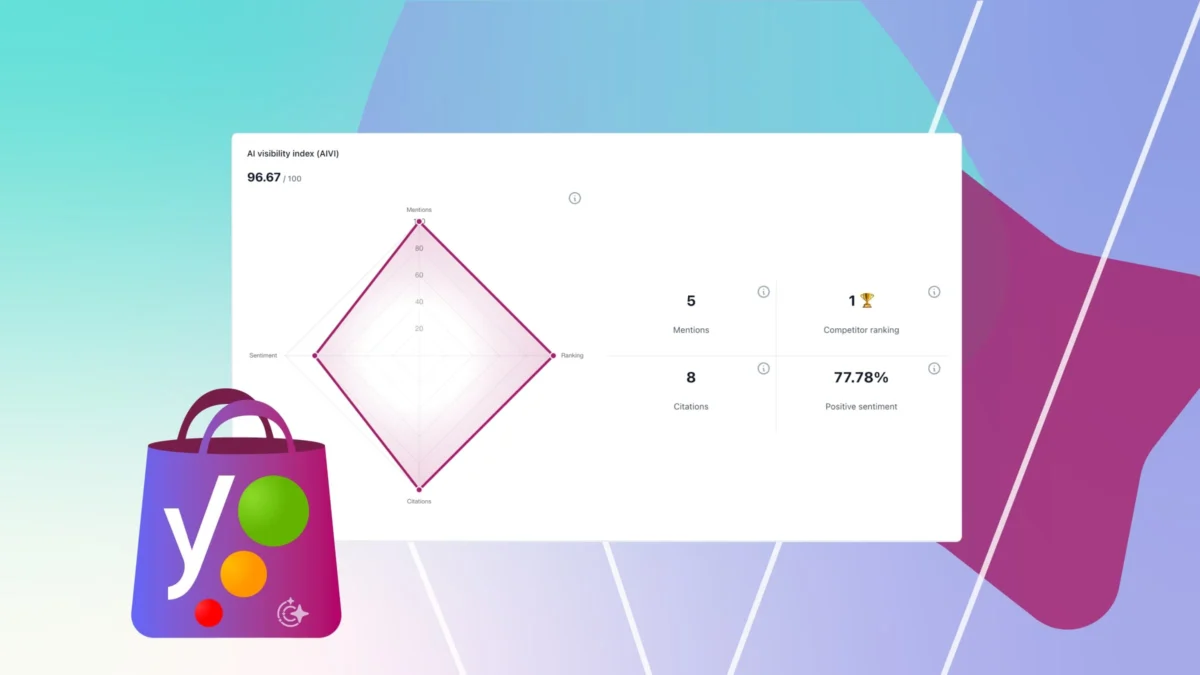
Leverage Specialized Analytics: Tracking AI visibility requires tools beyond traditional SEO analytics. Solutions that monitor brand mentions, citations, and overall presence within AI-driven search experiences are becoming indispensable for understanding where visibility is growing and identifying opportunities for improvement.
The Future Landscape: Navigating AI-Powered Discovery
In conclusion, the emerging era of AI-powered search and discovery demands a sophisticated approach to brand visibility. Both AI brand mentions and AI citations play distinct yet complementary roles in this ecosystem. Mentions are crucial for building brand awareness and establishing relevance within specific topics, ensuring a brand is part of the conversational landscape. Citations, on the other hand, are fundamental for cultivating trust, demonstrating authority, and providing verifiable attribution, which can directly drive qualified traffic.
Brands that strategically integrate both aspects into their digital strategy—by consistently producing high-quality, mention-worthy content and authoritative, citation-worthy research, while also cultivating broad, credible external validation—will be best positioned to thrive in an increasingly AI-driven world. As AI systems continue to evolve, the synergy between awareness and trust will define the true measure of a brand’s digital success.