rifanmuazin
The landscape of B2B marketing is undergoing a seismic shift, driven by the rapid integration of artificial intelligence. What once required weeks of laborious manual analysis—deep dives into websites, meticulous Ideal Customer Profile (ICP) mapping, detailed persona development, and extensive competitive research—is now being streamlined by sophisticated AI agents. Heinz Marketing, a prominent player in the marketing strategy and analytics space, has been at the forefront of this transformation, developing proprietary AI agents designed to drastically reduce the time and effort involved in foundational marketing intelligence gathering. The company’s newly highlighted “Target Market Agent” exemplifies this paradigm shift, promising to equip marketing leaders with actionable insights at an unprecedented speed.
For years, the initial engagement phase with a new client or project was characterized by a significant time investment in discovery. This “slow work,” though crucial, often meant that strategic planning and campaign execution were delayed, impacting the speed at which businesses could adapt to market changes. Heinz Marketing recognized this bottleneck and has invested in building AI agents capable of performing this essential groundwork with remarkable efficiency and accuracy. This development is particularly impactful for B2B marketing leaders, including CMOs, VPs of Marketing, and growth strategists, who are constantly pressed to make informed decisions rapidly.
Understanding Agentic AI: Beyond Simple Prompting
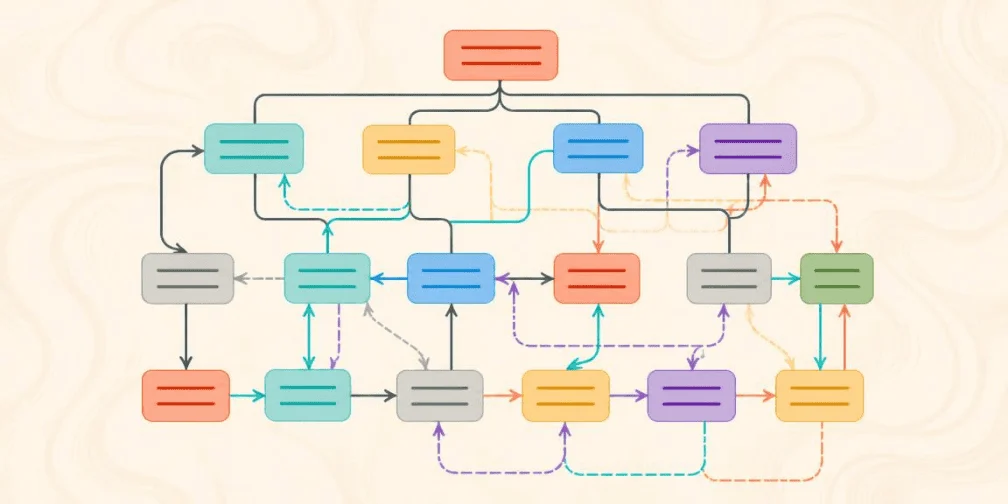
The distinction between conventional AI tools and the “agentic AI” developed by Heinz Marketing is critical. While many AI applications are designed to respond to specific prompts—such as generating text or images—AI agents operate on a more complex, goal-oriented framework. An agent is programmed to understand a broader objective, break it down into actionable tasks, independently gather necessary information from various sources, analyze that information through a reasoning process, and ultimately produce a structured, comprehensive output.
This capability can be analogized to the difference between delegating a single document summary to a junior analyst versus tasking a senior analyst with producing a full marketing intelligence brief for a new client by a set deadline. The AI agent functions as the latter, capable of navigating entire websites, synthesizing information from multiple pages, identifying subtle patterns, drawing logical inferences, and organizing findings into a coherent and actionable report. This level of autonomy and analytical depth is what makes agentic AI a game-changer for data-intensive fields like B2B marketing.
The implications for B2B marketers are profound. Their work inherently relies on a deep understanding of complex markets, nuanced buyer behaviors, and intricate competitive landscapes. Historically, acquiring this understanding demanded significant human capital and time upfront. Agentic AI promises to accelerate this raw intelligence-gathering phase, liberating marketing teams to focus on higher-level strategic thinking and execution.
The Target Market Agent: A New Era of Marketing Intelligence
Heinz Marketing’s Target Market Agent is specifically engineered to address the core analytical requirements of any B2B marketing initiative. Its design prioritizes consistency, structure, and repeatability, ensuring that every engagement benefits from a standardized and high-quality intelligence foundation. The agent is equipped to handle a range of critical tasks that form the bedrock of effective marketing strategy.
The output of the Target Market Agent adheres to a refined “Marketing Intelligence Summary” framework, a methodology honed over years of client engagements at Heinz Marketing. This comprehensive summary typically encompasses:
- Company Positioning: Analyzing how a company presents itself in the market and its perceived unique selling propositions.
- Product Value Propositions: Deconstructing the core benefits and advantages offered by a company’s products or services.
- Target Segments: Identifying and detailing the specific market segments that a company aims to reach.
- Decision-Maker Personas: Developing in-depth profiles of the key individuals involved in purchasing decisions, including their roles, motivations, and pain points.
- Messaging Themes: Extracting and analyzing the recurring themes and language used in a company’s communications.
- Calls-to-Action Analysis: Evaluating the effectiveness and types of calls-to-action employed to drive engagement and conversion.
This structured output is not merely informational; it is designed to be immediately actionable, providing a solid brief for strategy teams to build upon.
The Strategic Imperative: Why Speed and Accuracy Matter
The development of the Target Market Agent directly addresses a long-standing challenge in marketing: the inverse relationship between the criticality and the speed of initial analysis. Getting the foundational market understanding wrong can lead to flawed messaging frameworks, misdirected content strategies, and inefficient campaign targeting. Conversely, achieving accurate insights but at a glacial pace can result in missed market opportunities and a prolonged time-to-market for strategic initiatives.
Heinz Marketing set an ambitious goal for the Target Market Agent: a 70% reduction in the time required for initial discovery and analysis. This is not a marginal improvement; it represents a fundamental acceleration of the marketing workflow, moving from the “new client signed” phase to a fully formed strategic plan in a fraction of the time.
Beyond speed, the agent introduces a vital element of consistency. Human analysts, by their nature, can approach the same task with different methodologies, focusing on different aspects or asking different questions. This can lead to variations in the depth and breadth of analysis, and potentially, to overlooked details. The Target Market Agent, however, applies a rigorous and standardized framework consistently to every analysis. This ensures that no critical element is missed and that every client brief starts from an identical, high-quality baseline of intelligence.
The Mechanics of Building Effective Marketing AI Agents
The creation of sophisticated AI agents for marketing analysis is a complex undertaking, far removed from simply crafting a single prompt. Heinz Marketing emphasizes that truly effective agents require several key components to overcome common AI pitfalls like hallucination (generating false information) or missing the broader context. While the specific proprietary algorithms remain confidential, the general principles involve:
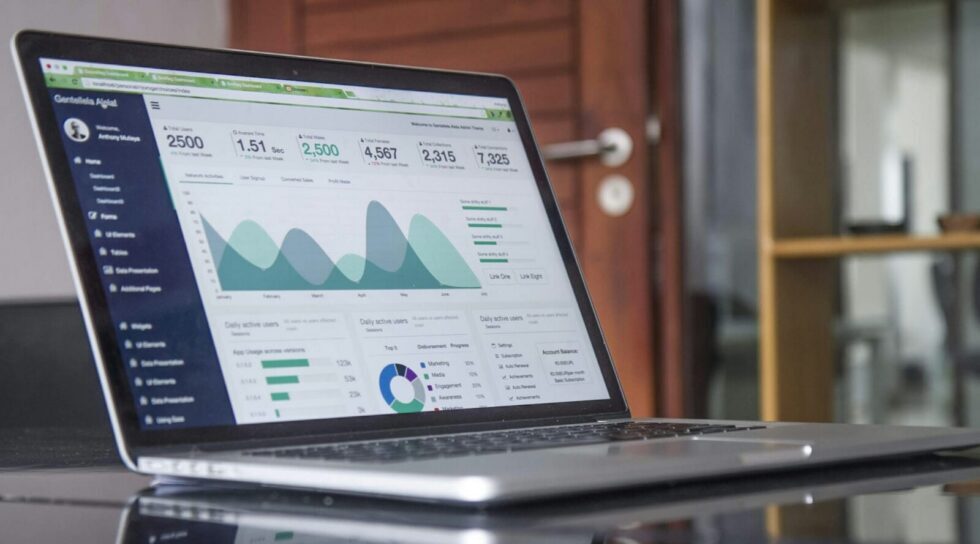
- Advanced Natural Language Processing (NLP): The ability to understand and interpret human language in various forms, including website content, marketing collateral, and industry reports.
- Data Integration and Synthesis: The capacity to pull data from disparate sources (websites, databases, public information) and synthesize it into a cohesive understanding.
- Reasoning and Inference Engines: Sophisticated logic systems that allow the AI to draw conclusions, identify patterns, and make educated inferences based on the gathered data.
- Domain-Specific Knowledge: Training the AI on extensive marketing and business intelligence data to imbue it with industry-specific context and understanding.
- Iterative Refinement and Feedback Loops: Continuous improvement based on real-world performance, client feedback, and ongoing data updates to enhance accuracy and relevance.
These elements collectively enable the AI agent to move beyond simple information retrieval to genuine analytical processing.
Impact for Modern Marketing Leadership
For marketing leaders, the advent of agentic AI presents both an opportunity and a challenge. The question is no longer if AI will transform analysis and strategy, but rather how leaders will leverage it to their advantage.
For CMOs and Brand Strategists: Agentic AI offers the capability to conduct rapid market assessments when exploring new market segments. It allows for more frequent refreshing of ICP and persona data, moving beyond static, annual reviews to dynamic, real-time adjustments. The ability to pressure-test positioning against competitors can be achieved without the multi-week delays previously associated with such deep dives. This translates directly into empowering marketing teams with more agile and responsive intelligence.
For Growth Leaders and Pipeline Managers: Agentic AI ensures that targeting decisions are grounded in current, structured analysis, rather than outdated assumptions. As buying committees evolve and industries shift, the ICP defined during product launch may no longer be the most effective target. AI agents can provide the fresh data needed to adapt these strategies continuously.
For Agencies and Internal Teams: For organizations managing multiple clients or distinct market segments, agentic AI offers a significant scalability advantage. The volume and consistency of analytical work can be expanded without a proportional increase in headcount, and importantly, without necessitating the reduction of existing staff.
The Enduring Value of Human Strategic Insight
While AI agents handle the heavy lifting of data acquisition and initial analysis, Heinz Marketing emphasizes that human strategic judgment remains indispensable. The unique strengths of human strategists lie in areas where AI currently falls short:
- Creativity and Nuance: The ability to connect a company’s product or service to the complex emotional and rational drivers of human buyers.
- Insight Generation: Uncovering the deeper, often non-obvious, insights hidden within the raw data provided by AI.
- Narrative Crafting: Developing compelling stories and messaging that resonate with specific audiences and differentiate a brand.
- Strategic Leap: Translating market observations into a clear, actionable winning strategy.
AI agents are tools that augment, rather than replace, human strategists. They free up valuable time that would otherwise be spent on tedious data collation, allowing strategists to focus on higher-order thinking, advising, and creative innovation. The most effective marketing professionals are those who can harness AI’s analytical power to inform their strategic brilliance.
Heinz Marketing’s Vision for the Future of AI in Marketing
The Target Market Agent is part of a broader suite of AI agents being developed and deployed by Heinz Marketing. The company is not merely exploring AI theoretically; it is actively integrating these tools into its client work, refining their capabilities based on real-world outcomes, and expanding their application as its understanding deepens.
Heinz Marketing posits that the agencies and marketing teams poised for success in the coming years will be those that master the synergy between human strategic acumen and AI-powered analytical efficiency. Neither component is sufficient on its own. A brilliant strategist without swift, reliable data will be hampered by slowness. Conversely, an AI agent without strategic direction will produce outputs devoid of true insight or actionable purpose.
Exploring the Capabilities:
Heinz Marketing is extending an invitation to CMOs, growth leaders, and agency principals to witness the output of the Target Market Agent firsthand. The company proposes discussions on how agentic AI can be integrated into existing marketing operations to enhance speed and effectiveness. Those interested in exploring this transformative approach are encouraged to reach out via email at [email protected].
The message from Heinz Marketing is clear: the intelligence required to excel in today’s market is abundant. The imperative now is to leverage these advanced tools to unlock its full potential.