
 rifanmuazin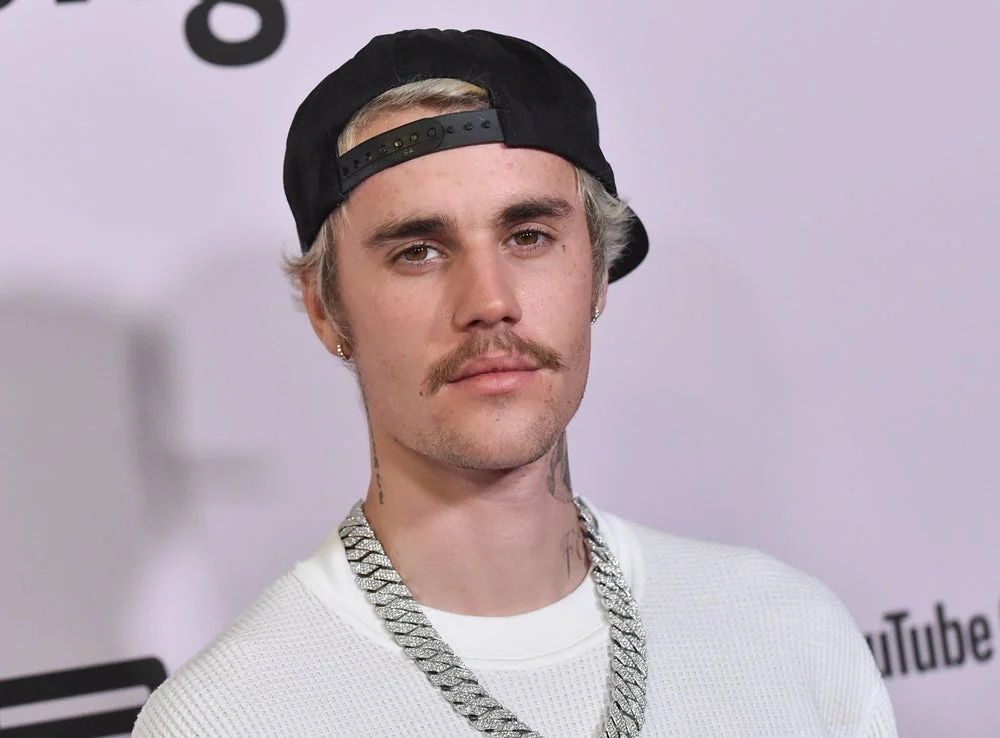
The public relations and marketing sectors are currently navigating a transformative period defined by increased demands for accountability in the creator economy, the resurgence of nostalgia-driven celebrity engagement, and a deepening crisis of trust within the global philanthropic community. As digital platforms become more integrated into the daily lives of consumers, the mechanisms for establishing credibility are shifting from passive consumption to active certification and narrative defense. This week’s industry developments highlight a strategic move toward professionalizing influencer marketing through the Institute for Responsible Influence, the overwhelming social media dominance of Justin Bieber at the Coachella Valley Music and Arts Festival, and a critical warning regarding the reputational risks facing non-profit organizations in an increasingly politicized and AI-driven environment.
Professionalizing the Creator Economy: The Launch of the Responsible Influence Certification Program
The influencer marketing industry, currently valued at approximately $37 billion, has long operated as a "Wild West" of digital content, often characterized by inconsistent disclosure practices and varying degrees of adherence to advertising standards. In response to these challenges, the Institute for Responsible Influence (IRI) has officially launched the Responsible Influence Certification Program. This initiative represents a significant push to standardize the creator economy by providing a formal credential for influencers who demonstrate a comprehensive understanding of transparency and accountability.
The program is backed by a robust coalition of industry heavyweights, including major social media platforms, advertising agencies, and trade organizations. Central to the curriculum is the training grounded in the Federal Trade Commission (FTC) Endorsement Guides and established advertising standards. Creators who successfully complete the 90-minute video-based curriculum—which covers responsible brand partnerships, legal disclosure requirements, and truth-in-advertising practices—and pass a subsequent assessment are awarded the IRI Certification Seal.
Francis Stones, Global Head of Brand Safety at TikTok, emphasized the importance of this initiative for the platform’s ecosystem. According to Stones, the training provides brands with the confidence that creators understand the nuances of advertising standards, thereby fostering a safer and healthier advertising environment for both corporations and consumers. This sentiment is echoed by Eric D. Reicin, President and CEO of BBB National Programs and the Center for Industry Self-Regulation, who noted that the certification signals a professional commitment to honesty and transparency.
However, industry experts suggest that the impact of this program may vary across different segments of the creator economy. Priscila Martinez, Founder of The Brand Agency, points out that while the certification is a positive step toward self-regulation, it may primarily benefit micro-influencers and User-Generated Content (UGC) providers. Established influencers with high follower counts, often supported by dedicated management teams and legal counsel, may see less incentive to undergo formal training. For smaller brands without in-house social media teams, the certification serves as a vital vetting tool to ensure compliance and mitigate reputational risk.
The Power of Nostalgia: Justin Bieber’s Social Media Dominance at Coachella
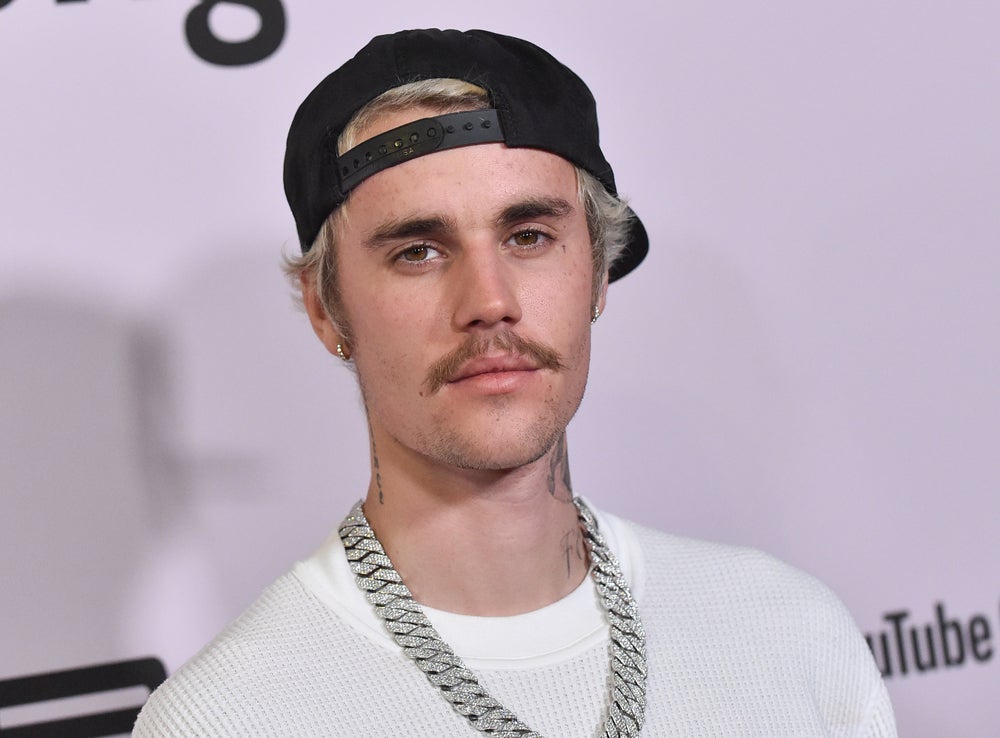
While formal certifications aim to stabilize the business side of influence, the emotional side remains driven by cultural moments and celebrity fandom. Data from the 2026 Coachella Valley Music and Arts Festival reveals that Justin Bieber remains a peerless force in capturing the global conversation. Despite not being a primary headliner, Bieber’s appearance during Weekend One of the festival generated a staggering 486,000 total posts and 340 million engagements, accounting for nearly one-third of the entire festival’s social media chatter.
The surge in engagement was largely attributed to "nostalgia marketing," a strategy that taps into the emotional memories of a brand’s—or in this case, a celebrity’s—long-term fan base. Social media feeds were saturated with references to Bieber’s early career, signaling a "comeback storyline" that resonated deeply with both Millennials and Gen Z. Meltwater data suggests that the reactions to Bieber were notably polarized, reflecting the intense emotional investment of the public. While praise was abundant, the high volume of criticism also contributed to the overall engagement metrics, proving that emotional provocation is a key driver of digital visibility.
In contrast to Bieber’s nostalgia-heavy impact, other artists utilized the festival to reach specific demographic milestones. Karol G made history as the first Latina woman to headline the festival, earning the highest positive social sentiment of the weekend. Meanwhile, Sabrina Carpenter saw significant buzz driven by traditional news coverage. These findings suggest that for communications teams, the success of a cultural moment is not merely about production value but about the ability to spark genuine emotion and connect with an audience’s "origin story."
Alexandra Bjertnæs, Chief Strategy Officer at Meltwater, noted that Bieber’s success stemmed from a "raw and real" presentation rather than a manufactured Hollywood spectacle. This highlights a broader trend in public relations: the most effective strategies often involve returning to foundational narratives that allow audiences to feel a sense of personal connection to the subject.
The Philanthropy Crisis: Waning Trust and Reputational Vulnerability
While the creator and entertainment sectors grapple with growth and engagement, the philanthropic sector is facing a more somber reality. The recently released Reputation Risk Index from the Global Situation Room indicates that philanthropy is under significant pressure, with many organizations struggling to maintain their credibility amid political scrutiny and technological advancements.
The report highlights a troubling trend: more than half of global public affairs leaders believe that philanthropic organizations have made too many concessions in the face of political pressure. Traditionally, foundations and non-profits have maintained low-profile communication strategies. However, in the current climate, this "silence" is increasingly being interpreted as a lack of conviction. Foundations focusing on climate change, diversity, equity, and inclusion (DEI), and social justice are finding their core missions weaponized by political actors.
Furthermore, the rise of Artificial Intelligence has introduced new ethical and reputational hazards. The report identifies the emergence of "poverty porn"—AI-generated imagery used by some aid agencies to solicit donations—as a major ethical concern. These hyper-realistic but fake images are criticized for crossing ethical boundaries in storytelling and potentially eroding trust in legitimate humanitarian efforts. Additionally, the proliferation of fake charity websites using AI to siphon donations during disasters has further complicated the landscape for legitimate organizations.
Key findings from the Reputation Risk Index include:
- A significant portion of the public perceives philanthropic organizations as being too slow to respond to negative narratives.
- Donor relationships are under higher scrutiny, with the source of funds becoming as important as the destination.
- The "communications gap" within the sector is widening, as organizations lack the infrastructure for real-time narrative defense.
Isabel Guzman, Chair of the Global Risk Advisory Council, warns that foundations must bridge the gap between their stated values and their operational realities. In an environment where federal funding for social safety nets is being contested and AI is rapidly evolving, philanthropic organizations can no longer afford to be passive storytellers. They must become active defenders of their missions.
Strategic Implications for Public Relations Professionals
The convergence of these three developments—certification in the creator economy, the dominance of celebrity nostalgia, and the reputational crisis in philanthropy—points toward a singular conclusion: trust is the most valuable, yet volatile, commodity in the modern media landscape.
For brands and agencies, the professionalization of the creator economy offers a path toward risk mitigation. As regulatory bodies like the FTC increase their oversight of digital advertising, the adoption of certification standards like those offered by the IRI will likely become a prerequisite for high-level partnerships. Communicators must prioritize vetting processes that include not just reach and engagement, but also a demonstrated commitment to ethical standards.
In the realm of event and celebrity PR, the "Bieber effect" at Coachella demonstrates that emotional resonance often outweighs technical perfection. Brands looking to capitalize on cultural trends should look for opportunities to tap into "historical nostalgia," creating campaigns that allow consumers to reconnect with their past while engaging with the present.
Finally, for the non-profit and corporate social responsibility (CSR) sectors, the message is clear: the era of passive communication is over. Reputation risk is now a constant factor. Organizations must invest in robust messaging infrastructure that allows them to respond quickly to political attacks and ethical dilemmas posed by AI. Transparency regarding donor relations and the ethical use of technology in storytelling will be essential for maintaining public trust.
As the industry moves through 2026, the successful PR strategy will be one that balances the innovative potential of new technologies and platforms with a steadfast commitment to the foundational principles of honesty, accountability, and emotional authenticity. Whether managing a global pop star, a digital influencer, or a multi-billion dollar foundation, the goal remains the same: building a narrative that can withstand the scrutiny of an increasingly skeptical and interconnected world.










