Laily UPN

The rapid evolution of artificial intelligence into primary information retrieval systems, notably through generative AI models like ChatGPT, Gemini, Perplexity, and Google AI Overviews, presents a paradoxical challenge for brands: their meticulously crafted content is frequently utilized by these powerful engines, yet their brand identity often remains unacknowledged. This emerging dynamic, which sees AI leveraging valuable information while effectively anonymizing its source, is forcing content strategists and marketing professionals to fundamentally re-evaluate their digital visibility strategies. A recent comprehensive AI visibility audit, conducted for a prominent national insurer, cast a stark light on this phenomenon, revealing a significant disconnect between content citation and brand attribution.
The New Frontier of Information Retrieval: AI Overviews and Brand Visibility
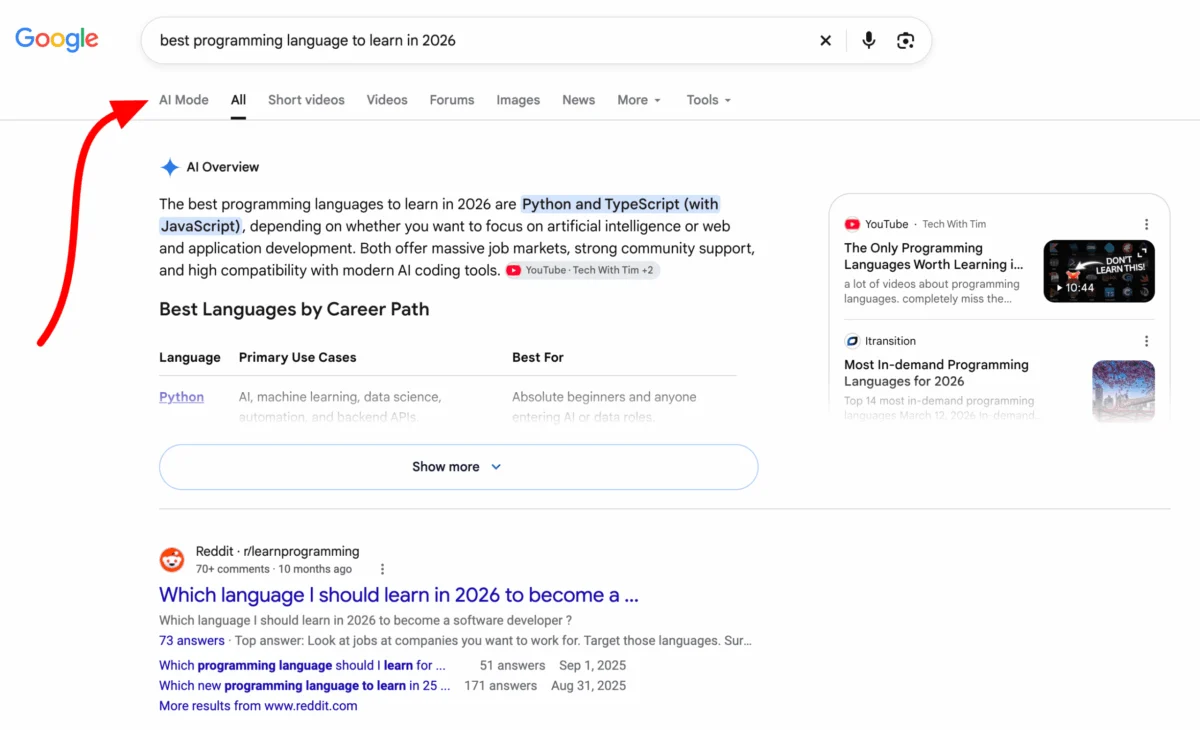
The digital landscape is undergoing a seismic shift, moving beyond the traditional "ten blue links" of search engine results pages (SERPs) to a future dominated by AI-generated summaries and direct answers. This transition began subtly with featured snippets and knowledge panels but has accelerated dramatically with the advent of large language models (LLMs) and their integration into mainstream search. Users are increasingly turning to these AI-powered interfaces for instant, consolidated answers, often bypassing the need to click through to original source websites. While this offers unprecedented efficiency for users, it creates a complex challenge for brands that have historically relied on organic search traffic and direct engagement to build recognition and trust.
In this evolving ecosystem, the concept of "visibility" itself is being redefined. It’s no longer solely about ranking high in search results, but about whether an AI deems your content authoritative enough to cite, and critically, whether it associates that content with your brand. The audit for the national insurer meticulously examined this new paradigm, offering a quantifiable look at how brands are performing in the age of AI-driven answers.
Unpacking the AI Visibility Audit: A Case Study in Anonymity
The audit was designed to simulate real-world buyer behavior, posing 40 questions that actual insurance buyers commonly ask into four leading AI platforms: ChatGPT, Gemini, Perplexity, and Google AI Overviews. This generated an extensive dataset of approximately 640 AI answers. The core objective was to differentiate between instances where content was merely "cited" – meaning a link or reference to the source page was provided – and where the brand itself was "named" within the AI’s textual response. The findings were illuminating and, for many brands, deeply concerning.
The audit revealed a pronounced disparity: buyers were frequently receiving answers that were, in essence, built upon the insurer’s own authoritative content, yet these answers often carried the name of a competitor or an aggregator, or simply no brand name at all. This suggests a significant efficiency gap where marketing investments in content creation are yielding foundational knowledge for AI systems, but failing to translate into direct brand recognition or recommendation within the AI’s output. For an industry as competitive and trust-dependent as insurance, this represents a critical erosion of brand equity at the point of decision-making.
The Critical Distinction: Citation Versus Naming
Understanding the difference between being cited and being named is paramount for any brand navigating the AI era.
- Being cited implies that the AI engine has identified your page as a credible and relevant source for information, often presenting it as a clickable link or a textual reference. It signals trust in your content’s factual accuracy and utility.
- Being named, however, means your brand is explicitly mentioned within the AI-generated answer, often in the context of a recommendation, a list of providers, or as the originator of a particular concept or service. This is where true brand visibility and potential customer acquisition lie.
AI answer engines, by their very design, appear to treat these two measurements distinctly. The audit’s key insight is that the gap between a brand’s citation rate and its naming rate can be substantial, measurable, and, crucially, addressable. If an AI is already citing your pages, it has cleared a significant hurdle of trust; the subsequent challenge is to ensure that trust is attributed directly to your brand.
Why Brands Miss the Mark: The Blended Score Blind Spot
One of the primary reasons this critical gap often goes unnoticed by marketing teams stems from prevalent methodologies in AI visibility monitoring. Many existing dashboards and analytical tools tend to conflate mentions and citations into a single, aggregated score. While a "respectable" blended number might suggest healthy AI visibility, it can mask a severe underlying problem. For the national insurer in the audit, a blended score would likely have presented a deceptively positive picture, obscuring the fact that its valuable content was being leveraged anonymously. The true extent of the issue only becomes apparent when citation counts and naming counts are tracked as separate, distinct metrics.
Furthermore, current monitoring tools often suffer from limitations in accurately counting brand mentions. The audit highlighted instances where a tool might register three brand mentions, when in reality, seven were present. This discrepancy often arises because AI engines may use shorter, colloquial, or slightly varied versions of a company’s name. If monitoring systems are configured to only recognize a brand’s precise, full legal name, they inevitably undercount actual mentions, further distorting the perceived visibility.
The problem isn’t always one-sided. The audit also uncovered scenarios where the naming rate was strong, but the citation rate was weak. For instance, a direct bank under scrutiny was named in approximately 39% of AI answers, positioning it as one of the top two most visible brands in its market. Paradoxically, its own website ranked near the bottom of bank sites cited by the AI engines. This indicated that while the AI clearly recognized and recommended the brand, it wasn’t learning about the bank’s offerings or specifics directly from the bank’s own content. Instead, it was likely drawing information from third-party review sites, aggregators, or news articles. Neither of these critical patterns—high citation/low naming or high naming/low citation—would be discernible through a blended metric. Both become glaringly obvious the moment these counts are disaggregated.
Deconstructing AI’s Decision-Making: Four Core Reasons for Brand Anonymity
While the exact algorithms governing AI’s citation and naming decisions remain proprietary, observed patterns across numerous audits offer significant clues. Here are four primary reasons why AI might leverage your content without attributing it to your brand:
-
Your Page Functions as a General Reference, Not a Brand Recommendation: A substantial portion of online content, particularly in regulated industries like financial services, is educational. It answers "what is" questions: "what is a deductible?", "how does a high-yield savings account work?", or "what does term life insurance cover?". AI engines heavily rely on this foundational, definitional material to explain concepts to users. Financial institutions, in particular, invest heavily in creating such informative content. However, when a buyer’s query shifts to "Which insurer should I use?" or "Which bank offers the best savings account?", the AI’s task changes from providing a definition to offering a recommendation. It appears that AI pulls recommendations from different sources than it uses for basic definitions. Your page might provide the authoritative explanation, but another source might supply the names of providers. This distinction highlights the need for content that bridges the gap between explanation and direct recommendation.
-
Your Brand is Absent from the Quoted Passage: AI engines are remarkably selective. When they draw information from a webpage, they often extract specific passages or paragraphs that contain the precise fact or explanation they need. Crucially, the paragraph an engine quotes often contains the necessary insight but frequently lacks any mention of your company’s name, a visible author, or explicit credentials. There’s no intrinsic element within that specific snippet that ties the valuable information back to its originator. This is particularly problematic in regulated industries where content often goes live under a generic byline or a departmental attribution to simplify compliance reviews. For example, one regional bank audited had over 150 published articles, yet fewer than five featured a named author, and none displayed author credentials. To an AI engine, such content is highly useful for its factual accuracy but remains effectively anonymous from a brand perspective.
-
Your Brand is Missing from Key Recommendation Hubs: When AI engines decide to name or recommend brands, they appear to lean heavily on platforms designed for comparison and evaluation: independent review sites, category-specific platforms, and industry aggregators. If your brand lacks a robust and positive presence on these third-party platforms, your own website, no matter how authoritative or comprehensive, may not be sufficient to get your brand named. For the AI, your site is an excellent source for facts and foundational knowledge. But when it comes to compiling a shortlist of providers or offering a direct recommendation, it turns to these comparison hubs for validation and brand names. This underscores the importance of a holistic digital presence that extends beyond owned media.
-
Your Content Doesn’t Directly Address Buying Questions: Many content strategies prioritize broad, high-volume topics to cast a wide net for organic search traffic. While this can be effective for initial awareness, buyers often seek highly specific answers when they are nearing a purchasing decision. Queries like "Which policy makes sense for a family adding a teenage driver?" or "Which bank suits a small business handling frequent cash deposits?" are designed to narrow down options and facilitate a choice. If your content consistently addresses generic topics and fails to directly answer these specific, bottom-of-funnel buying questions, the AI engine has little incentive or reason to insert your brand name into an answer that is meant to guide a specific purchase decision.
Strategic Imperatives for Brand Reassertion in the AI Era
The natural inclination in content strategy is often to simply produce more content. Scientific studies, such as one published in Nature, indicate a human cognitive bias towards additive solutions when trying to improve a situation. However, in the realm of AI visibility, fighting the urge to merely increase content volume is crucial. What truly amplifies your brand is creating clear, targeted content that strategically positions your brand where recommendations are made. For regulated industries, this translates into three core strategies:
-
Develop Recommendation-Driven Content: Shift a portion of your content strategy from purely educational "what is" content to "which one" or "how to choose" content. Directly address buyer questions that precede a purchase decision. For instance, instead of just explaining "what is life insurance," create content titled "Choosing the Right Life Insurance Policy for a Growing Family" or "How to Select a Business Bank Account for High-Volume Cash Deposits." Crucially, integrate your brand naturally and authoritatively within these pieces, presenting your solutions as viable answers to the specific buyer need.
-
Establish Clear Authoritative Brand Presence on Every Page: Combat the "invisible author" problem by ensuring that brand attribution is explicit and consistent. This means going beyond generic bylines.
- Named Authors with Credentials: Feature real authors with their relevant qualifications (e.g., CFA, MD, JD for financial or medical content) clearly displayed. This not only builds trust with human readers but also signals expertise and authority to AI engines.
- Brand Integration within Passages: Strategically weave your brand name into the key passages that are most likely to be quoted by AI. This requires a careful balance to avoid excessive self-promotion but ensures that when a factual snippet is lifted, the brand context travels with it.
- Consistent Branding Elements: Ensure that your brand name, logo, and core messaging are consistently present and easily identifiable on every page, reinforcing brand association.
-
Optimize for Comparison and Review Platforms: Actively manage and enhance your brand’s presence on third-party review sites, industry aggregators, and comparison platforms.
- Encourage Reviews: Implement strategies to encourage satisfied customers to leave reviews on relevant platforms.
- Respond to Feedback: Actively engage with both positive and negative feedback on these sites, demonstrating responsiveness and customer commitment.
- Ensure Accurate Listings: Verify that your brand information, product offerings, and contact details are accurate and up-to-date across all relevant third-party sites. AI engines will often cross-reference information, and inconsistencies can undermine trust.
These strategies, while not an exhaustive formula, are all within a content team’s direct control and offer a clear path to reasserting brand identity in the AI-driven information landscape.
A Practical Framework for Measuring AI Brand Visibility
Identifying whether your brand suffers from this citation-versus-naming gap doesn’t require sophisticated, expensive tools. A focused, manual audit can yield crucial insights. Here are the key steps to measure it yourself:
- Compile Your Buyer Questions: Start by gathering a list of 20-40 actual questions that your target buyers ask at various stages of their decision-making process. Focus on both educational ("what is") and comparative/buying intent ("which one," "how to choose") queries.
- Query AI Engines: Input each of these questions into a diverse set of AI answer engines (e.g., Google AI Overviews, ChatGPT, Gemini, Perplexity). For each query, record the full AI-generated answer.
- Analyze and Categorize Answers: For every AI answer:
- Check for Citations: Note down every instance where your brand’s website or content is linked or referenced as a source.
- Check for Naming: Identify every instance where your brand’s name (including shorter or informal versions) is explicitly mentioned within the answer text.
- Record Competitor Mentions/Citations: Also, track how often your competitors are cited or named.
- Organize and Quantify: Transfer this data into a spreadsheet. Create separate columns for "Cited Rate" and "Named Rate" for your brand. Sum the total number of answers where your brand was cited versus where it was named.
- Calculate the Gap: Compute the percentage of answers that cited your content and the percentage that named your brand. The difference between these two percentages reveals the visibility gap.
If your cited rate is strong but your named rate is low, you face the national insurer’s problem: content is trusted, but the brand is anonymous. If your named rate is strong but your cited rate is low, you have the direct bank’s challenge: the brand is known, but its own content isn’t the primary source of that knowledge. Either way, this process will precisely define the problem you need to solve, enabling a targeted strategic response.
The Foundational Trust: Leveraging Existing AI Citations
It’s crucial to recognize that if AI engines are already citing your pages, a significant hurdle has been overcome: the engines trust your content. They have deemed it accurate, authoritative, and useful enough to form the basis of their answers. In sectors where accuracy is paramount and often regulated, such as financial services, healthcare, and legal, this established trust is an invaluable asset. It signifies that your content has met the high bar of credibility required by these sophisticated AI systems.
The subsequent work is not about convincing AI that your content is good, but about ensuring your brand is as visible and recognized as your facts. This involves a deliberate shift in content strategy and brand attribution: explicitly putting names and credentials on your pages, actively cultivating a presence where recommendations are sought and made, and meticulously crafting content that directly addresses the specific questions buyers ask when they are poised to make a choice. By doing so, brands can transition from being anonymous contributors to authoritative, recognized entities in the AI-driven information landscape.
Broader Industry Implications and Future Outlook
The insights from this AI visibility audit extend far beyond individual brands; they signal a fundamental transformation in content marketing, search engine optimization (SEO), and brand strategy across all industries. The traditional SEO playbook, heavily focused on keywords, backlinks, and technical optimization for organic rankings, is evolving. While these elements remain important, the emphasis is shifting towards semantic relevance, factual accuracy, and explicit brand attribution within the context of AI-generated answers.
Marketing leaders and content strategists must now prioritize "AI-first" content creation. This means designing content not just for human readers or traditional search algorithms, but specifically for how generative AI consumes, processes, and outputs information. The return on investment (ROI) for content, which has long been a challenge to quantify, becomes even more complex when content is cited but not attributed. Brands will need new metrics and analytical frameworks to assess the true value of their content in an AI-dominated environment.
Furthermore, the competitive landscape is intensifying. Brands that successfully bridge the citation-to-naming gap will gain a significant advantage in brand recall, trust, and ultimately, market share. Those that fail to adapt risk becoming "ghost brands"—their valuable insights contributing to the collective knowledge base without receiving due recognition. The rise of AI also brings potential regulatory considerations, particularly in sensitive sectors. Ensuring transparent attribution and preventing the spread of misinformation will be critical, potentially leading to new guidelines for AI outputs and content sourcing.
Expert Commentary and Industry Reactions
Industry experts are increasingly acknowledging this challenge. Dr. Anya Sharma, a leading digital marketing strategist, notes, "The AI-driven shift is profound. Brands have invested decades in building trust and recognition. To have that erode at the point of consumption by AI is a significant threat to brand equity. Marketers must now think like an AI: How does it learn? How does it attribute? And how can we embed our brand identity so deeply that it’s inseparable from our content?" Similarly, economists are beginning to study the financial implications. A recent report from a prominent market analysis firm estimated that brands could lose up to 15-20% of potential brand recognition value in AI-generated answers if they don’t actively manage their citation-vs-naming gap, translating into potentially billions in lost market influence across major industries.
The future of brand building in the digital realm is inextricably linked with how brands engage with AI. It requires not just adapting to new technologies but proactively shaping their interaction with brand identity.
Frequently Asked Questions (FAQs)
What is the difference between being cited and being named in an AI answer?
Being cited means the AI engine has used your webpage as a source for information, typically indicated by a direct link or a textual reference. It acknowledges the factual basis of your content. Being named, on the other hand, means your brand or company name is explicitly mentioned within the AI’s generated answer, often in the context of a recommendation, a list of options, or as the originator of a specific product or service. An AI can do one without the other, making separate measurement crucial for understanding true brand visibility.
Why does AI cite my content but not mention my brand?
Based on extensive audits, several reasons contribute to this phenomenon. Your content might primarily serve as foundational reference material for "what is" questions, rather than direct recommendations. The specific passages an AI extracts might not contain your brand name or author credentials. Your brand might lack a strong presence on comparison and review sites, which AI often consults for brand recommendations. Finally, your content might address broad topics instead of the specific, high-intent buying questions that prompt AI to name potential providers.
Can my AI visibility dashboard show this gap?
Only if your AI visibility dashboard or monitoring tool reports brand mentions and content citations as distinct, separate metrics. Many tools unfortunately blend these into a single score, which can create a misleadingly healthy picture for brands that are frequently cited but rarely named. It’s also vital to ensure your monitoring tool is sophisticated enough to recognize shorter, informal, or varied versions of your brand name to avoid undercounting actual mentions.
How often should we measure AI citations and brand mentions?
Given the rapid evolution of AI models and your ongoing content strategy, it is advisable to measure AI citations and brand mentions every 60 to 90 days. Regular tracking allows you to observe trends, understand the impact of your content adjustments, and assess whether your efforts are effectively closing the gap between being cited and being named. This iterative approach ensures your brand remains agile and responsive to the dynamic AI landscape.
The engines already trust your content. That’s the hardest part accomplished. In categories where accuracy and regulatory compliance are paramount, that trust is an invaluable foundation. The imperative now is to make your brand as unmistakably visible as your facts. This means strategically integrating names and credentials, ensuring a strong presence where recommendations are forged, and meticulously crafting content that directly answers the critical questions buyers ask when they are poised to choose.

 Nana Wu
 Layla Zulfa