

The digital marketing landscape is currently undergoing a transformative shift as traditional search engines evolve into sophisticated AI-driven answer engines. In response to this transition, Instapage, a leading landing page platform, has announced the launch of its new Schema Markup feature. This tool is designed to help brands secure high-visibility placements in organic search results and AI-generated overviews by automating the implementation of structured data. As marketing budgets face increasing scrutiny and efficiency becomes a primary directive, the ability to communicate directly with search algorithms and artificial intelligence systems has emerged as a critical factor for business growth.
The introduction of this feature addresses a persistent challenge in the marketing industry: the technical barrier to implementing structured data. While high-quality design and fast loading speeds remain essential, they are no longer sufficient to guarantee visibility. Modern search engines, such as Google, and AI assistants, like Perplexity and OpenAI’s SearchGPT, rely on structured signals to interpret the identity, offerings, and relevance of a webpage. Without these signals, even the most aesthetically pleasing landing pages risk remaining invisible to the automated systems that curate search results and AI responses.
The Evolution of Search and the Necessity of Structured Data
To understand the significance of Instapage’s latest update, it is necessary to examine the historical context of search engine optimization (SEO). For over a decade, SEO primarily focused on keyword density, backlink profiles, and mobile responsiveness. However, the introduction of Schema.org in 2011—a collaborative project between Google, Bing, and Yahoo—marked the beginning of the “semantic web.” This initiative created a universal language that allows webmasters to provide search engines with explicit information about their content.
In recent years, the rise of Large Language Models (LLMs) and Search Generative Experiences (SGE) has accelerated the need for this structured language. AI systems do not “read” pages the way humans do; instead, they parse data to build a knowledge graph. Schema markup, specifically in the JSON-LD (JavaScript Object Notation for Linked Data) format, serves as a direct pipeline of information to these systems. By providing clear definitions of entities—such as “Product,” “LocalBusiness,” or “FAQ”—brands can ensure their data is correctly indexed and prioritized in the “rich snippets” that appear at the top of search results.
Technical Specifications of the Instapage Schema Markup Feature
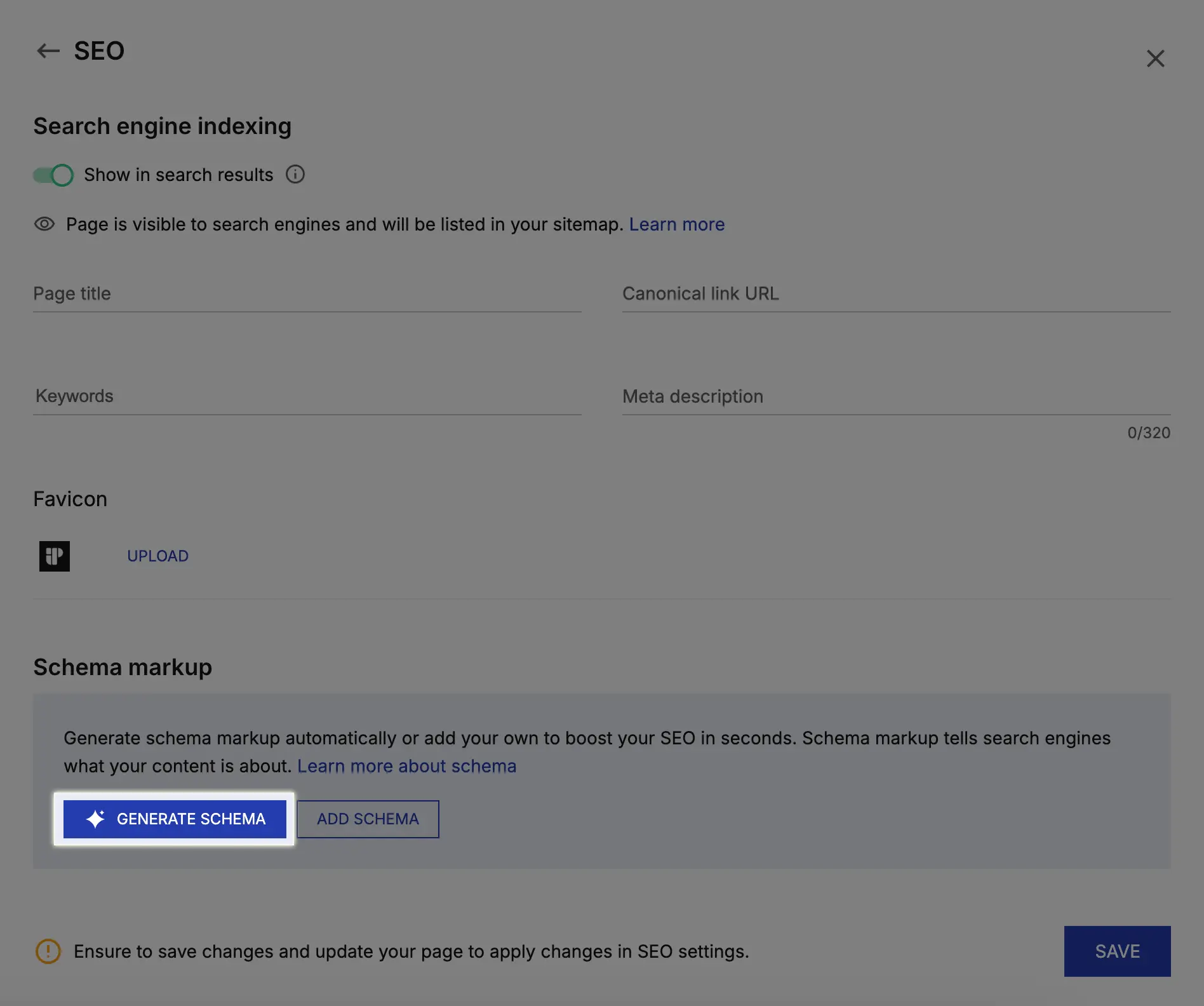
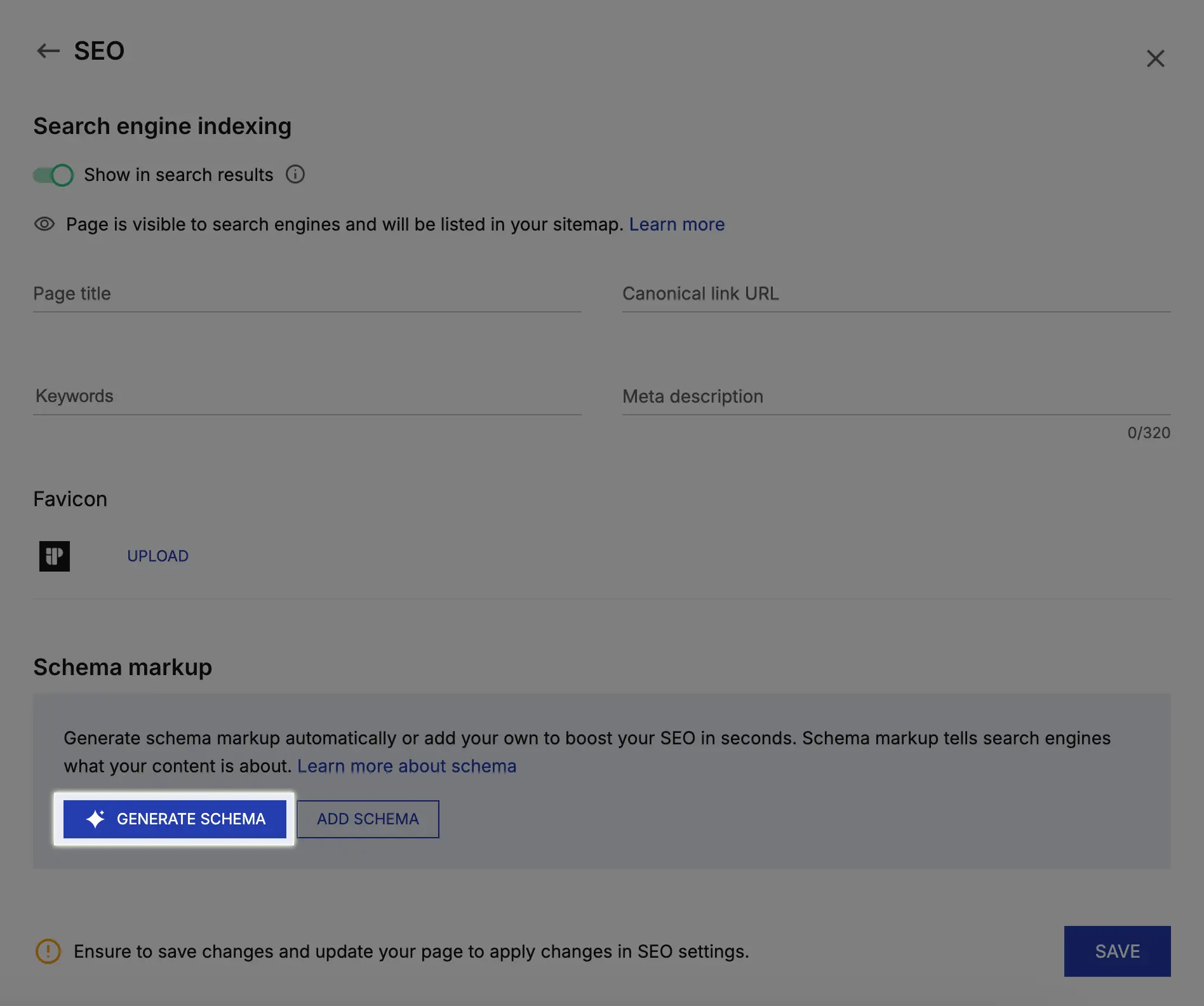
The new feature within the Instapage platform allows users to generate, validate, and publish structured data directly from the page settings. This eliminates the traditional need for a web developer to manually inject code into the page header, a process that often leads to delays and errors.
The tool includes several core components designed for both ease of use and technical precision:

- AI-Driven Generation: The platform utilizes artificial intelligence to analyze the content of a landing page and automatically generate the corresponding JSON-LD code. This ensures that the markup is syntactically correct and aligned with current search engine requirements.
- Auto-Detect Capabilities: For users who are uncertain which schema types apply to their specific use case, the “Auto-detect” option provides a comprehensive analysis of the page elements. It identifies the most relevant categories, whether the page is promoting a webinar (Event), selling a software subscription (Product), or providing corporate information (Organization).
- Comprehensive Schema Library: The tool supports a wide array of common schema types, including Person, LocalBusiness, FAQPage, and Review. This diversity allows businesses across different sectors—from e-commerce to professional services—to tailor their metadata to their specific goals.
- Integrated Validation: Before a page is published, the tool allows users to validate the schema. This step is crucial, as incorrectly formatted schema can lead to search engine penalties or a total failure to display rich results.
- Manual Override: For advanced SEO professionals who require granular control, the platform retains a manual entry option, allowing for the custom authorship of JSON-LD scripts.
The Economic Context: Tightening Budgets and the Pivot to Organic Growth
The launch of this feature comes at a time when digital advertising costs are reaching historic highs. According to industry data from 2023 and early 2024, the average Cost Per Click (CPC) across major platforms like Google Ads and Meta has continued to rise, while marketing budgets have remained flat or decreased due to macroeconomic uncertainty.
In this environment, “buying” visibility through paid search is becoming less sustainable for many small to mid-sized enterprises. Consequently, there is a renewed focus on organic search and “AI Optimization” (AIO). By improving the “understandability” of a page through schema markup, brands can achieve higher click-through rates (CTR) without increasing their ad spend. Data from various SEO studies suggest that pages with rich snippets—the enhanced search results enabled by schema—can see a CTR increase of up to 30% compared to standard blue-link results.
Chronology of the Implementation Process
Instapage has designed the workflow for this new feature to be completed in under five minutes, reflecting a broader industry trend toward “no-code” solutions for complex technical tasks. The typical implementation timeline follows a streamlined path:
- Step 1: Accessing SEO Settings: Within the Instapage builder, users navigate to the SEO settings panel of a specific landing page.
- Step 2: Selection or Detection: The user either selects a specific schema type from a dropdown menu or activates the AI auto-detect feature.
- Step 3: AI Generation: The system processes the page content and generates the JSON-LD markup.
- Step 4: Validation and Saving: The user reviews the generated code, runs the built-in validation check, and saves the settings.
- Step 5: Deployment: The schema is automatically applied to the live page upon the next publish cycle.
Market Implications and Professional Reactions
While Instapage has not released official third-party statements, the broader marketing community has long advocated for such integrations. Industry analysts suggest that the democratization of technical SEO tools is a significant step toward leveling the playing field between large corporations with dedicated technical teams and smaller agile marketing teams.
“The gap between ‘good content’ and ‘discoverable content’ has historically been a technical one,” notes one digital strategy analyst. “By moving schema generation into the landing page builder itself, platforms like Instapage are effectively removing the friction that previously prevented marketers from fully optimizing their funnels for the AI era.”
The implications for conversion rate optimization (CRO) are also profound. When a searcher sees an FAQ or a product rating directly in the search results, their intent is more qualified by the time they click through to the landing page. This alignment of expectation and reality typically results in higher conversion rates and lower bounce rates.
Broader Impact on the Digital Ecosystem
The widespread adoption of automated schema tools is likely to have a cascading effect on how information is organized on the internet. As more landing pages adopt structured data, the overall quality of data available to AI training sets and real-time search crawlers improves.
For businesses, the primary benefit is the “future-proofing” of their digital assets. As search engines transition toward voice search and conversational interfaces, the reliance on structured data will only intensify. A voice assistant, for instance, is much more likely to pull an answer from a page with clearly defined FAQ schema than from a page of unstructured text.
Furthermore, this development signals a shift in the role of the digital marketer. With technical hurdles like schema implementation being automated, the focus of the marketer shifts back to high-level strategy, persuasive copywriting, and user experience design.
Conclusion and Future Outlook
Instapage’s rollout of the AI-powered Schema Markup feature represents a strategic response to the evolving demands of the digital economy. By providing a bridge between human-centric design and machine-centric data, the platform enables its users to navigate a landscape where visibility is no longer just a matter of budget, but a matter of clarity.
As AI search continues to mature, the distinction between “websites” and “data sources” will continue to blur. Tools that allow for the seamless translation of marketing content into machine-readable data will become standard requirements for any competitive digital presence. For now, Instapage users can access these tools through their standard dashboard, with a 14-day trial available for new users to test the impact of structured data on their organic performance.
In the long term, the success of this feature will likely be measured by the improved performance of landing pages in an increasingly crowded and automated digital marketplace. By reducing the time to implementation from hours of developer work to minutes of AI-assisted configuration, Instapage is positioning its users to stay ahead of the curve in the burgeoning era of AI-driven search.







