rifanmuazin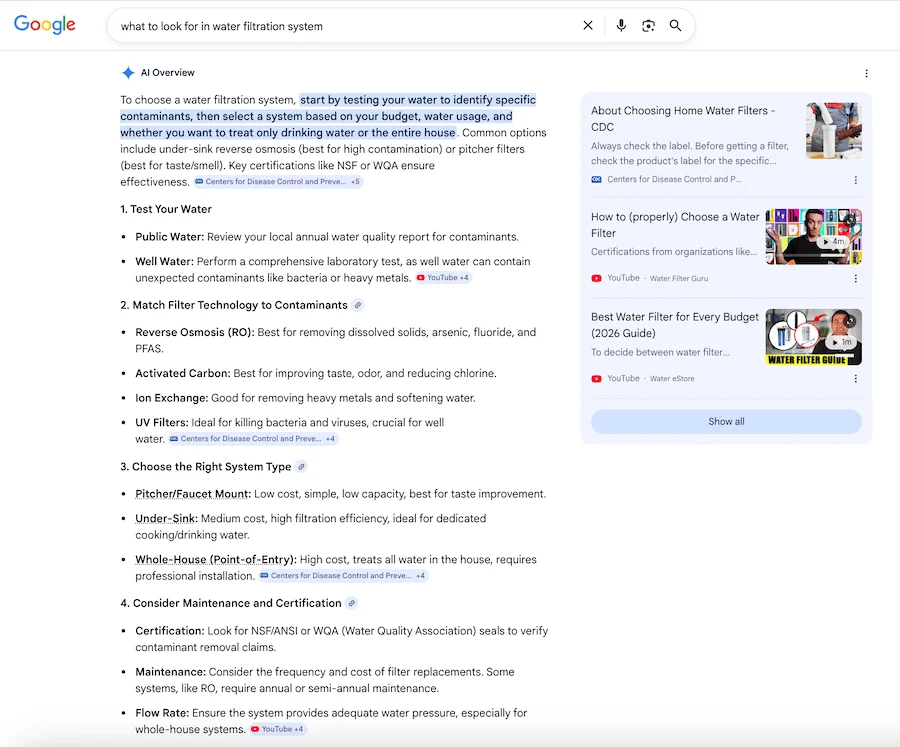
The landscape of consumer decision-making is undergoing a profound transformation, driven by the rapid integration of artificial intelligence into the research and discovery process. Increasingly, potential customers are turning to AI tools for initial inquiries, bypassing traditional search engines and their linear results. This shift fundamentally alters how buyers engage with businesses, placing a premium on clarity, specificity, and consistency in how companies present themselves, not just on their websites, but within the complex algorithms that now curate information.
This article delves into the evolving buyer journey, examining how AI-generated answers are pre-emptively shaping consumer perceptions and decisions. It will explore the mechanisms by which these AI systems interpret and describe businesses, identify common pitfalls in messaging that lead to misrepresentation, and offer actionable strategies for businesses to refine their positioning within this new digital paradigm, ultimately aiming to capture and convert customers more effectively after they finally make the leap to a website.

The Evolving Buyer’s Journey: From Search to Synthesis
For decades, the typical consumer journey followed a predictable path: a user would formulate a search query, land on a relevant web page, and then commence the evaluation of products or services directly on that platform. Marketing and sales efforts were primarily concentrated on the website’s content, structure, and persuasive messaging. This model, often visualized as a linear funnel, relied heavily on the website to introduce the category, define the problem, and present solutions.
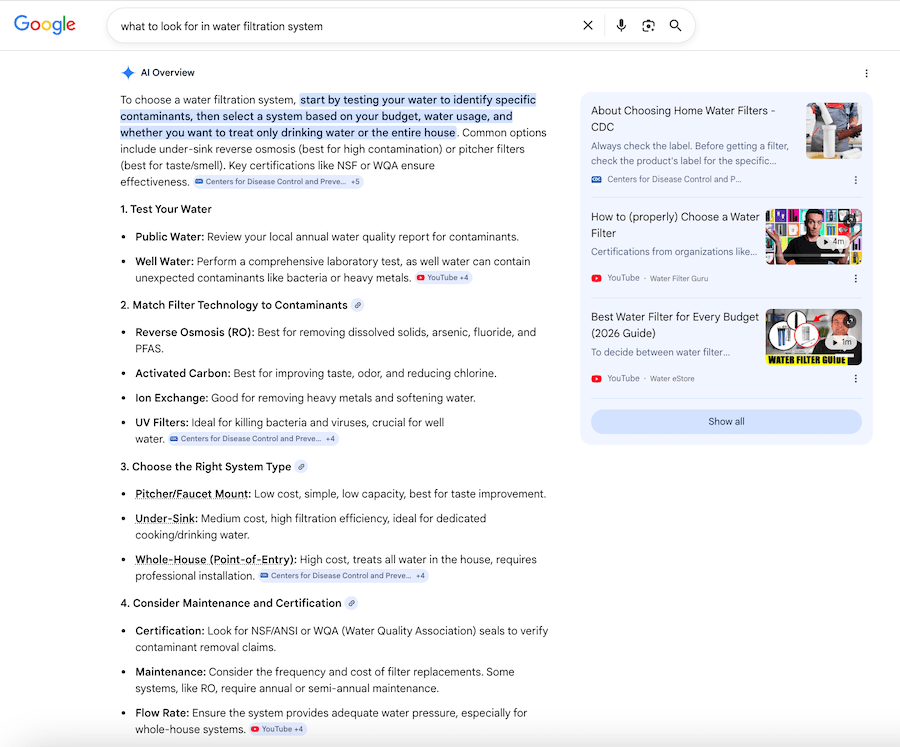
However, the advent of sophisticated AI conversational agents has dramatically reconfigured this process. The modern buyer’s journey is increasingly characterized by a more synthesized and accelerated approach:
- Inquiry: A user poses a detailed, often conversational question to an AI tool.
- Synthesis and Summary: The AI processes the query, drawing from a vast dataset to provide a comprehensive, ready-made answer.
- Option Narrowing: The AI not only explains the problem but also lists potential solutions, often categorizing them by suitability and outlining their respective trade-offs.
- Decision Framework: This AI-generated response becomes the primary reference point, establishing a pre-existing framework of understanding and preference in the buyer’s mind.
- Validation Click: Only after this extensive internal evaluation does the buyer potentially click through to a website, primarily to validate the information received from the AI.
In this new paradigm, AI tools are not merely directing traffic; they are actively moving consumers through multiple stages of the buyer funnel within a single interaction. A single AI response can consolidate the information previously gleaned from multiple blog articles, comparison pages, and sales collateral, effectively condensing the awareness and consideration phases into a singular, AI-driven output.
The Critical Juncture: When Evaluation Truly Begins
The most significant implication of this shift is not necessarily a decline in website traffic, but rather the fundamental change in when the evaluation process commences. Buyers now arrive at a company’s digital doorstep armed with pre-conceived notions and a narrowed set of options, shaped by the AI’s synthesized information. This means that by the time a user clicks through to a website, they have likely already:
- Understood the problem they are trying to solve.
- Identified the types of solutions available.
- Formed initial opinions on which options are most suitable for their needs.
- Begun to weigh the pros and cons of various offerings.
Consequently, a company’s website no longer serves as the primary platform for introducing a category or defining the terms of engagement. Instead, it functions as a reactive element, tasked with confirming, correcting, or ultimately losing the buyer based on the pre-existing narrative established by the AI.
The Erosion of Nuance in AI Summaries
A significant casualty of AI summarization is nuance. Differentiation that relies on intricate explanations, contextual understanding, or subtle value propositions often fails to survive the AI’s aggregation process. AI systems are designed to prioritize information that can be quickly and confidently processed and presented. This leads to a flattening of complex offerings, causing many businesses to sound remarkably similar in AI-generated summaries, even when they possess distinct competitive advantages in reality.
Real-World Impact: The HVAC Sector as a Case Study
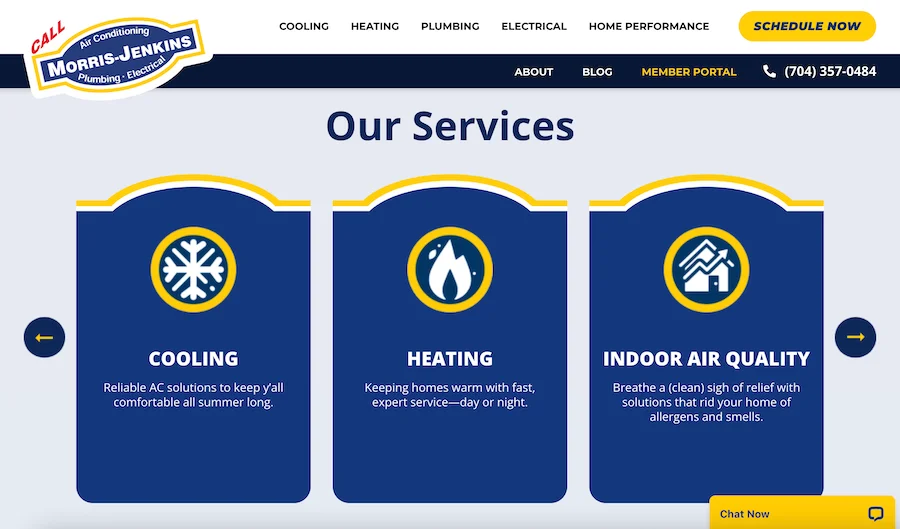
The regional HVAC (Heating, Ventilation, and Air Conditioning) industry provides a clear illustration of this phenomenon. Companies like Morris-Jenkins, a long-standing family-owned HVAC provider in North and South Carolina, consistently emphasize their core strengths on their website: residential heating and cooling services, rapid response times, and transparent pricing. They also meticulously differentiate their HVAC offerings from plumbing and electrical services.
When AI tools process information about Morris-Jenkins, they often accurately describe it as a "residential HVAC specialist." This consistent and clear messaging allows the AI to form a stable and representative profile.
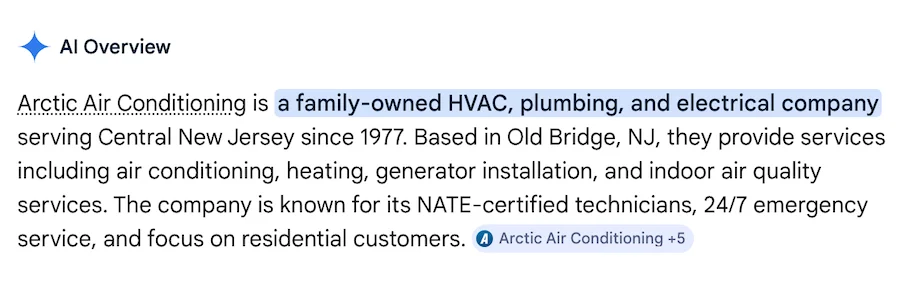
In contrast, smaller regional HVAC businesses that employ more generic website copy often struggle to gain distinct positioning in AI outputs. If a company’s website uses broad language, such as simply stating they offer "HVAC services" without specifying a focus, AI systems may struggle to derive a clear specialization. This can result in these businesses appearing merely as names on a list, or worse, being miscategorized as general contractors or bundled home service providers. This is not a reflection of the quality of their services but rather a consequence of their website’s failure to articulate a specific niche or specialization.
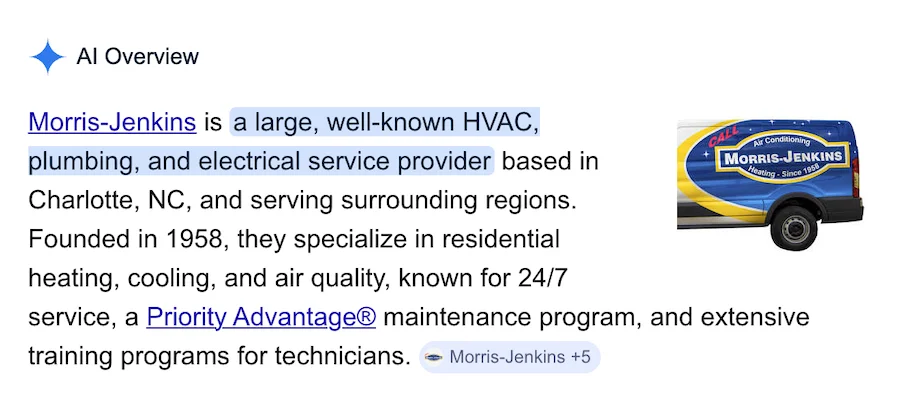
AI, in essence, fills the informational gaps. If a website does not clearly articulate its core competencies, AI will synthesize based on available, albeit often vague, data. This can lead to a diluted or inaccurate representation of the business.
The Mechanics of AI’s Information Gathering
AI models analyze a vast array of data to form their conclusions. For businesses, this means that AI systems are not solely reliant on a company’s own website. They actively aggregate information from multiple sources to build a comprehensive understanding.
Primary Inputs:

- Company Website: This is a crucial source, particularly the content found in the initial few hundred words of key pages like the homepage, service pages, and "About Us" sections. These sections often contain the most explicit statements of purpose and offerings.
- Google Business Profile (GBP): This platform provides structured information about a business, including its services, operating hours, and location. Consistent and accurate information here is vital for AI to form a clear picture.
- Customer Reviews: Reviews on platforms like Google, Yelp, and industry-specific sites offer insights into customer experiences and can highlight specific services or areas of expertise. AI can detect recurring themes and sentiments in these reviews.
Secondary Inputs:
- Third-Party Directories: Online business directories, while sometimes less detailed than GBP, can reinforce a company’s presence and basic service offerings.
- News Articles and Press Releases: Mentions in local or industry news can provide context and information about a company’s activities and specializations.
- Social Media Profiles: While less structured, social media can offer insights into a company’s brand voice and customer interactions.
The key insight here is that AI prioritizes repetition and consistency across these sources. If a business’s website, GBP, and customer reviews all consistently highlight a particular specialization, AI is highly likely to adopt that framing. Conversely, conflicting information or a lack of clear signals across these platforms will lead AI to create a more generalized or averaged description.
Influencing AI’s Perception: Practical Strategies for Businesses
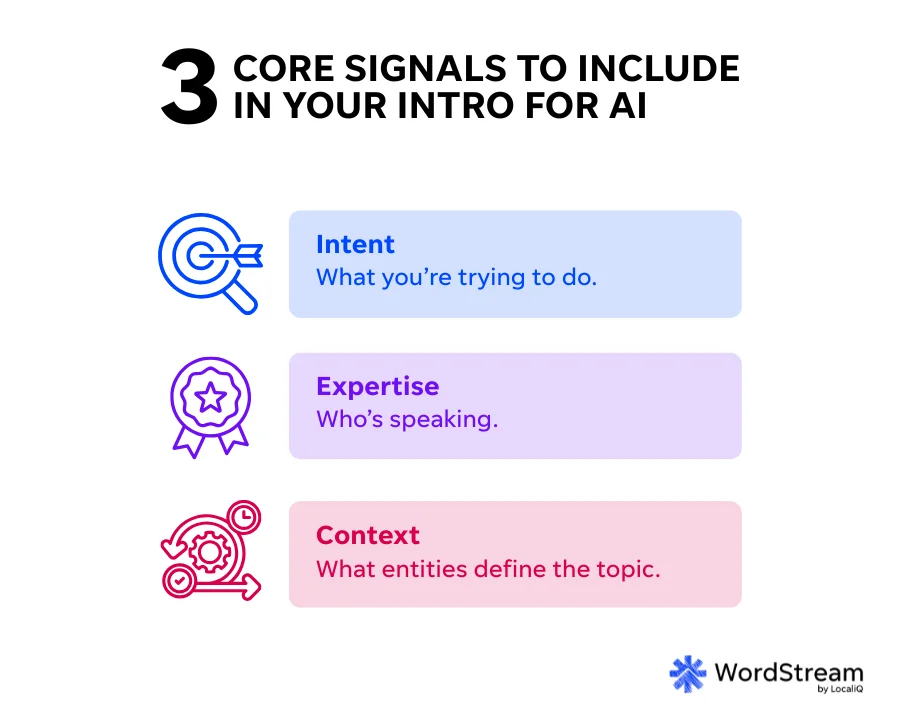
To effectively influence how AI presents a business to potential buyers, companies must shift their focus from late-stage persuasion to early-stage clarity. This means making a business "easy to explain" to an AI.
Structural Changes:
- Concise Value Proposition: Develop a clear, singular sentence that encapsulates what the business does, for whom, and what makes it unique. This statement should be easily digestible and reusable. For example, a bakery might state: "We create delicious, allergen-free baked goods using only natural, organic ingredients, perfect for individuals with dietary restrictions." This is not merely clever marketing; it is a foundational piece of information that AI can readily incorporate.
- Specialization Over Generalization: Instead of broadly claiming to offer "a full range of services," pinpoint specific areas of expertise. For instance, a law firm should clearly articulate if it specializes in personal injury, family law, or corporate litigation. Generalist claims, such as "trusted legal counsel" or "comprehensive legal solutions," are too vague for AI to process effectively and tend to result in broad categorization.
What Works in Practice:
- Repetitive Clarity: Ensure that the core message of specialization is consistently communicated across all digital touchpoints, including the website’s homepage, service pages, FAQs, and Google Business Profile.
- Plain Language: Avoid jargon, buzzwords, and overly sophisticated marketing language. AI systems are trained on vast amounts of text and perform best with clear, unambiguous phrasing.
- Defining What You Don’t Do: Just as important as stating what a business offers is clarifying what it doesn’t focus on. This further sharpens the AI’s understanding of the business’s niche. For example, a company might state, "We specialize in residential AC repair and replacement; we do not service commercial HVAC systems."
What Fails Consistently:
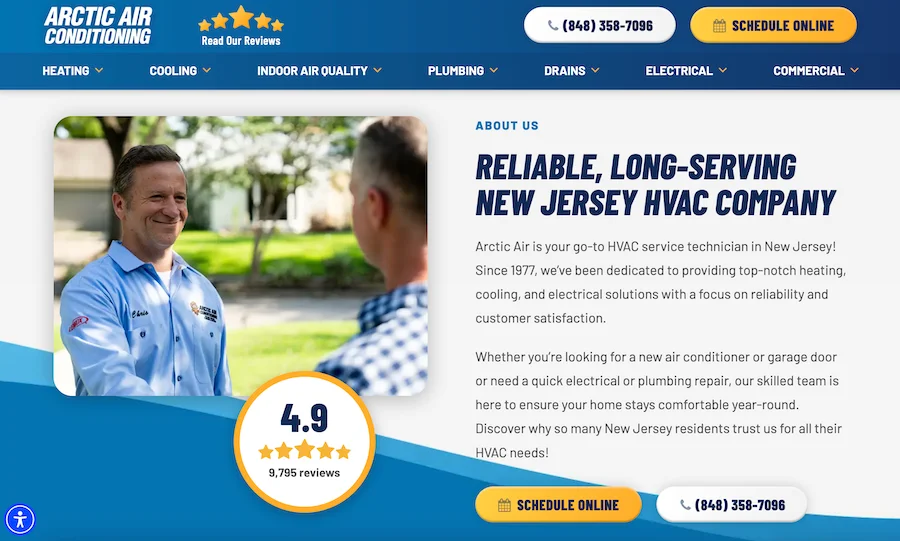
- Vague Adjectives: Terms like "trusted," "modern," "high-quality," or "innovative" lack concrete meaning for AI and are easily dismissed or overlooked during summarization.
- Overlapping Service Descriptions: If service pages list numerous offerings with equal emphasis, AI will struggle to identify a primary focus.
- Conflicting Information: Inconsistent messaging between the website, social media, and reviews will lead AI to create an averaged, often unhelpful, description.
The Law Firm Example: Specialization vs. Generalization
The legal profession offers a stark example. Many small law firms use broad language on their websites, describing themselves as providing "general legal services" or offering "representation for all your legal needs." When a user asks an AI tool, "Do I need a personal injury lawyer or a general attorney?" AI is more likely to direct them to firms like Rob Levine Law, which clearly and prominently identifies itself as specializing in personal injury. This specific specialization allows the AI to understand the firm’s niche and target audience accurately.
Generalist firms, even if they handle a significant volume of personal injury cases, often get categorized broadly as "local law firms." This can lead to a loss of qualified leads, as potential clients seeking specific legal expertise are directed elsewhere by the AI’s generalized output. The firms that clarify their specialization early and consistently see their AI explanations become narrower and more precise, attracting the right inquiries and deterring those who are not a good fit.
Defining Success in the AI-Assisted Buyer’s Journey
The success for businesses adapting to this new AI-driven landscape is not typically measured by immediate spikes in website traffic. Instead, the indicators of success are more subtle yet profound:
- Improved Lead Quality: Businesses report a higher proportion of inquiries from genuinely interested and well-informed prospects who understand the company’s offerings.
- Reduced Cost Per Acquisition: By attracting more qualified leads, the effort and resources required to convert a prospect into a customer decrease.
- Stronger Brand Positioning: Companies are more likely to be perceived as specialists and experts in their respective fields, leading to increased trust and credibility.
These outcomes reflect a fundamental shift in influence. By shaping decisions before a user even clicks through to a website, businesses can significantly impact their conversion rates and overall market perception.
Conclusion: Winning by Clarifying Early
The era of consumers solely relying on traditional search engines to navigate their purchase decisions is rapidly receding. AI-powered tools are now orchestrating the initial stages of the buyer journey, providing synthesized answers that frame consumer understanding and preference. Businesses that fail to adapt risk becoming indistinguishable in the digital ether.
The key to thriving in this new environment lies not in optimizing for more clicks, but in clarifying earlier. By making their value propositions exceptionally clear, consistent, and specific across all digital touchpoints, businesses can ensure that AI systems accurately represent their offerings. This proactive approach allows companies to influence buyer decisions at the earliest possible moment, ensuring that when a consumer finally arrives at their digital doorstep, they are not just a visitor, but a qualified and informed prospect ready for conversion. The businesses that embrace this clarity will undoubtedly win big in the evolving AI-assisted buyer’s journey.