Layla Zulfa
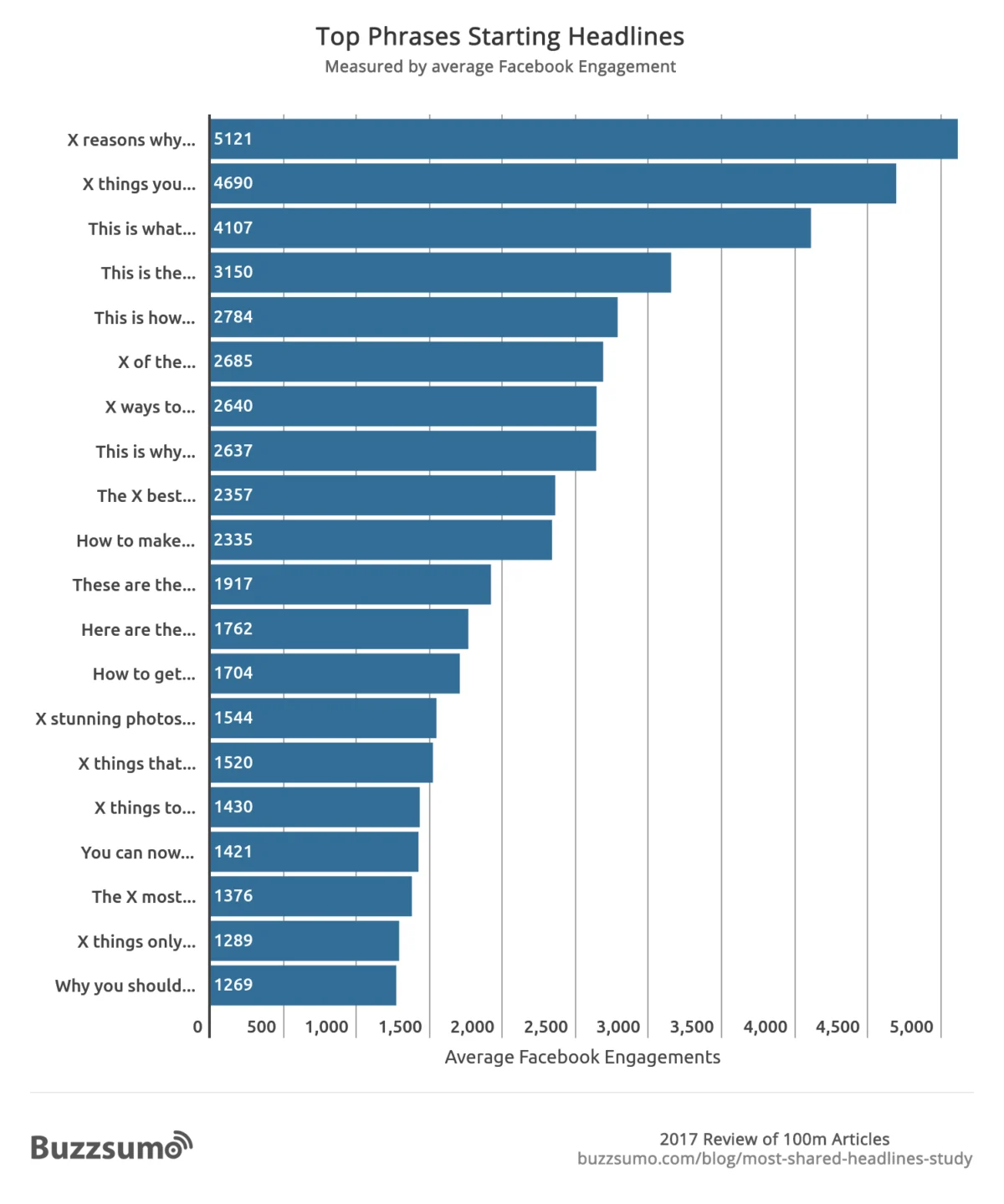
A comprehensive new study by BuzzSumo, building upon its groundbreaking 2017 analysis, has meticulously examined 100 million headlines to unearth the evolving strategies that drive engagement on Facebook and Twitter. The research, which also incorporates insights from leading marketing experts, provides a critical update on headline best practices, revealing significant shifts in audience preferences and algorithmic influences over the past several years. For publishers, content creators, and marketers, understanding these dynamics is paramount in an increasingly saturated digital landscape.
The Enduring Power of the Headline in a Crowded Digital World
In today’s digital ecosystem, a headline is far more than just a title; it serves as the crucial gateway to content, functioning as a subject line, a tweet, a social media post, or a video title. Its primary role is to capture attention, inform, and ultimately, compel an audience to click, read, and share. However, the art of crafting an effective headline has grown increasingly complex. Algorithms now heavily influence content visibility, competition for audience attention is fiercer than ever, and consumer standards for quality and relevance have soared. This necessitates a data-driven approach to understanding what truly resonates.
Inspired by co-founder Steve Rayson’s influential 2017 study, BuzzSumo embarked on a renewed, large-scale analysis of 100 million headlines. The updated research not only identifies current trends but also provides a vital comparative perspective, highlighting how optimal headline strategies have transformed. The findings offer invaluable guidance on ideal headline length, the most effective use of numbers, and the specific phrases and thematic categories that maximize engagement on Facebook and Twitter.
Key Insights from the 100 Million Headline Analysis
The 2020 BuzzSumo study reveals five overarching insights crucial for content success:
- Ideal Headline Length: Defying outdated advice for ultra-short headlines, the study found that the most shared headlines on Facebook and Twitter averaged 11 words and 65 characters. This indicates a preference for specificity and sufficient detail to pique reader interest, though it also represents a notable shortening compared to 2017.
- The "Magic Number" 10: When incorporating numbers into headlines, "10" proved to be the most engaging. Beyond this, single-digit numbers from three to ten consistently drove the highest social media engagement, dominating the top seven positions for most shared headlines on both platforms. There was no discernible preference for odd or even numbers within the top performers.
- Dramatic Evolution Since 2017: The digital landscape is highly dynamic. The study found a near-complete divergence in top headline phrases. On Facebook, there was a 100% difference in the top 20 headline phrases between 2017 and 2020. Twitter showed a similar trend, with only two phrases retaining their popularity. This stark evolution is attributed to algorithmic maturity, shifts in audience preference, and changes in the publisher ecosystem.
- Rise of Instructional and Hyperbolic Content on Facebook: While "ranking" and "newness" were prominent themes, "instructional" and "hyperbolic" headlines emerged as exceptionally effective on Facebook. Phrases that commanded action or used exaggerated statements consistently garnered high engagement.
- Twitter’s Appetite for Research and Immediacy: Twitter audiences demonstrated a strong preference for headlines hinting at research, studies, and current affairs. Phrases like "future of" and those emphasizing real-time developments performed exceptionally well, underscoring Twitter’s role as a platform for timely information and analysis.
These findings are particularly relevant for publishers and content creators navigating the complex algorithms and diverse audience behaviors of major social media platforms.
A Chronology of Change: Headlines from 2017 to 2020
The comparison between BuzzSumo’s 2017 and 2020 studies paints a clear picture of how social media content consumption has matured and adapted to platform changes.
2017 Landscape:
In 2017, the digital environment favored more emotionally charged and curiosity-driven content, often bordering on clickbait.
- Emotional Headlines: Phrases like "will make you," "melt your heart," and "shocked to see" were highly effective on Facebook, promising a strong emotional reaction. The top phrase, "will make you," frequently preceded emotional narratives.
- Quizzes and Tribal Content: Headlines involving quizzes ("can we guess," "only X in") and tribal identity ("things only teachers will understand") were immensely popular, tapping into self-identification and community belonging.
- Clickbait: Phrases withholding information ("what happened next") were prevalent, though Facebook began its crackdown on such content in May 2017, signaling a shift.
- Headline Length: The optimal length in 2017 was longer, at approximately 15 words and 95 characters.
- Platform Divergence: Facebook and Twitter had only one common phrase in their top 20, indicating distinct audience preferences.
2020 Landscape:
The updated study reveals a more discerning audience and a more sophisticated algorithmic environment.
- Decline of Overt Emotion and Tribalism: Explicitly emotional or sensational headlines, and those focused on quizzes or narrow tribal identity, were significantly less common and effective in 2020. The few remaining emotional elements were often tied to "exceptional content" through exaggerated phrases like "one of the most beautiful."
- Shorter, More Direct Headlines: The ideal length shortened to 11 words and 65 characters, reflecting an audience seeking information quickly amidst an overwhelming volume of content. A separate study indicated a 64% increase in online content since 2016, reinforcing the need for conciseness.
- Increased Homogeneity Across Platforms: In a notable shift, eight of the top 20 headline phrases now overlap between Facebook and Twitter, indicating a move from 2.5% to 20% similarity. This suggests that certain headline approaches are becoming universally effective, or that content creators are increasingly cross-posting successful formats.
- Divergent Engagement Trends: While Facebook saw a tripling of average shares for its top trigram ("of the year") compared to 2017’s top phrase, Twitter experienced a nearly fourfold decrease in shares for its most popular phrases. This suggests a potential shift in how users engage with content on each platform, with Facebook possibly becoming a primary sharing hub, or Twitter’s content becoming more diverse and less reliant on common phrases. Twitter’s monthly active users remained largely stable during this period, indicating a change in sharing behavior rather than audience size.
- Rise of Authoritative Publishers: Facebook’s algorithmic adjustments, particularly its January 2018 announcement to prioritize news from trustworthy sources and its June 2020 update boosting original, authoritative reporting, profoundly impacted the publisher landscape. The top Facebook publishers in 2020 were predominantly major news outlets (e.g., cnn.com, dailymail.co.uk, washingtonpost.com), a stark contrast to the more varied landscape of 2017. This shift underlines Facebook’s commitment to combating misinformation and promoting credible journalism.
Optimal Headline Characteristics in 2020
Facebook Engagement Drivers:
The analysis of three-word phrases (trigrams) on Facebook revealed distinct patterns:
- Top Trigrams: "of the year" (26,702 average shares), "in X years," "for the first," and "the first time" dominated. "Of the year" often appeared in headlines related to rankings and awards (e.g., "TIME’s Person of the Year"). Phrases involving "in X years" frequently highlighted "newness" or "surprise," such as "for the first time in X years," creating intrigue around rare events.
- Dominant Themes:
- Instructional: Phrases like "you need to," "need to know," "you should," and "what to do" were highly successful. These trigger a sense of FOMO (Fear of Missing Out) and convey vital information, promising actionable takeaways (e.g., "Everything you need to know about washing your hands to protect against coronavirus").
- Hyperbole: Exaggerated statements using superlatives (e.g., "one of the most," "of the best," "of all time") also performed strongly, attracting attention through bold claims (e.g., "Why Your Older Sister Is One of the Most Important People in Your Life").
- Ranking, Newness, Curiosity, Guidance, Story: These categories also featured prominently, indicating a diverse range of successful content types. Curiosity headlines often revealed or explained something ("Here Are The Results"), while guidance focused on "How to" content.
- Starting and Ending Phrases: Listicles (headlines beginning with a number) remained effective for Facebook, promising structured information. Guidance-oriented phrases like "How to" were also popular openers. For endings, time-centric phrases (e.g., "of 2020," "in 2021") and those using numbers to indicate "surprise" or "speed to insight" performed well, often reflecting current events like the pandemic.
Twitter Engagement Drivers:
Twitter exhibited distinct preferences, leaning towards information and forward-looking content.
- Top Trigrams: "the future of" was the most engaging phrase (45 average shares), highlighting Twitter’s role in discussing trends and predictions.
- Starting Words: "study" and "report" were particularly effective as opening words, indicating Twitter’s audience values research-backed content.
- Ending Phrases: Immediacy was key, with phrases like "in 2020" and "today" consistently appearing in the most shared headlines, reflecting Twitter’s real-time nature and audience appetite for current affairs.
- Dominant Themes: Curiosity and instructional headlines were successful, similar to Facebook. However, "story" content (e.g., "the story of," "the rise of") showed a greater discrepancy, performing better on Twitter, suggesting its audience enjoys narratives around people and topics.
Cross-Platform Strategies and Expert Perspectives
While distinct patterns emerge for each platform, the study identified several "crossover" headline phrases that perform well on both Facebook and Twitter. These include general instructional phrases like "need to know" and "what to do," as well as "in the world," "of the year," and "for the first." This suggests that some universal principles of clear, valuable communication transcend platform specifics.
Marketing experts weighed in on these findings, offering valuable interpretations:
- Heidi Cohen (Actionable Marketing Guide) highlighted three key customer behavior changes due to the pandemic: increased need for information, desire for guidance, and engagement with reliable sources. She advises marketers to focus on core basics, understand evolving customer needs, and test new outreach options.
- Rand Fishkin (SparkToro) emphasized the study’s value in contrasting past and present effective strategies, confirming some long-held beliefs about clickbait and listicles while myth-busting others.
- Ross Simmonds (Foundation) noted the fascinating adoption of instructional copy like "you need to" and "you should," linking it to human psychology and the desire not to miss out on important information.
- Brian Dean (Backlinko) pointed out the significant shift from BuzzFeed-style clickbait to instructional headlines on Facebook, underscoring that today’s Facebook users seek new knowledge.
- Amanda Milligan (Fractl) found the "instructional" trend fascinating, connecting it to a growing desire to learn from experts and the inherent authority demonstrated by such language.
Implications for Content Creators and Publishers
The BuzzSumo research offers actionable insights for anyone crafting headlines:
- Prioritize Clarity and Specificity: Aim for headlines that are long enough (around 11 words, 65 characters) to convey sufficient detail without being vague.
- Embrace Instructional Language: Especially on Facebook, use phrases that tell the reader what they "need to know" or "should do." This leverages FOMO and positions your content as valuable guidance.
- Use Numbers Strategically: "10" is a proven winner, but single-digit lists (3-10) also perform well. Avoid overly long lists if aiming for broad social sharing.
- Leverage Hyperbole (Responsibly): Exaggerated claims, particularly those using superlatives ("one of the best," "most important"), can capture attention on Facebook, provided the content delivers on the promise.
- Tailor for Twitter’s Immediacy and Research Focus: On Twitter, emphasize "the future of," research findings ("study," "report"), and current events.
- Adapt to Algorithmic Shifts: Continuously monitor platform updates and audience feedback. Facebook’s prioritization of trustworthy news means focusing on quality, authoritative content is crucial.
- Test and Analyze: While this study provides broad trends, individual audiences and niches may have unique preferences. Utilize tools like BuzzSumo’s Content Analyzer to test specific phrases and formats relevant to your content.
In conclusion, the digital landscape for content engagement is in constant flux. The BuzzSumo study serves as a powerful reminder that effective headline writing is not about adhering to static formulas but about understanding evolving audience psychology, adapting to platform algorithms, and leveraging data to craft compelling, informative, and shareable titles. By integrating these data-backed insights, content creators can significantly enhance their reach and engagement in the competitive digital arena.


 Jia Lissa

 Muslim