

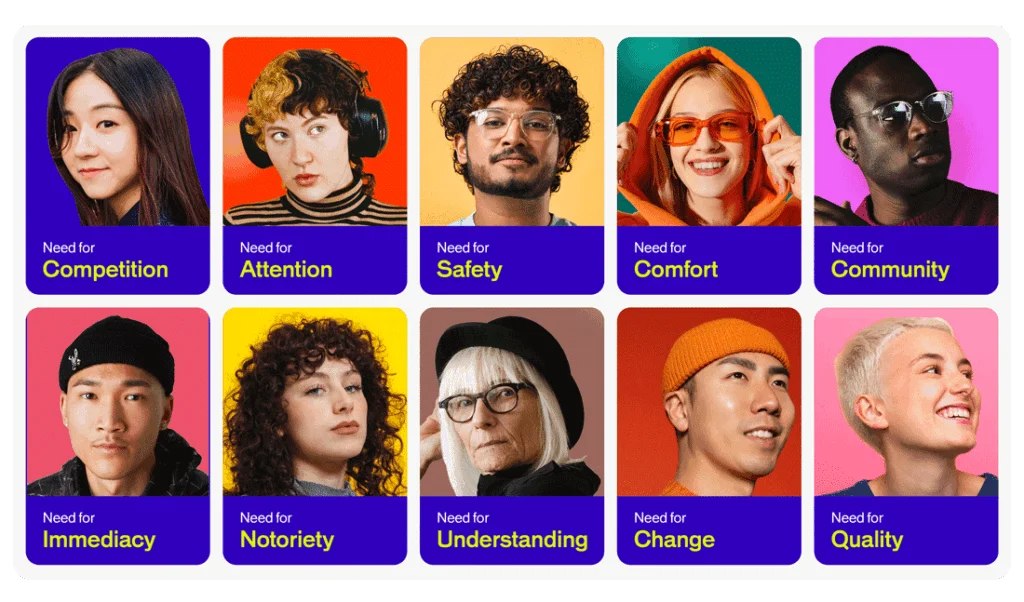
The digital marketing industry is currently undergoing a fundamental transition from traditional demographic targeting to a more nuanced model of behavioral heuristics. While the previous decade was defined by "what" a user did—clicks, scrolls, and dwell time—the current era is increasingly focused on the "why" behind these actions. At the forefront of this shift is EmotionsAI, a sophisticated analytical engine developed by Wingify, the parent company of the prominent experimentation platform VWO. By leveraging more than eight years of accumulated behavioral data, the platform seeks to decode the emotional undercurrents that drive approximately 80% of all human purchasing decisions. This move represents a significant departure from static personalization, offering a dynamic framework that categorizes digital visitors into ten distinct emotional profiles in under 30 seconds.
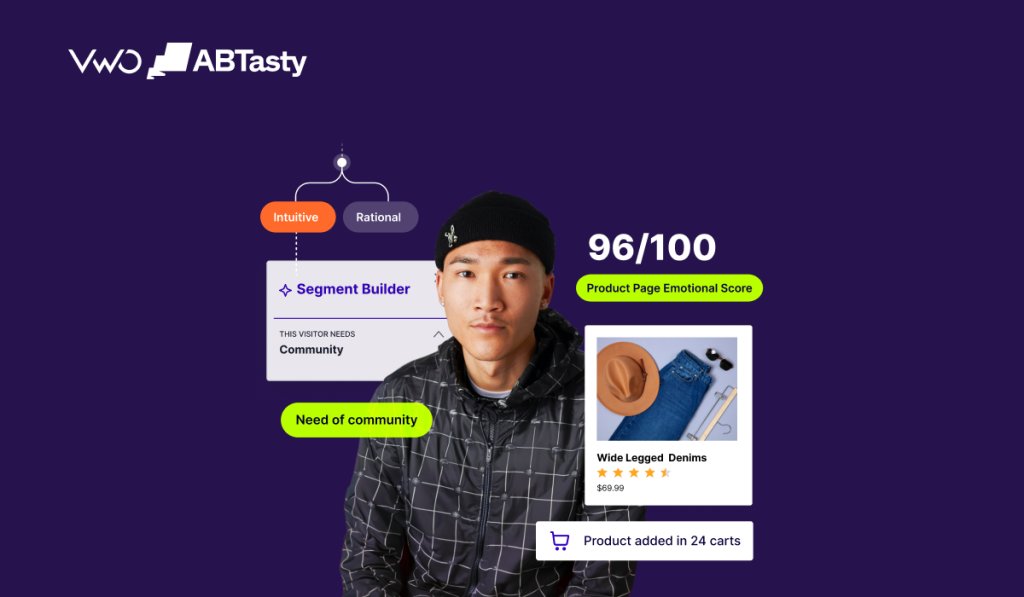
The Evolution of Behavioral Analytics and the Emotional Paradigm
The trajectory of digital personalization has historically followed the path of increasing data granularity. In the early 2000s, personalization was limited to basic geographic and device-based segmentation. By the mid-2010s, the rise of "Big Data" allowed for predictive modeling based on past purchase history. However, these methods often failed to account for the volatility of human emotion. A user might be a "Quality" seeker when buying a laptop but an "Immediacy" seeker when ordering office supplies.
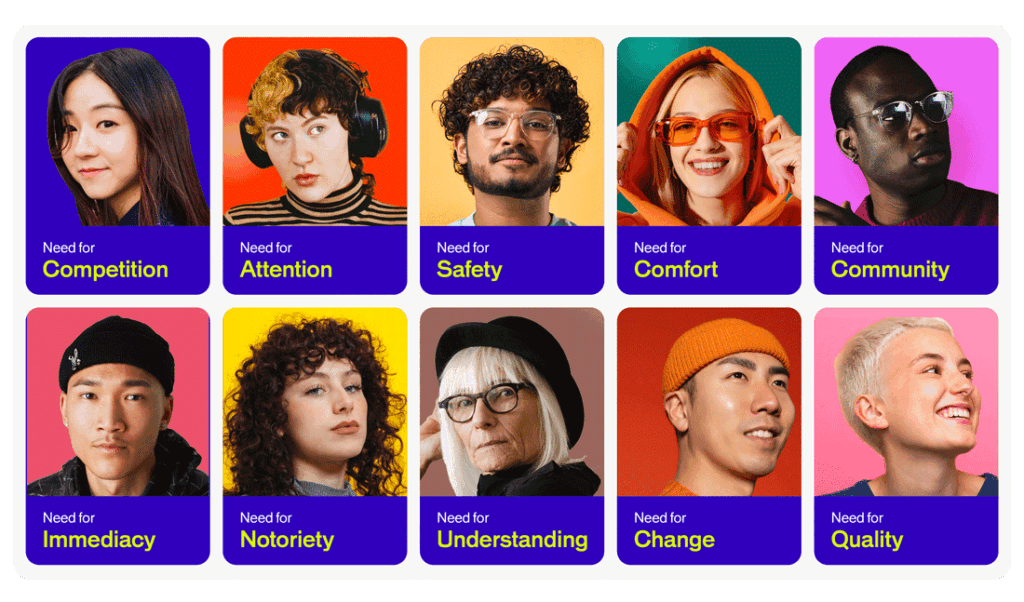
The development of EmotionsAI reflects a growing consensus among behavioral economists that logic is often a secondary factor in the consumer journey. The platform’s ability to surface hidden patterns in user journeys—identifying micro-moments of hesitation, urgency, or doubt—allows brands to pivot their messaging in real-time. This technological milestone is the result of nearly a decade of research into how various UI/UX elements trigger specific psychological responses, effectively bridging the gap between clinical data and human sentiment.
A Taxonomy of Digital Sentiment: The 10 Emotional Segments
To achieve real-world precision in personalization, EmotionsAI categorizes the vast spectrum of human emotion into ten actionable audience segments. Each segment represents a unique psychological driver that dictates how a visitor interacts with a website’s interface, copy, and value proposition.
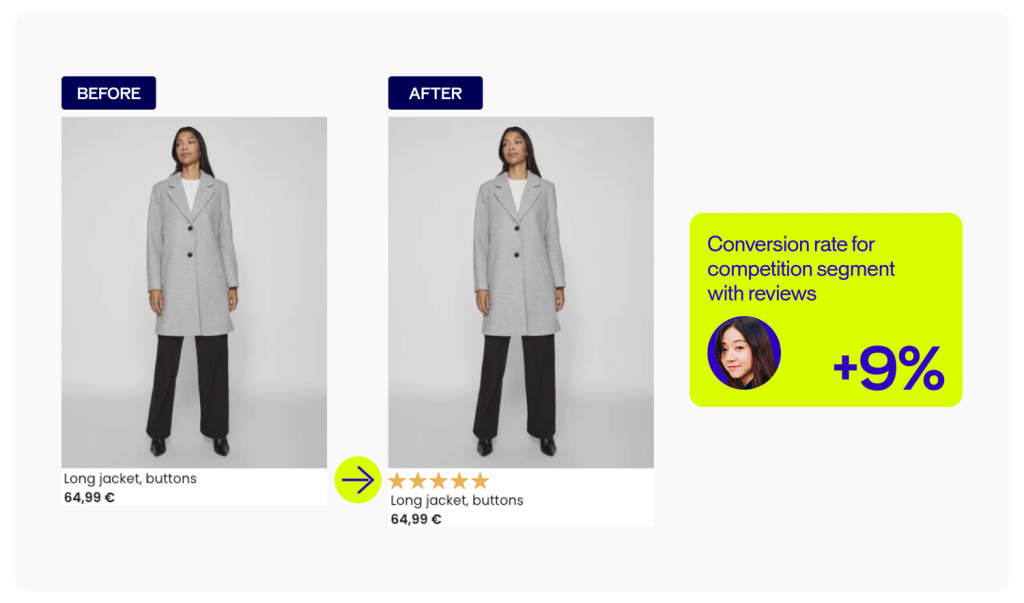
1. Competition (Estimated 10% of Audience)
Driven by a desire for social standing and excellence, these visitors view shopping as a means of self-expression and leadership. Data suggests they respond most effectively to quantitative proof of superiority, such as ranked lists and "top-tier" review counts. For this segment, social proof is not just about safety; it is a benchmark for their own status.
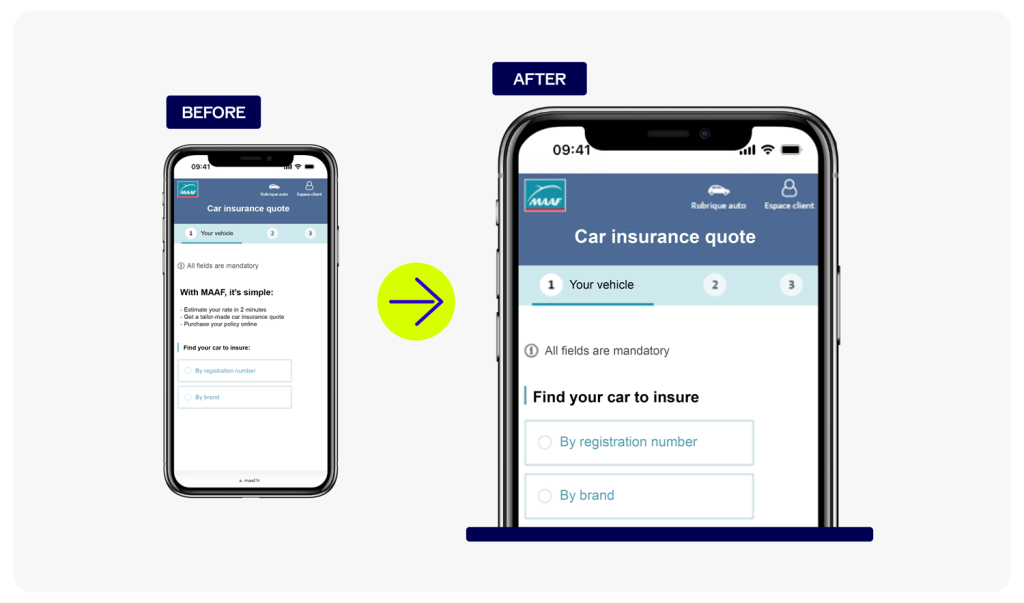
2. Attention (Estimated 10% of Audience)
Attention-oriented visitors prioritize immediate enjoyment and the feeling of being uniquely valued. This segment is highly susceptible to "surprise and delight" tactics, such as unexpected gifts or exclusive, personalized offers. They tend to disengage when an experience feels generic or restrictive.
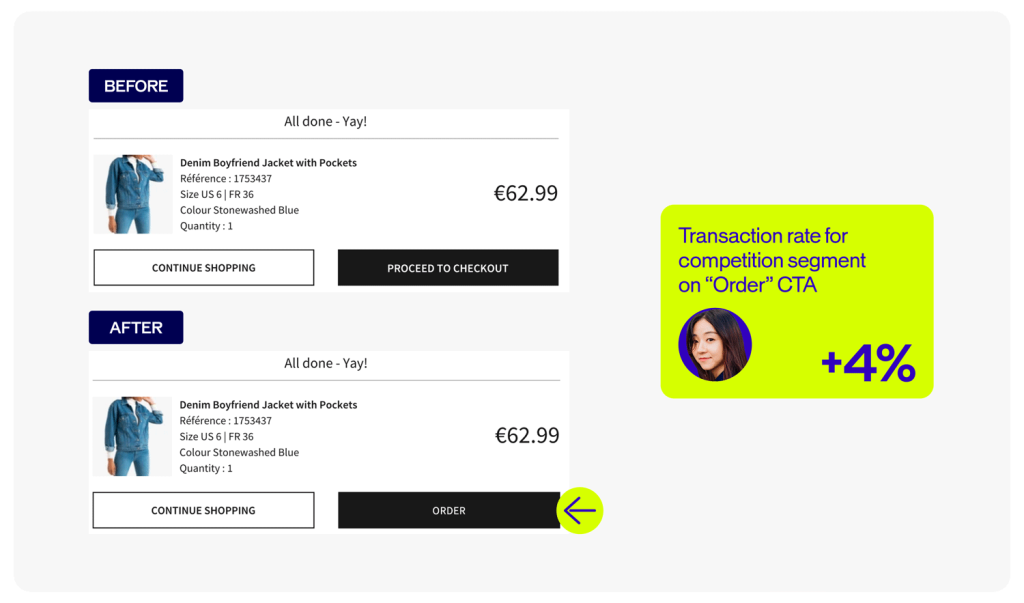
3. Safety (Estimated 27% of Audience)
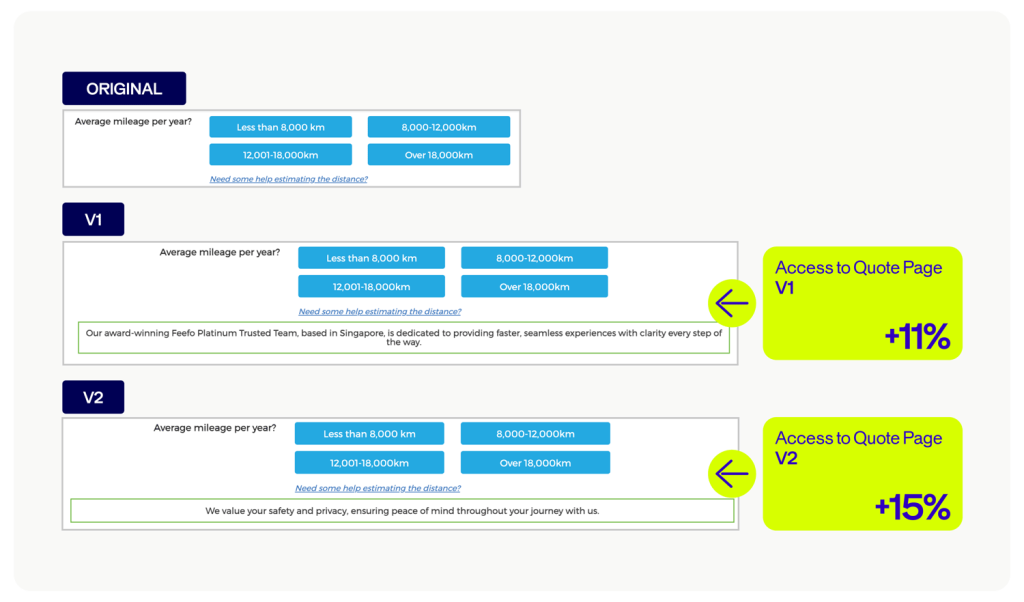
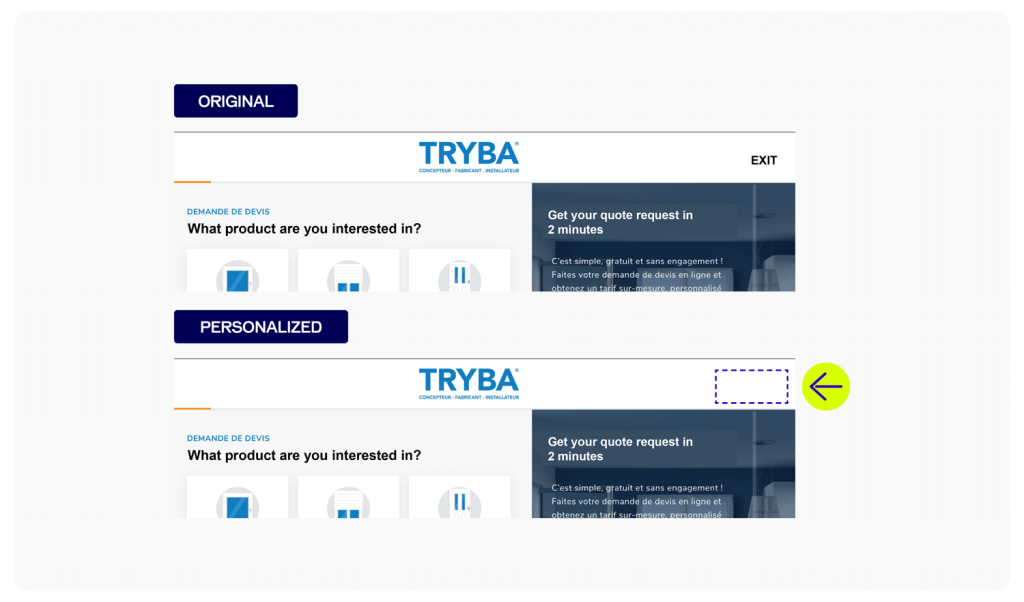
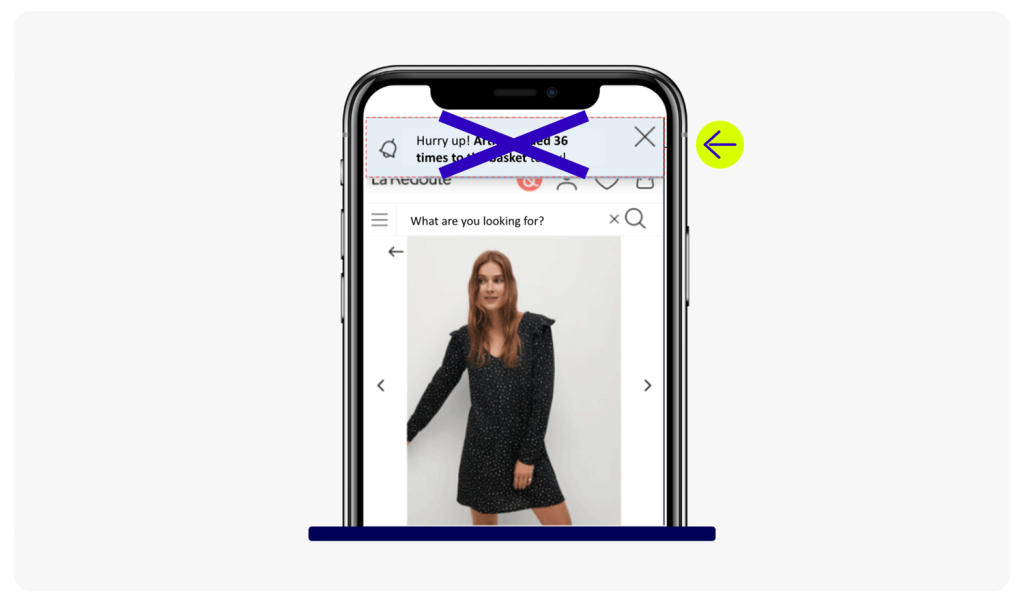
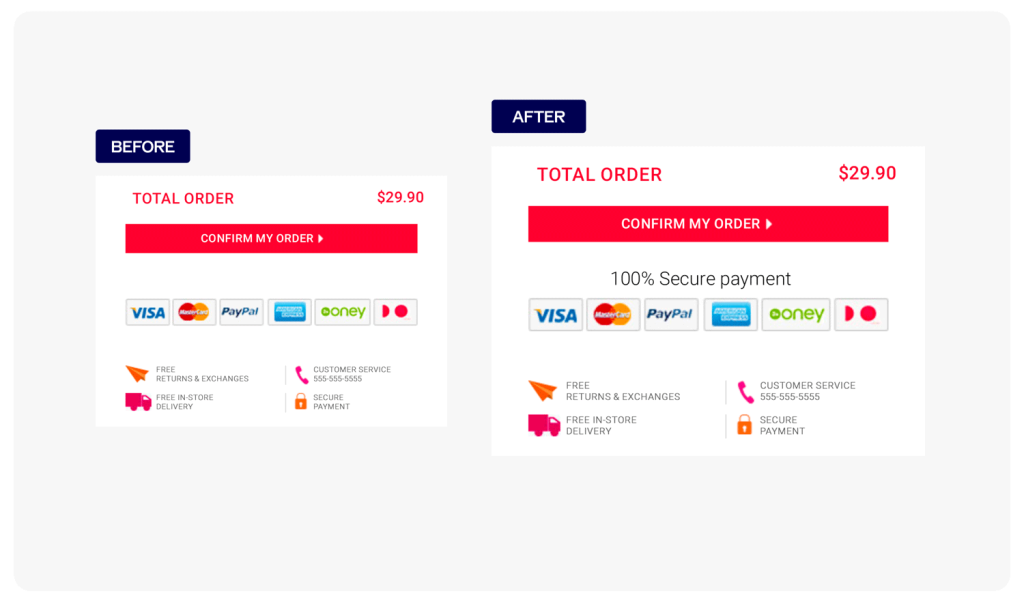
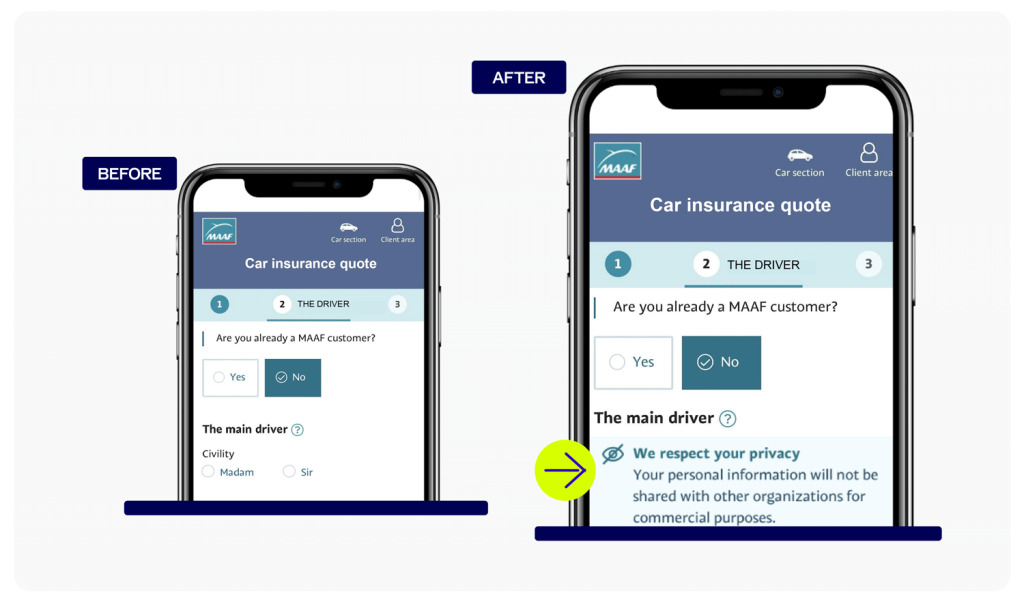
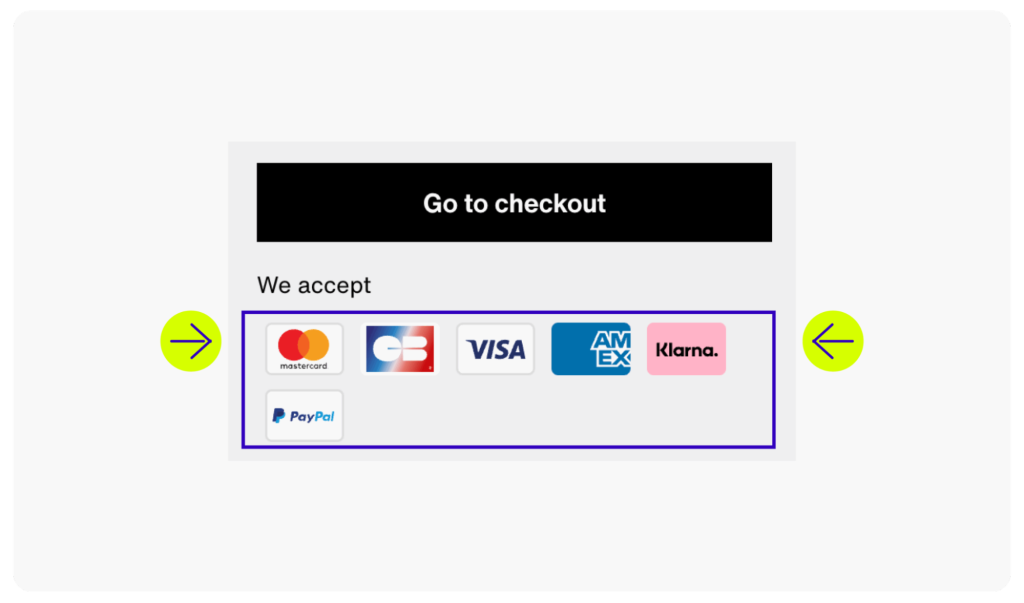
Representing the largest single segment, Safety-seekers are characterized by a high sensitivity to friction and ambiguity. For these individuals, any signal of insecurity—be it aggressive "exit" pop-ups or unclear data privacy policies—can lead to immediate abandonment. Trust-building messaging and transparent payment security are the primary levers for conversion here.
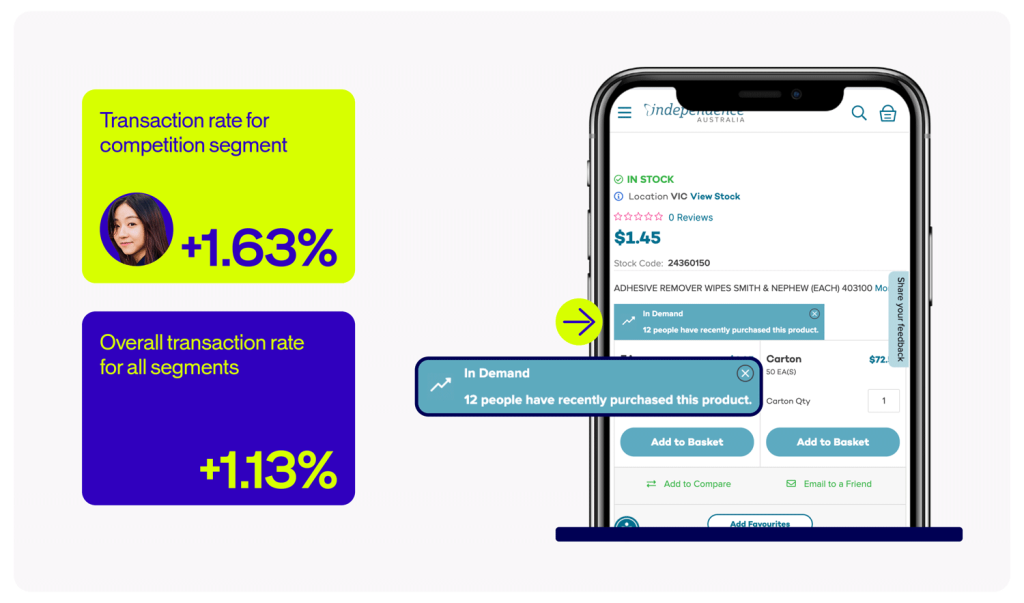
4. Comfort (Estimated 10% of Audience)
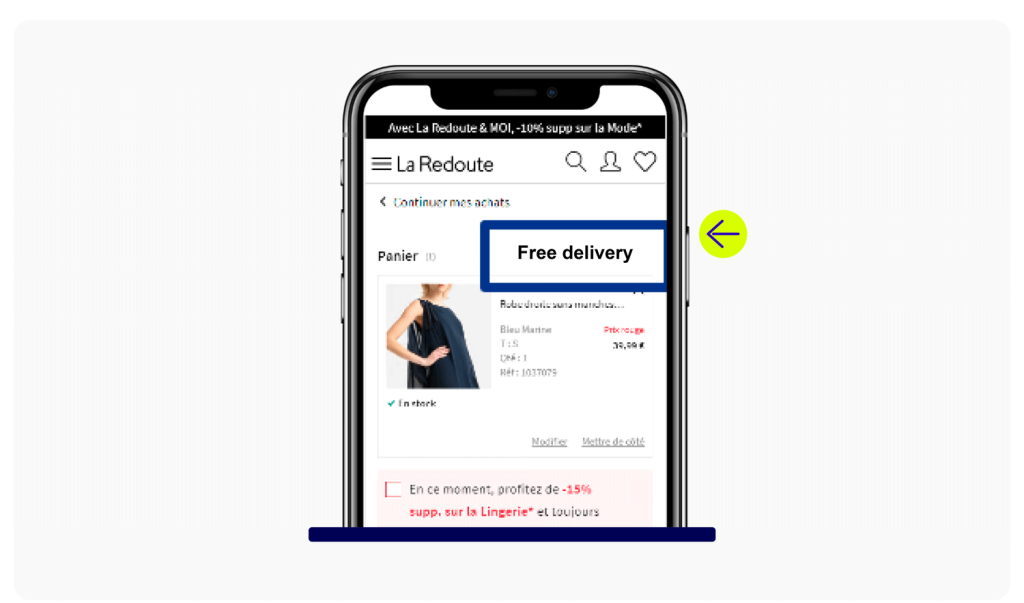
The Comfort segment values the path of least resistance. These visitors are often browsing in low-stress environments and will reward brands that offer "painless" experiences, such as free delivery and simplified one-click checkouts. They are less concerned with price and more concerned with the elimination of physical or mental effort.
5. Community (Estimated 6% of Audience)
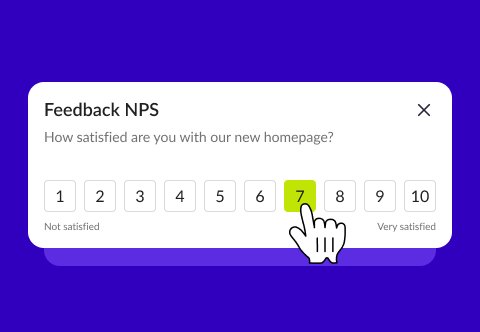
Community-oriented shoppers are moved by connection, shared values, and social impact. They are the primary audience for sustainability initiatives and "gifting" options. Personalized touches, such as using a visitor’s first name or highlighting a brand’s charitable contributions, foster the sense of belonging they crave.
6. Immediacy (Estimated 5% of Audience)
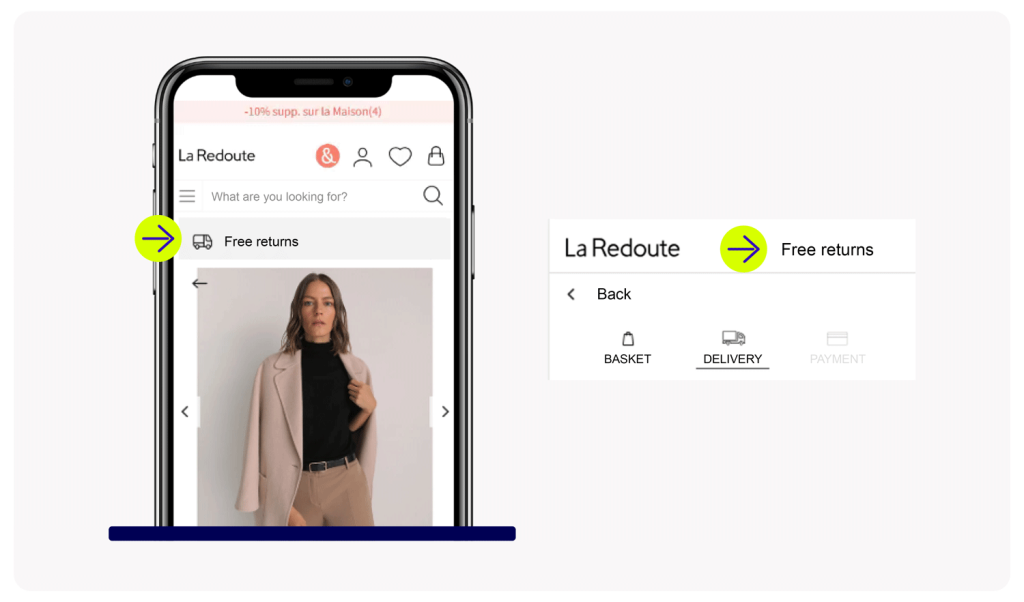
This segment is defined by a high velocity of decision-making. Immediacy-seekers require instant gratification and a streamlined path to purchase. Anything that slows the momentum—such as long blocks of text or complex navigation menus—is viewed as a dealbreaker. Direct, action-oriented copy like "Order Now" is essential for this group.
7. Notoriety (Estimated 2% of Audience)
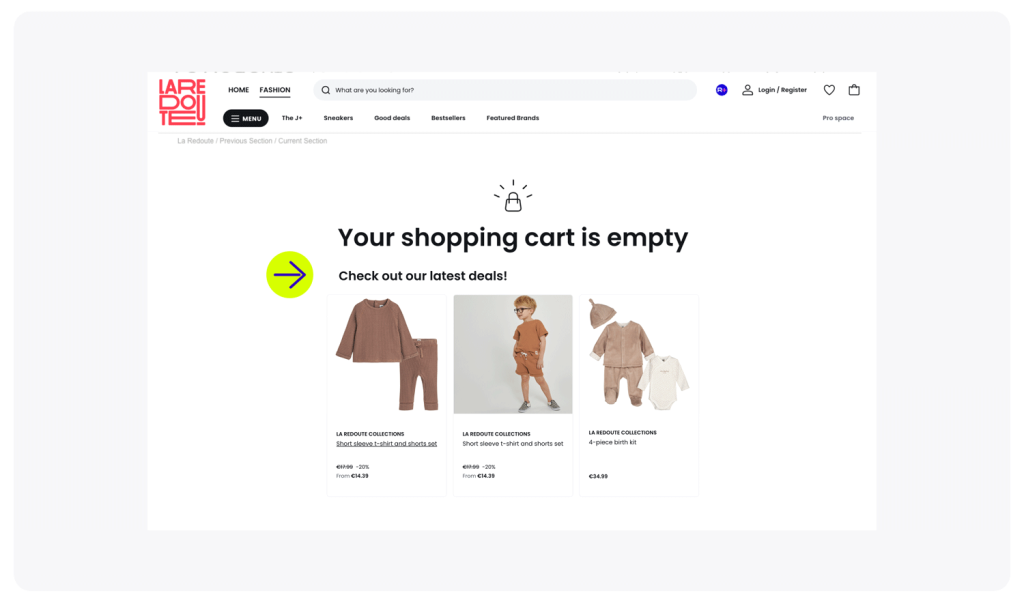
Though small, this segment is highly influential. Notoriety-seekers rely heavily on established reputations and sophisticated aesthetics. They are less likely to trust user-generated content and more likely to be swayed by professional photography, high-end branding, and "industry-standard" guarantees.
8. Understanding (Estimated 9% of Audience)
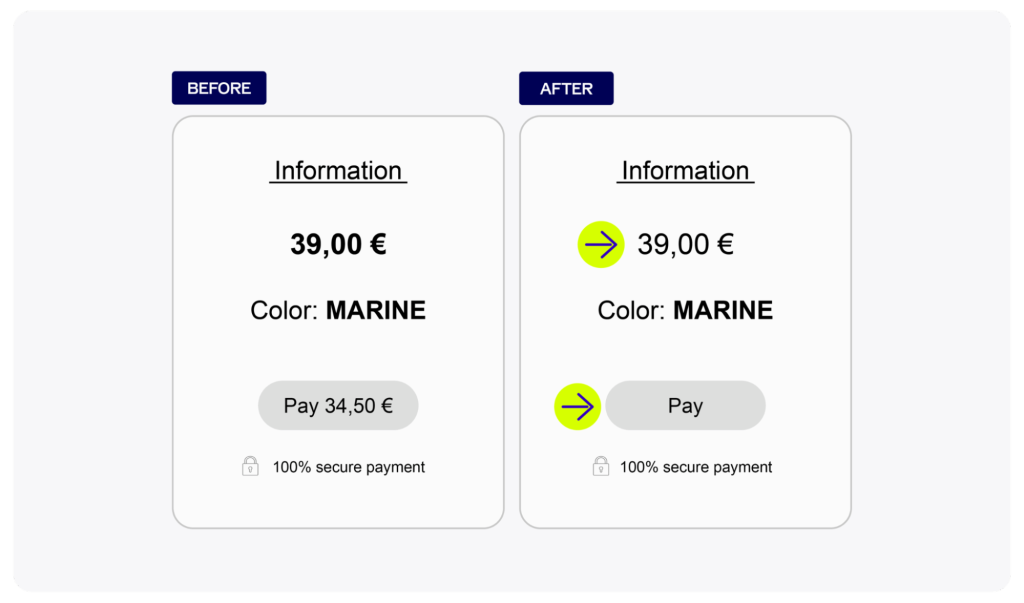
These are the "researchers" of the digital world. Logical and detail-oriented, they require a full data set before committing. Progress bars, technical specifications, and transparent breakdowns of the purchase funnel are critical tools for converting the Understanding segment. They are generally immune to "fluffy" marketing copy.

9. Change (Estimated 8% of Audience)
Driven by a distaste for routine, these visitors are constantly seeking the "new" and the "unconventional." They are early adopters who respond well to innovative payment methods like "Buy Now, Pay Later" (BNPL) and unique delivery options. For this group, standard reassurances feel dated; they want to feel they are on the cutting edge.
10. Quality (Estimated 3% of Audience)
The Quality segment is driven by craftsmanship and narrative. They are the least price-sensitive group, often viewing heavy discounts as a sign of inferior value. To convert this audience, brands must focus on heritage, the "why" behind the product, and detailed peer validation that focuses on durability and excellence.
Chronology of Innovation: From A/B Testing to Emotional Intelligence
The launch of EmotionsAI is the latest chapter in a long history of conversion rate optimization (CRO). In 2010, Wingify’s VWO revolutionized the industry by making A/B testing accessible to non-technical marketers. Over the following decade, the industry moved through several developmental phases:
- 2010-2014: The era of basic testing. Focus was on button colors, headline variations, and layout changes.
- 2015-2019: The rise of behavioral segmentation. Tools began to track mouse movement and heatmaps, providing a visual representation of user frustration or engagement.
- 2020-2023: The integration of Machine Learning. Platforms began predicting user intent based on large-scale historical data.
- 2024 and Beyond: The Emotional Era. The current phase, led by EmotionsAI, focuses on real-time psychological profiling to provide "human-centric" experiences.
Industry Implications and Expert Analysis
The introduction of emotional segmentation has significant implications for the broader marketing technology (MarTech) stack. As third-party cookies face obsolescence due to increasing privacy regulations and browser changes (such as Apple’s ITP and Google’s Privacy Sandbox), first-party behavioral data has become the new gold standard.
Industry analysts suggest that emotional profiling provides a "privacy-first" way to personalize experiences. Unlike traditional tracking, which relies on knowing who a person is across the web, emotional segmentation focuses on how a person is behaving in the current session. This allows for high-relevance targeting without the need for invasive personal identifiers.
"The shift toward emotional AI represents a maturing of the digital space," says an independent MarTech consultant. "We are moving away from treating users as data points and toward treating them as complex human beings with fluctuating needs. This doesn’t just improve conversion rates; it improves brand loyalty because the user feels understood rather than just targeted."
Broader Impact: The Human-Centric Future of UX
The long-term impact of tools like EmotionsAI extends beyond mere e-commerce transactions. By understanding the emotional drivers of an audience, designers can create digital environments that reduce user anxiety (for the Safety segment) or stimulate curiosity (for the Change segment). This leads to a more harmonious internet where the "noise" of irrelevant marketing is replaced by "signals" of genuine utility.
Furthermore, the 30-second identification window offered by EmotionsAI sets a new benchmark for real-time processing. In an environment where the average human attention span is reportedly decreasing, the ability to pivot a website’s entire emotional tone during a single session is a powerful competitive advantage.
As businesses continue to navigate an increasingly crowded digital marketplace, the ability to differentiate based on emotional intelligence rather than just price or product features will likely become the primary driver of success. EmotionsAI provides the technical infrastructure for this transition, turning the "hidden patterns" of human feeling into a structured roadmap for digital growth. The conclusion for modern marketers is clear: to go further in the digital age, one must look past what the user is doing and master the art of understanding why they are doing it.







