

The landscape of digital marketing is undergoing a fundamental shift as traditional search engines evolve into sophisticated AI-driven answer engines. In response to this transition, Instapage, a leading landing page platform, has announced the integration of an AI-powered Schema Markup feature designed to streamline how businesses communicate their content to search engines and artificial intelligence models. This development comes at a critical juncture for the industry, as marketing budgets face increasing scrutiny and the demand for organic growth through high-performance SEO becomes a primary strategic objective. By automating the creation, validation, and implementation of structured data, the new tool aims to eliminate the technical barriers that have historically prevented marketers from fully optimizing their digital assets for modern discovery systems.
The Evolution of Discovery: From Keywords to Entities
To understand the significance of Instapage’s new feature, it is necessary to examine the broader evolution of the search landscape. For over two decades, search engine optimization (SEO) was largely a game of keyword density, backlink profiles, and page load speeds. However, the introduction of the Knowledge Graph by Google in 2012 and the subsequent rise of Large Language Models (LLMs) have shifted the focus toward "entity-based search." In this new paradigm, search engines and AI assistants—such as Google’s Gemini, OpenAI’s SearchGPT, and Perplexity—do not just look for matching words; they seek to understand the relationship between concepts, organizations, products, and people.
Structured data, specifically in the form of Schema Markup (JSON-LD), serves as the "translator" between human-readable web content and machine-readable data. It provides explicit signals that define the context of a page. For instance, while a human can easily tell that a page is selling a specific software subscription, an AI might struggle to distinguish the product price from a testimonial quote without structured signals. By providing these signals, brands can earn "rich snippets"—enhanced search results that include star ratings, price ranges, event dates, or FAQ dropdowns—which significantly improve click-through rates (CTR) and visibility.
Technical Overview of the Instapage Schema Markup Feature
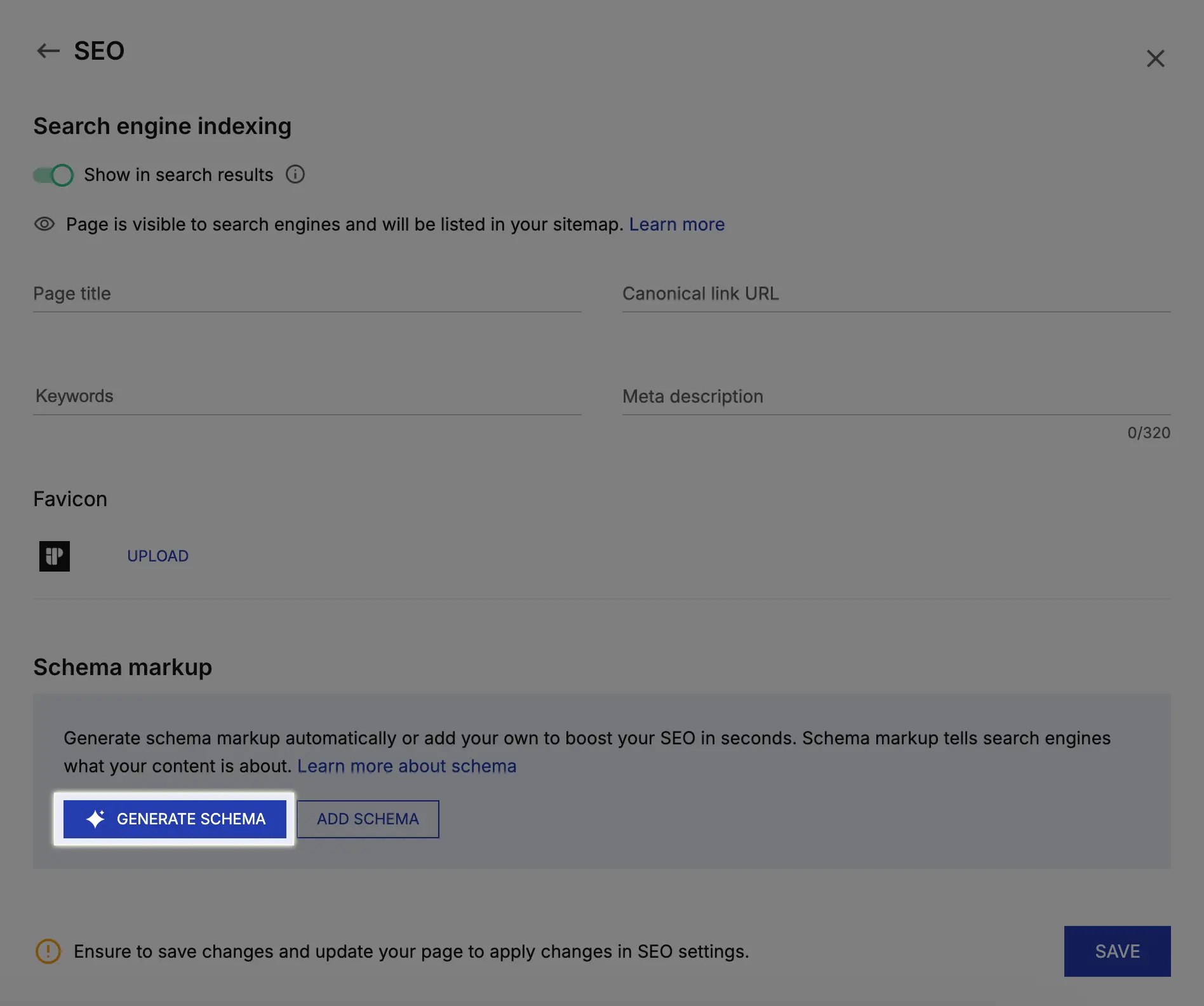
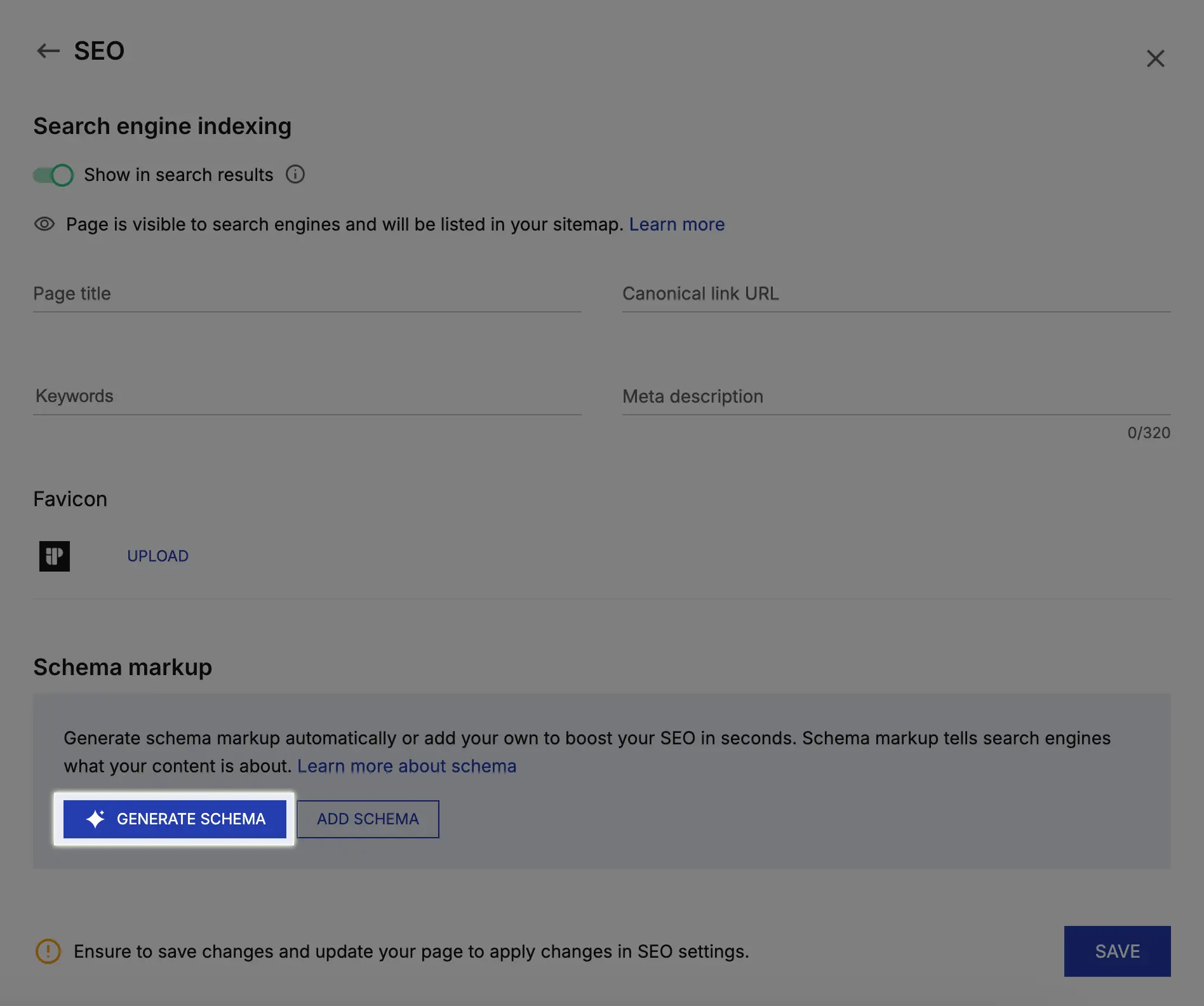
The newly launched feature within the Instapage ecosystem allows users to generate, validate, and publish structured data directly from their page settings without requiring the intervention of web developers or external SEO consultants. The tool utilizes an integrated AI generator that analyzes the content of a landing page and suggests the most appropriate schema types.
According to technical documentation provided by the company, the feature supports a wide array of schema types, including:
- Organization and LocalBusiness: Providing foundational data about a company’s identity, location, and contact information.
- Product: Detailing specific offerings, including pricing, availability, and review aggregates.
- FAQPage: Marking up frequently asked questions to appear directly in search engine results pages (SERPs).
- Event: Highlighting dates, locations, and ticketing information for webinars, conferences, or local gatherings.
- Person: Establishing authority and biographical data for personal brands or executive profiles.
One of the more advanced components of the release is the "Auto-detect" function. This capability allows the system to scan the existing copy and design elements of a landing page to identify the most relevant schema categories automatically. This reduces the margin for error and ensures that even non-technical marketers can implement high-level SEO strategies.

A Chronology of MarTech Optimization
The release of the Schema Markup tool follows a series of industry-wide movements toward automation in the Marketing Technology (MarTech) sector.
- 2018–2020: The Speed Era. During this period, the industry focused heavily on Core Web Vitals and mobile-first indexing. Instapage and its competitors prioritized page load speeds and AMP (Accelerated Mobile Pages) support.
- 2021–2022: The Personalization Era. Platforms began integrating dynamic text replacement and sophisticated A/B testing modules to improve conversion rates for specific audience segments.
- 2023: The Generative AI Explosion. The emergence of ChatGPT and similar technologies led to the integration of AI copywriters and image generators within landing page builders.
- 2024: The Structural Clarity Era. With the rise of AI-driven search (SGE/AI Overviews), the focus has shifted toward making pages "understandable" for LLMs. Instapage’s latest update represents the pinnacle of this timeline, moving beyond content creation into content interpretation.
Supporting Data: The Impact of Structured Data on Performance
The decision to prioritize Schema Markup is supported by a growing body of industry data. Research from various SEO analytics firms, including Moz and Semrush, indicates that pages with structured data can see a significant uplift in organic performance.
According to a study by Search Engine Journal, rich results—enabled by schema—can lead to a 30% increase in click-through rates compared to standard blue-link results. Furthermore, as Google continues to roll out its AI Overviews (formerly Search Generative Experience), the reliance on structured data has become even more pronounced. AI models often use structured data to verify facts and pull specific data points for the summaries they generate at the top of the search results.
For businesses operating in the e-commerce and lead generation sectors, the stakes are particularly high. Data suggests that product-specific schema can increase conversion rates by providing potential customers with critical information—such as price and availability—before they even click through to the website. This "pre-qualification" of traffic leads to higher intent visitors and lower bounce rates.
Industry Implications and Market Reaction
Market analysts suggest that Instapage’s move is a direct response to the "democratization of technical SEO." In the past, implementing JSON-LD required a deep understanding of code and the ability to modify the header tags of a website. For many marketing teams, this created a bottleneck, as they had to wait for IT or development cycles to implement SEO changes.
By moving these capabilities into the landing page editor, Instapage is empowering performance marketers to act with greater agility. This is particularly relevant for "lean" marketing teams that are currently navigating a high-interest-rate environment where every dollar of ad spend must be maximized. When a landing page is more discoverable and more informative in the SERPs, the return on investment (ROI) for both paid and organic campaigns improves.
While official statements from the company emphasize the ease of use, industry experts also point to the strategic necessity of this tool. "The gap between a well-designed page and a visible page is structured data," noted one digital strategy consultant. "If you are not telling the AI what your page is about in a language it speaks, you are essentially invisible to the future of search."
Implementation Workflow and User Experience
The workflow for the new feature has been designed to fit into the existing publication cycle of a landing page. The process begins in the SEO settings panel of the Instapage builder. Users can either manually enter JSON-LD code if they have specific requirements or use the AI generator to draft the markup based on the page’s current content.
Validation is a critical step in the process. Incorrect schema can lead to search engine penalties or, more commonly, simply be ignored by crawlers. The Instapage tool includes a built-in validation check that ensures the code adheres to the standards set by Schema.org, a collaborative community founded by Google, Microsoft, Yahoo, and Yandex. Once validated, the markup is applied automatically upon the next publication or update of the page.
The Broader Impact on the Digital Ecosystem
The implications of widespread schema adoption extend beyond individual page rankings. As more brands adopt structured data, the overall quality of the internet’s "data layer" improves. This allows AI models to provide more accurate answers and reduces the prevalence of "hallucinations" or misinformation in AI-generated search results.
Furthermore, this development signals a shift in the competitive landscape of landing page builders. Platforms are no longer judged solely on their design capabilities or their conversion rate optimization (CRO) tools. They are now being evaluated on their ability to integrate with the broader AI and search ecosystem. Instapage’s move places pressure on other competitors in the space—such as Unbounce, Leadpages, and Hubspot—to provide similar levels of automated technical SEO support.
Analysis of the Strategic Shift in Marketing
The launch of the Schema Markup tool is indicative of a larger trend where marketing technology is becoming more "semantic." We are moving away from an era where marketers had to guess what search engines wanted, toward an era where they can provide direct instructions to those systems.
For the end-user, the benefit is a more streamlined and informative browsing experience. For the marketer, the benefit is a reduction in the "technical debt" that often plagues large-scale digital campaigns. By automating the generation of complex code, Instapage is allowing creative and strategic professionals to focus on messaging and conversion, rather than the minutiae of syntax and brackets.
As the digital landscape continues to be redefined by artificial intelligence, the brands that succeed will be those that prioritize clarity and machine-readability. Instapage’s new feature provides a bridge to that future, ensuring that as search evolves, the landing pages of today remain relevant and accessible in the search environments of tomorrow. The feature is now available to all Instapage users, with a manual override option for those who require custom configurations, marking a significant step forward in the automation of high-performance digital marketing.







