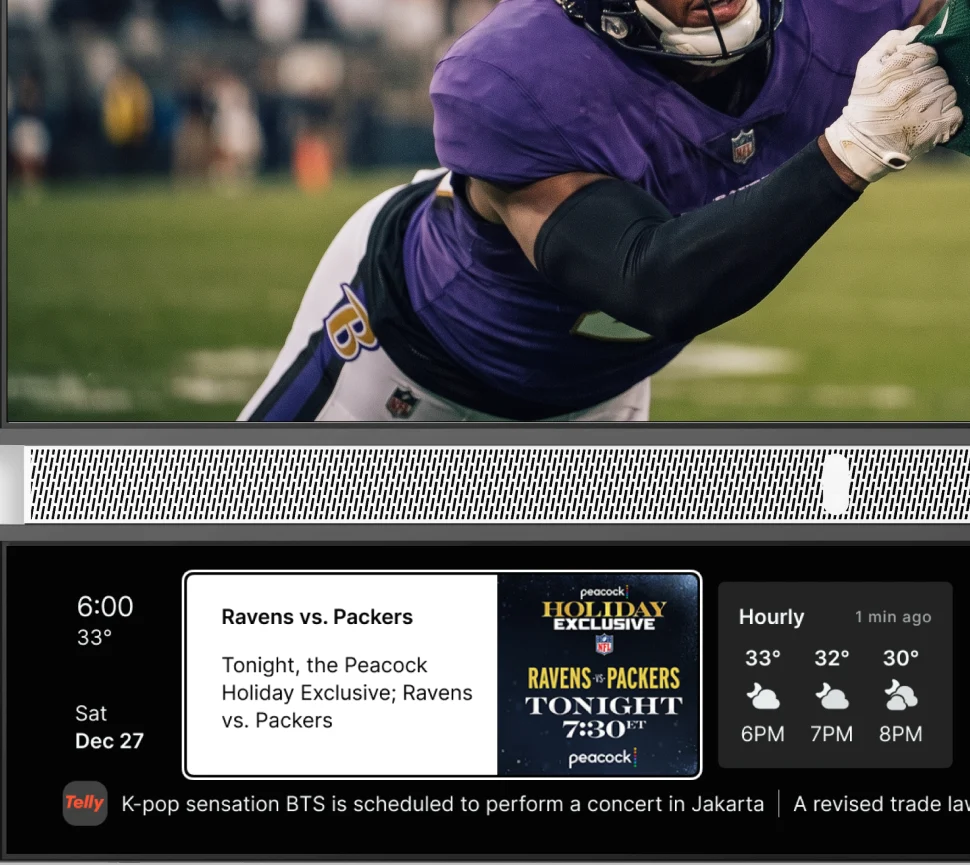
Telly, the innovative startup revolutionizing the television landscape by offering free smart TVs in exchange for user data and advertising exposure, is now making its distinct home screen advertisements available for programmatic buying. This strategic move, coupled with Telly’s active push for industry standardization, signals a significant effort to attract broader advertising spend and solidify its position in the burgeoning Connected TV (CTV) market. The company aims to create a more efficient and scalable advertising ecosystem for its unique advertising real estate.
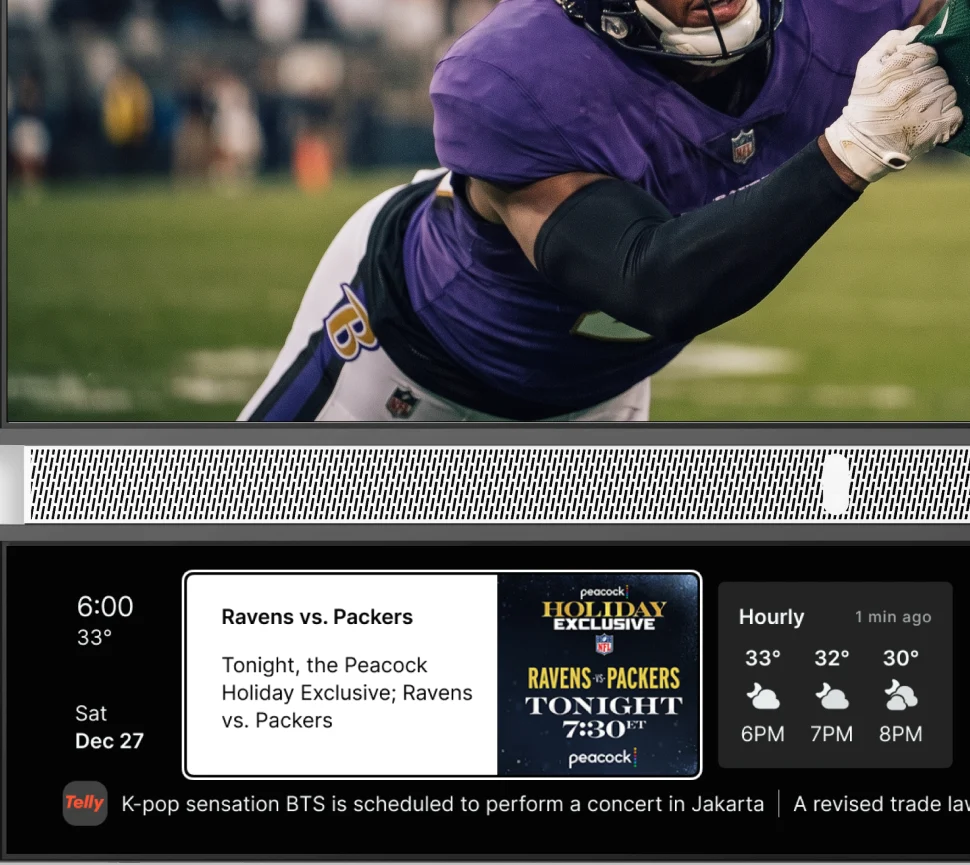
At the core of Telly’s offering is a smart TV experience that features a dual-screen setup. The main screen delivers the traditional television viewing experience, while a secondary, slimmer screen positioned below it runs a continuous stream of curated news and advertisements. It is within this secondary screen that Telly’s programmatic home screen ads are now accessible. Leveraging Magnite’s SpringServe ad server for ad delivery, Telly is already seeing demand from prominent demand-side platforms (DSPs) like The Trade Desk and Teads, indicating early market interest.
Mike Shehan, Telly’s Chief Revenue Officer (CRO), emphasized the critical role of programmatic enablement in achieving the necessary scale for home screen ads to gain traction. Shehan, a seasoned executive with a background as the former CEO of SpotX, a video supply-side platform acquired by Magnite for a substantial $1.17 billion in 2021, brings considerable expertise to Telly’s advertising strategy. His involvement underscores the company’s serious commitment to building a robust advertising business.
While Telly is not the first to offer programmatic advertising on smart TV home screens, its approach is marked by a proactive stance on industry collaboration. The company is actively working with the IAB Tech Lab to establish standardized specifications for home screen ads within the bidstream. This initiative is crucial for fostering wider adoption and ensuring that advertisers and agencies can confidently integrate Telly’s inventory into their media plans. The IAB Tech Lab concluded its public comment period for proposed spec updates in late June, with finalized signal updates following in July, creating a more standardized environment for this emerging ad format.
Shehan further highlighted Telly’s unique advantages, including the distinct second screen experience and access to rich first-party customer data. He argues that this combination provides superior targeting capabilities for home screen ads, ultimately driving better business outcomes for advertisers. This granular understanding of the user base allows for more precise ad placements, moving beyond broad demographic targeting to more nuanced behavioral and interest-based segmentation.
The Strategic Advantage of Telly’s Second Screen and Data
The subscription process for a Telly device is designed to be comprehensive, requiring users to complete an extensive questionnaire. This initial data collection goes significantly deeper than typical smart TV onboarding. Questions delve into household income, the number of residents, and crucially, detailed information about interests and behaviors. This includes brand preferences, insurance provider choices, the types of vehicles owned by household members, and whether these vehicles are leased or purchased.
"The questionnaire goes very deep on demographics, lifestyle, and brand loyalty," Shehan explained to AdExchanger. This wealth of information, when combined with Automatic Content Recognition (ACR) data – which tracks the content a user is viewing on the main screen – creates a powerful targeting engine. For instance, insurance providers can precisely target households identified as actively shopping for new policies, a level of specificity rarely achievable through traditional advertising channels.
The second screen itself is more than just a data conduit; it’s a dynamic advertising canvas. Its ability to operate independently of the main screen allows Telly to serve ads without interrupting the primary viewing experience, a significant departure from the disruptive nature of traditional commercial breaks. This also enables advertisers to reach consumers who opt for ad-free streaming on their main TVs but are still exposed to advertising on Telly’s secondary display.
Expanding Ad Formats and Driving Engagement
Beyond programmatic accessibility, Telly is also introducing longer-form home screen ad opportunities, with some extending up to five minutes, available through private marketplace deals facilitated by Magnite. Shehan believes that the combination of extended duration and the non-intrusive placement of these ads on the home screen fosters deeper engagement. He cited an example of a streaming service that experienced a five-fold increase in app opens when utilizing a five-minute home screen ad compared to a two-minute spot.
This innovative approach to ad formats is resonating with some media buyers. Mike Treon, Head of CTV and Video Strategy at PMG, expressed enthusiasm for the home screen’s potential. "The home screen has always been a powerful front door for us to engage viewers," Treon stated. "Telly extends that opportunity, giving brands a persistent presence that enhances engagement." This sentiment suggests that brands are recognizing the value of a dedicated, always-on advertising space within the living room environment.
The Path to Programmatic Maturity and Industry Standardization
The move towards programmatic home screen ads is part of a broader trend in the CTV advertising space. Other players have also recognized the potential of this inventory. Ad tech platform Nexxen, for example, made its native home screen ads programmatically available across a growing portfolio of TV manufacturers, including V (formerly VIDAA) and TiVo, starting last year. Similarly, Supply-Side Platforms (SSPs) like Magnite have been offering programmatic access to other ad placements, such as pause ads, for some time.
Telly’s distinct contribution lies in its proactive engagement with industry bodies to define standards. By working closely with the IAB Tech Lab to develop standardized specifications for home screen ads in the bidstream, Telly is not only aiming to attract more advertising spend but also to contribute to the maturation of the CTV advertising ecosystem. The finalization of these IAB Tech Lab updates in July provides a clearer framework for how these ad units should be signaled and transacted, fostering greater transparency and efficiency for buyers and sellers alike.
Data-Driven Targeting and Measurable Results
The depth of Telly’s first-party data collection is a key differentiator. By gathering detailed demographic, lifestyle, and brand loyalty information, Telly can offer advertisers the ability to reach highly specific audience segments. This granular targeting capability is crucial in an era where consumers are increasingly exposed to advertising and are more likely to engage with messages that are relevant to their needs and interests.
The ACR data complements this by providing insights into actual viewing behavior, allowing for even more precise audience segmentation. This fusion of declared data from user questionnaires and observed data from ACR enables Telly to create sophisticated audience profiles that can be leveraged for highly effective advertising campaigns. The potential for improved return on ad spend (ROAS) is a significant draw for advertisers looking to maximize the efficiency of their media investments.
Broader Implications for the CTV Advertising Landscape
Telly’s strategy has several implications for the broader CTV advertising landscape. Firstly, it underscores the growing importance of first-party data in an increasingly privacy-conscious world. As third-party cookies phase out, platforms that can effectively collect and leverage first-party data will have a significant advantage. Telly’s model, which incentivizes users to share data in exchange for a free device, is a unique way to build a rich first-party data asset.
Secondly, the focus on home screen advertising opens up new inventory opportunities beyond traditional ad breaks or overlays. This "always-on" advertising space offers brands a persistent presence in the living room, potentially leading to increased brand recall and consideration. The success of Telly’s longer-form ad units could also influence the development of new ad formats and measurement methodologies within CTV.
Finally, Telly’s commitment to industry standardization, through its collaboration with the IAB Tech Lab, demonstrates a recognition that the long-term success of its advertising business depends on the health and efficiency of the broader CTV ecosystem. By advocating for clear standards and best practices, Telly aims to build trust and confidence among advertisers and agencies, encouraging sustained investment in its platform.
The Future of Home Screen Advertising
The critical question moving forward is whether the initial enthusiasm for Telly’s home screen advertising model will translate into sustained, long-term investment. While the promise of granular targeting, unique inventory, and innovative ad formats is compelling, advertisers will ultimately look for measurable results and a demonstrable return on their media spend.
The success of Telly’s programmatic offering will hinge on its ability to consistently deliver engaged audiences and provide transparent reporting on campaign performance. As the CTV market continues to evolve, Telly’s innovative approach to advertising, built on data and a unique viewing experience, positions it as a noteworthy player to watch. The company’s proactive stance on industry standards suggests a long-term vision for growth, aiming to shape the future of how brands connect with audiences in the living room. The ongoing development and adoption of standardized specifications will be crucial in determining the ultimate scalability and widespread acceptance of home screen advertising as a significant component of CTV media plans.