Tuesday, August 18th, 2026 – 10:56 am
Doug Lauretano, a seasoned advertising executive with a career spanning over two decades across prominent publishing and supply-side programmatic platforms, has launched Tuple, a new demand-side platform (DSP) aimed at addressing a perceived crisis of trust and transparency within the digital advertising ecosystem. Lauretano, who previously held roles at industry giants like Fortune, The Wall Street Journal, CNN Money, OpenX, and Media.net, before joining data and advertising company CivicScience in 2021, identified significant systemic issues in the programmatic landscape during his tenure. His direct exposure to the intricate workings of DSPs, particularly while developing a deal ID and curation product at CivicScience, revealed what he described as "pretty ugly" mechanics that fostered animosity between the buy and sell sides of programmatic advertising.
This firsthand observation of a deeply fractured industry, characterized by what Lauretano terms a "programmatic trust gap," has directly informed the strategic foundation of Tuple. The new DSP, which officially went live in March 2026, is currently working with a select group of eight customers, including a major enterprise mobile brand that opted to speak to AdExchanger anonymously about their decision to partner with a nascent DSP over established incumbents. This move underscores a growing sentiment among advertisers seeking alternatives to the opaque and often contentious practices prevalent in the current ad tech market.
The Deepening Divide in Programmatic Advertising
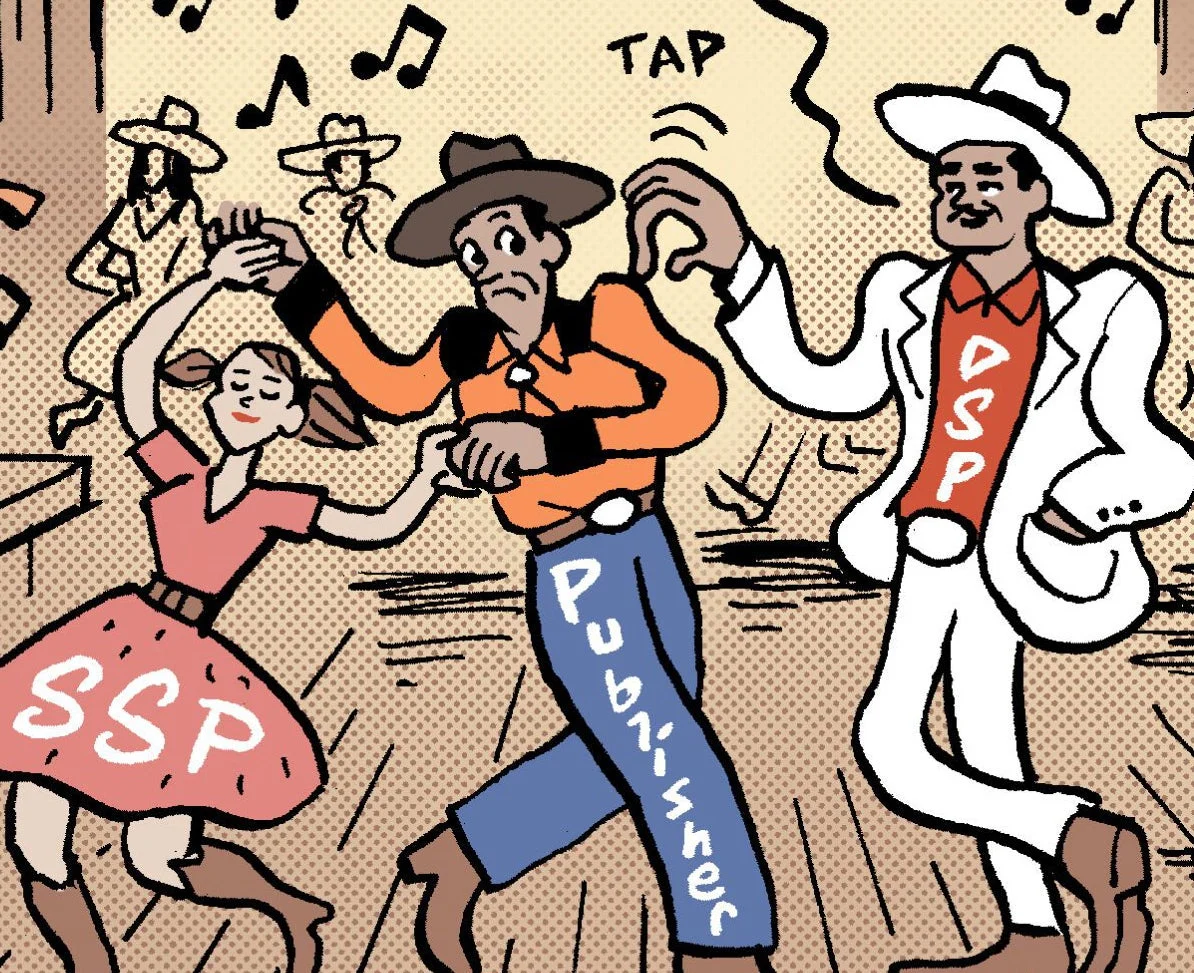
The launch of Tuple occurs at a critical juncture for third-party ad tech, a sector grappling with both technological evolution and a significant erosion of confidence. Lauretano articulates a palpable "animosity" between the buy and sell sides, a sentiment that has manifested in increasingly aggressive strategies and adversarial terminology. For instance, The Trade Desk’s strategic reclassification of Supply-Side Platforms (SSPs) as "resellers" in late 2025 signaled a shift in power dynamics and a potential undermining of the SSPs’ traditional role. Conversely, SSPs have been accused of employing tactics such as duplicitous bid inflation and the circumvention of frequency capping rules through sophisticated ID bridging mechanisms, further exacerbating the distrust.
"It’s almost like one is constantly trying to trick the other," Lauretano stated, encapsulating the pervasive feeling of a zero-sum game in programmatic transactions. This dynamic is further complicated by the ongoing technological upheaval driven by artificial intelligence (AI) and the rise of cloud-based ad tech infrastructure, often referred to as "containerization." These advancements are enabling DSPs, custom algorithm providers, and even media buyers themselves to embed their algorithms directly within SSPs, bypassing traditional DSP account seats and bidding from within the publisher’s environment.
This trend, Lauretano argues, is intrinsically linked to the trust deficit. The buy side’s reliance on opaque throttling and curation mechanisms within SSPs limits their visibility into the full spectrum of available inventory. While SSPs implement these measures for cost management and operational efficiency at global internet scale, the resulting rationing of impressions to individual DSPs creates a blind spot for advertisers. Containerized bidding models, however, offer the potential for buyers to witness every impression as it surfaces within an SSP, circumventing the query-per-second (QPS) limitations inherent in traditional DSP-SSP integrations. Consequently, Lauretano emphasizes that establishing trust between buyers and SSPs is becoming "almost as important" as the technological advancements themselves.
Tuple’s Differentiated Approach to Transparency and Efficiency
Tuple distinguishes itself by fundamentally rethinking the DSP model, moving away from the "willy-nilly" integration approach that has characterized the industry. Historically, DSPs like The Trade Desk, Beeswax, and Viant have integrated with hundreds of SSPs, leading to a fragmented and often redundant media landscape for advertisers. Tuple’s strategy is intentionally more focused.
Currently, Tuple has established a strategic integration with a single SSP: Media.net. This partnership is built on Lauretano’s extensive prior experience and a high degree of confidence in Media.net’s deal ID setups and overall operational integrity. The rationale behind this focused approach is to gain unparalleled visibility into programmatic inventory. While Tuple anticipates expanding its SSP integrations to a maximum of five in the short term, its long-term objective is to operate with just three highly curated SSP partners. This limited yet strategic selection, Lauretano contends, will enable Tuple to achieve comprehensive visibility into virtually every programmatically available impression.
"There are so few with exclusive supply," Lauretano explained, addressing the potential concern that a limited number of SSPs might not cover the entirety of programmatic inventory. He asserts that a curated selection of SSPs can indeed provide access to the vast majority of valuable inventory. Furthermore, Tuple prioritizes seeing each impression only once, thereby avoiding the inefficiencies and costs associated with bidding on duplicated inventory across multiple platforms. This approach directly counters the industry’s tendency to boast about extensive SSP integrations, which often lead to advertisers paying for redundant access.
Reclaiming Transparency in AI-Driven Advertising
Beyond the complexities of SSP integration, Lauretano also points to the opaque nature of AI-driven optimization features within many DSPs as a significant contributor to the trust deficit. He characterizes these as often "black-box" products where advertisers input desired outcomes and price points, leaving the platform to manage the campaign autonomously. This approach, Lauretano argues, forfeits a key advantage of transparent systems: the ability for advertisers to understand and leverage the intricate responses of the ad tech ecosystem to their bids.
"A platform with as little noise as possible has the best chance of being the best performer," Lauretano asserted. He criticizes AI-based optimization products that frequently sacrifice transparency, a trend observed not only in major platforms like Google’s Performance Max but also among third-party programmatic DSPs. For example, an advertiser might be unaware that their AI-optimized campaign is predominantly generating conversions from California, even when their strategic objective is to expand into other markets. Similarly, the DSP might prioritize cheaper display ads, disregarding the advertiser’s expectation of higher-quality inventory.
"AI products will follow what they view as performance, even when the buyer can’t see that the system is disregarding their preferences," Lauretano elaborated. He views this relinquishing of access and visibility by DSPs as "the original sin" of legacy tech, creating a void that startups like Tuple are poised to fill. By prioritizing clarity and control, Tuple aims to empower advertisers with a deeper understanding of their campaign performance and the underlying mechanics driving it.
Industry Reactions and Broader Implications
The launch of Tuple and Lauretano’s candid critique of the programmatic landscape have resonated with industry observers and advertisers alike. While major DSPs have yet to issue official statements specifically addressing Tuple’s entry or Lauretano’s claims, the underlying issues he highlights—transparency, trust, and the impact of containerization—are subjects of ongoing debate within industry forums and conferences.
An anonymous executive from the enterprise mobile brand partnering with Tuple commented, "We were drawn to Tuple’s philosophy of radical transparency. In a market where many players operate with layers of obfuscation, Tuple’s commitment to showing us exactly what we’re bidding on and how our campaigns are performing is a breath of fresh air. We believe this focused approach to SSP partnerships will yield better results and a clearer understanding of our ad spend."
The implications of Tuple’s strategy extend beyond its immediate customer base. If Tuple’s model of curated SSP partnerships and enhanced transparency proves successful, it could catalyze a broader industry shift. Advertisers might begin to demand similar levels of clarity and control from their DSP partners, potentially forcing incumbent platforms to re-evaluate their own operational models. The trend towards containerization also suggests a future where DSPs may need to offer more integrated and transparent solutions to remain competitive.
The success of Tuple could signal a turning point for programmatic advertising, moving it away from a landscape often perceived as adversarial and opaque towards one that prioritizes partnership, efficiency, and verifiable performance. As the industry navigates the complexities of AI, data privacy, and evolving technological infrastructures, initiatives like Tuple’s underscore the persistent need for innovation that places advertiser control and market integrity at its core. The coming months will be critical in determining whether Tuple can indeed live up to its promise of rebuilding trust and setting a new standard for DSP operations in the digital advertising era.