Siti Muinah
As the crucial seasonal rush approaches, Yoast, a leading provider of search engine optimization (SEO) tools, has announced a comprehensive update across its product suite, including Yoast SEO 28.9 and Yoast WooCommerce SEO 17.1. These releases introduce significant enhancements aimed at improving website accessibility, streamlining content management with advanced AI capabilities, and fortifying site security. The updates underscore a strategic focus on preparing digital platforms for peak traffic periods by ensuring optimal performance, inclusivity, and data protection. Website administrators and e-commerce store owners are urged to update their plugins promptly to leverage these new features and implement the critical security fix.
Comprehensive Enhancements for Peak Performance
The core of this latest release addresses several critical aspects of website management. Foremost among them are five new assessments designed to identify and rectify common issues within image alt text, ensuring images are accurately described for visually impaired users and search engines alike. This move signals a strengthened commitment to web accessibility standards, which are increasingly vital for legal compliance and an inclusive user experience. Concurrently, Yoast is expanding its integration with artificial intelligence tools, enabling users to leverage AI for a broader range of SEO tasks. For e-commerce platforms, specifically those utilizing Yoast WooCommerce SEO, a new "Fix with AI" feature promises to revolutionize the management of product image alt text, a historically time-consuming endeavor. Beyond these functional upgrades, the update includes crucial performance improvements for Yoast SEO for Shopify, a necessary visual adjustment to XML sitemaps in anticipation of browser changes, and a refreshed look for the MyYoast platform. Critically, the release also delivers a vital security patch to safeguard private content, a measure important year-round but especially pertinent as site activity escalates.
The Imperative of Accessible Alt Text: Five New Assessments
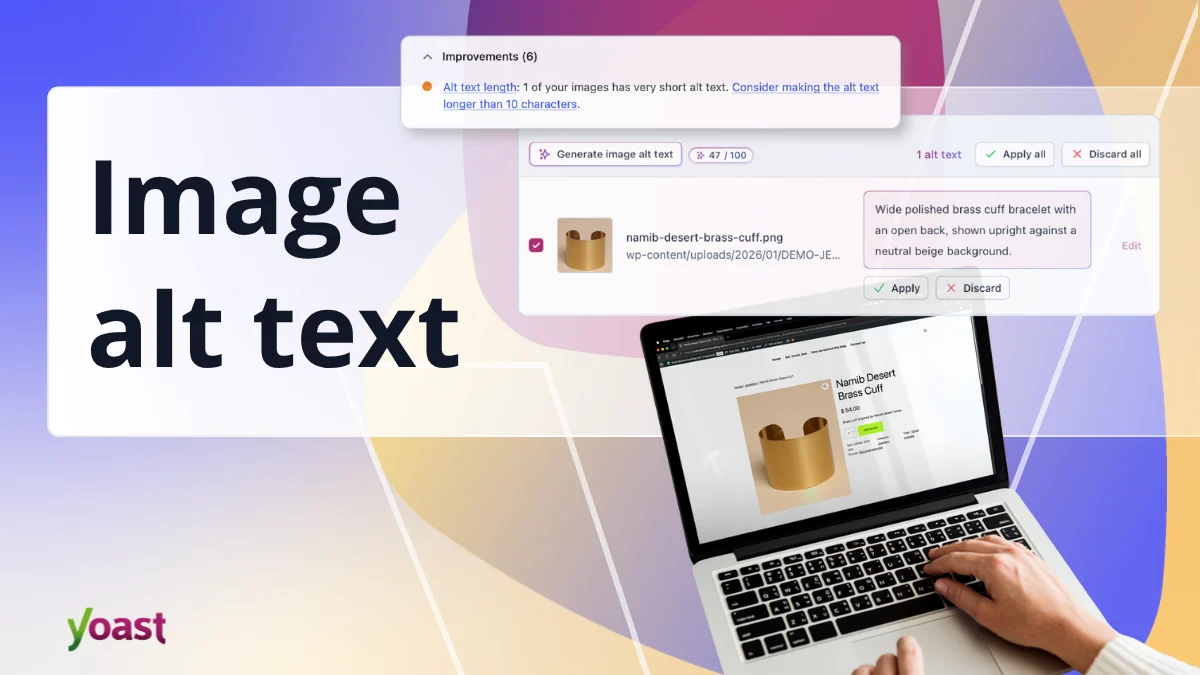
At the heart of Yoast’s accessibility drive are the five new image alt text assessments, now freely available within Yoast SEO for posts, pages, and products. Alt text, or alternative text, serves as a written description of an image, read aloud by screen readers for users who cannot see the image, and interpreted by search engines to understand image content. The significance of well-crafted alt text cannot be overstated; it is a cornerstone of web accessibility, mandated by guidelines such as the Web Content Accessibility Guidelines (WCAG) and legal frameworks like the Americans with Disabilities Act (ADA). Failure to provide adequate alt text can render websites inaccessible to millions of users with visual impairments, potentially leading to legal repercussions and a diminished user experience.
These new assessments target common pitfalls in alt text creation, moving beyond the previous singular focus on keyword inclusion. While keyword optimization remains a component of effective SEO, the updated approach prioritizes semantic accuracy and descriptive quality, ensuring the alt text genuinely describes the image’s content. This shift reflects an industry-wide trend towards user-centric SEO, where content relevance and accessibility take precedence over keyword density. The assessments will flag issues such as missing alt text, generic descriptions (e.g., "image1.jpg"), overly short or uninformative text, and instances where the alt text duplicates adjacent content, which can be confusing for screen reader users.
The beauty of these new assessments lies in their non-intrusive nature; they only appear when attention is required, negating the need for a "green traffic light" status. This intelligent design allows website owners to focus solely on actionable feedback. Moreover, the assessments run retroactively on existing content, meaning older posts and products will be scrutinized for compliance, providing a comprehensive audit opportunity. To facilitate large-scale improvements, Yoast has integrated new image alt text filters into its Bulk Editor, allowing site administrators to efficiently identify and address gaps across their entire domain. This systematic approach empowers users to tackle accessibility issues at scale, transforming what could be a daunting task into a manageable workflow.
AI-Powered Solutions for E-commerce: Yoast WooCommerce SEO 17.1
For online retailers, managing product galleries often means contending with hundreds, if not thousands, of images, each requiring accurate alt text. This challenge is particularly acute during high-volume seasons like the upcoming holidays. Recognizing this, Yoast WooCommerce SEO 17.1 introduces a groundbreaking "Fix with AI" feature directly integrated with the new alt text assessments. This innovation is a game-changer for e-commerce, where efficiency directly impacts profitability.
When an alt text issue is identified for a product image, the "Fix with AI" functionality steps in, leveraging artificial intelligence to generate a contextually relevant and descriptive alt text suggestion. The AI is designed to understand the nuances of product descriptions and imagery, crafting alt text that is both informative for screen readers and optimized for search engines. Crucially, users retain full control over the process; every AI-generated suggestion must be reviewed and approved before it is saved. This human oversight ensures accuracy, maintains brand voice, and mitigates any potential biases or inaccuracies that might arise from purely automated processes.
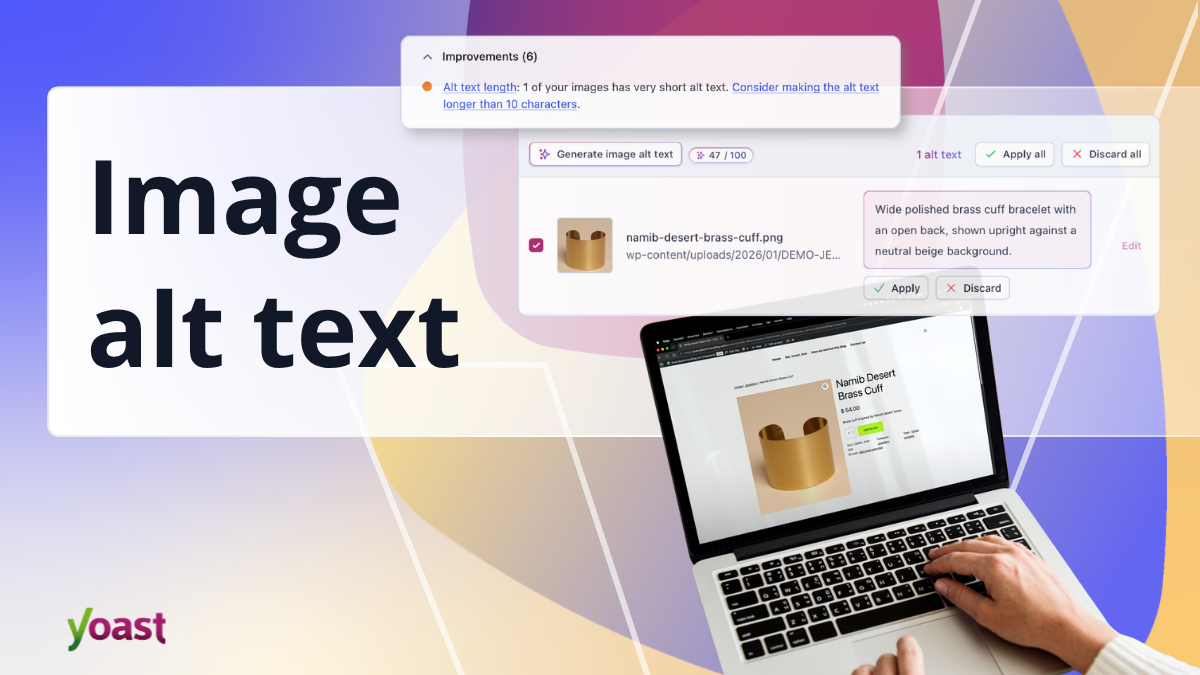
The benefits for e-commerce stores are manifold. By automating the initial generation of alt text, store owners and marketing teams can dramatically reduce the time spent on this crucial task, freeing up resources for other strategic initiatives. This efficiency gain is particularly valuable during the seasonal rush, enabling businesses to prepare their product listings faster and more thoroughly. The feature is available in both Yoast WooCommerce SEO and Yoast SEO AI+, extending its reach to a broader segment of Yoast’s user base. The integration of AI for alt text generation marks a significant step towards intelligent content optimization, positioning Yoast at the forefront of AI-assisted SEO tools.
Expanding AI Capabilities Across SEO Management
Beyond alt text, Yoast continues to deepen its integration with AI tools through its "Yoast SEO Abilities" framework. This feature allows users to connect their existing AI models and tools to read and update a wider array of SEO data directly within the WordPress environment. With Yoast SEO 28.9, these capabilities are significantly expanded, offering greater flexibility and control over AI-driven SEO strategies.
The new functionalities enable AI tools to manage critical SEO settings such as social media descriptions, focus keyphrases, canonical URLs, and redirect settings. This means that AI platforms, powered by the user’s own subscriptions, can now assist in optimizing content not just for search engine rankings but also for social media visibility and technical SEO health. For instance, an AI tool could analyze content, suggest optimal focus keyphrases, draft compelling social media snippets, and even recommend canonical URLs to prevent duplicate content issues.
It is important to note that Yoast acts as an enabler for these AI tools, providing the interface and framework, while the actual AI processing occurs through the user’s chosen AI model subscription. This approach offers flexibility and ensures that user data privacy and security are maintained within their own AI environments. The system also adheres strictly to WordPress user permissions, ensuring that AI tools can only access and modify data within the scope of the user’s authorization. This expansion of AI integration reflects the growing trend of leveraging intelligent systems to automate and refine complex SEO processes, making advanced optimization more accessible to a broader audience. A previously reported bug where Yoast SEO Abilities for posts couldn’t find a static homepage by its URL has also been addressed, ensuring seamless operation for various site configurations.
Adapting to Evolving Web Standards: XML Sitemaps and Browser Changes
The digital landscape is in constant flux, with web standards evolving to improve security, performance, and user experience. Yoast remains proactive in adapting to these changes, as evidenced by its update to how XML sitemaps are displayed in browsers. Browsers are phasing out XSLT (Extensible Stylesheet Language Transformations), an older technology responsible for rendering XML sitemaps into a human-readable, tabular format. Google Chrome, for example, has already begun issuing warnings when encountering sitemaps that still rely on XSLT.
To stay ahead of this impending change and ensure future compatibility, Yoast SEO will no longer use XSLT for sitemap display. Consequently, when a user opens an XML sitemap in their browser, they will now see the raw, plain code that search engines read. This shift is purely cosmetic for browser viewing; the underlying functionality and effectiveness of the XML sitemaps for search engines remain entirely unchanged. Search engines will continue to crawl and index pages listed in the sitemap precisely as before. This update is a testament to Yoast’s commitment to maintaining technical excellence and ensuring that its tools align with the latest web development best practices, alleviating potential future compatibility issues for its users.
Critical Security Fix: Protecting Private Content
Security is paramount in the digital realm, especially for websites handling sensitive information or operating behind authentication layers. Yoast SEO 28.9 includes a critical security fix addressing a vulnerability in the get_head REST endpoint. This endpoint is commonly utilized by headless WordPress sites and other tools to fetch SEO metadata, providing flexibility for modern web architectures.
The identified bug allowed the (auto-generated) social description of private and protected posts and pages to be leaked to visitors who were not authorized to view them. While the primary content of these posts remained secure, the exposure of social descriptions could inadvertently reveal sensitive information or compromise the intended privacy of the content. Such vulnerabilities, even seemingly minor ones, can have significant implications for data privacy and compliance. In an era where data breaches are increasingly common and regulations like GDPR and CCPA impose stringent requirements, safeguarding all forms of content, including metadata, is crucial. Yoast strongly recommends that all users update to Yoast SEO 28.9 immediately to apply this essential security patch, thereby fortifying their websites against potential information leaks and upholding user trust.
Enhanced Experience for Shopify Users and MyYoast Refresh
The seasonal rush places immense pressure on e-commerce platforms, where every millisecond of loading time can impact conversion rates. Recognizing this, Yoast SEO for Shopify has received performance enhancements designed to make the plugin load faster. Improved site speed directly translates to a better user experience, reduced bounce rates, and potentially higher sales during peak shopping periods. Studies consistently show that even a one-second delay in page load time can lead to a significant drop in customer satisfaction and conversions.
In addition to speed improvements, Yoast SEO for Shopify now offers a more intuitive content management experience. Content lists will now remember users’ applied filters, search queries, and sort orders when they navigate away to edit an item and then return. This quality-of-life improvement streamlines workflow, reduces repetitive tasks, and enhances overall productivity for Shopify store administrators.
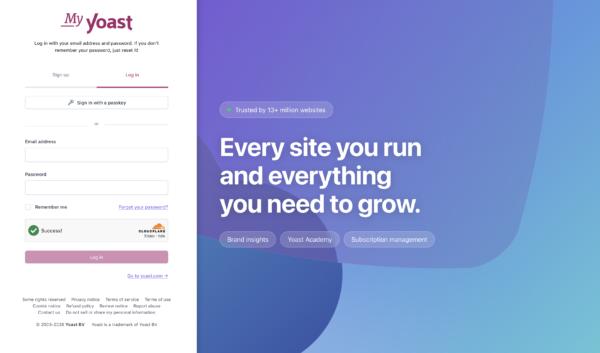
Finally, the MyYoast platform, the central hub for managing licenses, accessing Yoast SEO Academy courses, and utilizing features like Yoast AI Brand Insights, has received a visual overhaul. The login screen now sports a fresh, modern look, designed to improve the user experience and align with Yoast’s evolving brand identity. While the core functionality remains the same, the refreshed interface provides a more aesthetically pleasing and intuitive gateway to Yoast’s suite of services. This update reflects a continuous effort to enhance the user journey across all touchpoints within the Yoast ecosystem.
The Broader Implications and Call to Action
The latest Yoast releases are more than just a collection of new features; they represent a strategic evolution in how website owners approach SEO, accessibility, and site security. By emphasizing user-centric design through enhanced alt text assessments, integrating powerful AI capabilities, and proactively addressing security vulnerabilities, Yoast is equipping its users with the tools necessary to thrive in an increasingly competitive and complex digital landscape.
The focus on accessibility is particularly significant. With an estimated 15% of the global population experiencing some form of disability, making websites accessible is not just a legal requirement but a moral imperative. Yoast’s tools simplify this process, helping businesses reach a wider audience and avoid potential legal challenges. The advancements in AI integration underscore the growing trend of leveraging artificial intelligence to automate and refine SEO tasks, moving towards a future where intelligent systems play an even larger role in content optimization and digital strategy.
For e-commerce, the timing of these updates, ahead of the seasonal rush, is critical. Improved performance, streamlined alt text management, and robust security measures can provide a significant competitive advantage, enabling businesses to maximize their sales potential during their busiest periods. The security fix, in particular, highlights the continuous need for vigilance in online security, reminding all website administrators of the importance of regular updates.
Yoast encourages all users to update to Yoast SEO 28.9, and to Yoast WooCommerce SEO 17.1 if they operate an online store. This immediate action will not only unlock a suite of powerful new features designed to enhance site performance, accessibility, and AI integration but also ensure the critical security patch is applied, protecting private content and maintaining site integrity. Updating now ensures that websites are fully optimized and secure, ready to capitalize on the opportunities presented by the upcoming seasonal surge.


 Raul Delapena Setiawan

 Azzam Bilal Chamdy