New York, NY – September 9th, 2026 – Telly, the innovative media company known for distributing free smart TVs in exchange for user data and ad exposure, has officially opened its home screen advertising inventory to programmatic buying. This strategic move, coupled with a concerted push for industry-wide standards, signals Telly’s ambition to attract significant advertising spend and reshape the connected TV (CTV) advertising landscape.
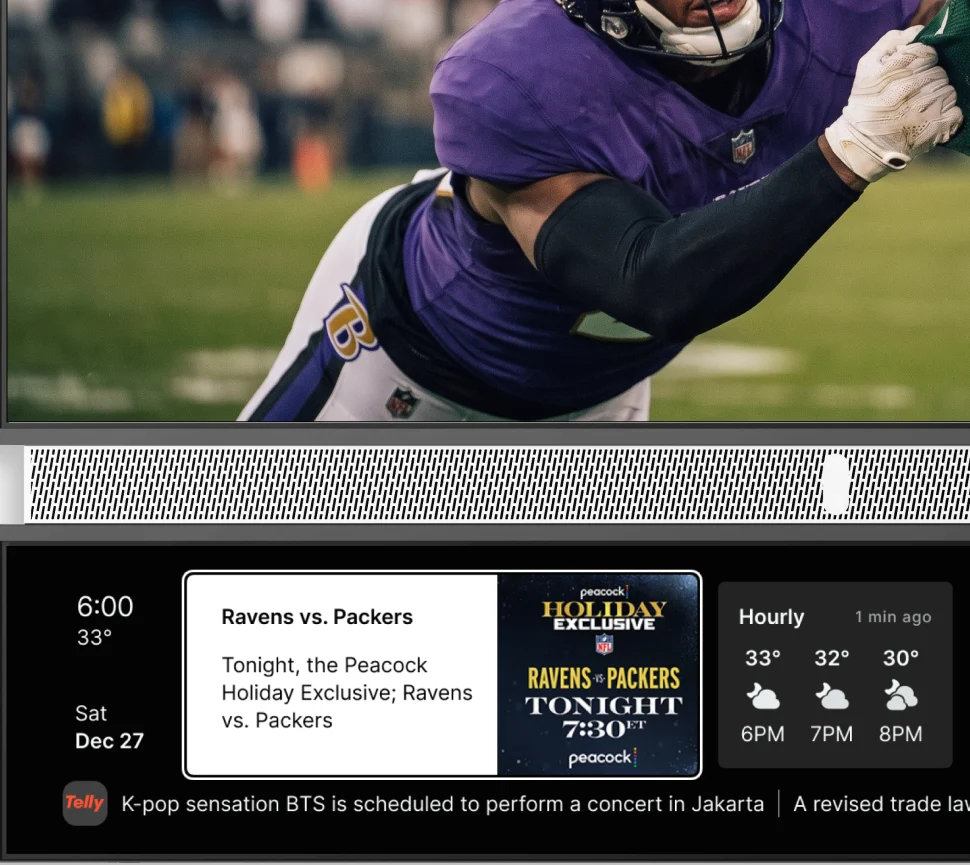
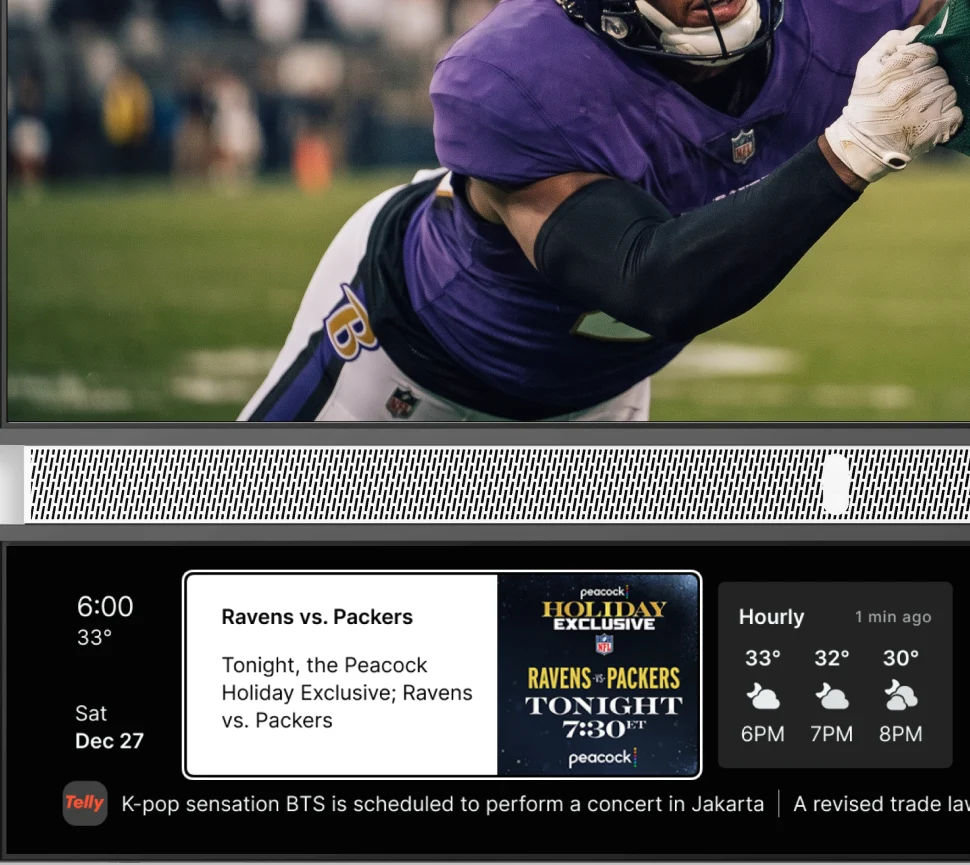
The core of Telly’s offering lies in its unique dual-screen television hardware. The primary display functions as a standard smart TV, while a secondary, smaller screen positioned beneath it continuously displays curated content, including news headlines and advertisements. It is this secondary screen that now hosts Telly’s programmatic home screen ads. The company leverages Magnite’s SpringServe ad server for ad delivery, with demand-side platforms (DSPs) such as The Trade Desk and Teads actively participating in the auctions.
While programmatic advertising on smart TV home screens is not an entirely new concept, Telly’s approach distinguishes itself through its commitment to standardization and its robust first-party data capabilities. Mike Shehan, Telly’s Chief Revenue Officer and a former CEO of the prominent video supply-side platform SpotX (acquired by Magnite for $1.17 billion in 2021), emphasized the necessity of programmatic enablement for achieving the scale required for home screen advertising to gain traction.
"For home screen ads to truly resonate and achieve the necessary impact, they require scale and efficiency," Shehan stated in an interview. "Programmatic buying is the key to unlocking that scale, allowing brands to reach the right audiences at the right time with precision. Our collaboration with industry bodies and our focus on standardized formats are crucial steps in building advertiser confidence and driving investment in this emerging ad space."
Pioneering Standards for a Fragmented Market
The connected TV advertising market, while experiencing rapid growth, has historically suffered from fragmentation and a lack of standardized ad formats, which can hinder efficient buying and campaign management. Telly is actively addressing this challenge by working closely with the IAB Tech Lab, a global consortium that develops technical standards for digital advertising.
The IAB Tech Lab recently finalized updates to its specifications for CTV ad formats, a process that Telly actively participated in. The public comment period for these proposed spec updates closed at the end of June, with the finalized signal updates released in July. By aligning with these emerging industry standards, Telly aims to ensure that its home screen ad inventory is easily discoverable, auditable, and compatible with the existing programmatic ecosystem. This standardization is expected to lower the barrier to entry for advertisers and agencies, fostering greater trust and investment in Telly’s platform.
This initiative positions Telly as a proactive player in shaping the future of CTV advertising. While other ad tech platforms, such as Nexxen, have also made their native home screen ads programmatically available across various TV manufacturers like V (formerly VIDAA) and TiVo, Telly’s deep integration with industry standardization efforts and its unique data proposition set it apart. Supply-side platforms (SSPs) like Magnite have also been offering programmatic access to other ad placements, such as pause ads, for some time.
Leveraging First-Party Data for Enhanced Targeting
A significant differentiator for Telly is its access to rich, first-party customer data, gathered through an extensive onboarding process for users who opt to receive a Telly device. Upon signing up, new users are required to complete a comprehensive questionnaire covering a wide range of demographic, lifestyle, and behavioral attributes. This includes detailed information such as household income, the number of occupants, brand preferences, insurance providers, vehicle ownership (including make, model, and ownership status – leased or owned), and more.
"Our onboarding process goes very deep into demographics, lifestyle, and brand loyalty," explained Shehan. "When this data is combined with Automatic Content Recognition (ACR) data – which reveals what content a viewer is consuming – we are able to enable incredibly precise targeting for advertisers. For instance, we can identify households that are actively in the market for a new insurance policy and serve them relevant advertisements."
This granular understanding of the Telly user base allows for highly targeted ad campaigns, moving beyond broad demographic segmentation to behavioral and intent-based targeting. This capability is particularly valuable for advertisers seeking to reach specific consumer segments with tailored messaging, driving higher engagement and conversion rates. The combination of rich first-party data and advanced targeting capabilities is a powerful proposition for brands looking to maximize their advertising ROI.
The Power of the Second Screen: Non-Disruptive Engagement
The Telly second screen plays a crucial role beyond data collection. Its ability to function independently of the main TV screen allows for advertisements to be displayed without interrupting the primary viewing experience. This "always-on" presence offers a unique opportunity for brands to maintain continuous visibility and engage viewers in a less intrusive manner compared to traditional commercial breaks.
Furthermore, Telly’s platform provides advertisers with a direct channel to reach consumers who opt for ad-free streaming services on their primary screens. By offering an alternative advertising touchpoint on the home screen, Telly effectively extends the reach of brands into these otherwise ad-free viewing environments.
Expanding Ad Formats and Driving Engagement
Beyond its programmatic offerings, Telly is also innovating with ad formats. The company is making longer home screen ads, up to five minutes in duration, available through private marketplace (PMP) deals facilitated by Magnite. Shehan highlighted that this extended duration, coupled with the non-disruptive placement on the home screen, is proving highly effective for driving user engagement.
"The home screen has always been a powerful front door for us to engage viewers," commented Mike Treon, Head of CTV and Video Strategy at PMG, a prominent media buying agency. "Telly extends that opportunity, giving brands a persistent presence that enhances engagement. We’ve seen compelling results, and the ability to deliver longer-form, contextually relevant content in this prime real estate is a game-changer."
As a testament to the effectiveness of these longer ad formats, Telly shared an anonymized case study where a streaming service partner achieved five times more app opens with a five-minute home screen ad compared to a similar campaign utilizing a two-minute ad. This data suggests that when delivered in a relevant and non-disruptive manner, longer ad formats can significantly boost campaign performance.
Implications for the Advertising Industry
Telly’s strategic move to embrace programmatic advertising on its home screens, coupled with its commitment to standardization and its robust data capabilities, has several significant implications for the broader advertising industry:
- Increased Investment in CTV: By making a premium ad placement like the home screen programmatically accessible and standardized, Telly is lowering the barriers for advertisers and agencies to invest in CTV. This could lead to a further acceleration of ad spend shifting from traditional media to connected TV.
- Evolution of Ad Formats: The success of longer, non-disruptive ad formats on the home screen could influence the development of new ad units across the CTV ecosystem, encouraging creativity and a focus on user experience.
- Data-Driven Advertising: Telly’s reliance on rich first-party data underscores the growing importance of data in driving effective advertising. Brands that can leverage similar data strategies will likely see improved campaign performance.
- Standardization as a Catalyst: Telly’s proactive engagement with the IAB Tech Lab highlights the critical role of standardization in maturing the programmatic CTV market. As more players adopt standardized formats, the efficiency and transparency of the ecosystem will improve.
- Competitive Landscape: Telly’s unique model of providing free hardware in exchange for data and ad exposure creates a distinct competitive advantage. It challenges traditional smart TV manufacturers and ad platforms to innovate and offer compelling value propositions to both consumers and advertisers.
While the enthusiasm from media buyers is palpable, the true measure of Telly’s success will be its ability to translate this initial interest into sustained, long-term investment. The company’s ongoing efforts to drive standardization, coupled with the demonstrable effectiveness of its unique advertising model, position it as a significant player to watch in the evolving CTV advertising space. The coming months and years will reveal whether Telly’s vision for a data-rich, programmatically driven home screen advertising future becomes the industry standard.