Dwi Wanna
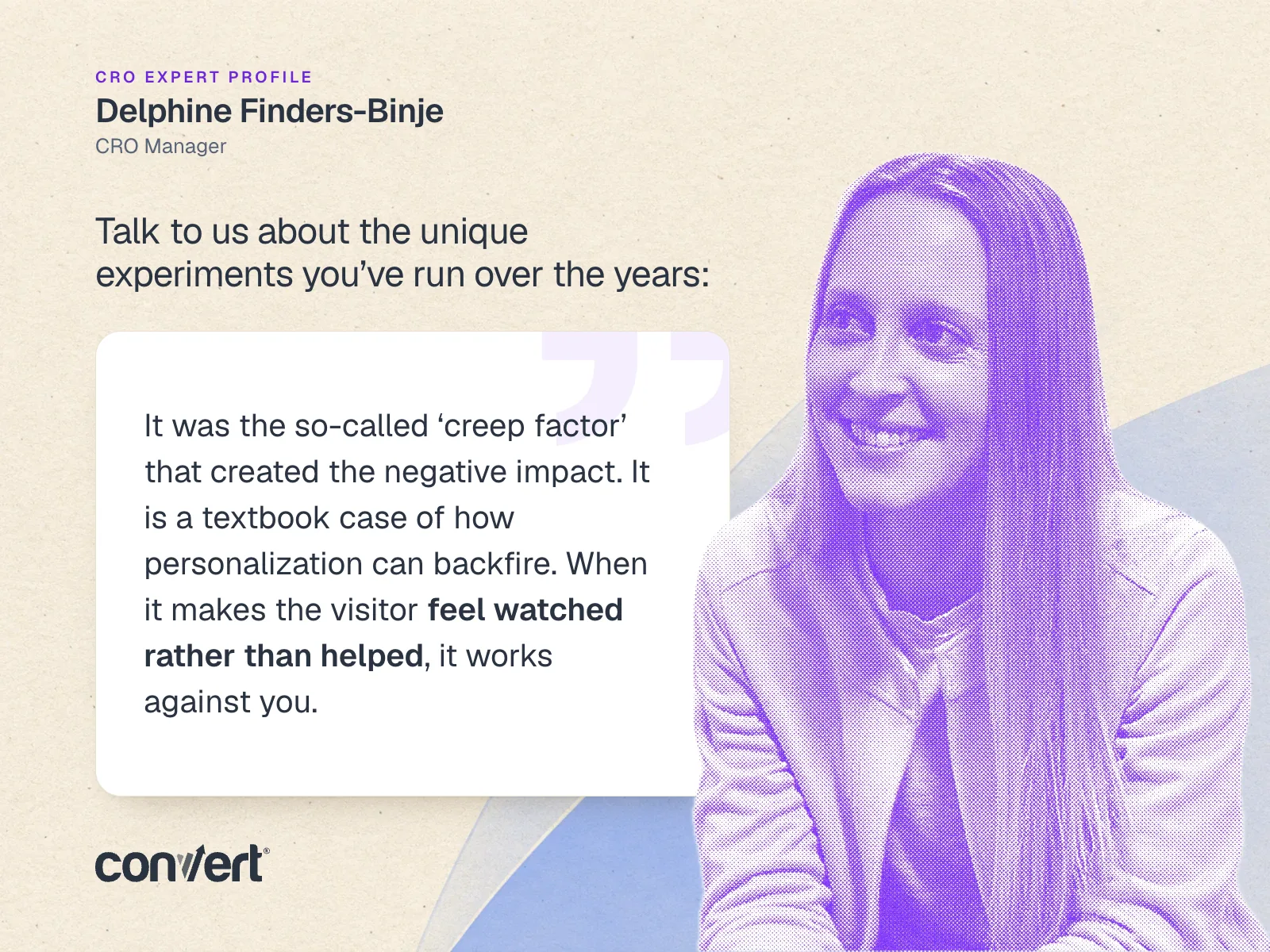
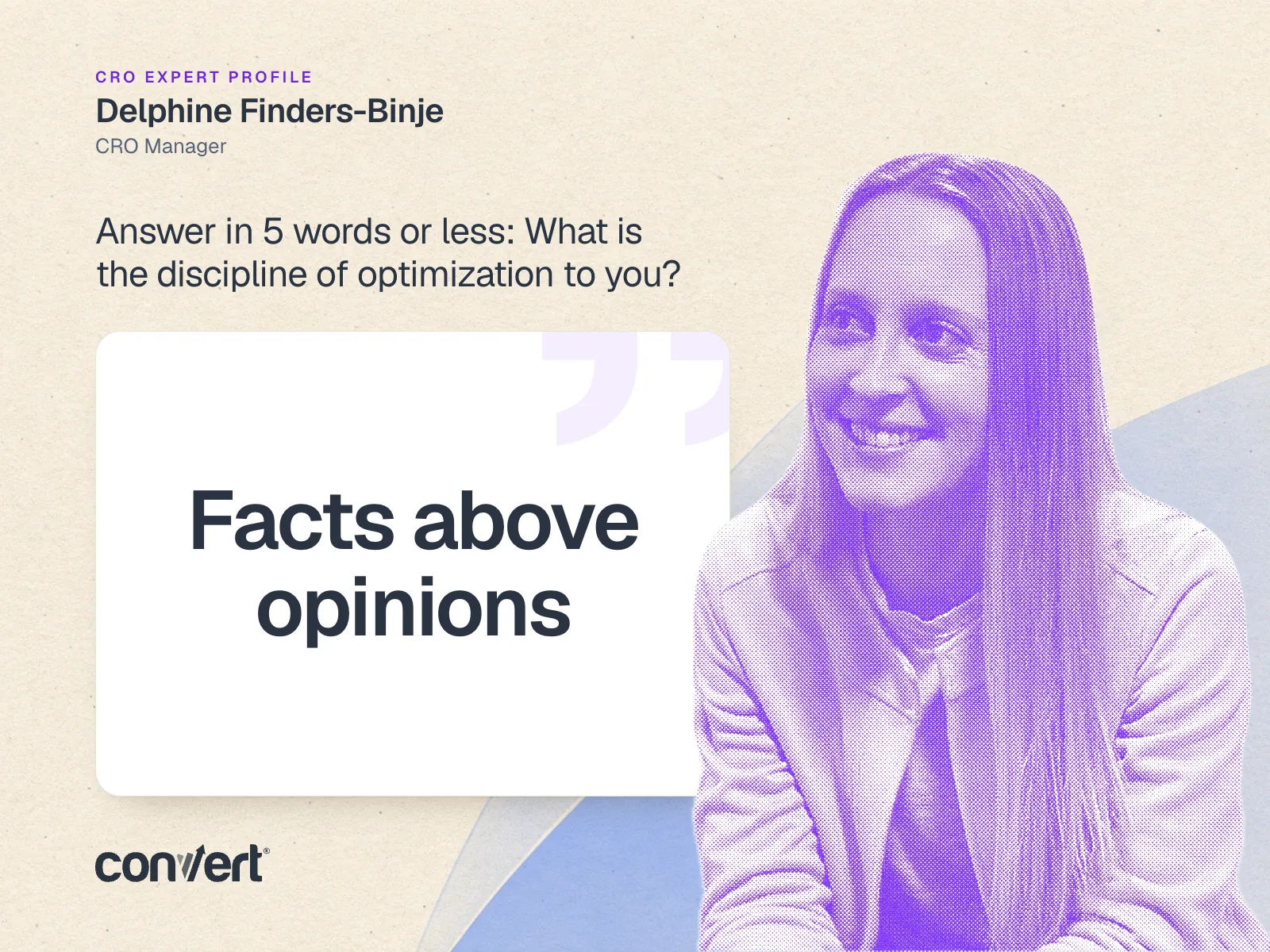
The professional landscape of digital experimentation is currently undergoing a transformative shift, driven by the dual forces of advanced artificial intelligence and a maturing understanding of consumer psychology. Delphine Finders-Binje, a veteran experimentation expert with over 250 A/B tests under her belt, recently shared her strategic "playbook" as part of the Testing Mind Map series. Her insights offer a comprehensive look at how the discipline of Conversion Rate Optimization (CRO) is moving away from mere execution toward a high-value focus on strategy, judgment, and the ethical integration of automated technologies. Finders-Binje’s perspective is rooted in a lifelong proximity to the scientific method, which she has refined into a professional philosophy summarized by a single guiding principle: prioritizing objective facts over subjective opinions.
The Evolution of an Experimenter: From Natural Observation to Professional Optimization
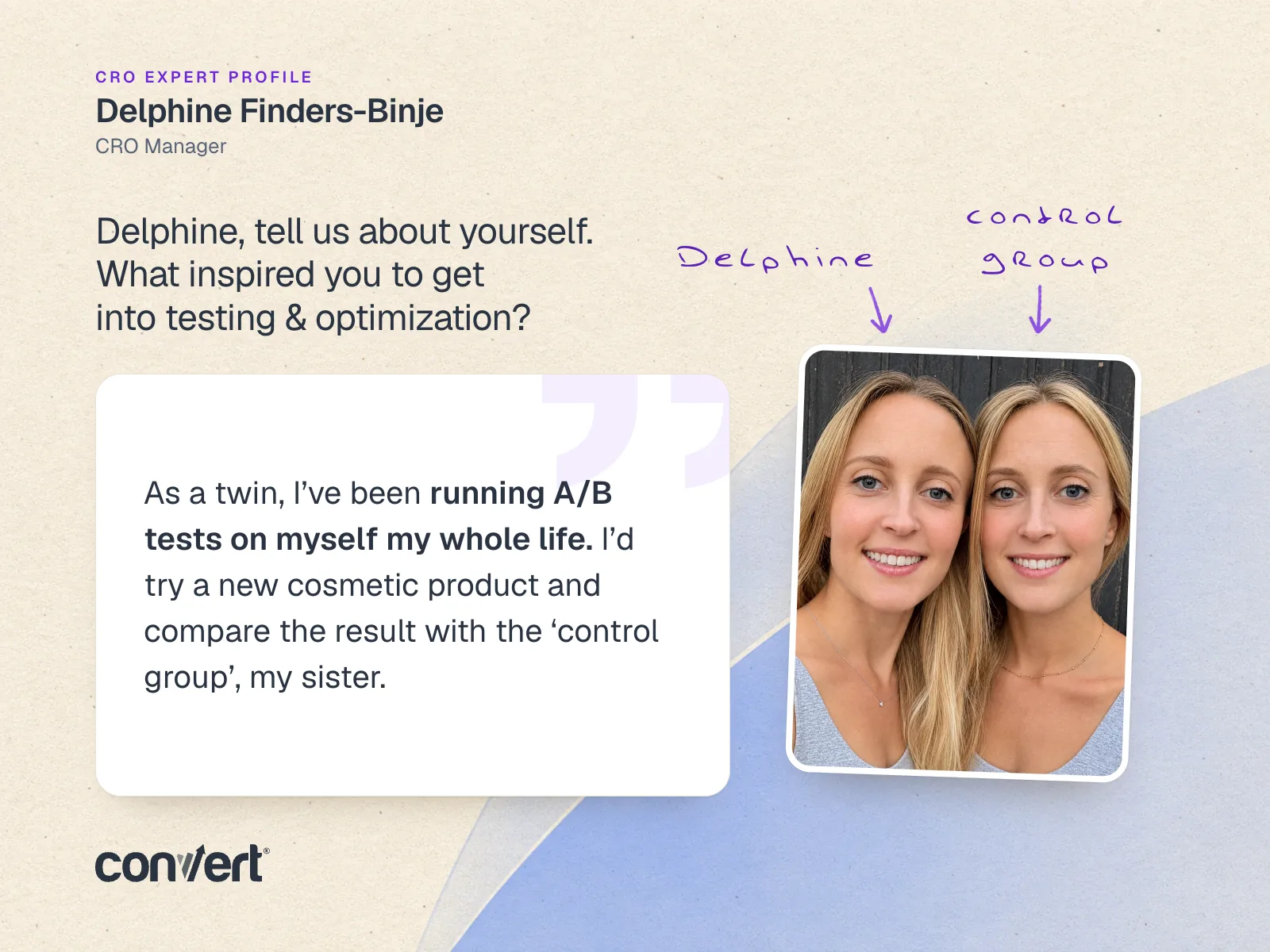
The career trajectory of Delphine Finders-Binje provides a unique case study in the development of an analytical mindset. While many professionals enter the field of digital marketing through traditional academic routes or pivot from general web development, Finders-Binje describes her entry into experimentation as an almost biological inevitability. As a twin, she spent her formative years engaged in what she calls "natural A/B testing," using her sister as a control group for various lifestyle and cosmetic choices. This early exposure to comparative analysis laid the groundwork for a career defined by the pursuit of optimization.
Despite an initial interest in the creative and physical side of marketing—such as traditional posters and television commercials—her path was redirected toward the digital sphere, influenced in part by her father’s background as a developer. This intersection of creativity and technical rigor led her to discover A/B testing tools during an internship, an event that synthesized her interests in psychology, creativity, and data analysis. Today, at 32, she views the discipline not merely as a set of technical tasks but as a fundamental approach to problem-solving that demands an "inspector-of-finished-work" level of attention to detail.

The Methodology of Modern Experimentation
The core of Finders-Binje’s approach is the rigorous application of data to settle internal corporate debates. In an industry often plagued by the "Highest Paid Person’s Opinion" (HiPPO) syndrome, she advocates for a strict adherence to evidence. This methodology is becoming increasingly critical as the volume of data available to businesses grows exponentially.
Supporting data from industry reports suggests that organizations that prioritize data-driven decision-making are three times more likely to report significant improvements in decision-making efficacy. Finders-Binje’s work aligns with this trend, emphasizing that the role of the experimenter is to act as a neutral arbiter between competing hypotheses. By running over 250 tests, she has established a repository of learnings that demonstrate that even "failed" tests—those that do not result in a positive lift—provide invaluable data that prevents the implementation of sub-optimal features.
AI as a Strategic Catalyst in the Workflow
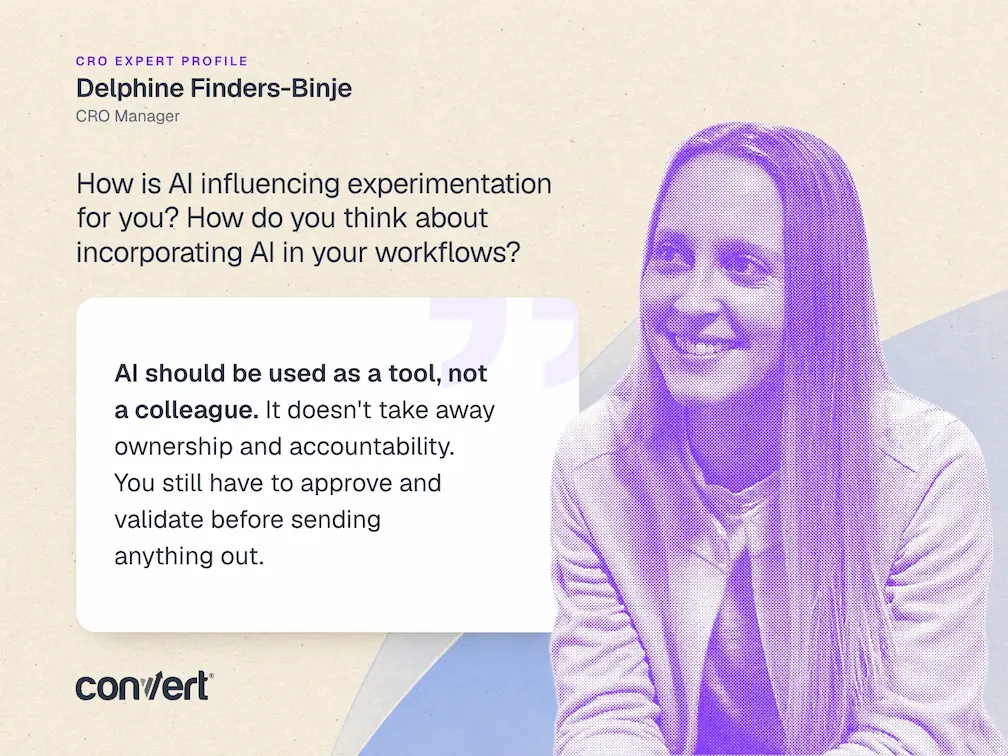
A significant portion of the modern experimenter’s time is now dedicated to the integration of Artificial Intelligence. Finders-Binje compares AI to a "ball" in a sports context: the tool itself is neutral, and its value is determined entirely by the purpose and skill of the user. Her current workflow utilizes AI not as a replacement for human staff, but as a sophisticated tool for offloading repetitive, execution-heavy tasks.
The integration process involves several key stages:
- Results Analysis: AI is employed to parse complex data sets from A/B tests, identifying patterns that might be missed by manual review.
- Contextual Review: The technology reviews test details, including screenshots and previous iterations, to ensure continuity and historical context.
- Tailored Reporting: One of the most significant efficiency gains is the use of AI to generate stakeholder-specific reports. For instance, a web analyst receives a report heavy on statistical figures and technical data, while a product manager receives a summary focused on outcomes, general learnings, and strategic implications.
The financial implications of this automation are substantial. Finders-Binje reports that by integrating AI into her workflows, she was able to save 16 hours of manual labor per testing period for a medium-sized client. This time saving is valued at approximately $35,000—capital that can then be reinvested into higher-level strategy or increasing the overall velocity of the testing program.
The Psychology of Personalization and the "Creep Factor"
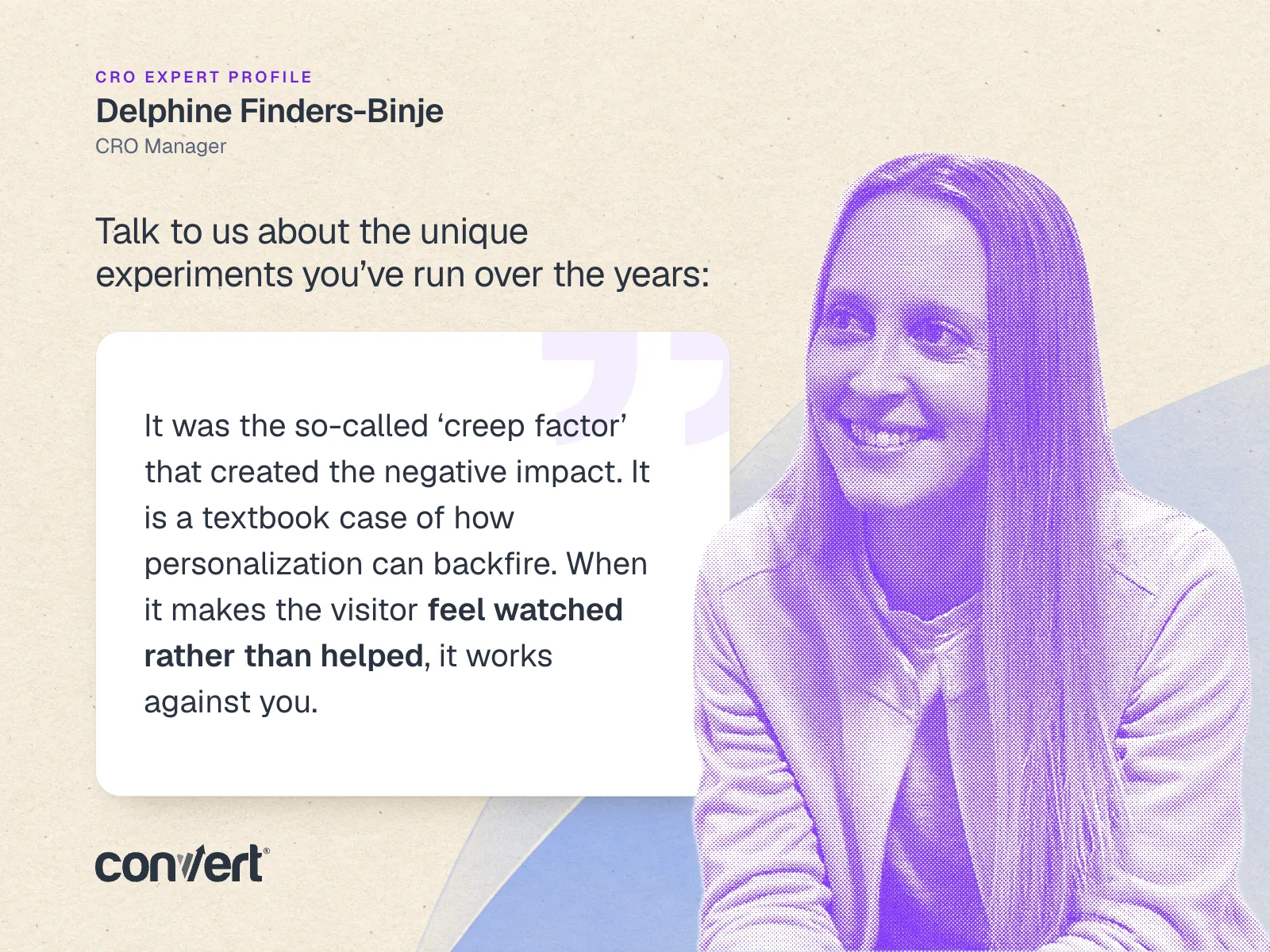
A recurring theme in Finders-Binje’s playbook is the delicate balance between personalization and user privacy. As e-commerce platforms strive to provide more relevant experiences, they risk alienating users through over-personalization. Finders-Binje highlights a specific case study involving a grocery e-commerce platform that attempted to replace a generic homepage carousel with a personalized selection of "relevant products."
Initial results were counterintuitive: revenue per visitor dropped by 5%. Through iterative testing and deep-dive analysis, it was discovered that the design and product logic were sound, but the framing was flawed. The title of the section, "Products from your last order," triggered what is known in UX circles as the "creep factor." Visitors felt watched rather than helped, leading to psychological reactance and a decrease in engagement.
The solution was deceptively simple: the team removed the intrusive title while keeping the personalized product logic intact. This adjustment resulted in a 4% lift in revenue per visitor. This case serves as a broader lesson for the industry: personalization is most effective when it is seamless and helpful, rather than explicit and surveillance-oriented.
Chronology of Industry Shifts and Future Projections
The evolution of CRO can be categorized into three distinct eras, according to the insights provided by the Testing Mind Map series:
- The Early Era (2000s – 2010s): Focus on "button colors" and basic tactical changes. Limited toolsets and low organizational buy-in.
- The Maturity Era (2010s – 2020s): Rise of sophisticated platforms like Convert, Optimizely, and VWO. Focus on statistical significance and full-funnel optimization.
- The AI-Augmented Era (2023 – Present): Shift toward rapid execution, automated reporting, and the "offloading" of execution to machines, leaving humans to focus on strategy and ethics.
Finders-Binje notes that as companies transition into this third era, there is an increased appetite for speed. However, speed without rigor is a liability. The modern practitioner must adjust by focusing on meticulous documentation and process design, as these elements serve as the "fuel" for AI and automation systems.

Broader Impact and Implications for the Workforce
The integration of AI in experimentation raises inevitable questions regarding job security. Finders-Binje addresses this by drawing a parallel to the adoption of the internet. While the internet made certain roles redundant, it created an entirely new ecosystem of employment. In the context of CRO, tasks that involve "copy-pasting" and basic data entry are being phased out in favor of more technical work involving integration building and strategic judgment.
The consensus among experimentation experts is that while AI can handle the how of execution, it lacks the capability to determine the why of strategy. Humans remain essential for:

- Judgment: Deciding which tests are worth running based on business goals.
- Empathy: Understanding the subtle psychological nuances, such as the "creep factor," that data alone might not explain.
- Accountability: Taking ownership of the ethical implications of data usage and experimental design.
Conclusion: The New Standard for Experimentation
The interview with Delphine Finders-Binje underscores a pivotal moment for the CRO industry. The discipline is moving beyond the "tidy" version of experimentation often presented in case studies and into a more complex, automated, and psychologically nuanced reality. For practitioners, the message is clear: the path to success lies in embracing automation to free up cognitive bandwidth for high-value strategic work.
As the Testing Mind Map series continues to document the playbooks of global experts, a clear picture emerges of an industry that is becoming more rigorous, more efficient, and more deeply integrated into the core of business strategy. The shift from "opinion-based" marketing to "fact-based" optimization is no longer a luxury but a requirement for survival in a competitive digital economy. Organizations that fail to optimize their internal processes with the same fervor they apply to their external websites risk being outpaced by more agile, data-driven competitors.

 Reynand Wu