
 rifanmuazin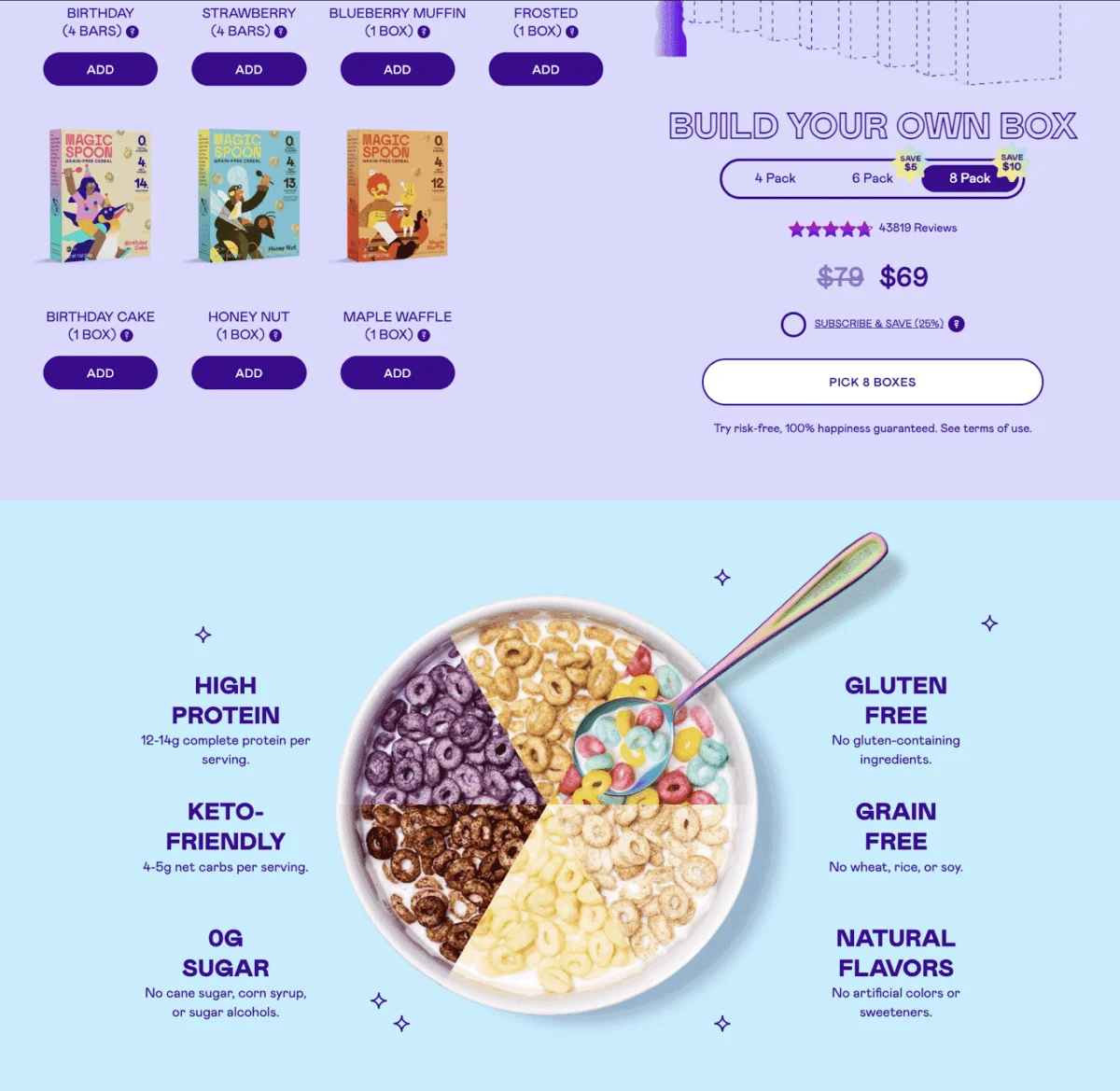
In the increasingly competitive landscape of digital retail, the architecture of e-commerce category pages has transitioned from simple product directories to sophisticated conversion engines that define the user experience. Industry data suggests that the category page—often referred to as the “listing page”—serves as the critical bridge between a consumer’s initial search and the final purchase decision. When these pages are poorly optimized, characterized by slow loading times or cluttered layouts, they become a primary source of “bounce” behavior, where potential customers abandon a site in favor of more intuitive competitors. Conversely, a high-performing category page utilizes clear navigation, intelligent filtering, and strategic content to guide the shopper seamlessly through the sales funnel.

The modern history of e-commerce merchandising has seen a significant shift in how category pages are perceived. In the early 2000s, these pages were largely static lists of items with minimal metadata. By the 2010s, the rise of responsive web design and mobile-first indexing forced retailers to prioritize speed and layout flexibility. Today, in the 2020s, the focus has pivoted toward hyper-personalization and data-driven optimization. Analysts note that as mobile commerce continues to dominate, the stakes for category page design have never been higher. Projections indicate that by 2025, nearly 79% of all e-commerce sales will be conducted via mobile devices, making mobile-responsive category layouts a fundamental requirement for business survival rather than a secondary luxury.
The Foundation of Performance: Defining Strategic Objectives
The development of an effective category page begins with the establishment of clear, measurable objectives. Retailers must move beyond the vague goal of “increasing sales” and instead focus on specific Key Performance Indicators (KPIs) that reflect both user satisfaction and business health. These metrics typically include the Bounce Rate, which measures the percentage of visitors who leave the site after viewing only one page; the Click-Through Rate (CTR), which tracks how many users progress from the category page to a specific product page; and the Conversion Rate, the ultimate measure of how many visitors complete a transaction.
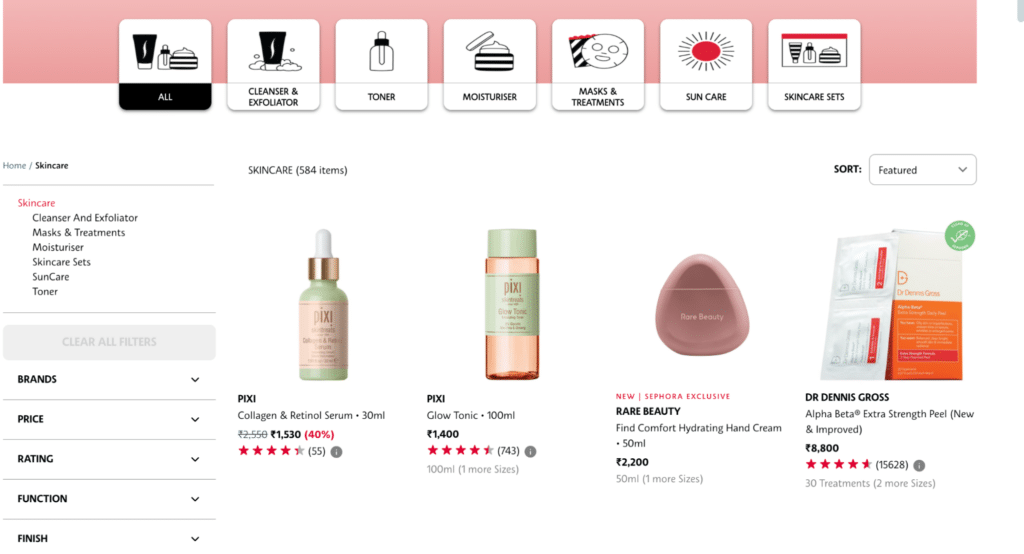
Market researchers emphasize that identifying the target audience is the first step in this objective-setting process. This involves analyzing customer demographics, browsing habits, and pain points. For instance, a luxury fashion brand like Ganni must cater to a visual-heavy, brand-conscious audience by prioritizing high-resolution imagery and minimalist design. In contrast, a high-volume retailer like H&M must focus on robust filtering systems that allow users to navigate thousands of SKUs quickly. Industry experts argue that the most successful retailers are those that align their category page goals with “Revenue per Visitor” (RPV) targets, often achieved by integrating cross-selling and upselling opportunities directly into the browsing experience.
Architectural Layout and User Engineering
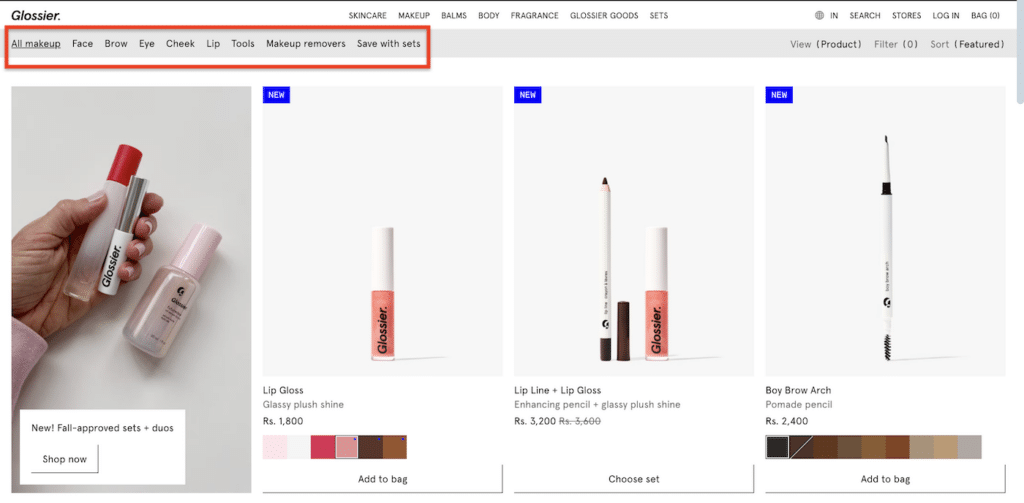
A well-structured category page functions as a digital storefront, and its layout can significantly influence psychological triggers in the consumer. The header, for example, serves as the primary orienting element. Experts suggest that category titles should be both clear and SEO-optimized. Brands like Glossier have seen success by using precise, simple terminology—such as “Face” or “Eyes”—which aligns with common search queries and reduces the cognitive load on the user.
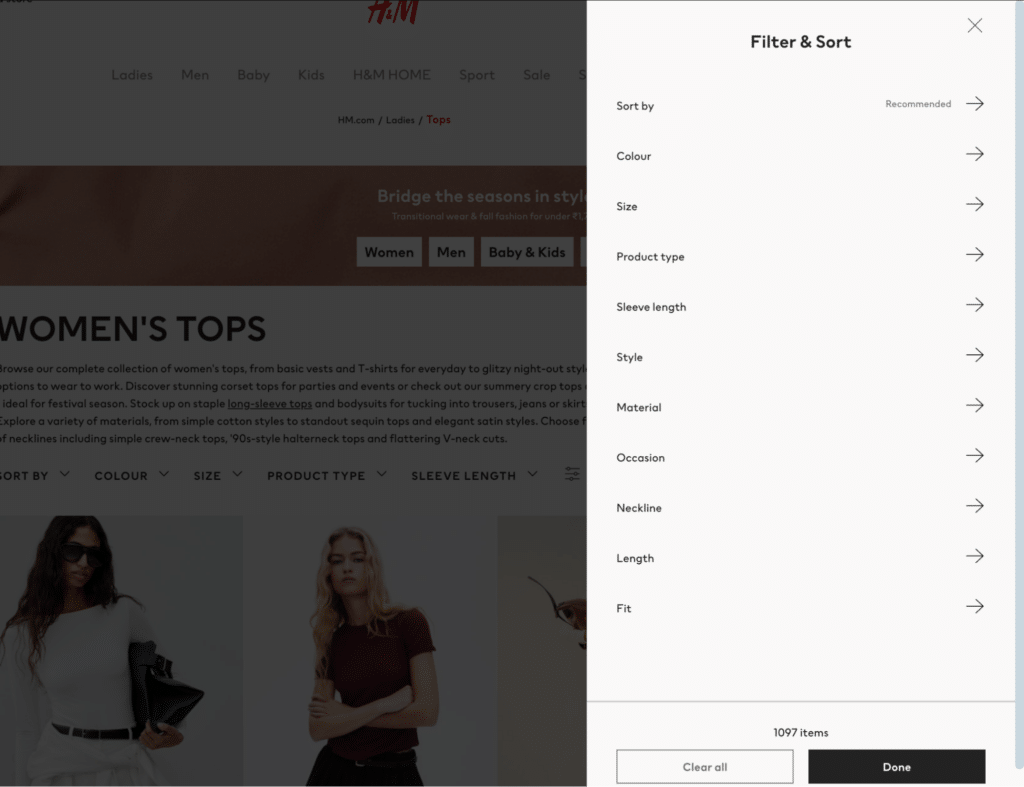
Beyond the header, the implementation of advanced filtering and sorting options is critical for inventory management and user retention. As product catalogs grow, the risk of “choice paralysis” increases. To mitigate this, retailers now employ “faceted navigation,” allowing users to narrow down selections by size, color, material, price range, and even specific occasions. H&M’s use of detailed filters, including neckline and sleeve length, provides a benchmark for how retailers can facilitate a personalized shopping journey.
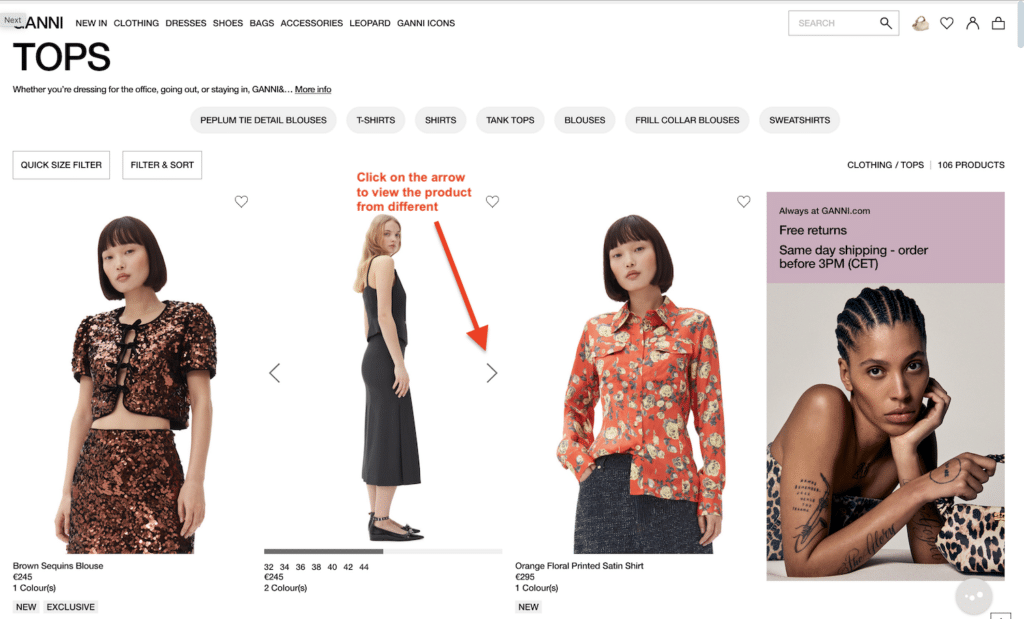
Product listings themselves must balance information density with aesthetic clarity. High-quality imagery remains the most influential factor in the digital browsing process. Modern category pages often feature “hover-effect” images or “quick view” buttons that allow shoppers to examine details without leaving the main list. This reduces friction in the browsing process, a factor that Ganni utilizes by offering multiple angles and zoom capabilities directly from the category grid. Furthermore, the Call-to-Action (CTA) must be unmistakable. Whether it is an “Add to Cart” button or a “View Details” link, the CTA should be high-contrast and strategically placed to encourage the next step in the consumer journey.
Enhancing User Experience Through Navigational Clarity
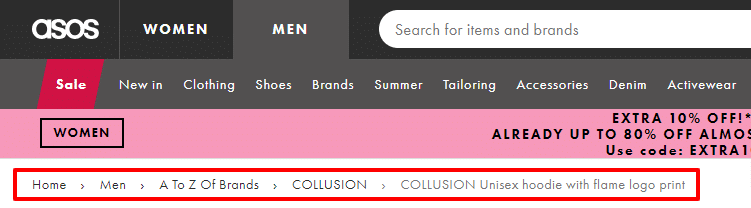
The user experience (UX) of a category page is often defined by how easily a customer can find what they are not looking for, as much as what they are. Navigational aids like breadcrumb trails are essential for providing context. These trails—typically appearing as a horizontal list of links at the top of the page—show the user exactly where they are in the site’s hierarchy (e.g., Home > Women’s Shoes > Running Shoes). This transparency allows for easy backtracking and improves the site’s crawlability for search engine bots.
Retailers are also increasingly adopting “Back to Top” buttons and infinite scroll vs. pagination strategies based on their specific audience needs. While infinite scroll can increase engagement on social-media-style platforms, traditional pagination is often preferred for goal-oriented shoppers who want to bookmark their place in a catalog. Additionally, the integration of “Recently Viewed” sections and “Wishlist” functionality directly on the category page helps maintain a persistent connection with the user, even if they are not ready to purchase immediately.
Content Strategy and the Psychology of Promotion
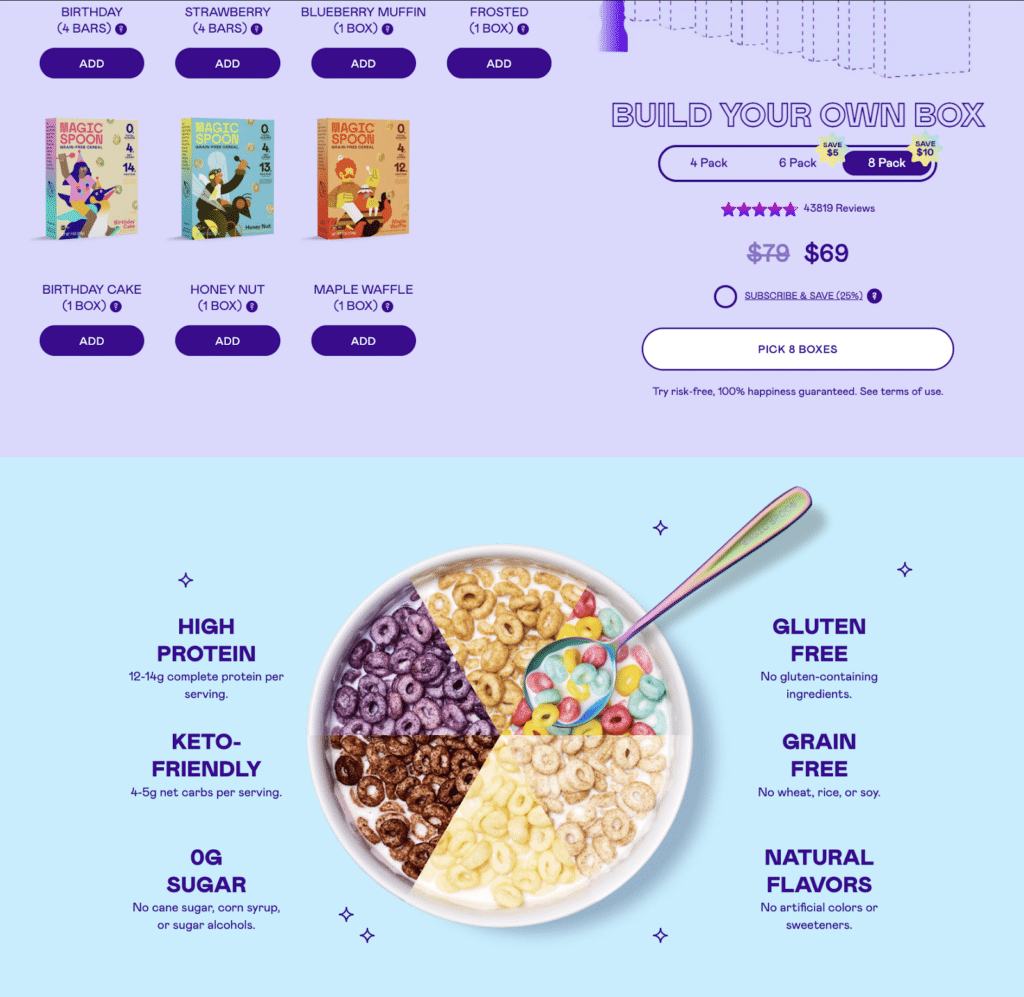
Effective category pages are not merely grids of products; they are platforms for storytelling and promotional influence. Category descriptions play a dual role: they provide essential context for the shopper and serve as a vehicle for Search Engine Optimization (SEO). Successful descriptions, such as those used by Magic Spoon, incorporate relevant keywords like “high-protein” or “keto-friendly” while maintaining a brand voice that resonates with the target demographic. This ensures that the page is discoverable by search engines while remaining engaging for human readers.
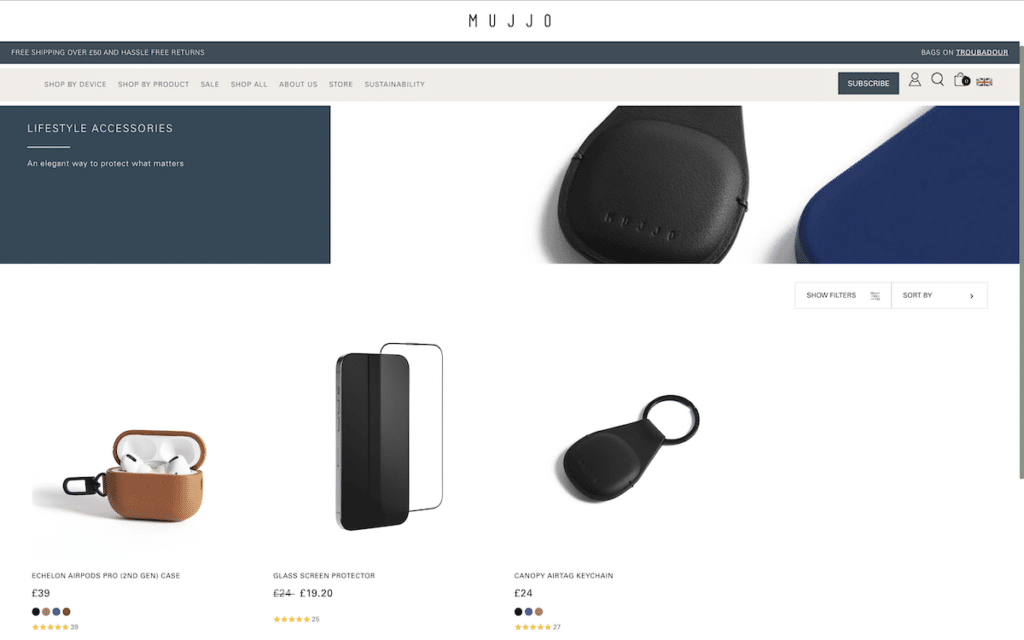
Promotional strategy is another pillar of category page success. Industry leader ASOS frequently utilizes the top of its category pages to highlight limited-time offers, such as “30% off selected styles.” By creating a sense of urgency through language like “While stocks last,” retailers can effectively nudge hesitant browsers toward a purchase. Furthermore, the inclusion of value-added propositions, such as “Free Worldwide Delivery,” acts as a powerful psychological incentive that can lower the barrier to conversion.
Technical SEO and Search Visibility
Visibility is the lifeblood of e-commerce, and category pages often represent the highest-ranking potential for broad, high-volume search terms. SEO best practices for these pages involve rigorous keyword research using tools such as SEMrush, Ahrefs, or Google Keyword Planner. By identifying “long-tail” keywords—such as “comfortable women’s flats” instead of just “shoes”—retailers can capture highly intent-driven traffic.
Technical optimization also includes the fine-tuning of title tags and meta descriptions. These elements must be concise, usually under 160 characters, and persuasive enough to encourage a click from the Search Engine Results Page (SERP). Internal linking is another critical component; by linking to category pages from blog posts or the homepage, retailers distribute “link equity” across the site, signaling to search engines that these pages are of high importance. Furthermore, the implementation of schema markup—code that helps search engines understand the content of a page—can result in “rich snippets,” showing price ranges and star ratings directly in search results, which significantly improves click-through rates.
Continuous Optimization Through Data Analysis
The launch of a category page is only the beginning of its lifecycle. In the current data-rich environment, successful e-commerce managers rely on continuous analysis and iterative adjustments. Tools like FigPii, Hotjar, and Google Analytics provide deep insights into user behavior through heatmaps and session replays. Heatmaps, for instance, can reveal which filters are being ignored and which products are drawing the most attention, allowing retailers to reorganize their “visual hierarchy” accordingly.
A/B testing is another indispensable tool for optimization. By running two versions of a category page—perhaps one with a sidebar filter and one with a top-horizontal filter—retailers can determine which layout yields a higher conversion rate. This evidence-based approach removes the guesswork from design decisions. Analysts suggest that even minor changes, such as adjusting the color of a “Sale” tag or the size of product thumbnails, can result in significant revenue lifts when scaled across thousands of visitors.
Broader Industry Implications and Future Outlook
The optimization of e-commerce category pages is no longer a niche concern for web developers; it is a central pillar of global retail strategy. As the “Amazon effect” continues to raise consumer expectations for speed and convenience, independent retailers must leverage every tool at their disposal to remain competitive. The integration of Artificial Intelligence (AI) is the next frontier in this evolution, with machine learning algorithms beginning to dynamically reorder category pages based on an individual user’s past browsing history and purchase intent.
In conclusion, the e-commerce category page serves as the digital heartbeat of the online shopping experience. By combining clear strategic objectives, intuitive layout design, robust SEO practices, and rigorous data analysis, brands can transform these pages into high-efficiency sales tools. As mobile commerce grows and consumer attention spans shorten, the ability to deliver a seamless, informative, and engaging category browsing experience will remain the primary differentiator between market leaders and those left behind in the digital shift. Retailers who invest in the structural and content integrity of their category pages today are positioning themselves for long-term sustainability in an increasingly crowded global marketplace.








