
 rifanmuazin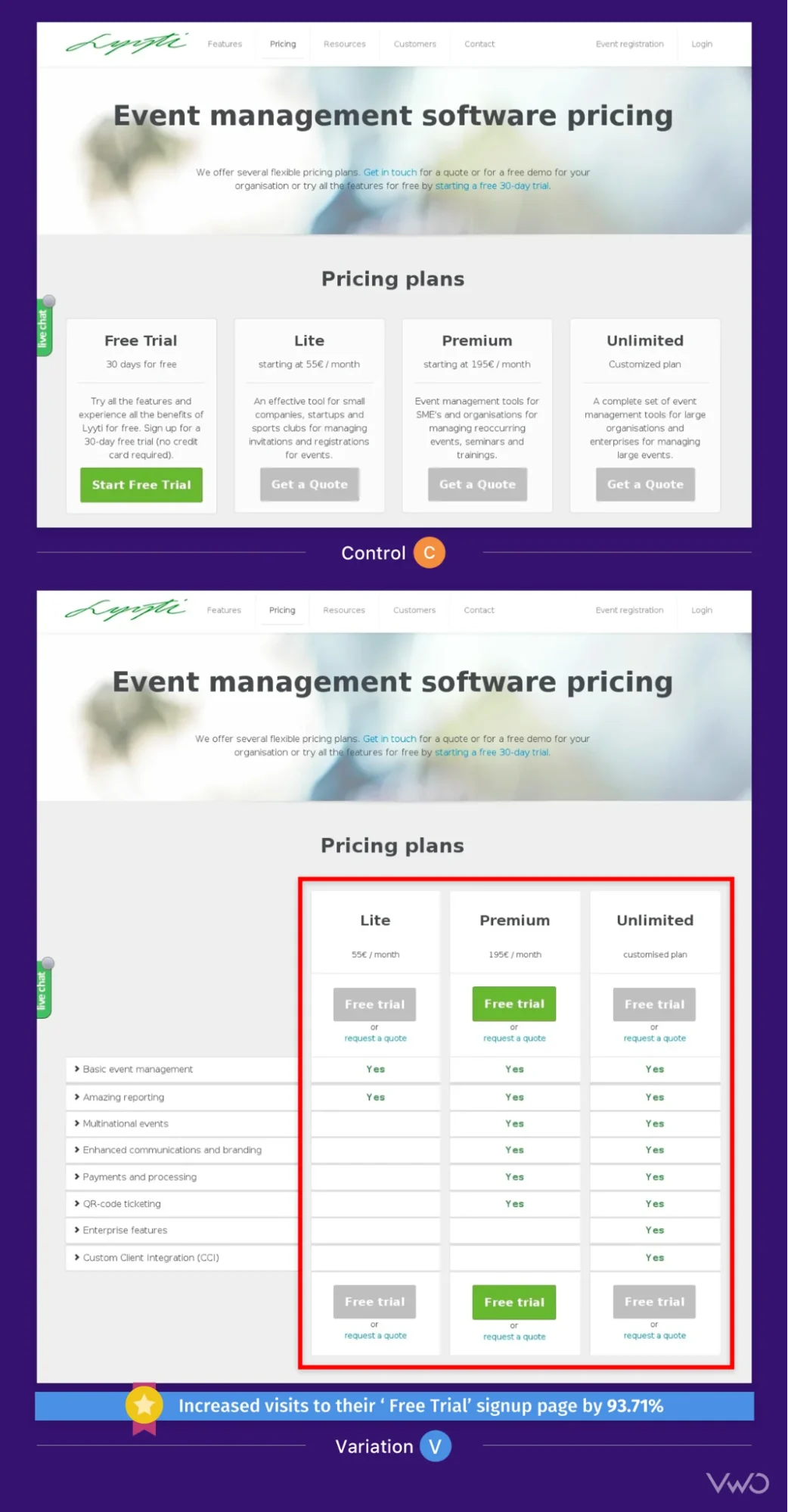
The landscape of digital optimization has undergone a fundamental shift, moving away from the simplistic measurement of surface-level interactions toward a sophisticated model of business-driven experimentation. For years, the standard for A/B testing was defined by “vanity metrics”—clicks, open rates, and form completions—that provided useful signals but often failed to correlate with long-term profitability or customer retention. Today, advanced A/B testing has emerged as a critical discipline for organizations seeking to optimize the core logic of their business, including pricing structures, onboarding sequences, and feature rollouts. This transition marks the evolution of experimentation from a marketing tactic into a central pillar of product development and corporate strategy.
The Shift from Proxy Metrics to Business Outcomes
The primary distinction of advanced experimentation lies in its target. While basic testing asks which button color performs better, advanced testing asks how a change in the sequence of an activation experience affects 30-day retention. This requires a move away from proxy metrics toward metrics directly tied to revenue and customer lifetime value (CLV).
In high-maturity organizations, every experiment is structured around a three-layer metric framework. The primary metric is the ultimate goal, such as conversion to a paid subscription or revenue per visitor. Secondary metrics provide supporting data on how users are moving through the funnel. Most importantly, guardrail metrics are established to ensure that gains in one area do not cause unintended harm elsewhere. For instance, an experiment that successfully increases the number of trial sign-ups but significantly degrades the quality of those leads would be flagged by a guardrail metric measuring long-term retention.
This systematic approach addresses the “experimentation gap,” a phenomenon where companies run numerous tests but fail to accumulate meaningful organizational knowledge. Industry data suggests that a significant percentage of A/B tests yield neutral results; however, advanced teams treat these “failures” as critical data points that refine their business thesis and inform future hypotheses.
The Technological Infrastructure of Advanced Testing
To move beyond simple UI changes, organizations are increasingly adopting server-side and backend testing infrastructure. Client-side testing, which operates within the user’s browser, is limited to what can be rendered visually. Server-side infrastructure removes this ceiling, allowing teams to test backend logic, search algorithms, and complex pricing models.

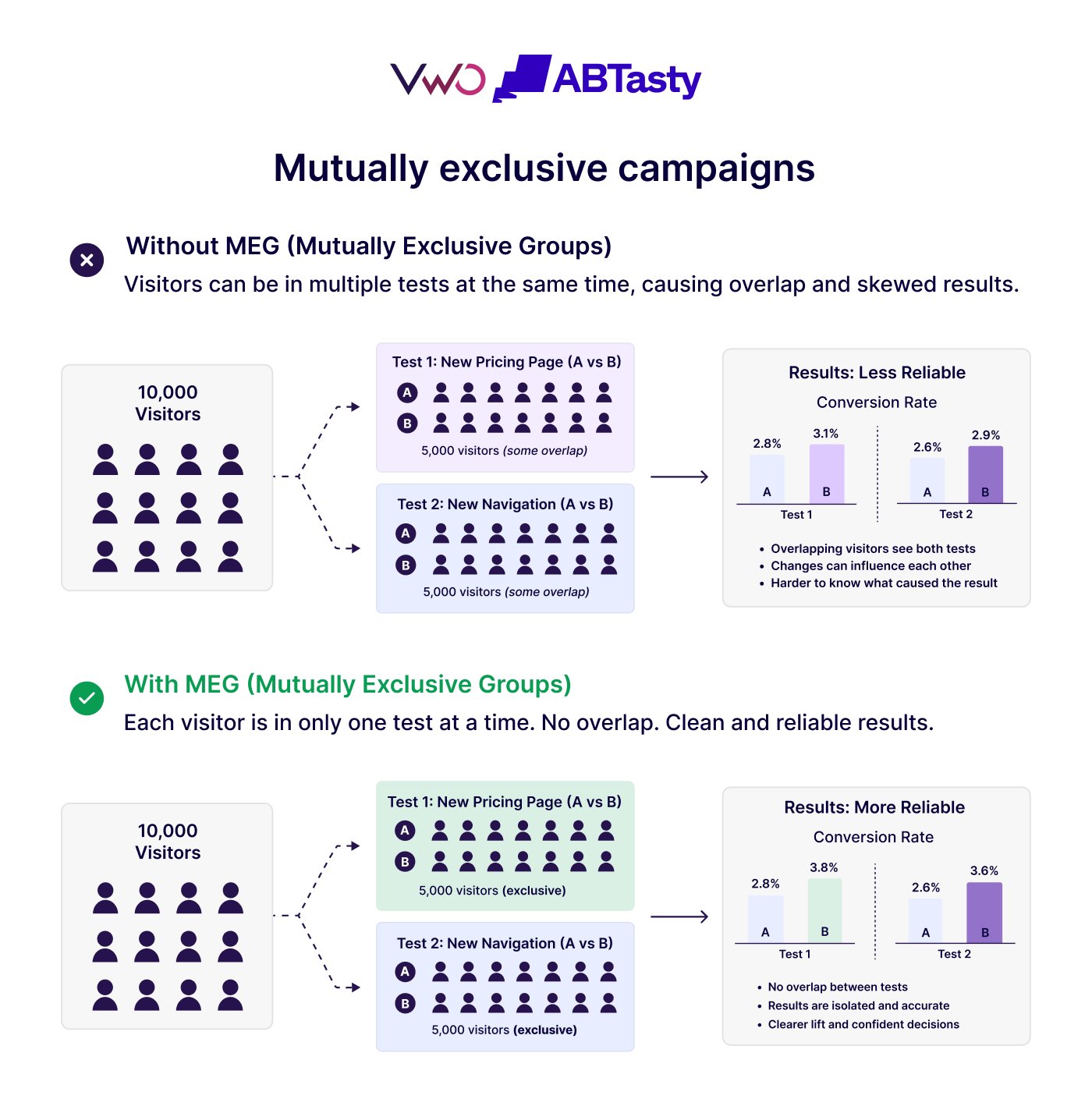
One of the most significant challenges in modern experimentation is “experiment interference.” As companies increase their testing velocity, they often run multiple experiments simultaneously. If a user is exposed to a pricing-page variation and a checkout-flow experiment in the same session, the data becomes corrupted, making it impossible to isolate which change influenced the outcome. Advanced teams solve this through “mutually exclusive campaigns,” ensuring that users entering one experiment are excluded from conflicting tests. This maintains data integrity and allows for clean attribution even in high-velocity environments.
Furthermore, the integration of behavioral analytics—such as heatmaps, session recordings, and funnel analysis—has become a prerequisite for hypothesis generation. Rather than guessing what might work, teams use qualitative data to identify where engagement drops and quantitative data to size the potential impact. This evidence-based process ensures that the experimentation pipeline is fueled by high-quality hypotheses rather than random variations.
Advanced Methodologies and Statistical Techniques
The toolkit for advanced experimentation has expanded to include several sophisticated methodologies designed to increase efficiency and accuracy:
1. Multivariate Testing (MVT)
Unlike standard A/B testing that isolates a single variable, MVT tests multiple elements—such as headlines, images, and calls-to-action—simultaneously. This identifies how different elements interact with one another. While MVT requires significantly higher traffic to reach statistical significance, it is essential for optimizing complex landing pages where the synergy between elements is more important than any single component.
2. Multi-Armed Bandit (MAB)
Traditional A/B tests typically require a fixed period of time to declare a winner. In contrast, MAB algorithms dynamically shift traffic toward the better-performing variant during the test. This minimizes “regret”—the lost conversions that occur while sending traffic to a lower-performing variant—making it ideal for time-sensitive campaigns or high-stakes promotions.
3. CUPED (Controlled-experiment Using Pre-Experiment Data)
One of the clearest indicators of organizational maturity is the use of CUPED. This technique reduces variance in results by utilizing data collected before the experiment began. By filtering out the “noise” of historical user behavior, CUPED allows teams to reach statistical significance faster and with smaller sample sizes, effectively increasing the speed of the entire experimentation program.
4. Sequential Testing and Interleaving
Sequential testing allows for the continuous monitoring of results without increasing the risk of false positives, enabling teams to stop a test the moment a winner is identified. Interleaving, often used in recommendation engines, mixes results from two different algorithms in a single list. This method can detect meaningful differences in user preference with a fraction of the traffic required for a traditional split test.
Case Studies: Real-World Impact of Advanced Experimentation
The effectiveness of these techniques is best illustrated through their application by leading brands across various industries:
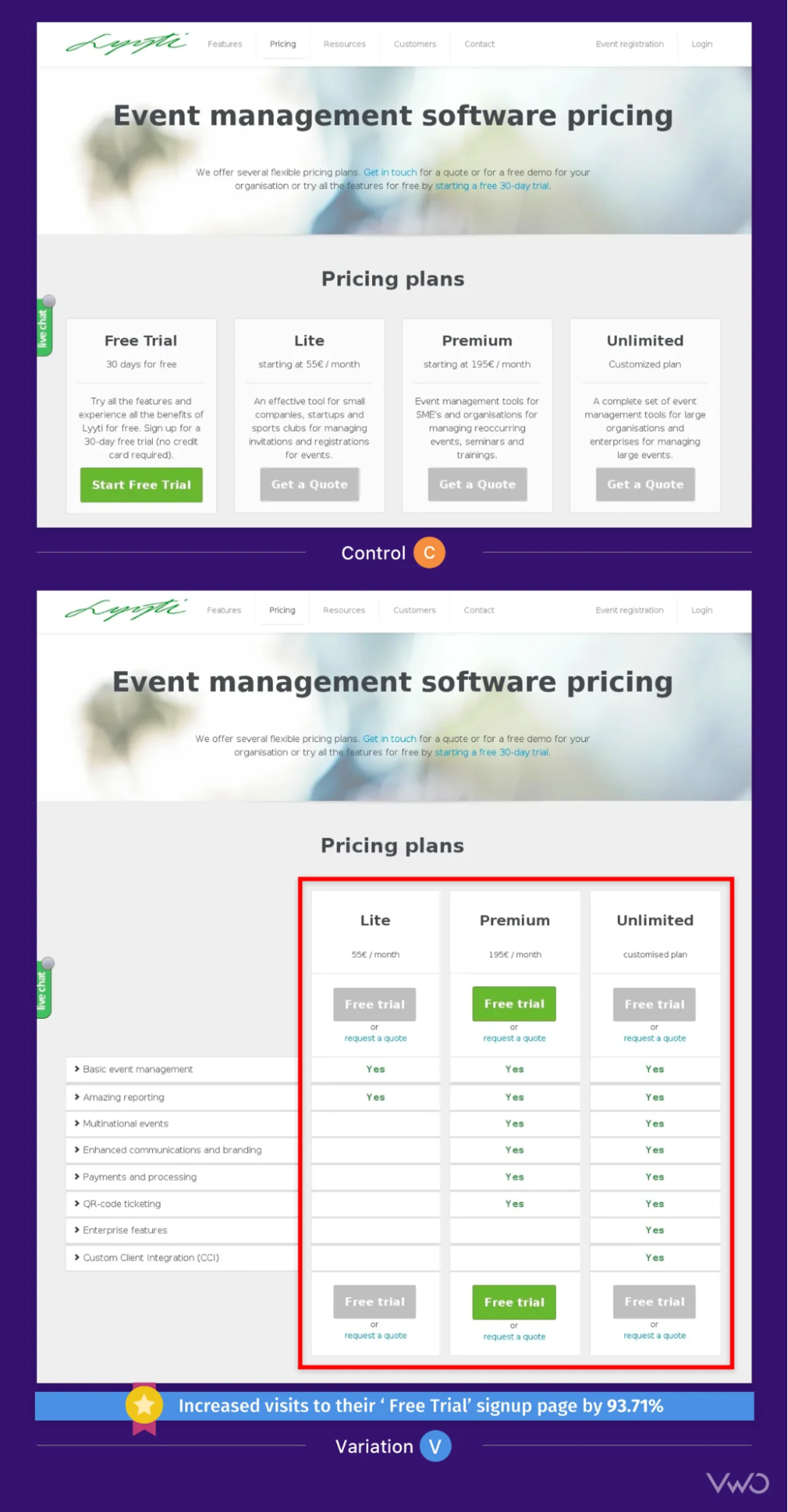
Lyyti: Pricing Page Optimization
The event management software company Lyyti utilized heatmaps and clickmaps to identify friction points on its pricing page. By simplifying the presentation of plan features and aligning all calls-to-action around a free trial, the company saw a 93.71% increase in conversions. This case highlights the power of clarity and focused intent over complex design.
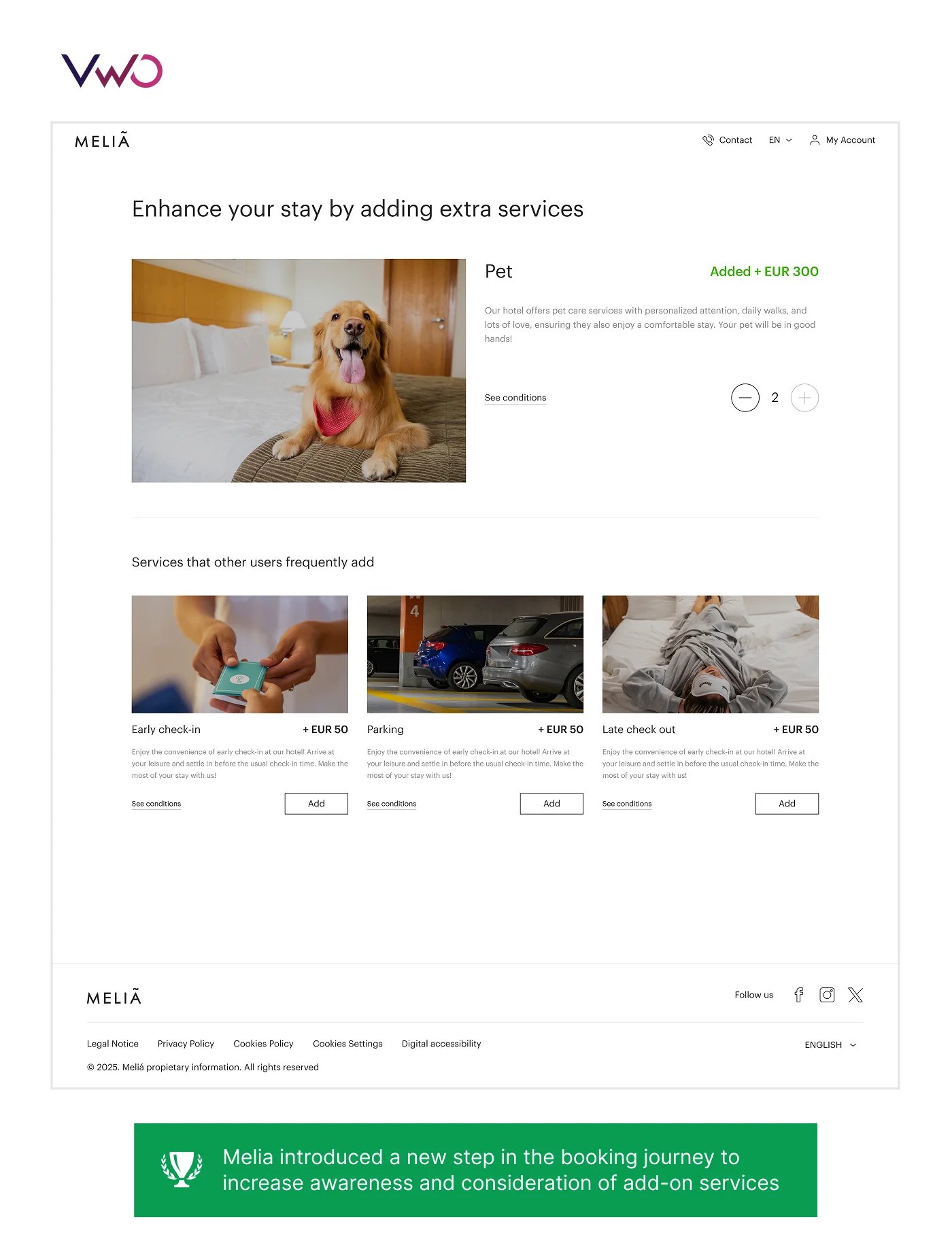
Meliá Hotels: Checkout Flow Sequencing
Meliá Hotels experimented with the introduction of an additional step in their booking funnel. Using server-side feature experimentation, they rolled out the change progressively, starting with 5% of traffic. The experiment resulted in a 1.85% uplift in revenue per visitor without increasing drop-off rates, proving that adding steps to a funnel can sometimes improve outcomes if it builds trust or provides better upsell opportunities.
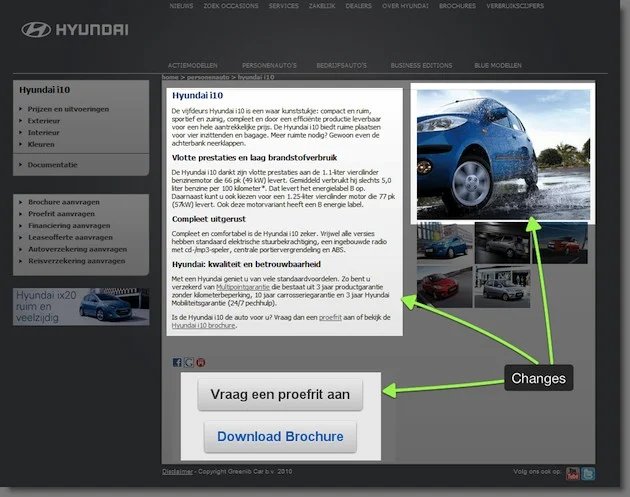
Hyundai: Multivariate Landing Page Success
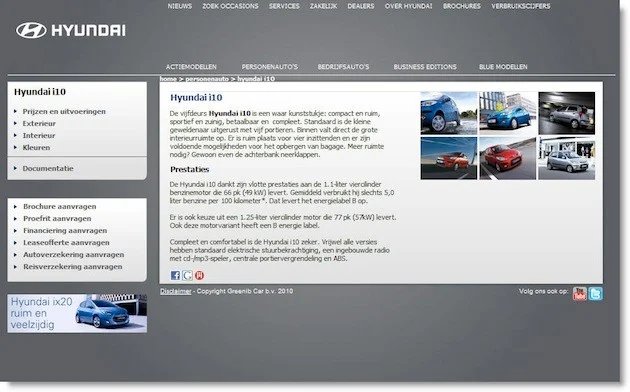
Hyundai conducted an MVT on its car model landing pages, testing eight combinations of SEO-optimized copy, CTA placement, and image sizes. The winning combination delivered a 62% increase in conversions and a 208% increase in the click-through rate to the next step of the funnel, demonstrating how element interaction can drive massive performance gains.
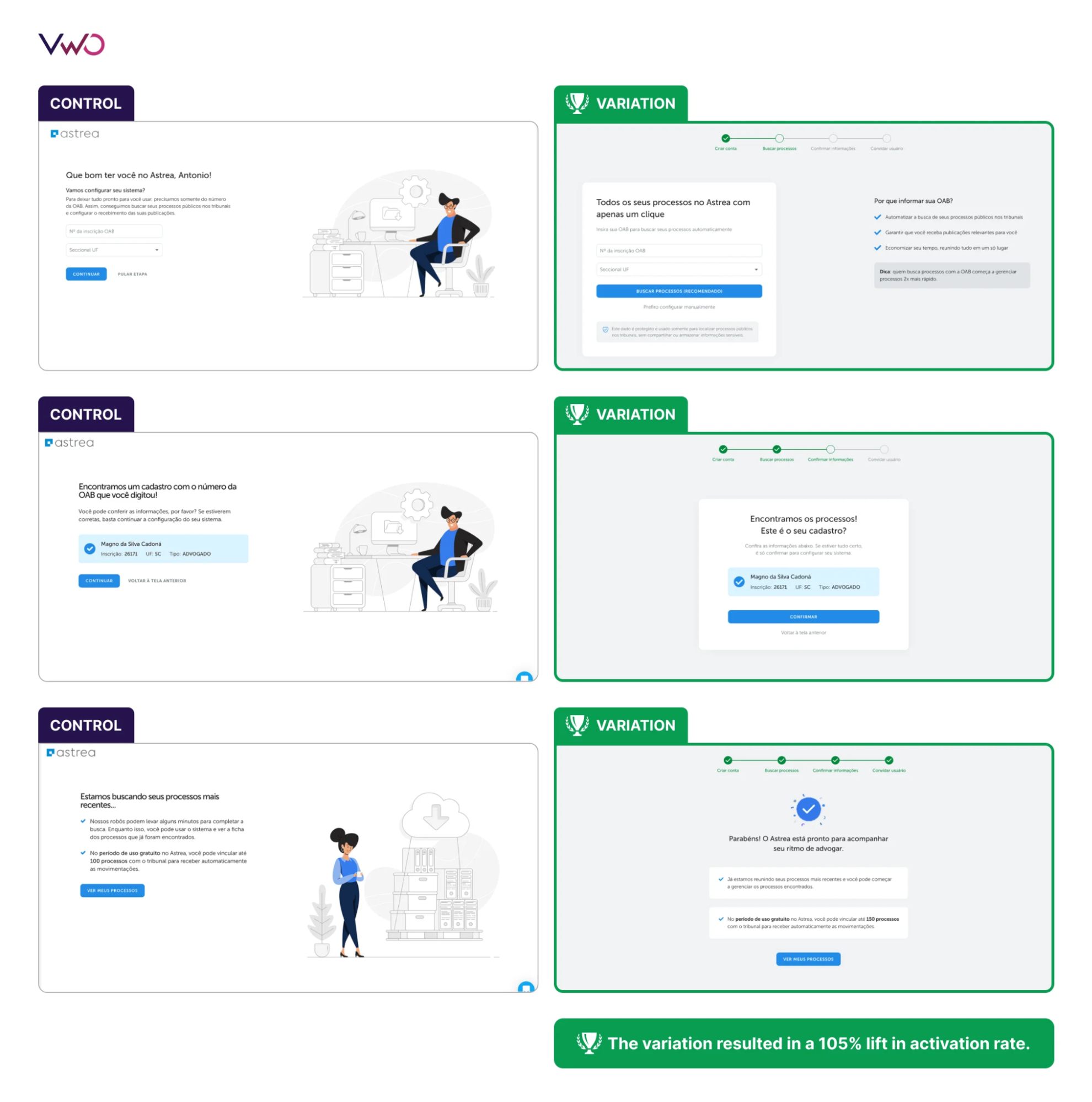
AURUM: Onboarding and Activation
AURUM focused on the “activation moment” for its SaaS product. Through a series of structured A/B tests on the onboarding journey, the company optimized the path from initial signup to time-to-value. These efforts led to a four-fold increase in user activation, a metric that is historically a leading indicator of long-term retention.
The Role of Artificial Intelligence in Modern Testing
The emergence of AI is fundamentally changing the role of the experimenter. AI-powered tools are now capable of generating variations, identifying high-potential audience segments, and surfacing insights from vast datasets that would take human analysts weeks to uncover.
However, experts argue that as the manual burden of execution decreases, the demand for human judgment increases. The focus is shifting from the “how” of testing to the “what.” Teams must now spend more time deciding which business problems are worth solving and how different features interact within the broader product ecosystem. AI acts as an accelerator, but the strategic direction remains a human-led endeavor.

Broader Impact and Organizational Implications
The transition to advanced A/B testing represents a cultural shift within organizations. It requires a move away from “HIPPO” (Highest Paid Person’s Opinion) decision-making toward a culture of evidence. For this to succeed, experimentation results must be integrated into the broader data infrastructure, connecting with systems like CRM and business intelligence platforms to measure impact on long-term customer lifetime value.
Furthermore, the rise of feature flagging and server-side testing allows for “decoupled” deployments. Engineering teams can push code to production behind a feature flag and then allow product managers to run experiments and roll out features to specific segments at their own pace. This reduces the risk of new releases and ensures that every feature is validated against real user data before a full rollout.

As digital markets become increasingly competitive, the ability to learn and adapt through experimentation is becoming a primary competitive advantage. Organizations that view A/B testing as a system for compounding intelligence—rather than a tool for incremental CTA improvements—are better positioned to drive sustained growth and navigate the complexities of modern consumer behavior. The future of digital growth is not found in a single “winning” test, but in the institutional capacity to experiment, learn, and iterate at scale.








