
In an era defined by extreme digital fragmentation and heightened consumer skepticism, the concept of holistic marketing has emerged as a critical framework for organizations seeking to unify their brand identity and drive long-term profitability. At its core, holistic marketing is a business philosophy that views the marketing process not as a series of isolated silos, but as a singular, integrated entity where every department—from human resources and product development to sales and customer support—works in concert to deliver a consistent value proposition. This approach is increasingly viewed by industry experts as the only viable path for companies looking to scale complex operations, such as affiliate marketing programs, while maintaining brand integrity across a multitude of touchpoints.
The Shift Toward Unified Brand Ecosystems
The transition from traditional, segmented marketing to a holistic model reflects a broader evolution in consumer behavior. Modern buyers do not interact with brands in a linear fashion; they may encounter a social media advertisement, read an affiliate review, visit a physical retail location, and engage with customer service all within a single purchasing journey. If these touchpoints provide conflicting messages or varying levels of service, the brand’s credibility is diminished.
Holistic marketing addresses this by ensuring that the "whole is greater than the sum of its parts." By aligning internal operations with external messaging, companies can create a seamless experience that fosters trust. This is particularly vital in the realm of affiliate marketing, where third-party partners act as brand ambassadors. Without a holistic foundation, affiliates may inadvertently promote outdated values or incorrect product specifications, leading to a disconnected customer journey that hampers conversion rates and brand equity.
The Evolution of Marketing Paradigms: A Historical Context
To understand the current necessity of holistic marketing, one must look at the chronological shift in business strategies over the last several decades. In the mid-20th century, the "Production Concept" dominated, focusing on manufacturing efficiency. By the 1960s and 70s, this shifted toward the "Sales Concept," which prioritized aggressive promotion. The late 20th century saw the rise of the "Marketing Concept," which introduced customer-centricity.
However, the 21st century necessitated a more comprehensive view. The term "holistic marketing" was popularized by marketing scholars Philip Kotler and Kevin Lane Keller, who argued that "everything matters" in marketing. They identified four key dimensions that remain the bedrock of the strategy today: internal marketing, integrated marketing, relationship marketing, and societal marketing. In the current economic climate, characterized by rapid technological shifts and a globalized marketplace, these dimensions have moved from theoretical ideals to operational necessities.

The Four Pillars of the Holistic Framework
1. Internal Marketing: The Employee as a Brand Advocate
Internal marketing posits that employees are a company’s first customers. If a team does not believe in the product or understand the brand’s vision, they cannot effectively communicate it to the world. This dimension involves rigorous training, transparent internal communication, and the cultivation of a corporate culture that reflects the brand’s external promises. When human resources and operations are aligned with marketing goals, the result is a motivated workforce that provides superior customer service and authentic engagement.
2. Relationship Marketing: Beyond the Transaction
The goal of relationship marketing is to build deep, enduring connections with all stakeholders—customers, employees, suppliers, and financial partners. In the context of affiliate marketing, this means treating affiliates not as mere traffic sources, but as long-term business partners. By providing affiliates with the data, tools, and support they need to succeed, companies ensure that these partners remain loyal and continue to produce high-quality content that aligns with the brand’s core identity.
3. Integrated Marketing: Omnichannel Consistency
Integrated marketing ensures that all communication channels—advertising, public relations, direct mail, and digital platforms—speak with a single voice. This requires a centralized creative strategy where logos, fonts, tone of voice, and value propositions are standardized. For a business running an affiliate program, integration means ensuring that the creatives used by affiliates are indistinguishable in quality and message from the company’s internal campaigns.
4. Societal Marketing: Ethics and Social Responsibility
Societal marketing extends the brand’s responsibility beyond the immediate customer to society at large. This involves ethical business practices, environmental sustainability, and community engagement. Modern consumers, particularly Millennials and Gen Z, increasingly favor brands that demonstrate a commitment to social good. Data from various consumer reports suggest that nearly 70% of shoppers prefer buying from companies that share their values. By integrating social responsibility into the marketing mix, businesses can build a "reputation moat" that protects them during market volatility.
Statistical Analysis: The Quantifiable Impact of Strategic Consistency
The benefits of a holistic approach are supported by significant industry data. According to research by Marq (formerly Lucidpress), consistent brand presentation across all platforms can increase revenue by up to 23%. Conversely, brands with inconsistent messaging often see a decline in trust, which is the primary driver of customer churn.
In the affiliate marketing sector, the impact is even more pronounced. A study on affiliate performance indicated that programs managed with a holistic mindset—providing partners with high-quality, branded assets and regular strategic updates—saw a 15% higher retention rate among top-tier affiliates compared to siloed programs. Furthermore, a PwC report on customer experience found that 73% of consumers point to experience as an important factor in their purchasing decisions, yet only 49% of U.S. consumers say companies provide a good experience today. Holistic marketing directly bridges this "experience gap."
Case Study: The Apple Model of Cohesive Brand Experience
Apple Inc. serves as the global gold standard for holistic marketing. The company’s success is not merely the result of innovative hardware but of a meticulously controlled ecosystem where every element reinforces the brand’s identity of "simplicity and elegance."
- Internal Alignment: Apple’s retail employees are trained not just to sell products, but to solve problems and "enrich lives." This internal culture ensures that the "Genius Bar" experience matches the high-tech, premium feel of the iPhone itself.
- Integrated Messaging: Whether a consumer sees an Apple billboard, watches a television commercial, or visits the Apple website, the aesthetic is identical. This consistency reduces cognitive load for the consumer and builds an unmistakable brand presence.
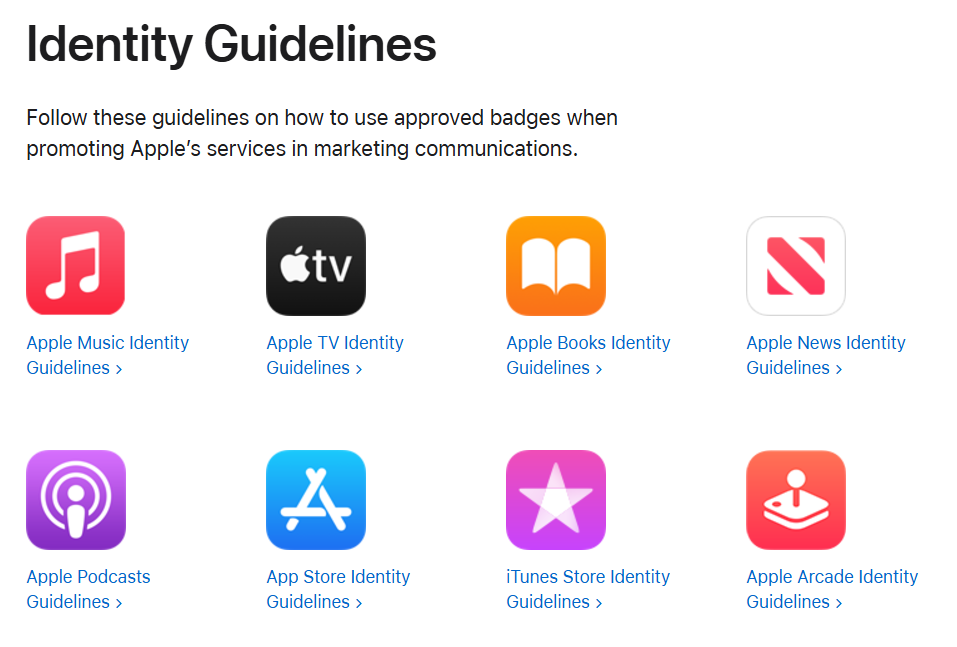
- Affiliate Integration: Through the Apple Services Performance Partners Program, the company provides strict guidelines and high-quality assets to its partners. This ensures that even when a third-party website promotes Apple Music or Apple TV+, the messaging remains premium and accurate.
- Societal Commitment: Apple has integrated its "Apple 2030" goal—to be carbon neutral across its entire supply chain—into its core marketing. By highlighting its use of recycled materials and clean energy, Apple appeals to the ethically conscious consumer, further solidifying brand loyalty.
Implementing the Framework: A Roadmap for Modern Organizations
Transitioning to a holistic marketing strategy requires a fundamental shift in leadership and communication. Organizations must move away from "departmental ego" and toward cross-functional collaboration.
- Define SMART Goals: Marketing objectives must be Specific, Measurable, Attainable, Relevant, and Time-bound. These goals should be shared across the company so that the IT department understands how website speed impacts the affiliate conversion rate, and the customer service team understands how their interactions influence social media sentiment.
- Audit the Customer Journey: Companies must map every touchpoint a customer has with the brand. This includes identifying "blind spots" where the brand message might be diluted, such as third-party review sites or outdated affiliate links.
- Leverage Data Analytics: Holistic marketing relies on a "single source of truth" for data. By using integrated CRM (Customer Relationship Management) and affiliate tracking systems, businesses can see how different channels interact. For example, data might show that a customer first clicks an affiliate link, then signs up for a newsletter, and finally purchases through a retargeting ad. Understanding this multi-touch attribution is essential for optimizing spend.
- Foster Open Communication: Regular cross-departmental meetings are necessary to ensure that the sales team knows what the marketing team is promising, and the product team knows what the customers are requesting.
The Role of Technology and AI in the Future of Holistic Marketing
As we look toward the future, Artificial Intelligence (AI) and Machine Learning (ML) will play a pivotal role in scaling holistic strategies. AI-driven tools can now monitor brand consistency across thousands of affiliate sites in real-time, flagging unauthorized use of logos or outdated pricing. Furthermore, predictive analytics can help companies anticipate shifts in consumer sentiment, allowing them to adjust their societal marketing efforts proactively.
However, the human element remains irreplaceable. While AI can ensure technical consistency, the "soul" of a holistic brand—its values, its empathy, and its commitment to the community—must come from human leadership. The integration of augmented reality (AR) and virtual reality (VR) will also provide new avenues for holistic experiences, allowing customers to "enter" a brand’s world in a fully immersive way, further blurring the lines between different marketing channels.
Conclusion: The Strategic Necessity of the Whole
Holistic marketing is no longer a luxury reserved for global giants like Apple or Nike; it is a survival requirement for any business operating in the modern digital economy. By breaking down internal silos and focusing on the interconnectedness of all business functions, companies can create a resilient brand that resonates deeply with consumers and partners alike.
In the specific context of affiliate marketing, a holistic approach transforms a transactional channel into a powerful engine for growth. When affiliates are treated as an extension of the internal team and are equipped with a consistent, value-driven message, the result is a virtuous cycle of trust, conversion, and loyalty. As competition continues to intensify, the businesses that thrive will be those that recognize that every interaction, no matter how small, is a reflection of the whole. Success in the future marketplace will belong to the unified, the consistent, and the holistic.