
 rifanmuazin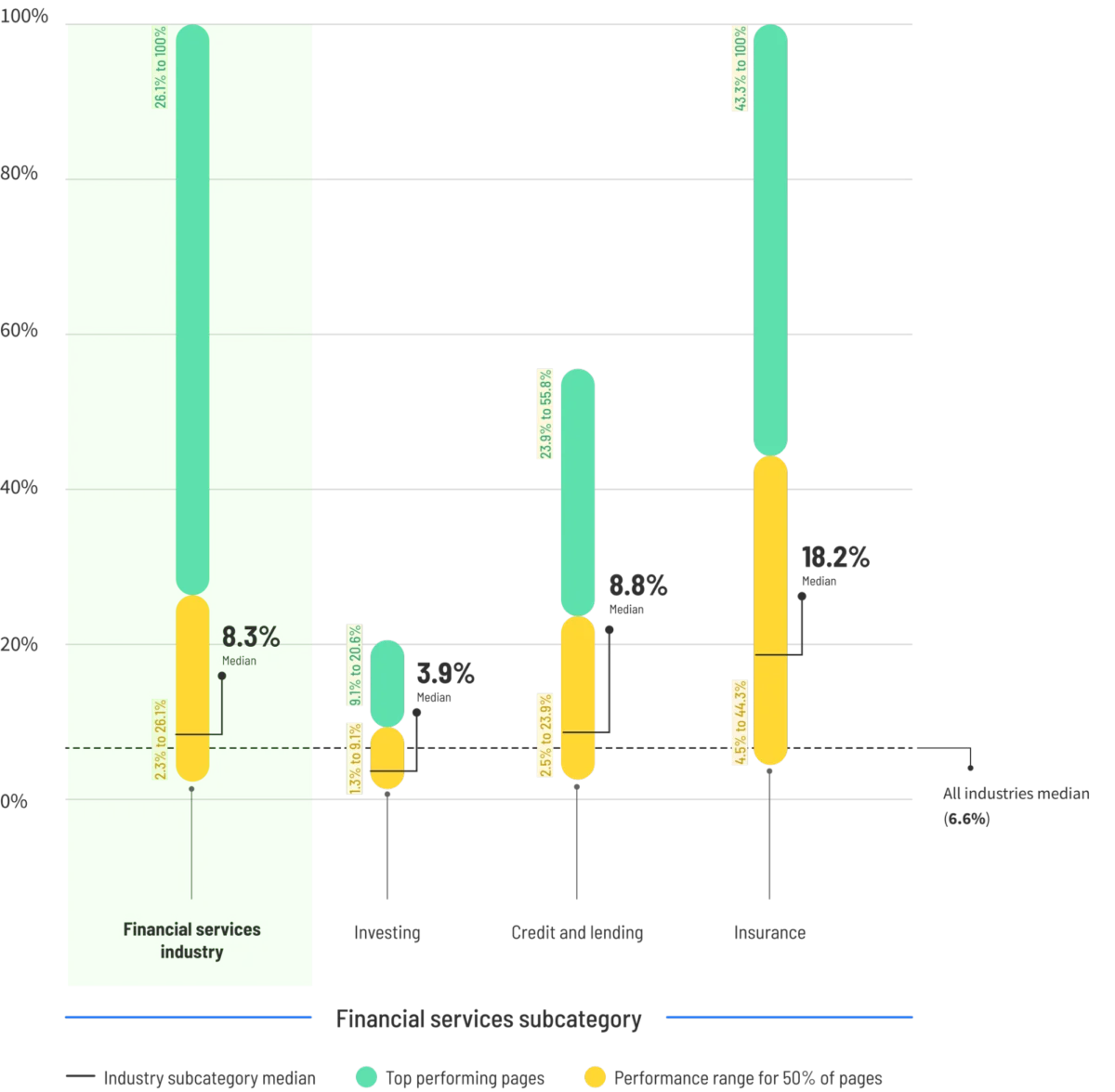
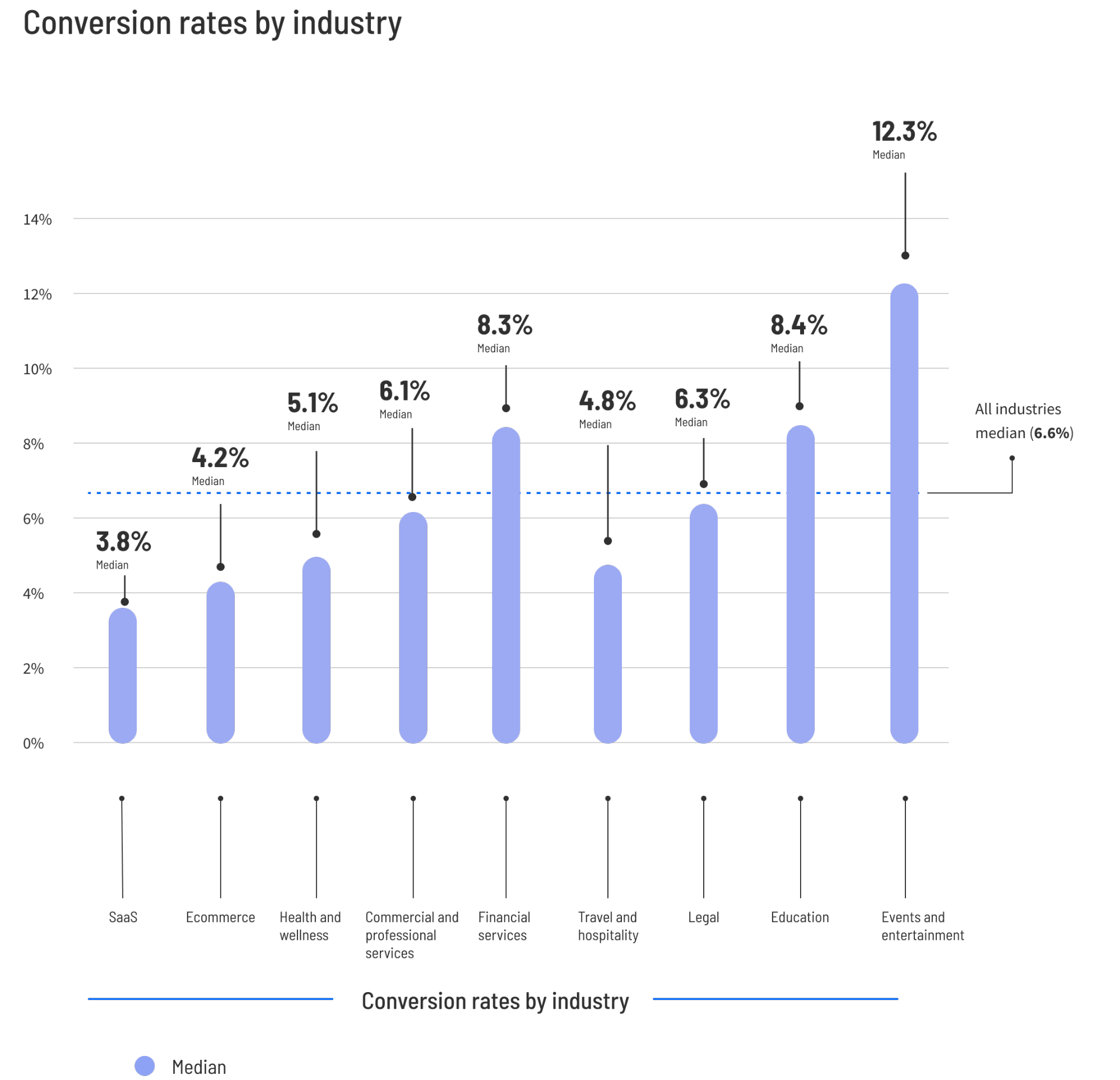
The landscape of digital marketing has undergone a seismic shift as businesses move deeper into 2025, with data-driven decision-making now serving as the primary differentiator between market leaders and those struggling to maintain a digital presence. According to the latest comprehensive analysis of digital consumer behavior, the median conversion rate for landing pages across all global industries currently stands at 6.6%. However, this baseline figure masks a complex reality: what constitutes a “good” conversion rate is no longer a fixed target but a fluid metric dictated by industry-specific intent, device-specific behavior, and the linguistic complexity of marketing collateral.

The findings, derived from the 2024-2025 Conversion Benchmark Report, represent one of the most significant data sets in the marketing industry. The analysis is built upon a foundation of more than 57 million conversions, 41,000 unique landing pages, and a staggering 464 million pageviews. This scale provides a statistically significant window into how modern audiences interact with brand offers, revealing that the top 25% of performers—the elite quartile—are achieving conversion rates ranging from 11.4% to as high as 40.8%.
The Evolution of Conversion Benchmarking
To understand these figures, one must look at the chronology of digital conversion tracking. In the early 2010s, a 2% to 3% conversion rate was often cited as the universal gold standard. As tracking technologies evolved and consumer expectations for personalization increased, the industry moved away from “averages” toward “medians.” This shift was necessary to account for “unicorn” pages—those rare outliers that convert at 90%—which frequently skewed average data, providing an unrealistic target for the typical marketer.

By 2024, the focus shifted toward “contextual benchmarking.” Marketing analysts now emphasize that a SaaS company offering a high-ticket enterprise solution cannot be compared to an entertainment brand running a sweepstakes. The current data reflects a market where user intent and the friction of the conversion action are the primary drivers of performance.
Industry-Specific Performance Deep Dives
Ecommerce and the High-Volume Challenge
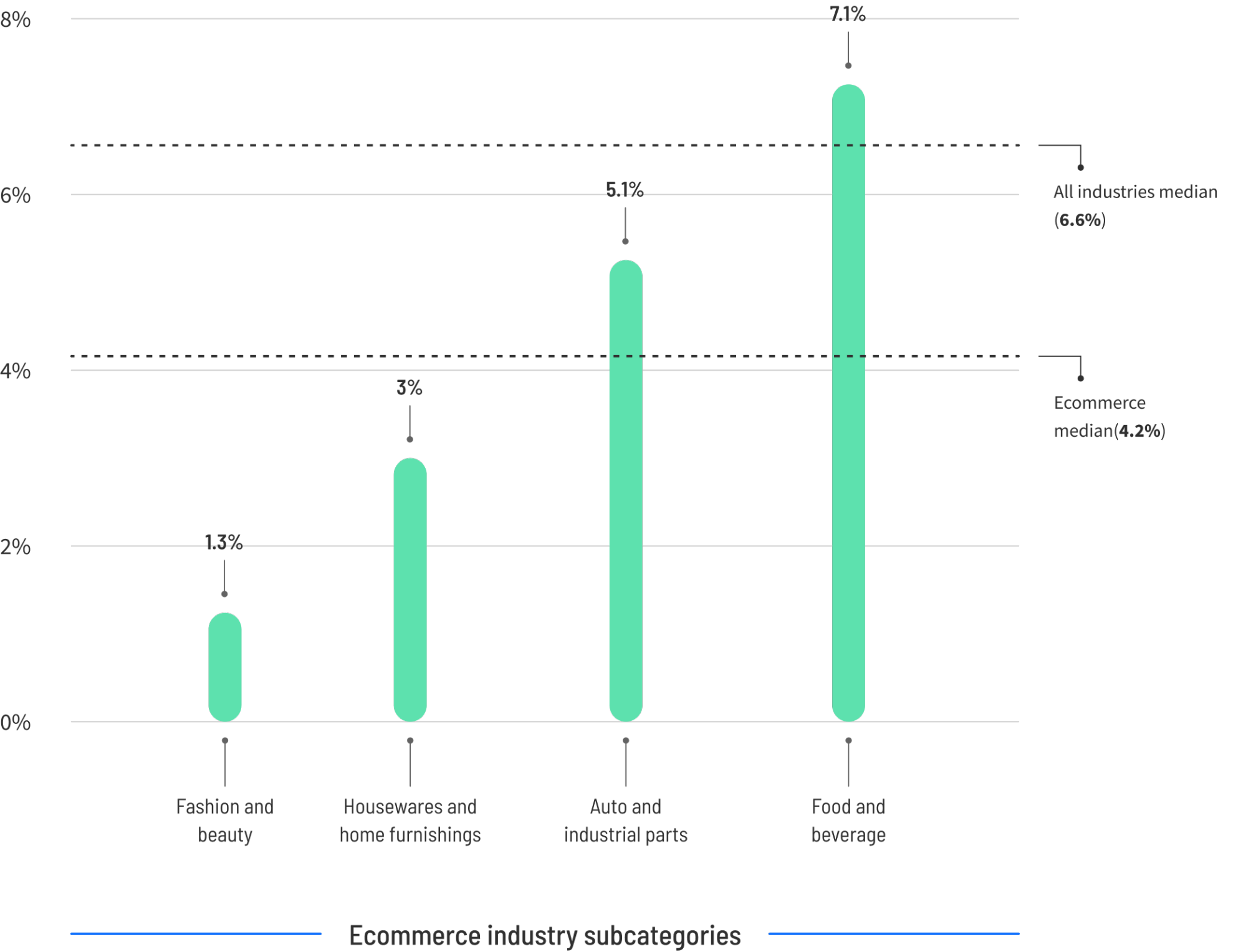
In the ecommerce sector, the median conversion rate is currently 4.2%. While this may seem low compared to the general median, it reflects the high-noise environment of digital retail. Top-performing ecommerce pages, however, are reaching 11.4% or higher. The disparity highlights a massive revenue opportunity; for a store with 10,000 monthly visitors and an average order value of $75, moving from the median to the top quartile represents an additional $54,000 in monthly revenue.
Analysis suggests that sub-sectors within ecommerce see wildly different results. Food and beverage landing pages often see a 7.1% median, driven by the low-friction nature of the purchase, whereas fashion and beauty struggle at a 1.3% median due to the high degree of comparison shopping and personal taste involved in the decision-making process.
The Complexity of SaaS and Professional Services
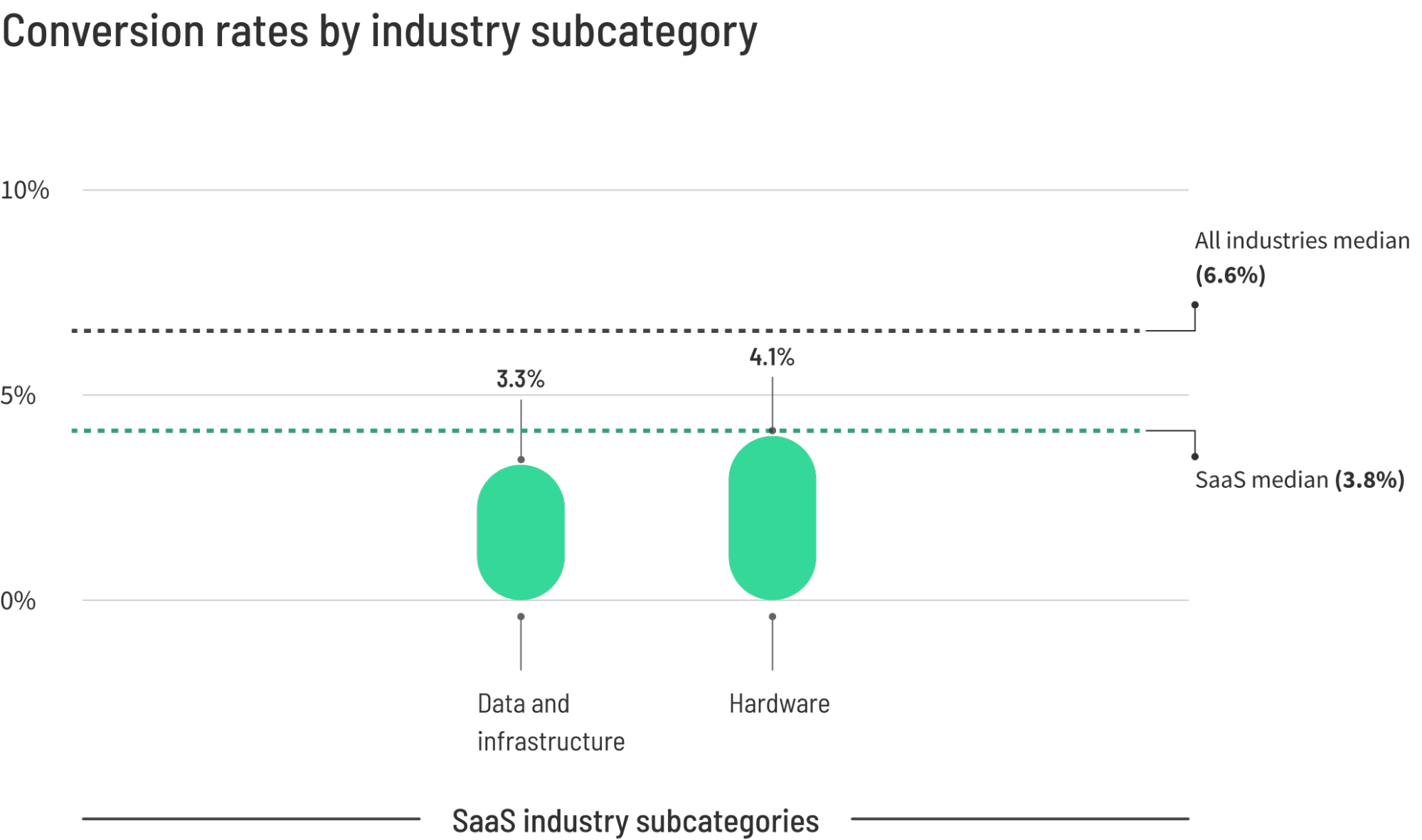
Software as a Service (SaaS) continues to face some of the steepest hills in conversion optimization, with a median rate of 3.8%. Analysts attribute this to longer sales cycles and the complexity of the products being sold. However, the “good” threshold for SaaS stands at 11.6%, suggesting that companies that successfully simplify their messaging can triple their lead flow.
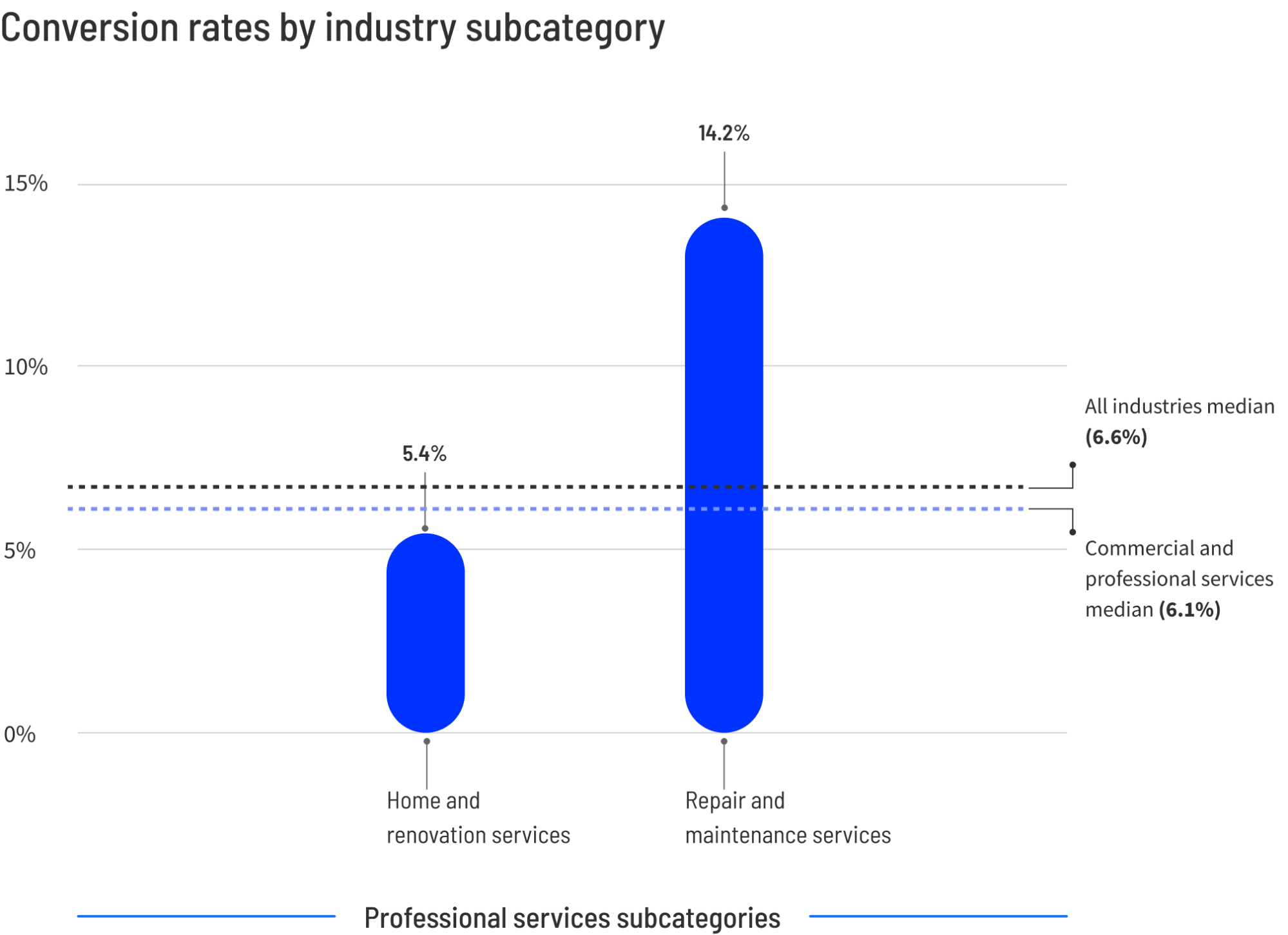
Professional services—a broad category including consultants, lawyers, and home repair—see a median of 6.1%. This sector demonstrates the “urgency factor.” For instance, repair and maintenance services convert at nearly three times the rate of home renovation services. A homeowner with a burst pipe is significantly more likely to convert immediately than one dreaming of a kitchen remodel three years in the future.
Finance and Legal: The Power of Mobile Urgency
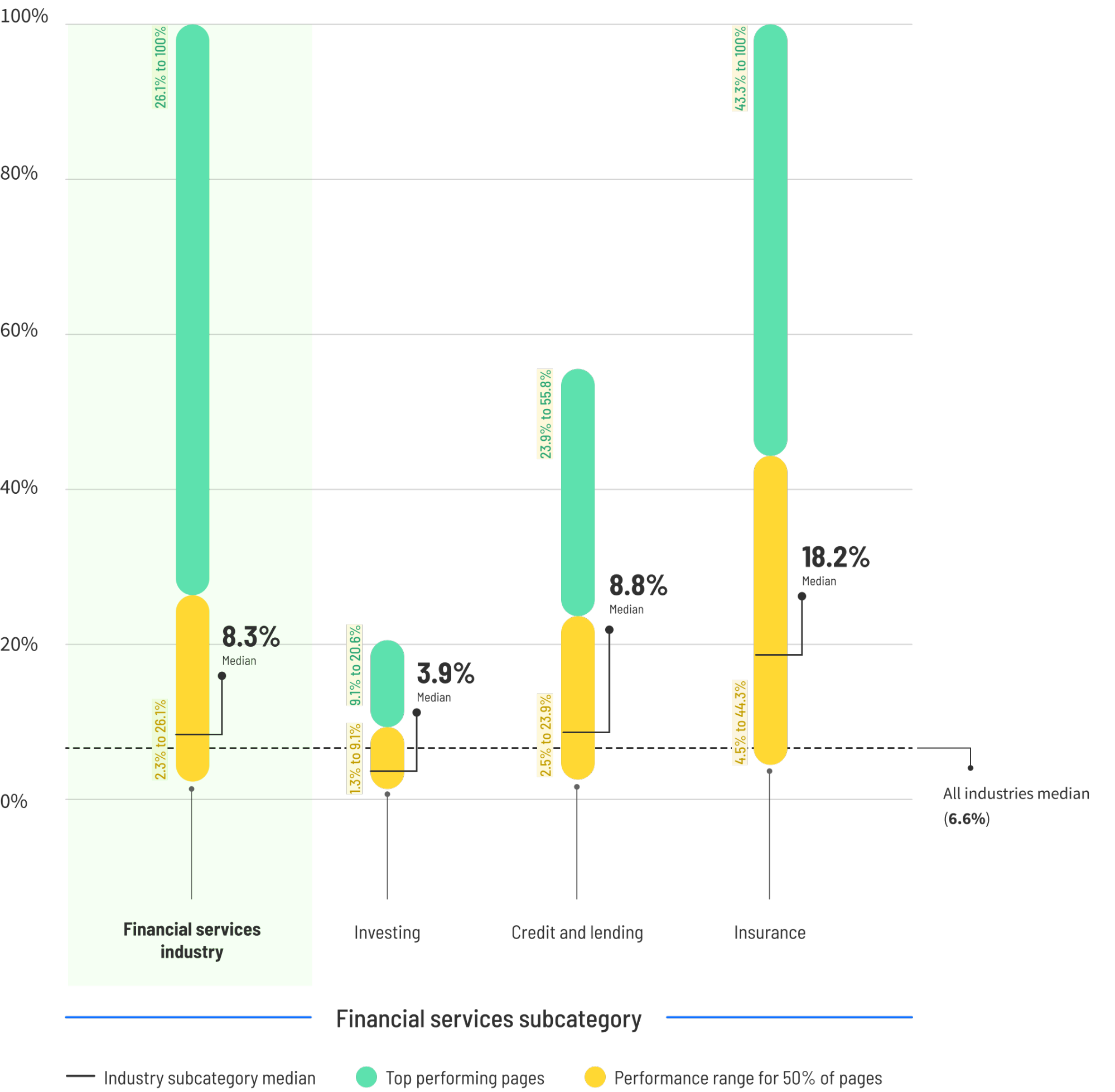
The financial services industry maintains a healthy median conversion rate of 8.3%, with top performers exceeding 21.8%. A notable trend in this sector is the dominance of mobile traffic, which converts 27.8% better than desktop. This suggests that financial decisions, particularly regarding insurance, are increasingly made “on the go” or in response to immediate needs.
Similarly, the legal sector shows a median of 6.3%, but with a unique device profile. Legal landing pages convert at 21% on mobile compared to just 15.9% on desktop. This “mobile-first” reality is driven by high-urgency searches, such as individuals seeking legal counsel immediately following an accident or legal notification.
The Linguistic Factor: Simplicity as a Conversion Driver
One of the most striking revelations in the current data set is the correlation between reading ease and conversion success. The analysis found that landing pages written at a 5th-to-7th-grade reading level convert at a median of 11.1%. This is 56% higher than pages written at an 8th-to-9th-grade level and more than double the conversion rate of pages using “professional” or academic language.
Marketing psychologists suggest this is due to “cognitive ease.” When a visitor can quickly process a value proposition without navigating jargon or complex sentence structures, their friction to take action decreases. This finding challenges the traditional belief that “sophisticated” industries like SaaS or Finance require complex language to establish authority. In reality, clarity remains the ultimate authority.
Traffic Channels and the Quality vs. Quantity Debate
The source of traffic remains a critical determinant of conversion success. While paid social media (Facebook, Instagram, TikTok) offers massive reach, its conversion rates often pale in comparison to more intentional channels.
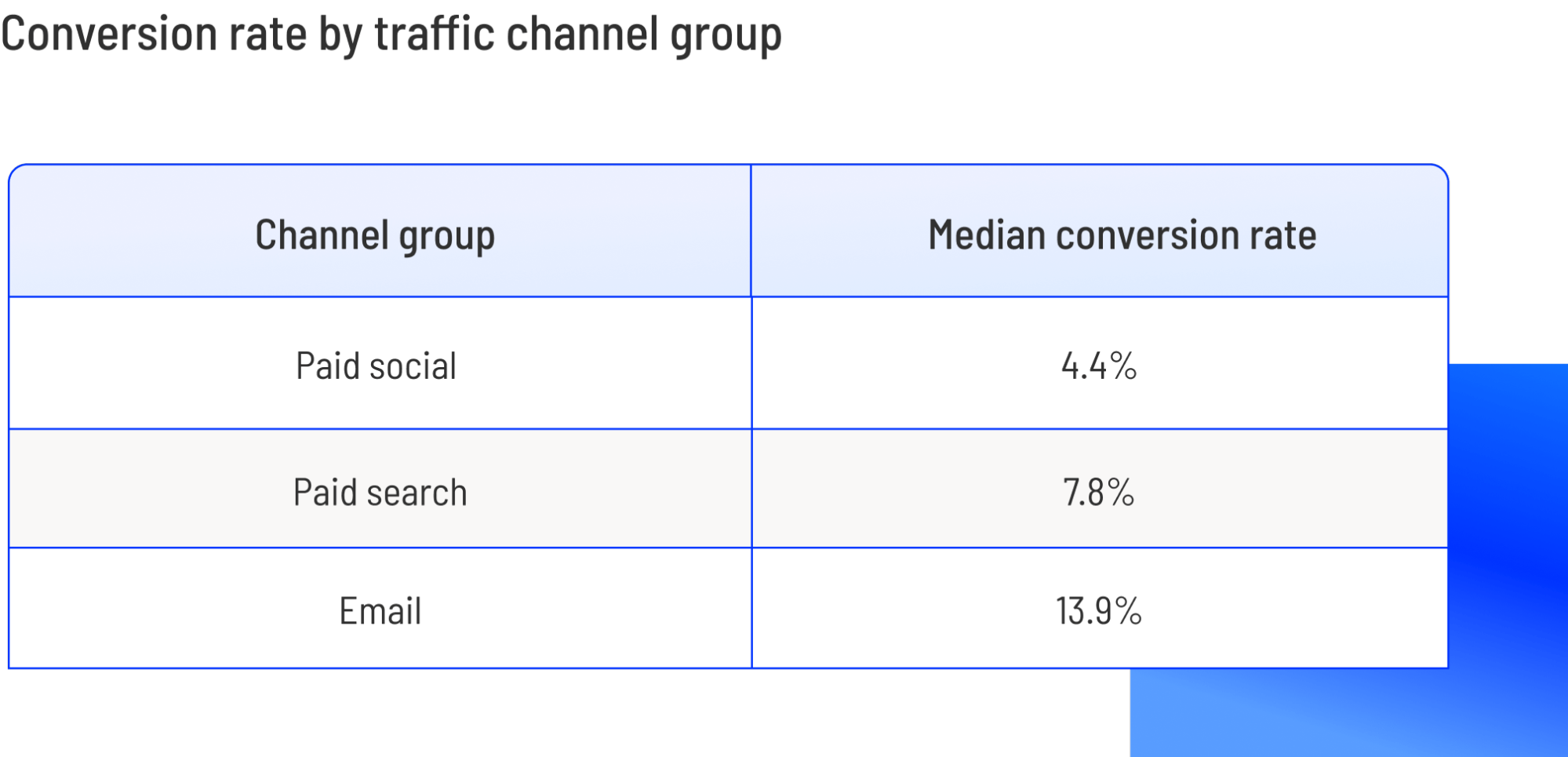
- Email Marketing: Continues to be the highest-converting channel for many, with professional services seeing a 14% conversion rate from email compared to 4.4% from paid social.
- Paid Search: Dominates in high-urgency sectors like Legal and Education, where the visitor is actively seeking a solution to a specific problem.
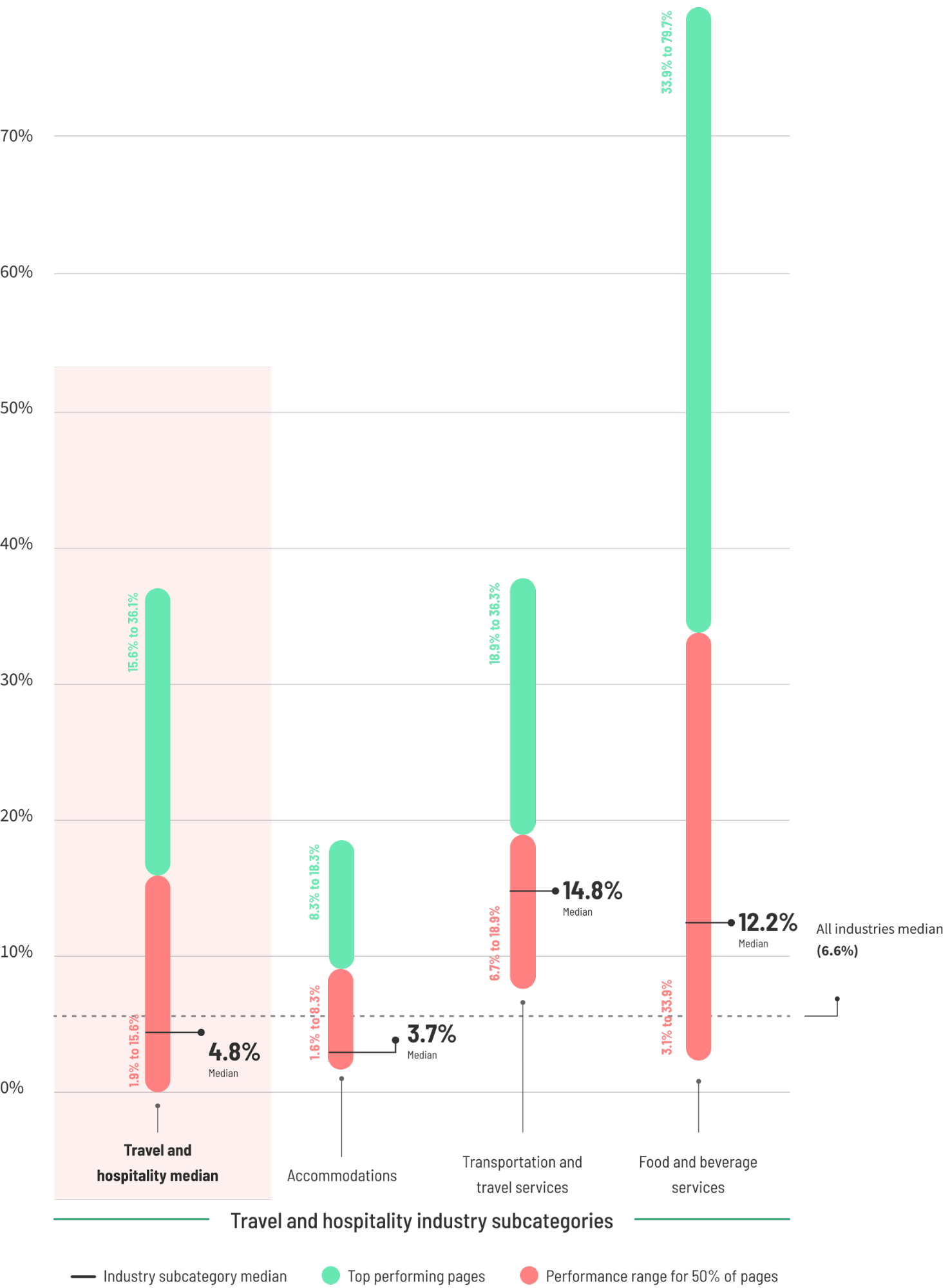
- Mobile vs. Desktop: While mobile accounts for approximately 83% of all landing page visits, it does not always lead in conversions. In the travel and hospitality industry, desktop traffic converts 10.4% better than mobile, as consumers prefer the larger screen real estate for the final booking of expensive trips.
Strategic Implications and Official Responses
Industry experts suggest that these benchmarks should serve as a diagnostic tool rather than a final goal. “A benchmark is a starting line, not a finish line,” says Josh Gallant, founder of Backstage SEO. The data suggests that the gap between “average” and “excellent” is often bridged not by massive budget increases, but by systematic A/B testing and incremental improvements in user experience.
The official response from the broader marketing technology community emphasizes the role of Artificial Intelligence in closing this gap. Modern landing page builders are increasingly using “Smart Traffic” algorithms that automatically route visitors to the page variant most likely to convert based on their historical behavior and device type. This automated optimization is becoming a necessity as the manual task of analyzing millions of data points becomes impossible for human teams alone.
Broader Impact on the Digital Economy
The implications of these conversion trends extend beyond individual marketing departments. As conversion rates improve through better optimization, the “Cost Per Acquisition” (CPA) decreases, allowing smaller businesses to compete with larger enterprises in the bidding wars of Google and Meta.
Furthermore, the shift toward simpler language and better mobile experiences is making the digital economy more accessible to a broader demographic. By prioritizing clarity over complexity, brands are reaching audiences that were previously alienated by dense, jargon-heavy marketing.
As we look toward the remainder of 2025, the directive for marketers is clear: abandon generic targets and focus on industry-specific context. The businesses that will thrive are those that recognize that a conversion is not just a data point, but the result of a frictionless interaction between a clear message and a motivated user. In a world of 464 million pageviews, the most successful pages are those that treat every visitor as an individual with a specific intent, a specific device, and a limited amount of time.








