
 rifanmuazin
The digital experimentation landscape is undergoing a significant transformation as automation experts and conversion rate optimization (CRO) specialists seek to resolve long-standing issues with data integrity and technical fragility. At the center of this shift is a new approach to redirect testing—often referred to as split URL testing—which has historically been plagued by the manual complexities of regular expressions (Regex). Recent developments in the field, spearheaded by experimentation consultant Iqbal Ali, have introduced a sophisticated automation workflow utilizing the n8n platform and artificial intelligence to create, validate, and deploy redirect tests with a level of precision previously unattainable through manual processes.

The Problem of Brittle Redirects in Digital Experimentation
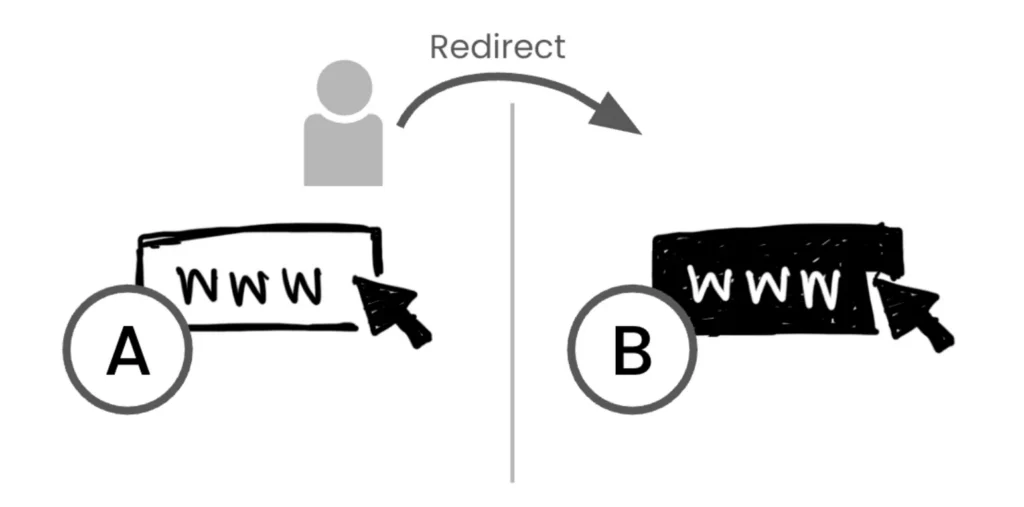
Redirect tests are a fundamental tool in the CRO arsenal. They allow businesses to test entirely different versions of a webpage by redirecting a portion of traffic from an original URL (e.g., /product-page-v1) to a new version (e.g., /product-page-v2). While server-side redirects are generally considered stable, many organizations rely on client-side redirect tests due to their ease of deployment through third-party testing tools. However, these tests rely heavily on Regex to match and transform URLs.
Regex is a sequence of characters that specifies a search pattern. In the context of URL redirection, it is used to identify which users should be moved and how their destination URL should be constructed, often while preserving critical query parameters like UTM codes for tracking. The primary issue, as identified by industry experts, is that Regex is notoriously “brittle.” A single misplaced character, an overlooked edge case, or a failure to account for specific URL parameters can lead to broken links, lost tracking data, or “leaky” experiments where users are redirected incorrectly. These defects do more than just ruin an individual test; they compromise the data integrity of the entire experimentation program, leading to false positives and potentially costly business decisions based on flawed analytics.

A Chronological Shift Toward AI-Assisted Workflows
The evolution of redirect testing has moved through three distinct phases. In the early era of web testing, developers wrote manual scripts for every redirect, a process that was slow but relatively controlled. The second phase saw the rise of visual editors in A/B testing platforms, which simplified the process but still required manual Regex input for complex URL structures. We have now entered the third phase: the era of “Agentic Automation.”
The recently unveiled workflow by Ali represents a milestone in this third phase. By integrating n8n—an extendable workflow automation tool—with Large Language Models (LLMs), the process of writing and quality-assuring (QA) Regex has been moved out of human hands and into a supervised, automated loop. This shift is designed to eliminate the “typo factor” and ensure that every redirect is validated against a site’s actual URL structure before a single user is ever redirected.
Technical Architecture of the Automated Redirect Workflow
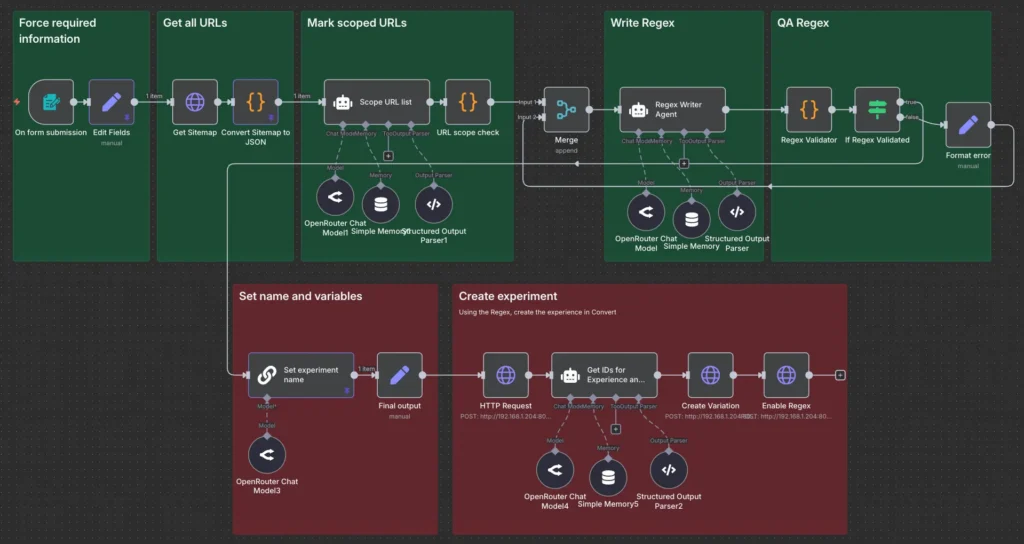
The automated system operates through a structured six-step process that combines data collection, AI-driven logic, and programmatic validation.
Step 1: Standardized Data Acquisition
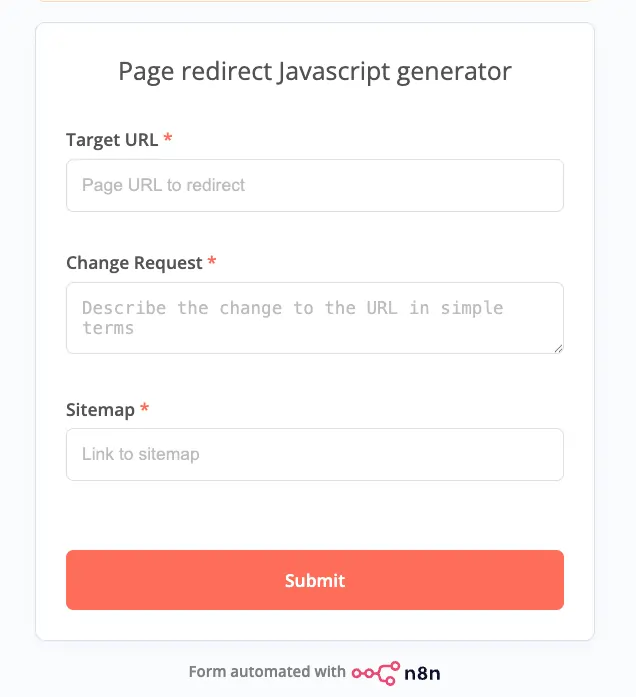
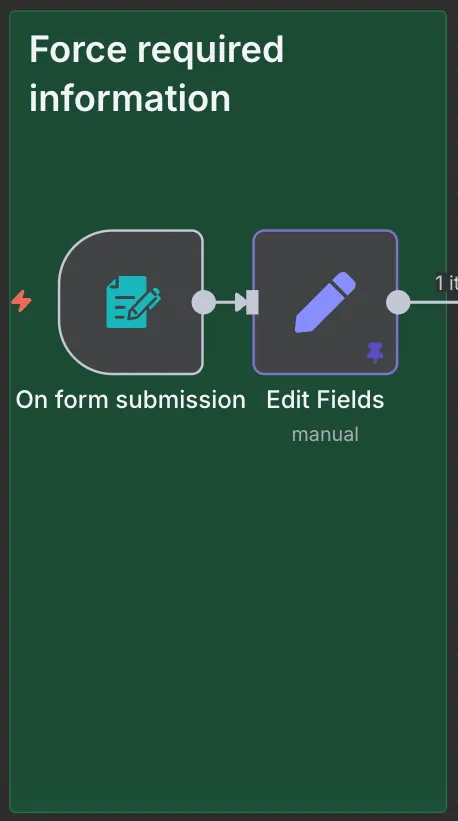
The process begins with a standardized form that captures three essential inputs: the target URL, the specific change request (e.g., “change the category slug from /old-cat/ to /new-cat/”), and the site’s XML sitemap. By using a form rather than a chat interface, the workflow enforces data discipline, ensuring that the AI has the exact parameters needed to function without ambiguity.

Step 2: Sitemap Processing
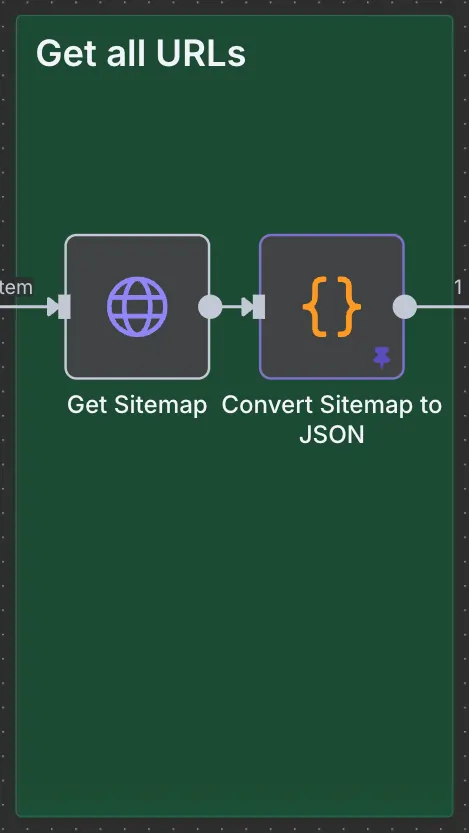
The workflow programmatically fetches the XML sitemap of the website. This provides a comprehensive list of every live URL on the domain. This step is crucial because it allows the system to test the proposed redirect logic against the entire site architecture, not just the single page being tested.
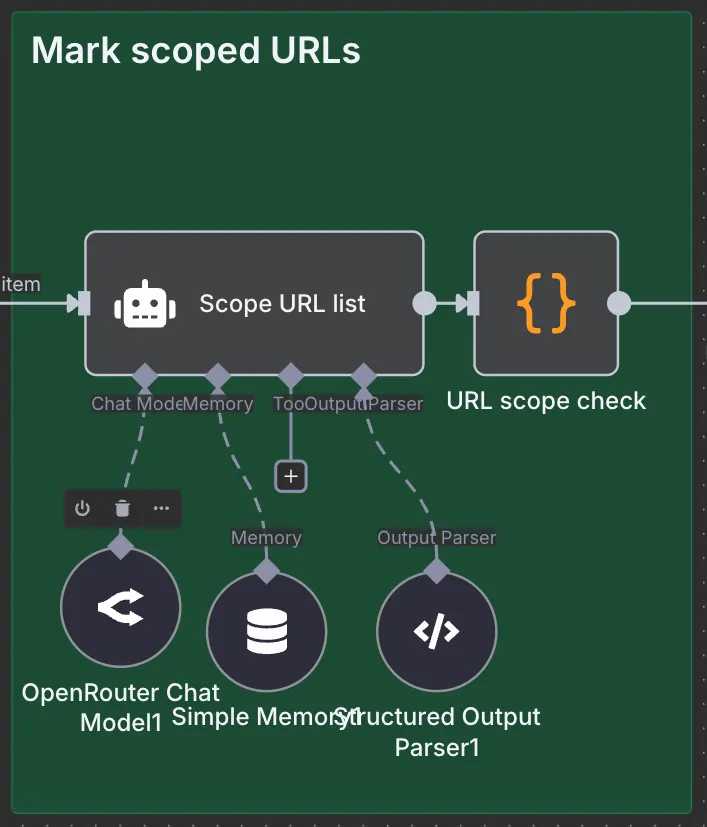
Step 3: AI-Driven Scoping
The first of two AI agents analyzes the sitemap and the change request. Using “few-shot prompting”—a technique where the AI is given a few examples to learn the desired pattern—the agent determines the “scope” of the redirect. It identifies which URLs should be affected by the Regex and which should remain untouched. This prevents common errors where a redirect intended for a single page accidentally triggers across an entire subfolder.
Step 4: Programmatic Regex Generation
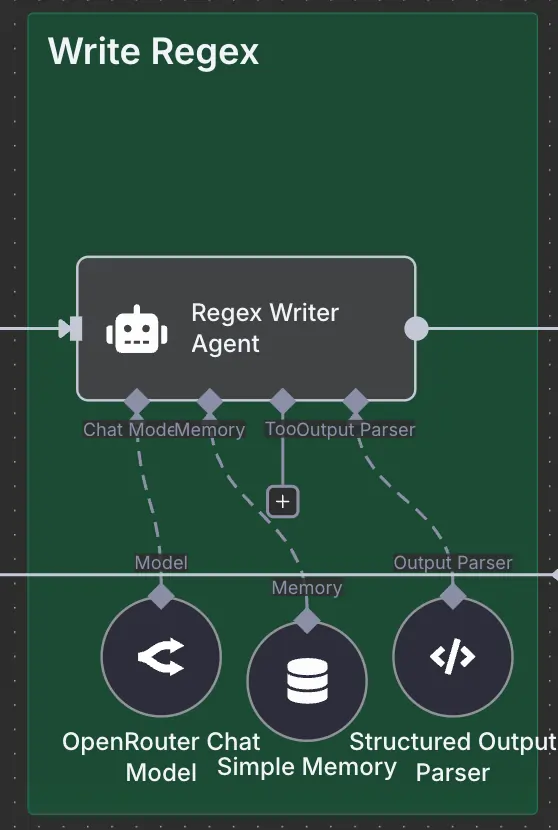
A second AI agent is tasked with writing the actual Regex. It is instructed to generate code that not only performs the requested change but also preserves all query parameters and handles edge cases like trailing slashes. The prompt structure is designed to output JSON-formatted match and replace rules, which can be easily read by subsequent steps in the automation.
Step 5: The Automated QA Loop
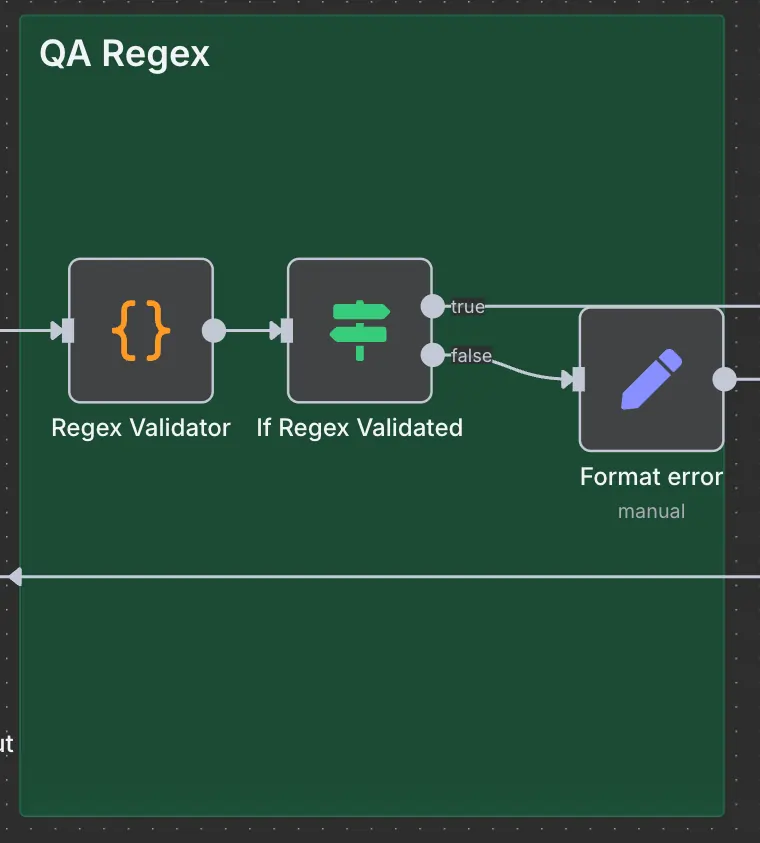
This is the most critical phase for maintaining data integrity. A script runs the newly generated Regex against every single URL found in the sitemap. It checks for two specific failure states:
- False Positives: Did the Regex change a URL that was supposed to be out of scope?
- Logic Errors: Did the Regex fail to change a URL that was in scope, or did it produce an invalid URL structure?
If the script detects an error, it formats the failure into a report and sends it back to the AI agent. The AI then uses this feedback to “self-correct,” rewriting the Regex to account for the missed edge case. This loop continues until the Regex passes a 100% success rate against the sitemap.
Step 6: API-Based Deployment
Once validated, the workflow connects to the testing platform’s API (such as Convert.com) to automatically create the experiment, set the variation names, and input the finalized Regex. This eliminates the final point of human error: the “copy-paste” mistake.
Data-Backed Analysis of the Impact of Automation
The implications of this automation are significant when viewed through the lens of operational efficiency and data accuracy. In manual environments, a complex Regex for a large-scale site redesign might take a developer 30 to 60 minutes to write and manually QA. The automated workflow completes this task in seconds.
Furthermore, the cost of “bad data” in the CRO industry is immense. According to industry benchmarks, roughly 80% of A/B tests fail to show a significant lift. When a test does show a lift, it is vital that the result is real. If a redirect test is improperly scoped, it can contaminate the “control” group with “treatment” users, a phenomenon known as “interference.” By ensuring 100% accuracy in URL matching, this automated workflow preserves the statistical validity of the experiment, protecting the ROI of the optimization team.
From a cost perspective, the use of small-scale LLMs within these workflows makes them highly accessible. The token usage for generating a Regex string is negligible, often costing less than a cent per execution, while the time savings for high-salaried engineers or analysts provide a massive multiplier on that investment.
Industry Reactions and Expert Perspectives
While the workflow is currently highlighted as a “safer way” to build tests, it has sparked a broader conversation about the role of the “Human-in-the-loop” (HITL). Experts suggest that while the AI handles the repetitive and syntax-heavy tasks of Regex writing, the human role shifts toward higher-level strategic oversight.
“The goal isn’t to replace the QA process,” Ali noted in his analysis of the system, “but to reduce the effort and the likelihood of human error.” This sentiment is echoed across the DevOps and CRO communities, where there is a growing consensus that AI’s best use case is as a “validator” of technical requirements rather than just a generator of content.
Marketing managers have also expressed interest in these systems because they democratize the ability to run complex tests. In many organizations, a marketing team might have to wait days for a developer to be available to write a Regex for a split URL test. With a validated automation workflow, a non-technical manager can initiate the process, knowing that the system’s built-in QA loop will prevent them from “breaking the site.”
Broader Implications for the Future of CRO
The success of AI-driven Regex automation suggests a future where entire experimentation programs are managed by autonomous agents. We are moving toward a reality where an AI could analyze a sitemap, identify high-traffic pages with low conversion rates, suggest a design change, build the redirect test, and monitor the results for statistical significance—all with minimal human intervention.
However, the immediate benefit remains centered on reliability. As websites become more complex, with dynamic routing and heavy use of query parameters for personalization, the margin for error in manual testing continues to shrink. Systems like the n8n-AI workflow provide a necessary safety net.
In conclusion, the integration of AI into the technical side of A/B testing is no longer a luxury but a requirement for teams that prioritize data integrity. By automating the brittle elements of the process, such as Regex creation and sitemap validation, organizations can increase their testing velocity while simultaneously decreasing the risk of technical failure. This workflow serves as a blueprint for the next generation of digital experimentation—one that is faster, cheaper, and, most importantly, safer.








