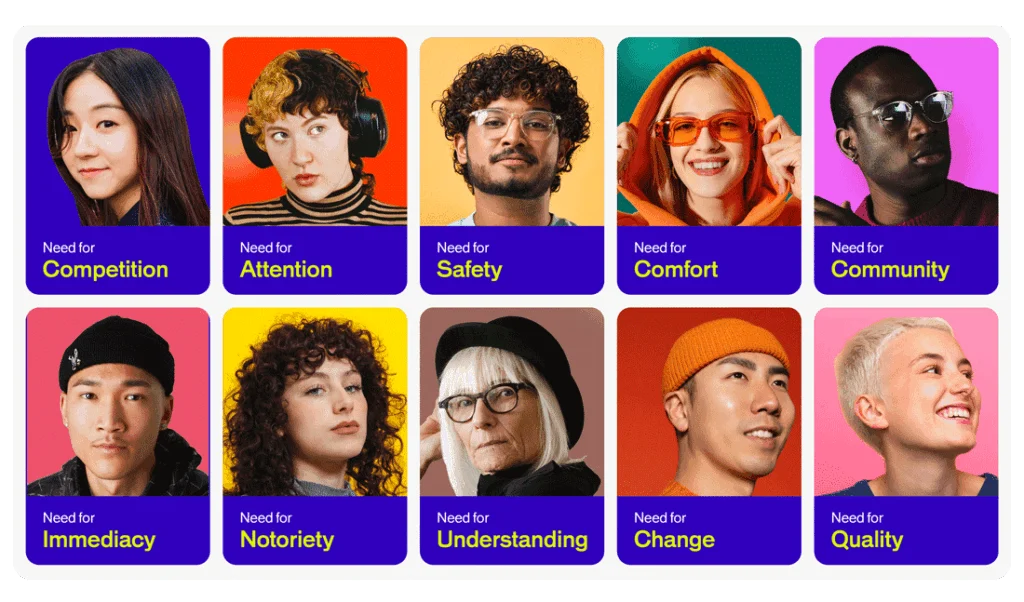
The digital commerce landscape is currently undergoing a fundamental shift from transactional logic to emotional intelligence, as businesses increasingly recognize that traditional demographic targeting is no longer sufficient to capture the nuances of consumer behavior. While conventional personalization has long relied on tracking "what" a user does—such as clicking a link or adding an item to a cart—the next frontier of User Experience (UX) focuses on "why" those actions occur. This evolution is spearheaded by the integration of artificial intelligence capable of decoding human sentiment in real-time, a move that addresses the psychological reality that approximately 80% of human decision-making is driven by emotion rather than cold logic.
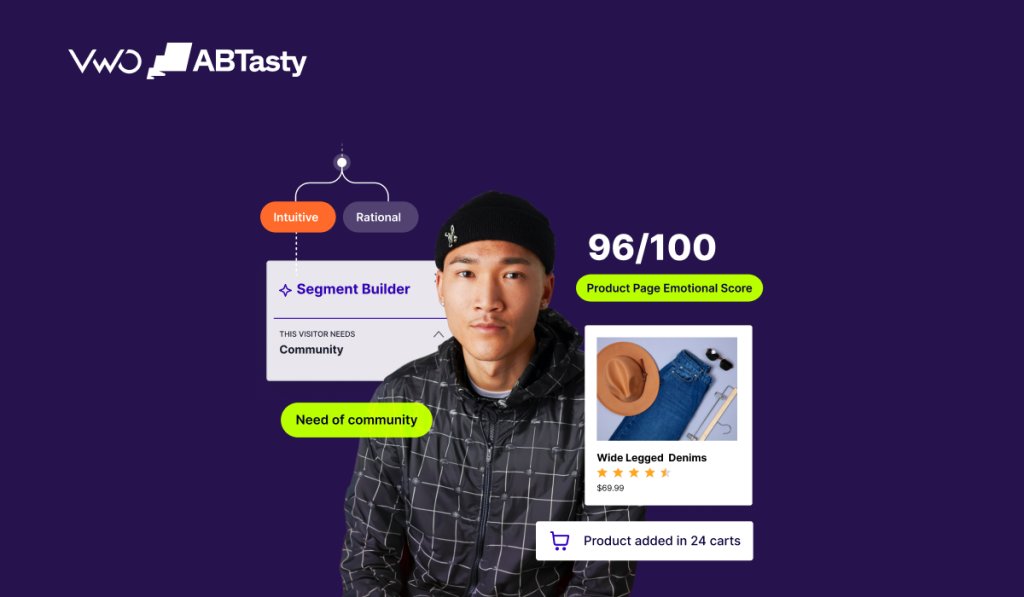
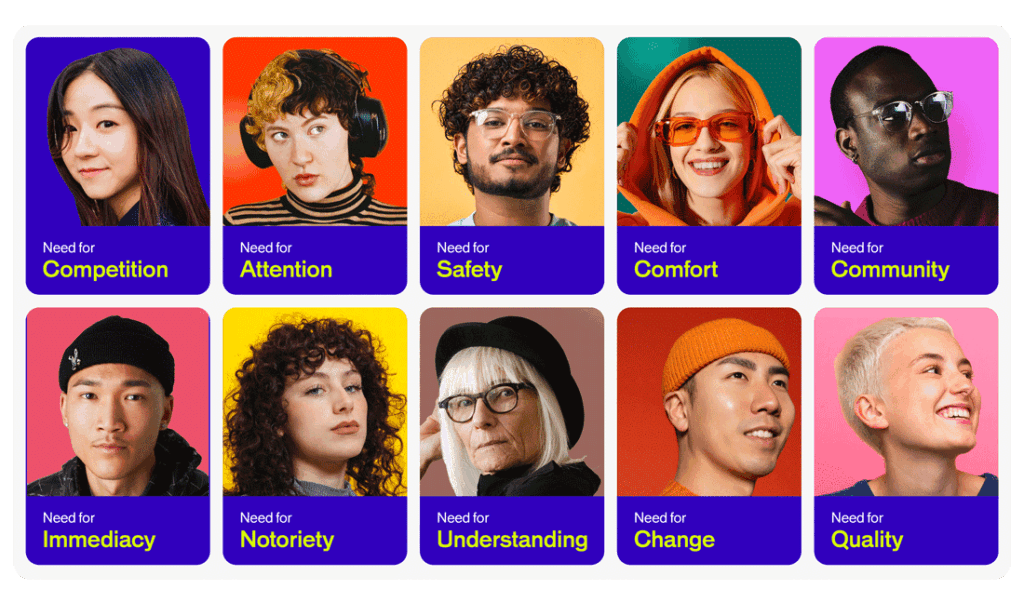
At the center of this technological pivot is EmotionsAI, a sophisticated engine developed by the experimentation platform VWO AB Tasty. Built upon a foundation of over eight years of behavioral data, the system is designed to surface hidden patterns in user journeys. By analyzing micro-moments—instances of hesitation, urgency, or doubt—the AI can categorize a visitor into one of ten distinct emotional profiles in under 30 seconds. This capability allows marketing teams to move beyond broad-stroke segmentation toward a model of "hyper-personalization" that treats every digital interaction as a human conversation.
The Chronology of Behavioral Personalization
The path to emotionally-aware AI began over a decade ago with the rise of basic A/B testing, where brands compared two versions of a webpage to see which performed better. By the mid-2010s, the industry shifted toward "behavioral targeting," using cookies to track past purchases. However, the increasing demand for data privacy and the gradual phasing out of third-party cookies forced a technological pivot.
Between 2016 and 2024, data scientists at AB Tasty began aggregating anonymized behavioral signals—navigation speed, hover patterns, scroll depth, and interaction frequency—to build a predictive model of consumer psychology. This research culminated in the release of EmotionsAI, which translates abstract feelings into actionable segments. This timeline reflects a broader industry trend where the "Empathy Gap" in digital retail is finally being closed by machine learning algorithms that can simulate an intuitive understanding of customer needs.
Data-Driven Insights: The Ten Emotional Segments
Understanding the specific drivers of the ten identified segments is critical for modern digital strategists. According to VWO AB Tasty’s research, these segments represent the vast majority of online traffic, each requiring a tailored approach to maximize conversion and satisfaction.
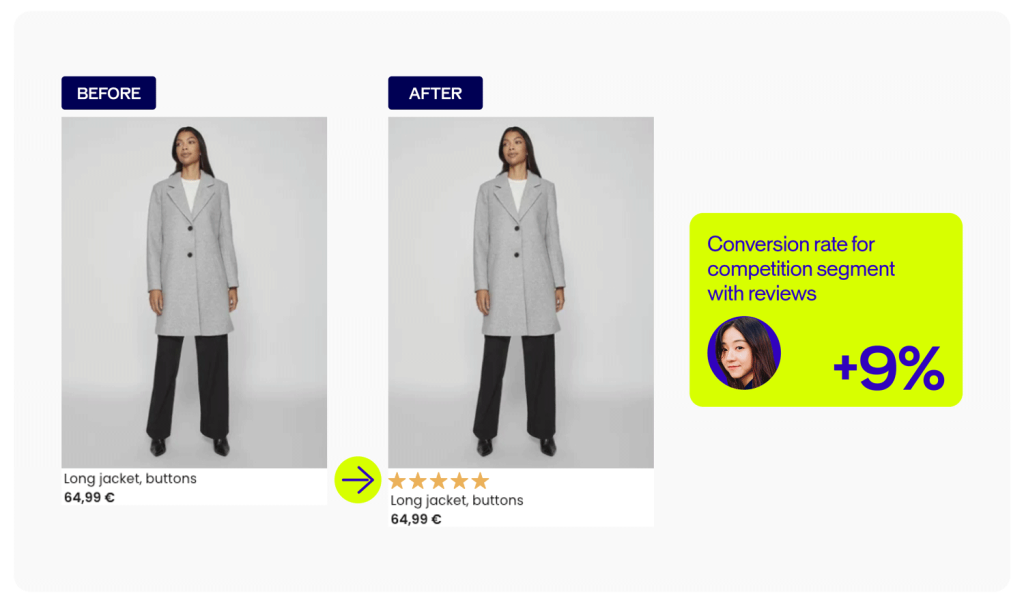
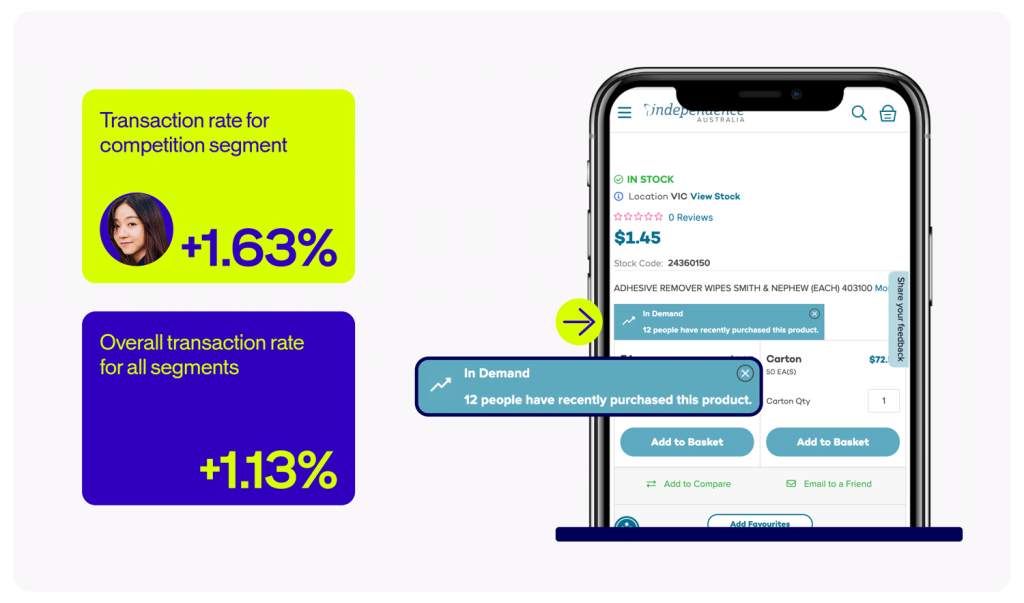
1. The Competition Segment (10% of Audience)
Driven by a desire for status and leadership, these visitors view shopping as a competitive activity. They seek to stay ahead of trends and value quantitative proof of superiority.
- Strategy: Use action-oriented copy and high-visibility social proof, such as "Top Rated" lists or "Most Popular" badges.
- Tactics: Sharp, direct messaging that eliminates filler and focuses on the "win."
2. The Attention Segment (10% of Audience)
This group prioritizes immediate enjoyment and individual recognition. They want to feel that the digital experience was curated specifically for them.
- Strategy: Lead with perks, such as surprise gifts or personalized discounts.
- Tactics: Soften price prominence and emphasize the "VIP" nature of the offer.
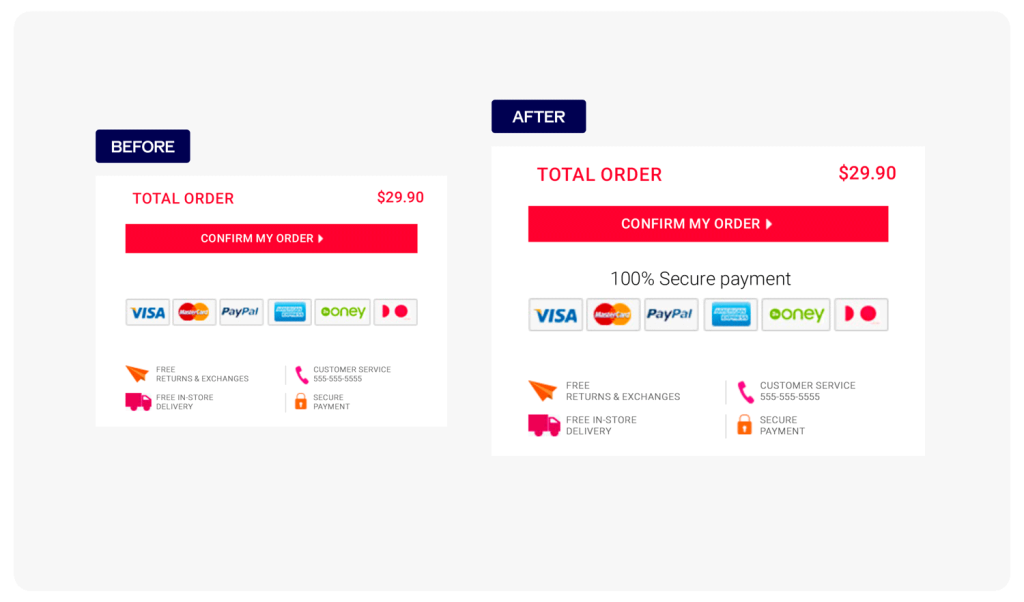
3. The Safety Segment (27% of Audience)
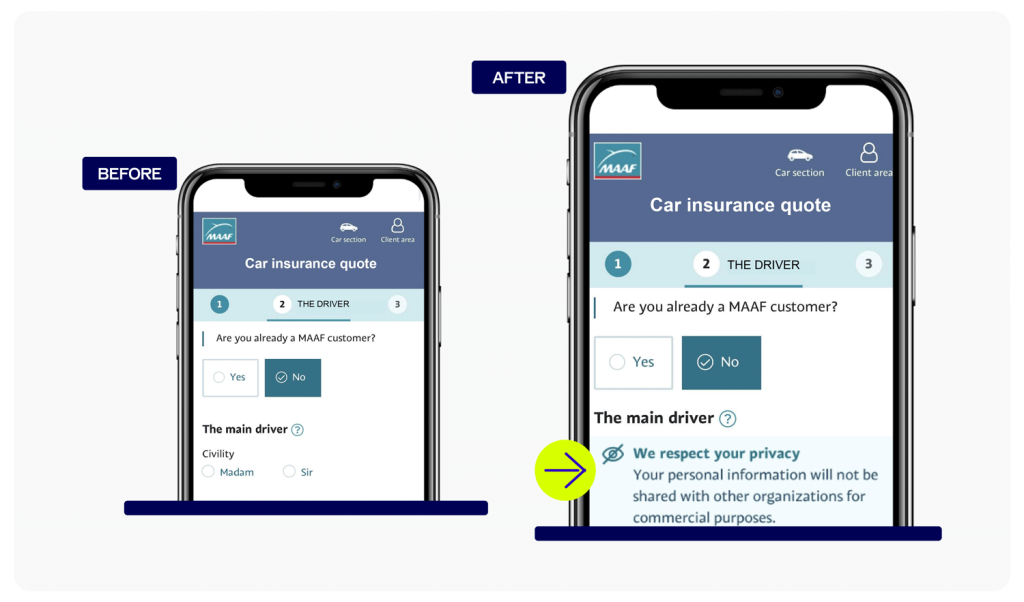
Representing the largest single group, Safety-oriented visitors are highly sensitive to pressure and ambiguity. They are prone to "cart abandonment" if they encounter aggressive sales tactics or unclear security signals.
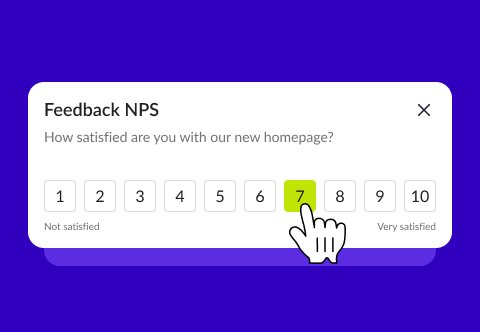
- Strategy: Focus on trust-building, transparency, and low-stress environments.
- Tactics: Highlight payment security, clear return policies, and avoid "urgency" countdown timers that can cause anxiety.
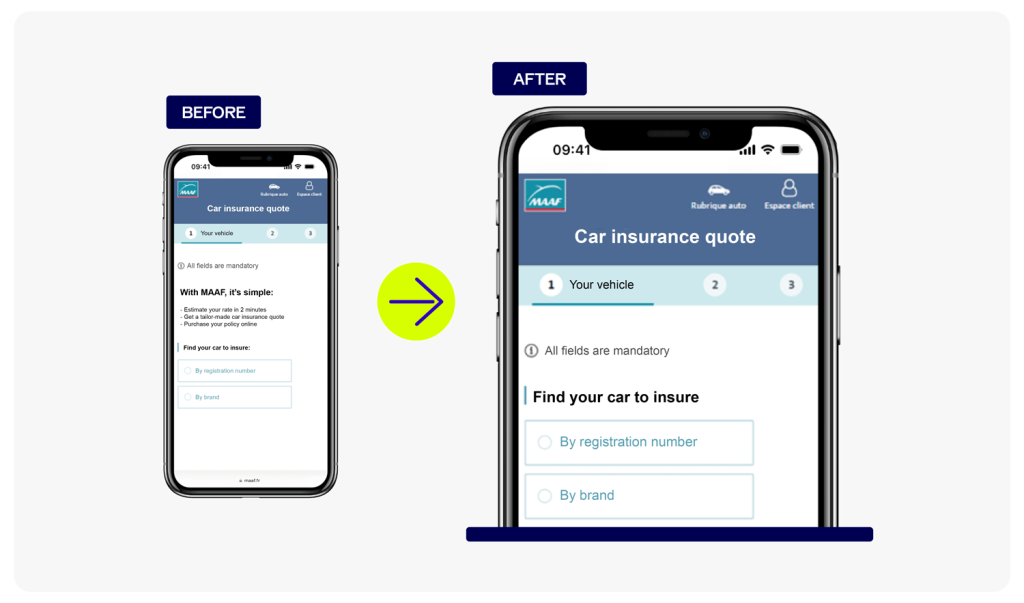
4. The Comfort Segment (10% of Audience)
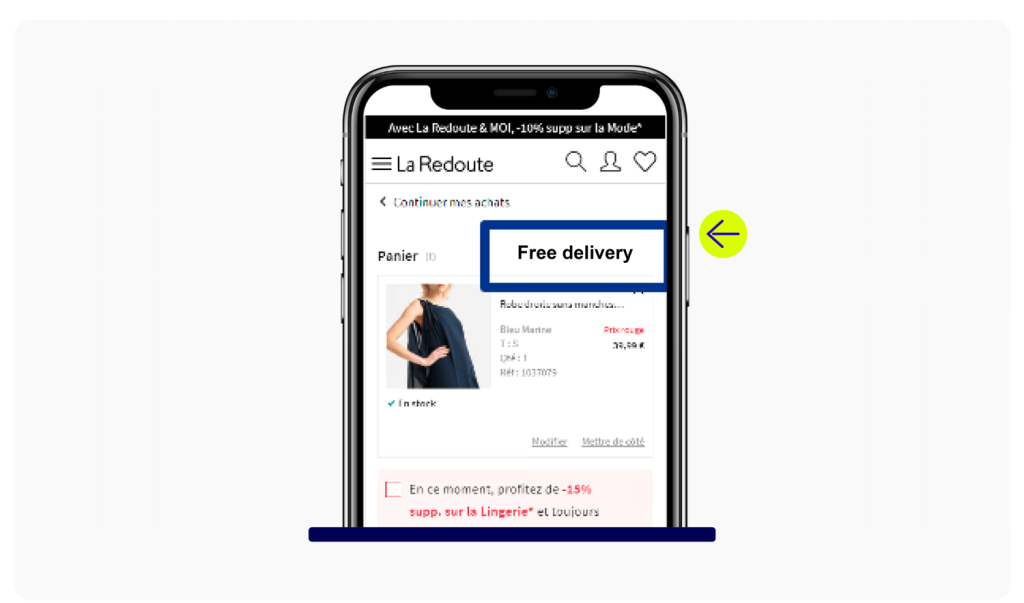
Comfort-seekers value simplicity and the reduction of effort. They prefer a smooth, frictionless journey from discovery to delivery.
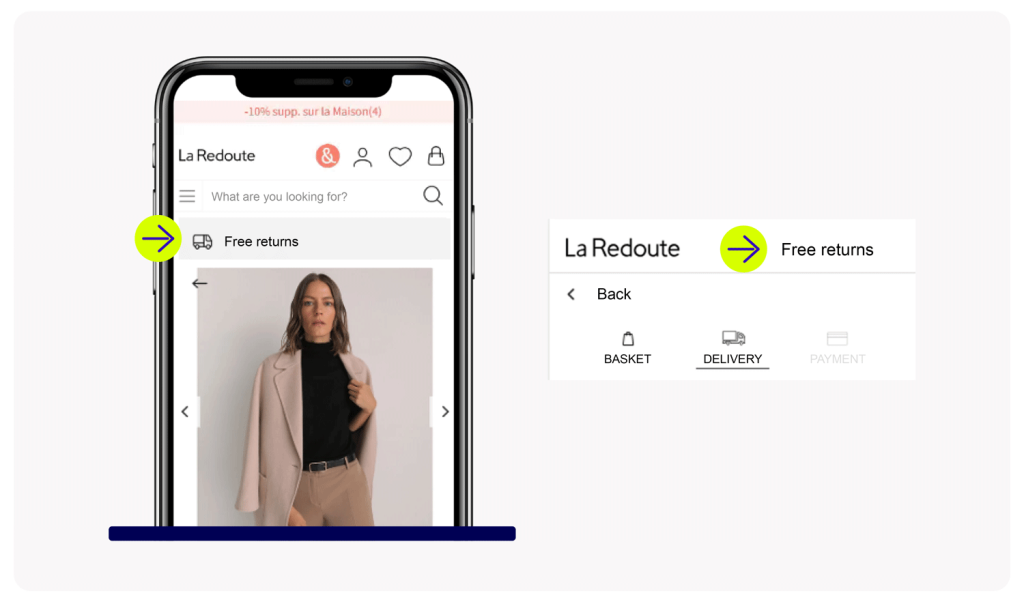
- Strategy: Emphasize ease of use and the convenience of shopping from home.
- Tactics: Promote free delivery and flexible, one-click payment options.
5. The Community Segment (6% of Audience)
These visitors are motivated by shared values, connection, and the social impact of their purchases. They are more likely to support brands that align with their ethical standards.
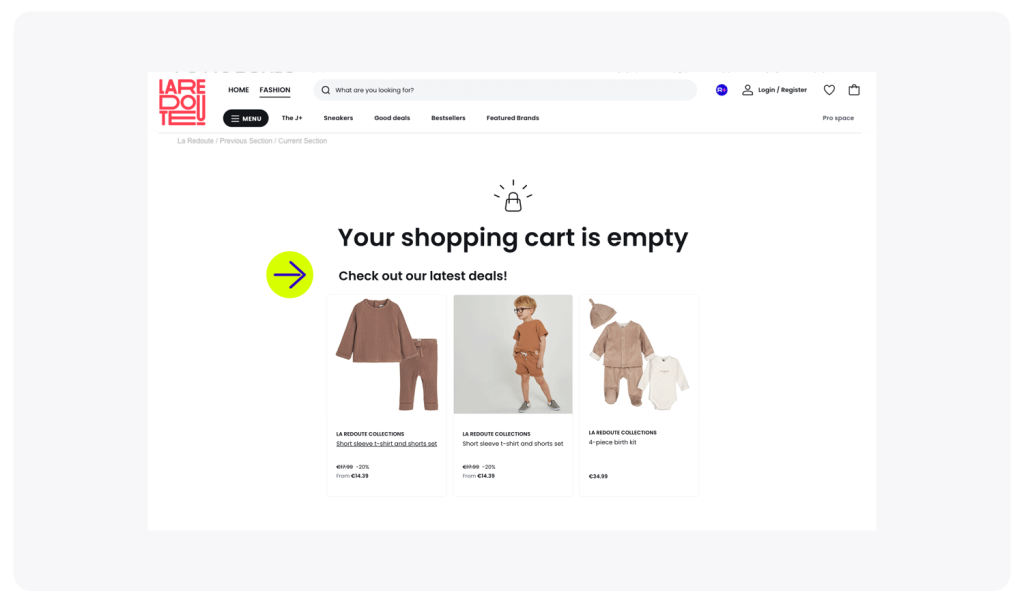
- Strategy: Highlight brand heritage, sustainability efforts, and social responsibility.
- Tactics: Use personalized greetings and feature products that support a cause.
6. The Immediacy Segment (5% of Audience)
Characterized by a need for instant gratification, this segment moves quickly and has a low tolerance for distractions or long-form content.
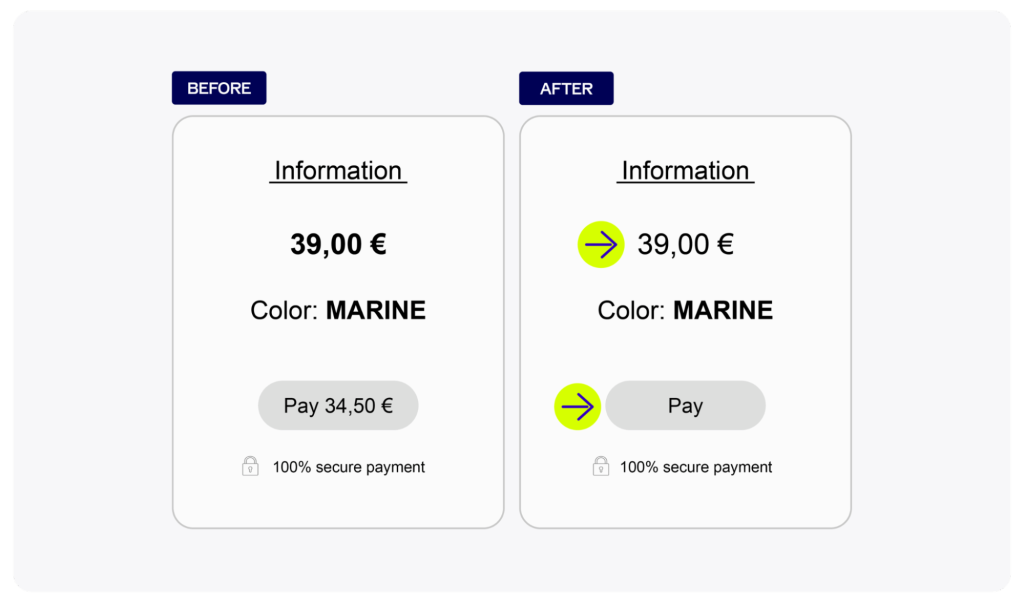
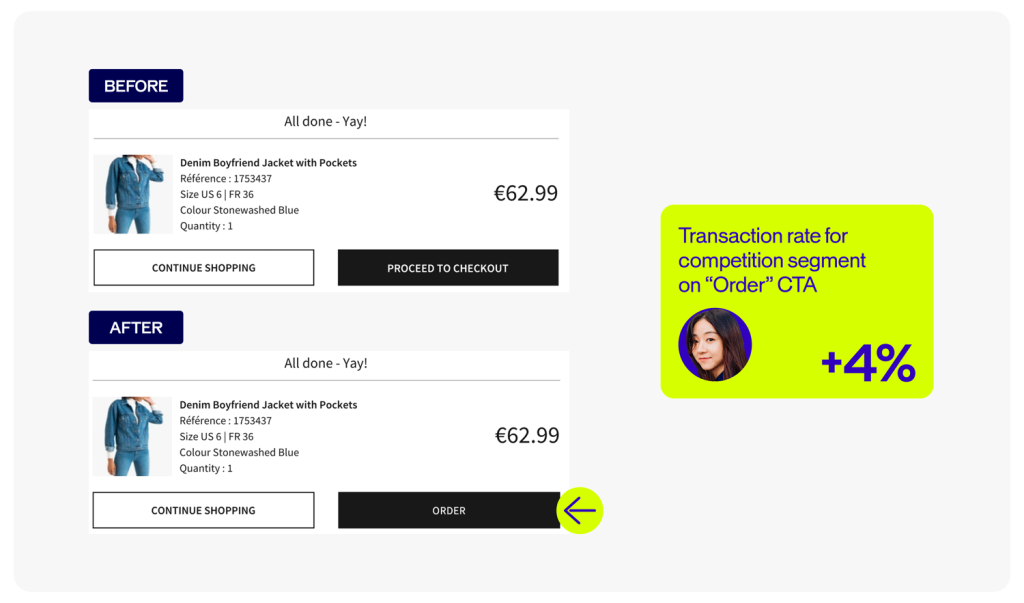
- Strategy: Streamline the checkout process and remove all non-essential navigation.
- Tactics: Use bold Call-to-Action (CTA) buttons like "Order Now" and provide scannable information.
7. The Notoriety Segment (2% of Audience)
These visitors rely heavily on established reputations and the "tried and true." They are risk-averse and seek validation through high-end visuals and official guarantees.

- Strategy: Invest in professional, polished photography and official certifications.
- Tactics: Use sophisticated color palettes (deeper tones) and stick to familiar, traditional payment methods.
8. The Understanding Segment (9% of Audience)
Logical and goal-oriented, this group does extensive "homework" before committing. They ignore storytelling in favor of hard facts and data.
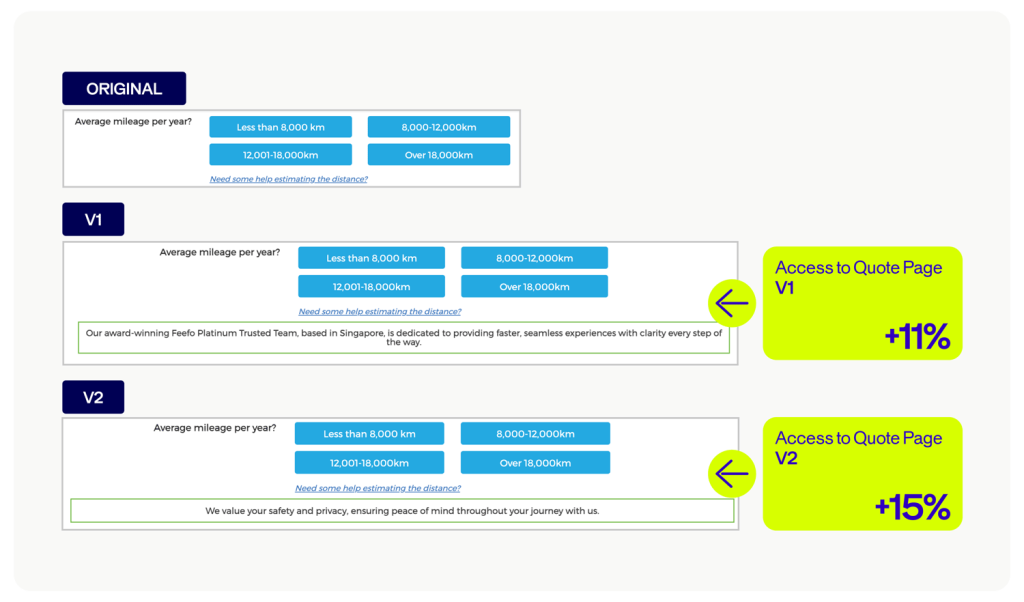
- Strategy: Provide detailed specifications, comparison charts, and progress bars.
- Tactics: Lead with numbers and percentages; ensure the purchase funnel is explicitly broken down into clear steps.
9. The Change Segment (8% of Audience)
Adventurous and easily bored by routine, Change-oriented visitors look for novelty and the "next big thing."
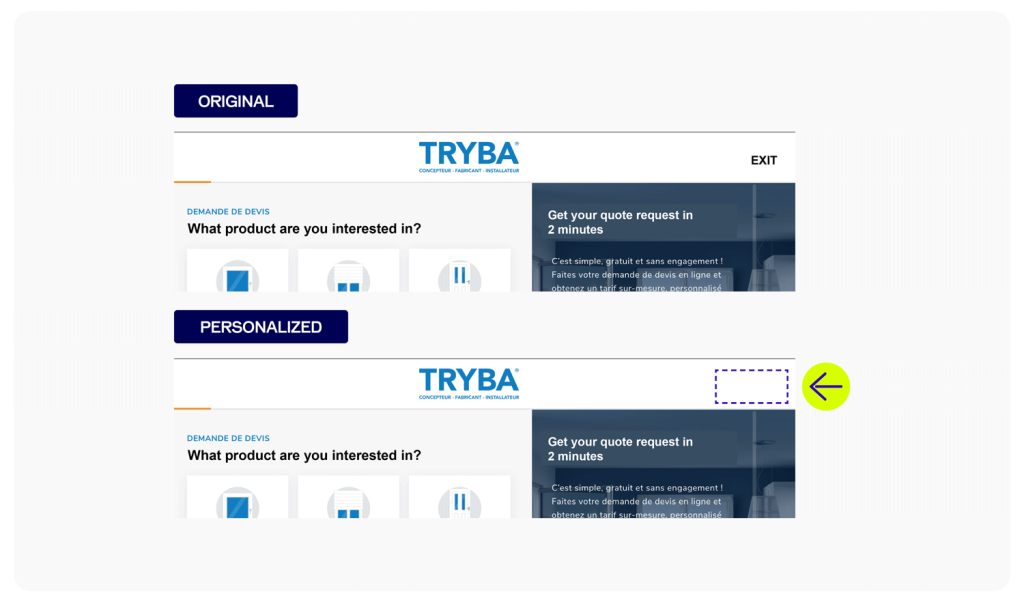
- Strategy: Feature new arrivals, marketplace expansions, and innovative payment methods like Buy Now, Pay Later (BNPL).
- Tactics: Swap standard security badges for modern, fresh design cues and discovery tools.
10. The Quality Segment (3% of Audience)
Unswayed by discounts, these visitors focus on craftsmanship and the narrative behind a product. They are willing to pay a premium for perceived excellence.
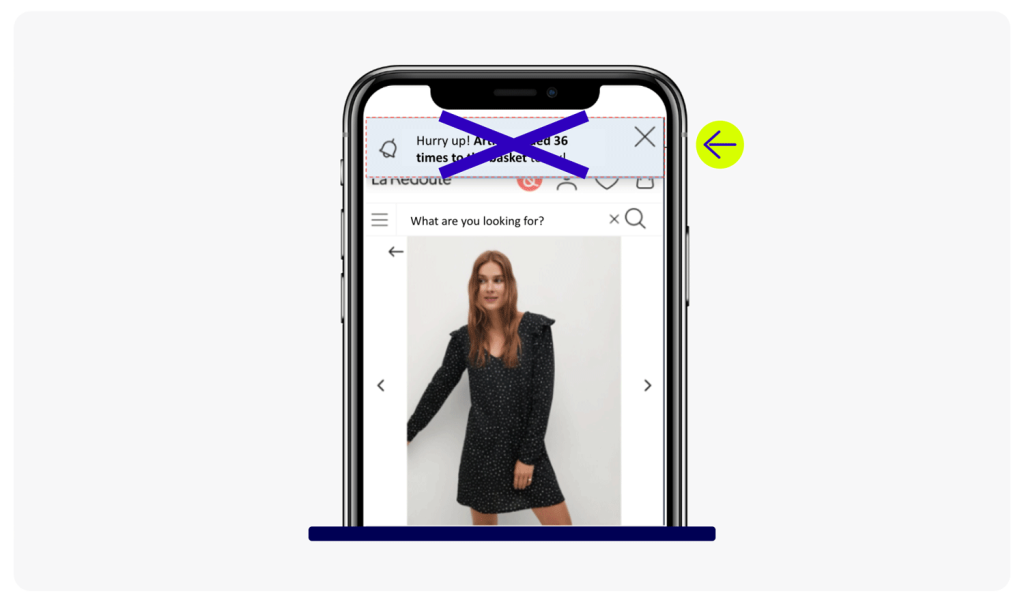
- Strategy: Tell the brand story and focus on the "why" behind the product.
- Tactics: Avoid heavy discounting, which can undermine value perception, and use detailed peer reviews that focus on durability and performance.
Industry Reactions and Expert Analysis
The deployment of emotional AI has sparked significant discussion among industry leaders. Analysts suggest that this technology represents a "humanizing" of the internet. "We are moving away from the era of the ‘user’ and into the era of the ‘person,’" says one digital strategist specializing in consumer psychology. "When an AI can detect hesitation in a shopper and offer a reassurance message rather than a discount code, that is a profound shift in how we build brand loyalty."
Furthermore, CTOs emphasize that this approach is highly compatible with the current "Privacy First" era. Because EmotionsAI relies on on-site behavioral signals rather than tracking users across different websites, it provides a powerful alternative to the intrusive data collection methods that have come under fire from regulators like the GDPR in Europe and the CCPA in California.
Broader Impact and the Future of Digital Experience
The implications of emotional segmentation extend far beyond e-commerce. As this technology matures, it is expected to influence SaaS (Software as a Service) platforms, digital healthcare, and online education. For instance, an educational platform could use emotional AI to detect when a student is frustrated or confused, automatically adjusting the difficulty of the material or offering a supportive prompt.
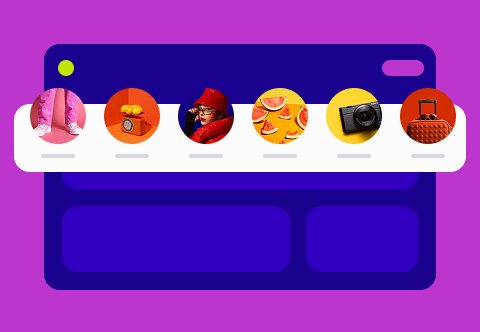
In the commercial sector, the integration of VWO AB Tasty’s experimentation platform with emotional data allows brands to run more sophisticated A/B tests. Instead of testing a "Red Button vs. Blue Button" for the entire audience, brands can test which button color resonates with the "Safety" segment versus the "Competition" segment. This level of precision is projected to increase average conversion rates by 15-25% for companies that successfully implement emotional targeting.
Ultimately, the rise of EmotionsAI signifies a departure from the "one-size-fits-all" digital world. By acknowledging that a visitor’s emotional state is as important as their search query, businesses are creating experiences that feel less like marketing and more like genuine understanding. As the digital space becomes increasingly crowded, the ability to meet a customer’s emotional needs in real-time may become the ultimate competitive advantage, transforming the web into a more intuitive and human-centric environment.