

The landscape of global eCommerce is undergoing a fundamental shift as digital brands move away from traditional, identity-based marketing toward a model defined by real-time behavioral intent. For years, the industry standard for personalization relied on historical data—what a customer bought months ago, their demographic profile, or their assigned market segment. However, as consumer expectations reach new heights and privacy regulations limit the efficacy of third-party cookies, this static approach is proving insufficient. Today’s online shoppers no longer settle for simple recognition; they demand immediate relevance that reflects their specific needs in the moment.
The core challenge facing modern retailers is that traditional personalization strategies were built for a linear shopping era. These legacy systems depend on predefined rules and broad audience buckets, often failing to account for the fluid nature of digital browsing. When a brand fails to meet these expectations, the cost is significant. Research from McKinsey & Company indicates that 71% of consumers now expect personalized interactions, and 76% express frustration when those expectations are not met. Conversely, brands that master personalization can see a marketing ROI increase of 10% to 30% and generate 40% more revenue from these activities than their less-agile competitors.
The Evolution of Digital Personalization: A Brief Chronology
To understand the current transformation, it is necessary to examine how the industry arrived at this juncture. The trajectory of personalization has moved through four distinct phases over the last three decades.
In the late 1990s and early 2000s, personalization was largely "reactive and manual." This era was defined by basic "customers who bought this also bought that" recommendations. By the 2010s, the industry moved into the "segmented era," where brands began using CRM data to group customers by age, location, or past purchase history. While more advanced, this still relied on historical snapshots rather than live activity.
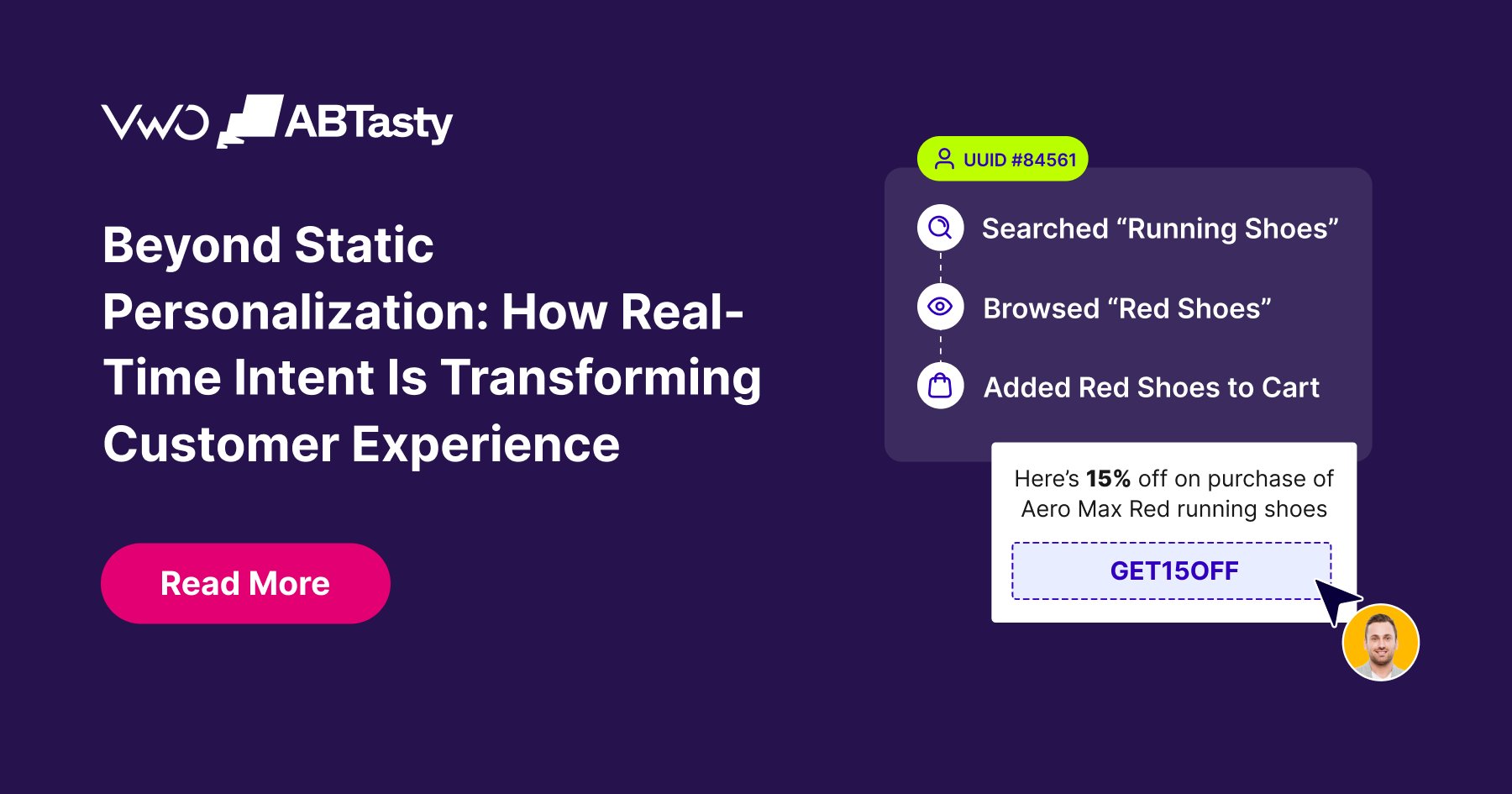
The mid-2020s marked the "rules-based era," where marketers began setting manual triggers—for example, "if a user visits the shoe category three times, show them a discount banner." While this offered a semblance of automation, it required constant manual updates and failed to scale. We have now entered the "adaptive era," characterized by the use of predictive AI and machine learning to analyze in-session behavioral signals. This new phase allows brands to adapt the digital experience for visitors they have never seen before, effectively bridging the gap between anonymous browsing and converted sales.
The Limitation of Traditional Identity-Based Systems
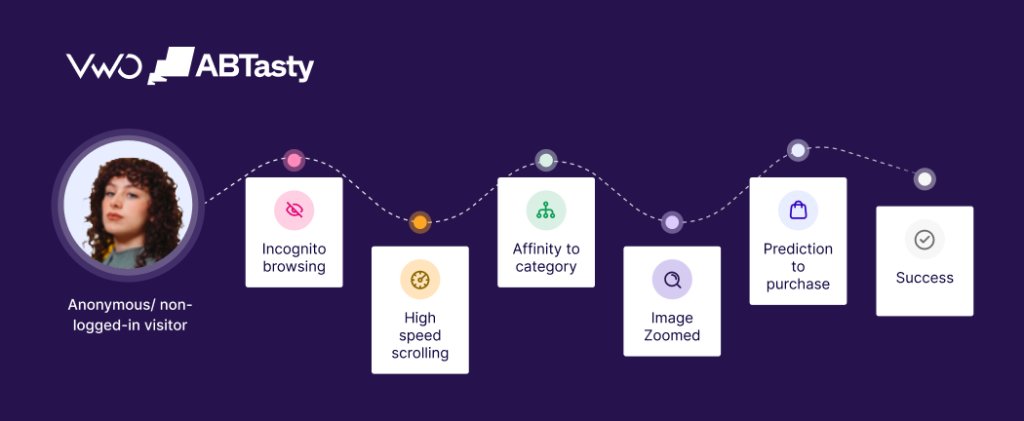
The primary friction point in modern eCommerce is the "anonymous visitor problem." Industry data suggests that upwards of 90% of visitors to a typical eCommerce site are anonymous. These users may be first-time browsers, individuals using private windows, or shoppers who have opted out of tracking cookies. Traditional personalization engines, which require a known identity to function, default to a generic "one-size-fits-all" experience for this vast majority.
Furthermore, even for known customers, intent is highly volatile. A shopper’s needs can shift within a single session. A user might begin by casually browsing high-end fashion but, after seeing a specific price point, shift their intent toward searching for sale items or accessories. A static system, tethered to the user’s past history as a "luxury buyer," would continue to show expensive items, missing the real-time pivot in the consumer’s mindset. This lag between action and reaction leads to missed opportunities and wasted marketing spend.
Predictive AI and the Rise of Intent-Based Personalization
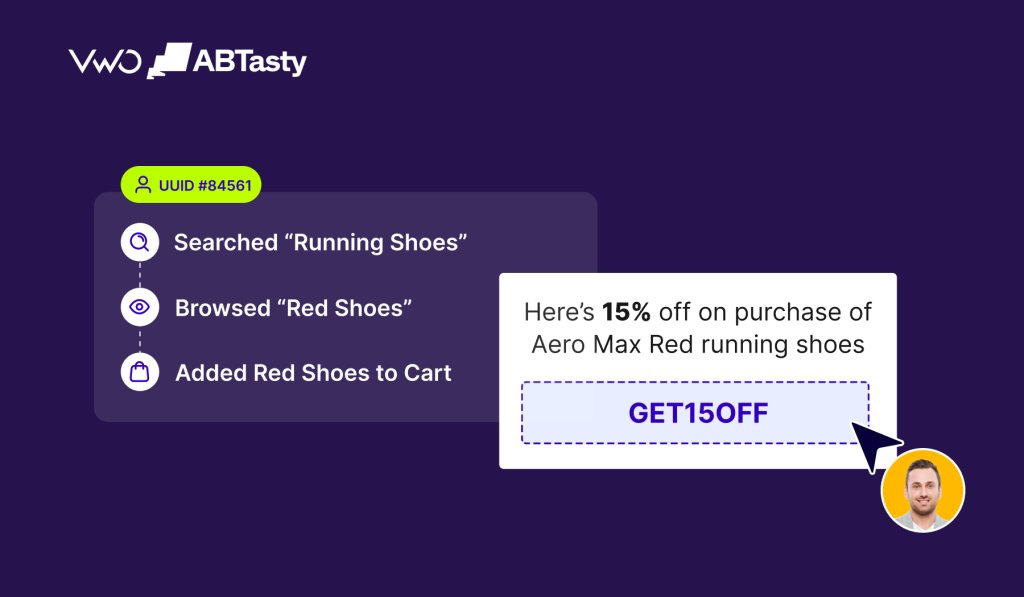
The emergence of platforms like AdaptiveCX, developed by VWO AB Tasty, represents a paradigm shift in how brands interact with digital traffic. Rather than asking "Who is this person?" the technology asks "What is this person trying to achieve right now?"
This approach utilizes real-time behavioral signals to infer intent. By analyzing micro-actions—such as scroll depth, mouse hover patterns, the speed of navigation, and specific click sequences—predictive AI can determine a visitor’s level of motivation and their likely "affinity" for specific products or categories.
According to industry analysts, this "intent-led" model provides several key advantages:
- Margin Protection: Brands can identify "hesitant" shoppers who need a small incentive to convert, while withholding discounts from "high-intent" shoppers who are likely to buy at full price regardless.
- Dynamic Discovery: The website layout can reorganize itself in real time. If a user shows a high affinity for a specific category, the homepage can prioritize that content instantly.
- Reduced Friction: By predicting what a user is looking for, search suggestions and navigation paths can be shortened, leading to higher conversion rates.
Case Studies: Real-World Implementation and Results
The efficacy of adaptive personalization is best illustrated through its application by major global retailers. Two recent implementations highlight the technology’s impact on both product discovery and conversion metrics.
Kurt Geiger: Category Affinity and Revenue Growth
Kurt Geiger, a prominent fashion and accessories brand with a significant presence in the UK and North America, sought to optimize its product discovery process. The brand recognized that its vast catalog was sometimes overwhelming for users, leading to missed sales opportunities.
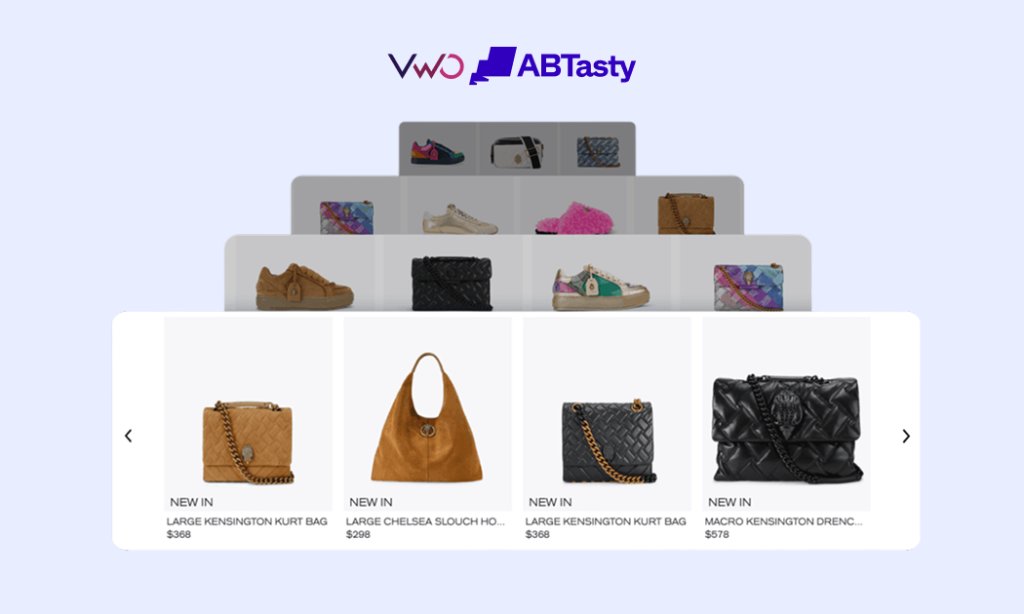
By implementing AdaptiveCX, Kurt Geiger introduced a homepage carousel that adjusted its content based on real-time visitor affinities. If the system detected a preference for handbags over shoes based on the current session’s behavior, the carousel would prioritize handbag recommendations. This shift from a static homepage to an adaptive one resulted in a 12.4% increase in revenue per visitor and a 12.1% boost in the overall conversion rate. Gareth Rees-John, Chief Digital Officer at Kurt Geiger, noted that the technology allowed the brand to connect people with the right products instantly, significantly improving the efficiency of their marketing spend.
AttractionTickets.com: Optimizing Search for Anonymous Users
For AttractionTickets.com, the challenge was centered on the search experience. As a travel ticket specialist, the brand dealt with a high volume of first-time, anonymous visitors. Without historical data, the brand struggled to provide relevant search suggestions.
The company implemented an adaptive search system that analyzed in-session signals to propose search terms and visual aids tailored to the user’s current interests. This real-time optimization led to a 10% increase in the conversion rate for users interacting with the search bar and a 3.1% increase in the average order value (AOV). By providing relevance to users they "knew nothing about," the brand successfully turned anonymous traffic into high-value customers.

Broader Implications for the eCommerce Industry
The move toward adaptive personalization has broader implications for the future of digital commerce, particularly concerning data privacy and economic efficiency.
Navigating the Privacy-Personalization Paradox
As global privacy laws like GDPR and CCPA become more stringent, and as tech giants like Apple and Google limit tracking capabilities, brands are finding it harder to build long-term "identity" profiles. Intent-based personalization offers a solution to the "Privacy-Personalization Paradox." Because it relies on in-session behavior rather than cross-site tracking or personal identifiers, it allows brands to deliver a tailored experience while respecting user privacy. This shift is expected to become the gold standard for brands looking to future-proof their digital strategies against a cookieless world.
Economic Impact and Margin Management
In an era of rising customer acquisition costs (CAC), the ability to maximize the value of every existing visit is critical. Adaptive personalization allows for more surgical precision in how promotions are deployed. Instead of "blunderbuss" discounting—where every visitor sees a 10% off banner—AI can identify which specific users require an incentive to cross the finish line. This leads to significantly better margin protection and a higher return on ad spend (ROAS).
The Future: Toward a Fully Autonomous Customer Journey
As AI models become more sophisticated, the industry is moving toward a future where the entire customer journey is autonomously optimized. We are seeing the beginning of "self-healing" websites that can detect when a user is frustrated or lost and automatically change the interface to provide assistance.
The data suggests that the transition from static to adaptive is no longer a luxury but a necessity for survival in the competitive eCommerce space. With highly personalized campaigns driving conversion lifts of up to 60%, the gap between the leaders in intent-based marketing and those relying on legacy systems will only continue to widen.
In conclusion, the transformation of the customer experience through real-time intent represents the next frontier of digital retail. By moving beyond the limitations of historical data and identity-based segments, brands can finally achieve the level of relevance that modern consumers demand. The success of pioneers like Kurt Geiger and AttractionTickets.com serves as a blueprint for the industry: the future of personalization is not about knowing who the customer was, but understanding what they need right now.







