Google has announced a significant shift in its global spam prevention strategy, confirming that it will not enforce manual actions related to its site reputation abuse policy within the European Economic Area (EEA). This change, slated to take effect on August 30, 2026, stems from a mandate issued by the European Commission. Consequently, searchers within the EEA will not benefit from Google’s direct manual interventions designed to combat sites leveraging established ranking signals through third-party content. This development marks an unprecedented instance of Google applying different rules for its spam policies based on geographical location, raising questions about search quality consistency and the evolving landscape of digital regulation.
Understanding Site Reputation Abuse: A Global Challenge
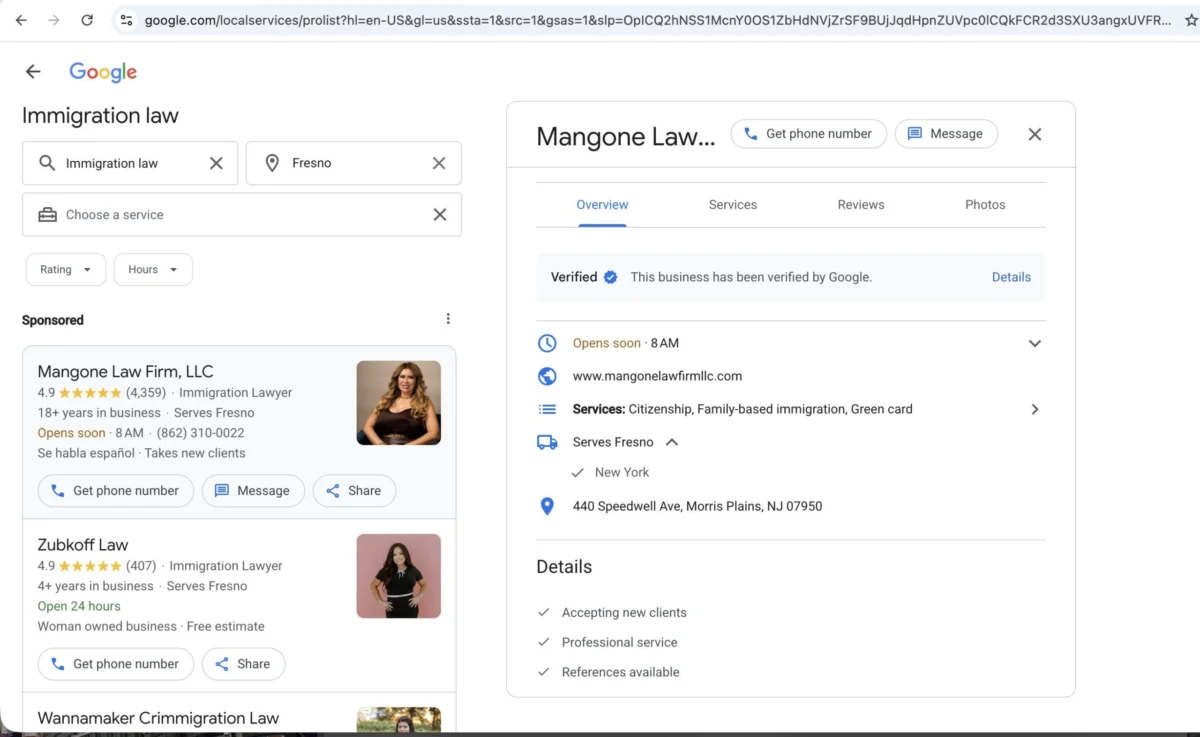
Site reputation abuse, often colloquially referred to as "Parasite SEO," is a tactic where low-quality or irrelevant third-party content is published on a high-authority host site. The primary motivation behind this strategy is to exploit the host site’s established ranking signals, which have been primarily earned through its own first-party content and legitimate authority. The ultimate goal is for the third-party content to rank significantly better in search results than it would if published on its own, less reputable domain. Google explicitly defines this practice as content hosted on another site "without close oversight from the host, and where the host’s reputation is being used to give the content a ranking boost."
Google initially introduced its site reputation abuse policy as part of a broader crackdown on spam and low-quality content, coinciding with its March 2024 core update. This initiative was a direct response to a growing trend of webspam that diluted search results and undermined the quality of information presented to users. The policy aimed to ensure that content earns its ranking based on its own merit and the intrinsic value of its host, rather than through opportunistic leveraging of another site’s hard-won reputation. Enforcement of this policy, including manual actions, began globally, with Europe seeing its specific implementation starting in January 2025.
The European Commission’s Mandate and Regulatory Context
The decision by Google to exempt the EEA from manual actions under this policy is a direct consequence of a mandate from the European Commission. While the specific legal instrument or detailed reasoning behind the Commission’s directive has not been fully disclosed, it is understood to arise from the EU’s broader regulatory framework aimed at ensuring fair competition and consumer protection within the digital sphere. The European Union has been at the forefront of digital regulation, enacting landmark legislation such as the General Data Protection Regulation (GDPR), the Digital Services Act (DSA), and the Digital Markets Act (DMA). These regulations often seek to curb the market power of large technology companies and ensure that their practices align with European values of fairness, transparency, and user choice.
The Commission’s concerns likely revolve around the interpretation of Google’s search policies as potentially anti-competitive or as an overreach of its platform power. Regulators might argue that Google’s manual actions, which can significantly impact a site’s visibility, could be seen as Google dictating what content is permissible on third-party sites, even if those sites willingly host the content. This could be viewed as interfering with the commercial arrangements between publishers and content creators, or as an exercise of market dominance that disadvantages certain types of businesses or content models. The agreement by Google to modify its enforcement approach for users in Europe suggests a negotiation or a concession made to address these regulatory pressures and avoid potential legal disputes or more stringent regulatory oversight.
A Precedent-Setting Regional Divide in Spam Enforcement
This development marks a significant precedent: it is the first time Google has explicitly stated that its spam policies will have different enforcement outcomes based on the searcher’s geographical location. This regional divergence introduces a complex layer to global SEO and content strategy. For searchers within the EEA, the search experience regarding site reputation abuse will effectively differ from that of users in other parts of the world. While Google maintains that "Our European users are no less frustrated by parasite SEO," the non-application of manual actions means a specific deterrent for this type of spam will be absent in Europe.
The EEA comprises 27 EU member states alongside Iceland, Liechtenstein, and Norway, representing a substantial digital market of over 450 million consumers. This significant economic bloc will now operate under a unique set of Google Search rules for a specific spam category. This divergence raises concerns among SEO professionals and content creators about potential inconsistencies in search results and the fairness of the ranking ecosystem across different regions. It also creates a potential loophole, where content creators might be incentivized to target EEA searchers with tactics that would be penalized elsewhere.
Differentiating Manual and Algorithmic Actions
It is crucial to distinguish between manual actions and algorithmic enforcement. Google clarifies that while manual actions under the site reputation policy will not impact searchers in the EEA, sites within the EEA can still receive such manual actions in Search Console. The key distinction lies in the effect: a manual action will still affect searchers outside the EEA, meaning that global sites engaging in reputation abuse will still face penalties in non-EEA markets.
Furthermore, Google’s algorithmic ability to detect and mitigate site reputation abuse remains fully in force, even within the EEA. Google’s algorithms are designed to understand and evaluate content independently, even if it resides on a high-authority domain. As Google stated, "The affected section of the site may be separated in our systems so that, over time, it ranks independently from the rest of the site." This means that Google’s automated systems can still identify and de-link the reputation benefits of the host site from the abusive content, causing that specific content to rank poorly on its own merit, regardless of its host. This algorithmic separation is a critical component of Google’s broader spam fighting efforts and will continue to protect search quality in the EEA to some extent. The difference is the absence of the human-reviewed, direct penalty that a manual action represents.
Google’s Official Stance and Underlying Concerns
Despite the concession, Google has reiterated its commitment to the site reputation policy and expressed concerns about efforts to weaken its spam prevention measures. A Google spokesperson emphasized, "Our European users are no less frustrated by parasite SEO and other deceptive, pay-to-play tactics that degrade search results, and we stand by our Site Reputation Policy." They further added, "While we remain concerned about efforts to weaken our spam policies, we’ve agreed to make changes to our enforcement approach for users in Europe and clarify our policies to address the European Commission’s concerns." This statement highlights Google’s internal conflict: a desire to maintain search quality globally versus the necessity of complying with regional regulatory mandates.
Google’s commitment stems from its core mission to provide relevant and high-quality search results. Site reputation abuse directly undermines this mission by allowing lower-quality content to unfairly gain visibility. The company firmly believes that "it ensures a better, more reliable search experience for everyone." The fact that Google is willing to make this concession underscores the significant pressure exerted by the European Commission, indicating a strategic decision to avoid a more protracted and potentially damaging legal or regulatory battle.
Implications for Publishers, SEOs, and Search Quality
The non-enforcement of manual actions in the EEA for site reputation abuse carries several significant implications:
- Search Quality Disparity: There is a strong likelihood that search results in the EEA might, over time, exhibit a higher prevalence of content that would be penalized elsewhere for site reputation abuse. This could lead to a less reliable search experience for European users compared to their global counterparts.
- Incentive for Abuse: The absence of manual penalties might inadvertently incentivize some publishers and content creators targeting the European market to engage in "parasite SEO" tactics, knowing that a significant enforcement mechanism is off the table. This could lead to a two-tiered system where tactics deemed unacceptable globally are tolerated in Europe.
- Complex SEO Strategies: Global businesses operating in the EEA will face a more complex SEO landscape. They will need to manage their content and publishing strategies differently for European audiences versus the rest of the world. A site might be compliant and rank well in Europe for certain content, while the very same content could be de-ranked or penalized outside the EEA.
- Regulatory Precedent: This move sets a precedent for regional differentiation in how major tech platforms enforce their policies. It could encourage other regulatory bodies globally to push for similar carve-outs or modifications to platform policies, potentially leading to a more fragmented internet experience.
- Focus on Algorithmic Solutions: Google will likely intensify its focus on developing and refining its algorithmic solutions to detect and neutralize site reputation abuse in the EEA. The effectiveness of these algorithms will become paramount in maintaining search quality in the absence of manual interventions. This could lead to more sophisticated automated systems capable of discerning content intent and host relationships.
- Impact on Trust and Authority: If users in the EEA perceive a decline in the quality of search results due to an increase in spam, it could erode trust in Google’s search engine and potentially lead them to seek alternative information sources.
The Road Ahead: August 2026 and Beyond
The effective date of August 30, 2026, provides a significant lead time for both Google and the affected parties to adapt. During this period, Google will likely continue to refine its algorithmic detection methods and potentially engage in further discussions with the European Commission to clarify the scope and impact of this policy change.
For publishers and SEOs, this period offers an opportunity to reassess their content strategies, particularly those targeting the European market. While manual actions may be off the table, the risk of algorithmic de-ranking or independent ranking still exists. The emphasis will shift even more heavily towards producing genuinely high-quality, relevant, and original content that earns its ranking organically, rather than relying on the reputation of a host site.
This situation underscores the ongoing tension between global tech platforms and national or regional regulatory bodies. As digital markets mature and regulations evolve, such regional divergences in policy enforcement may become more common, creating an increasingly complex operational environment for technology companies and a fragmented experience for users worldwide. The implications of this decision will be closely watched by the SEO community, regulators, and internet users alike, as it charts new territory in the global governance of online information.