 Ali Ikhwan
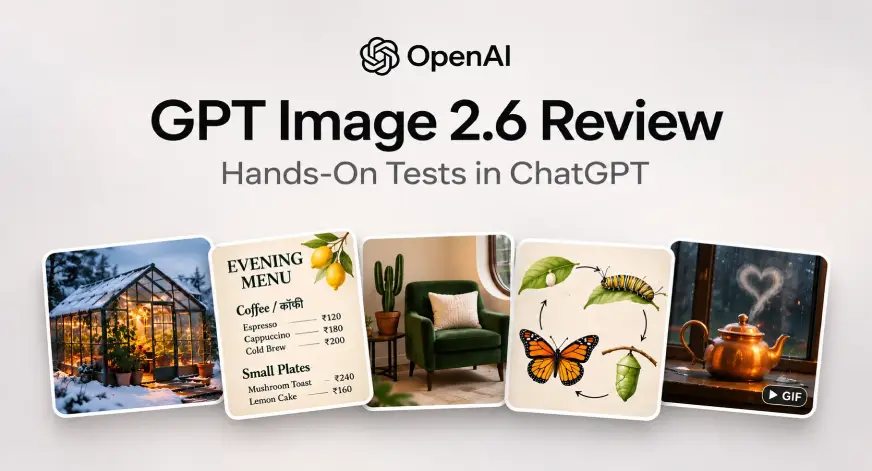
The landscape of generative artificial intelligence has shifted from mere novelty to functional utility with the release of OpenAI’s Images 2.6. This latest iteration, integrated across ChatGPT, Codex, and the OpenAI API, introduces a suite of features designed to bridge the gap between abstract prompts and precise, usable creative assets. By incorporating animated GIF generation, advanced markup-guided editing, and a 50% increase in generation speed, Images 2.6 aims to satisfy both casual users and enterprise developers. However, as with any generative model, the transition from "impressive" to "production-ready" requires a rigorous examination of its handling of fine details, spatial coherence, and textual accuracy.
The Evolution of OpenAI’s Visual Models
The trajectory of OpenAI’s image generation technology has been marked by rapid leaps in semantic understanding. Following the groundbreaking release of DALL-E 3 in late 2023, the organization has focused on iterative updates that emphasize control rather than just raw resolution. The transition from GPT Image 2 to the current 2.6 version represents a move toward multimodal synergy, where the model does not simply "draw" based on a prompt but reasons through the composition using the same logic that drives the GPT-4o large language model.
The 2.6 update is specifically notable for its developer-centric enhancements. By bringing ChatGPT’s proprietary image markup tools to the API, OpenAI is allowing third-party applications to offer "surgical" image editing. Furthermore, the introduction of adjustable planning complexity allows users to toggle between rapid prototyping and high-fidelity rendering, providing a granular level of control previously reserved for professional-grade design software.
Controlled Performance Testing: A Five-Point Analysis
To assess the practical efficacy of Images 2.6, the model was subjected to five distinct challenges ranging from cinematic photography to technical diagramming and animation. These tests were designed to stress-test the model’s ability to follow complex, multi-layered instructions while maintaining physical and logical consistency.
1. Cinematic Coherence and Material Rendering
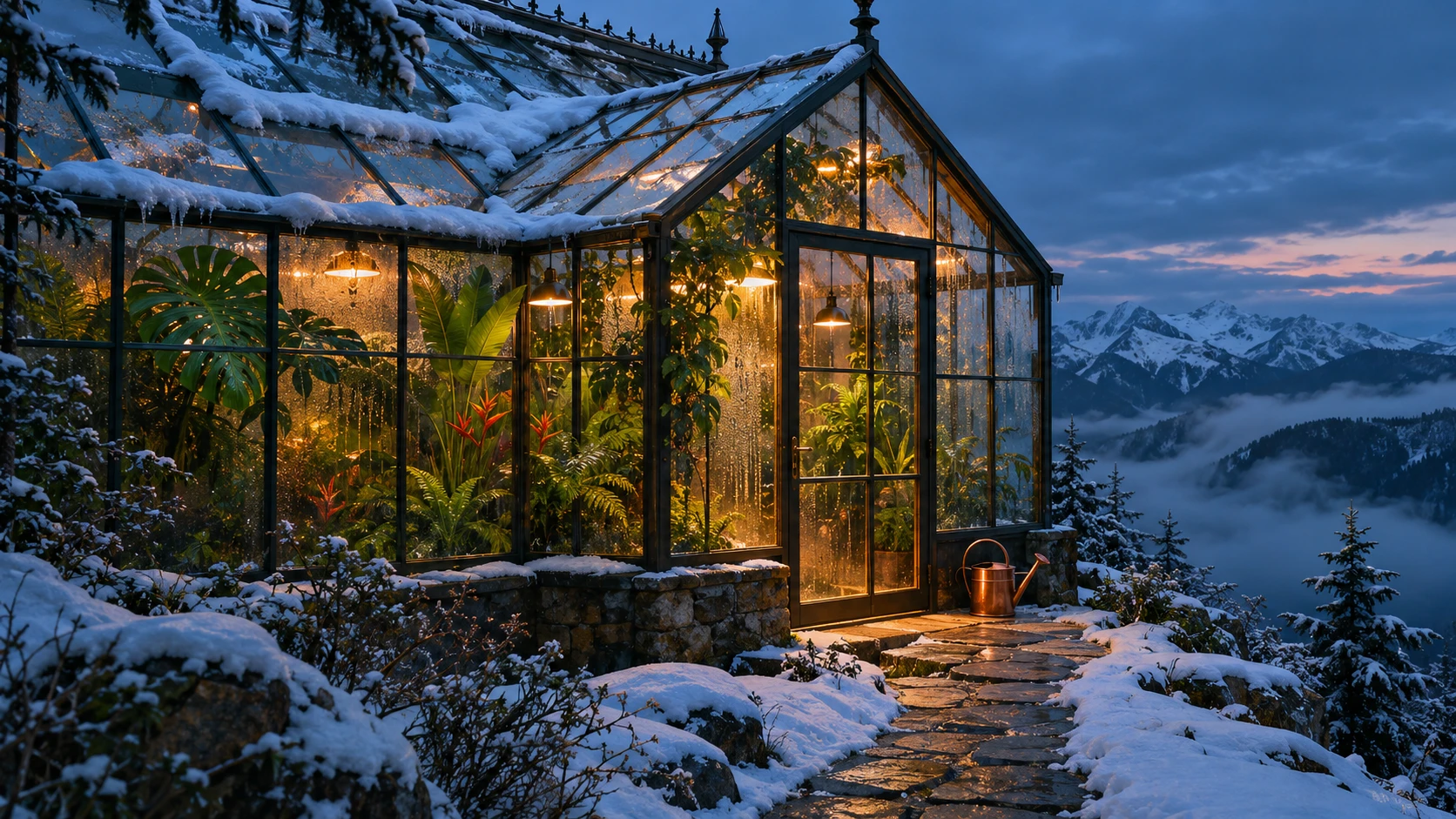
The first test focused on environmental storytelling and the physics of light. The prompt demanded a wide cinematic editorial photograph of a glass greenhouse on a snowy mountain ridge during the "blue hour." This required the model to balance two disparate light sources: the cool, natural ambient light of a sub-zero twilight and the warm, amber glow of interior artificial lighting.
The resulting output demonstrated a sophisticated grasp of material science. The model successfully rendered realistic condensation on the glass panes—a common failure point for earlier models—and depicted snow resting naturally on the architecture rather than appearing as a flat texture. The "physically coherent architecture" requirement was met, with the stone path leading to the entrance showing appropriate depth and shadow. The inclusion of a single copper watering can, specified in the prompt, served as a test for object isolation; the model placed it correctly without cluttering the scene with redundant artifacts.
2. Document-to-Image Workflow and Typographic Precision
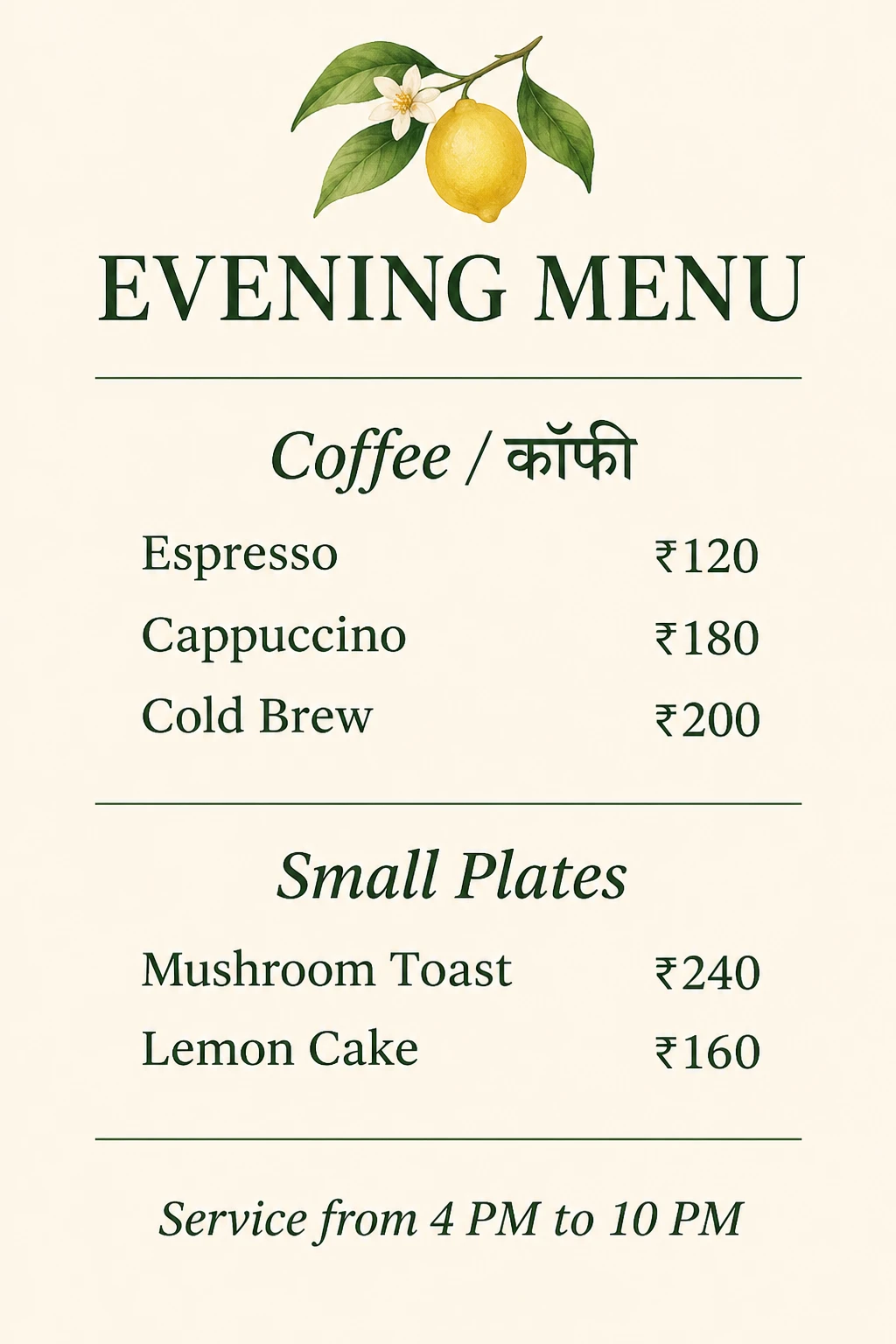
One of the most significant hurdles for generative AI has been the accurate reproduction of text and layout. Images 2.6 was tasked with transforming a PDF design brief into a polished café menu. This test required the model to parse an uploaded document containing nine menu lines, five price points, and a specific Hindi word (“कॉफी”).
The performance in this category was a mix of professional-grade layout and minor character-level inconsistencies. The model successfully adopted the "ivory background" and "forest-green typography" requested, creating a sophisticated aesthetic. However, while it reproduced the Hindi glyphs and prices accurately, it struggled with punctuation, specifically omitting five required dash separators between items and prices. This suggests that while Images 2.6 has improved its OCR (Optical Character Recognition) translation into imagery, it still requires human oversight for high-stakes typographic work.
3. Surgical Image Editing via Markup Tools
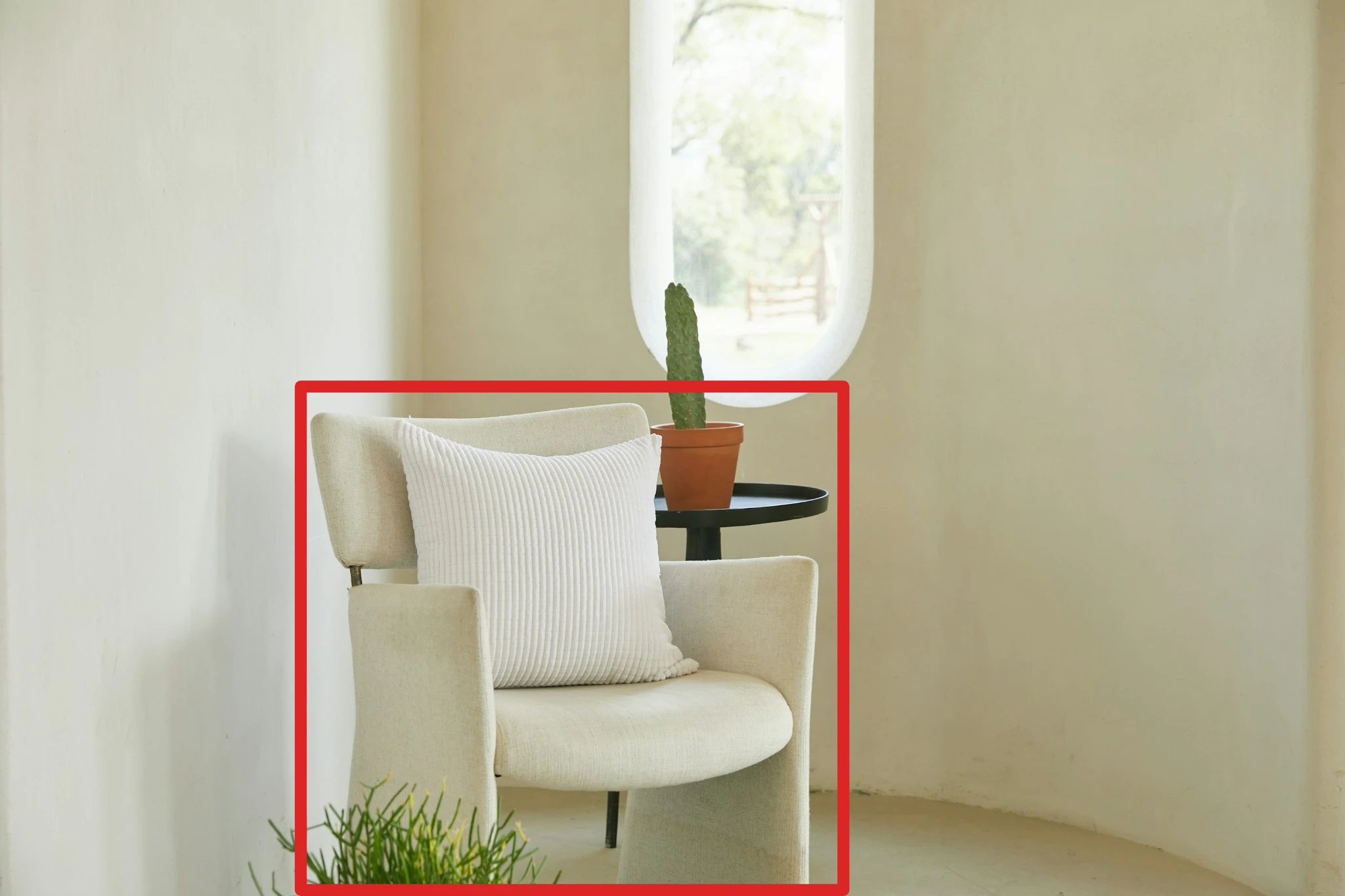
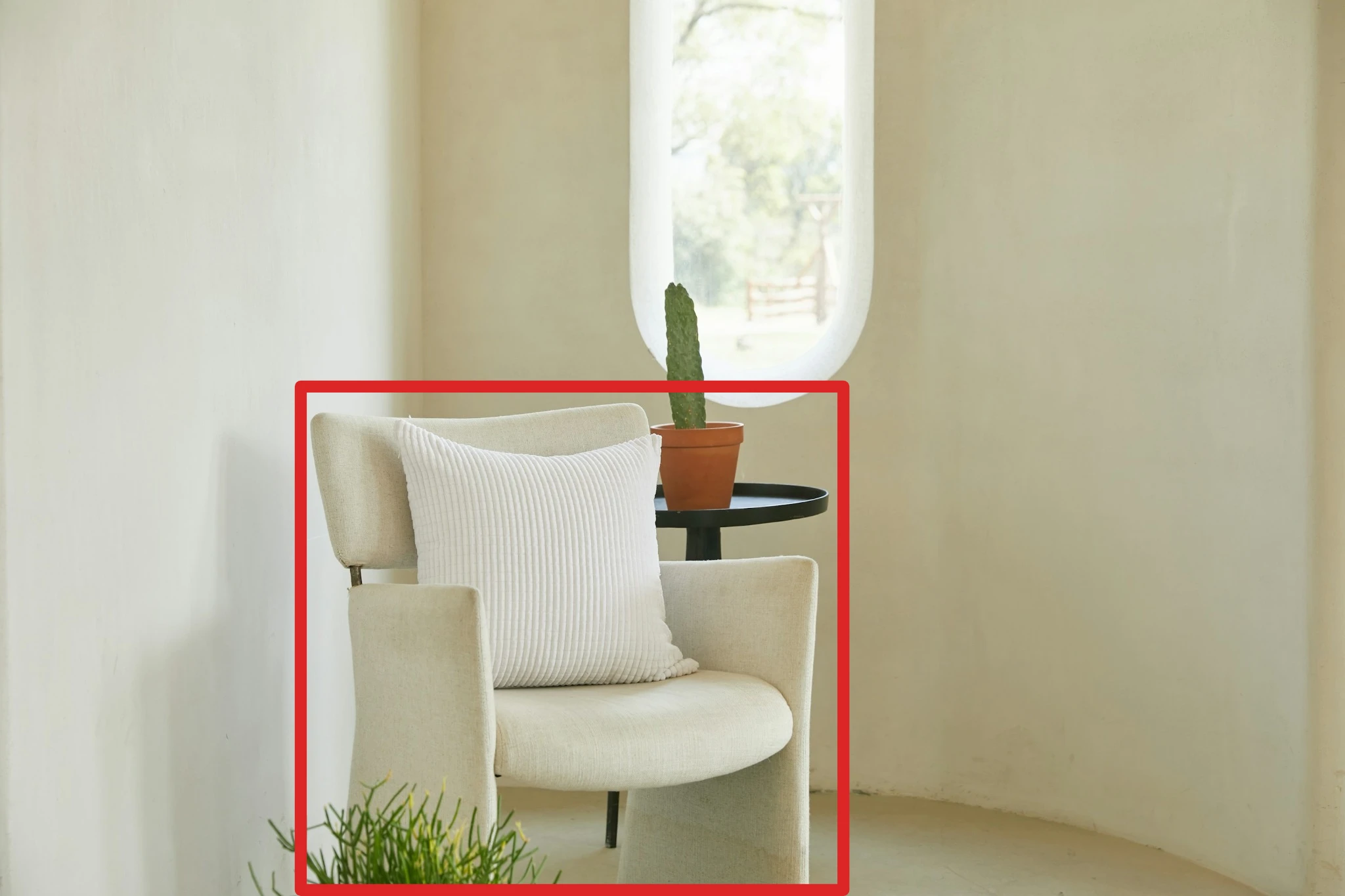
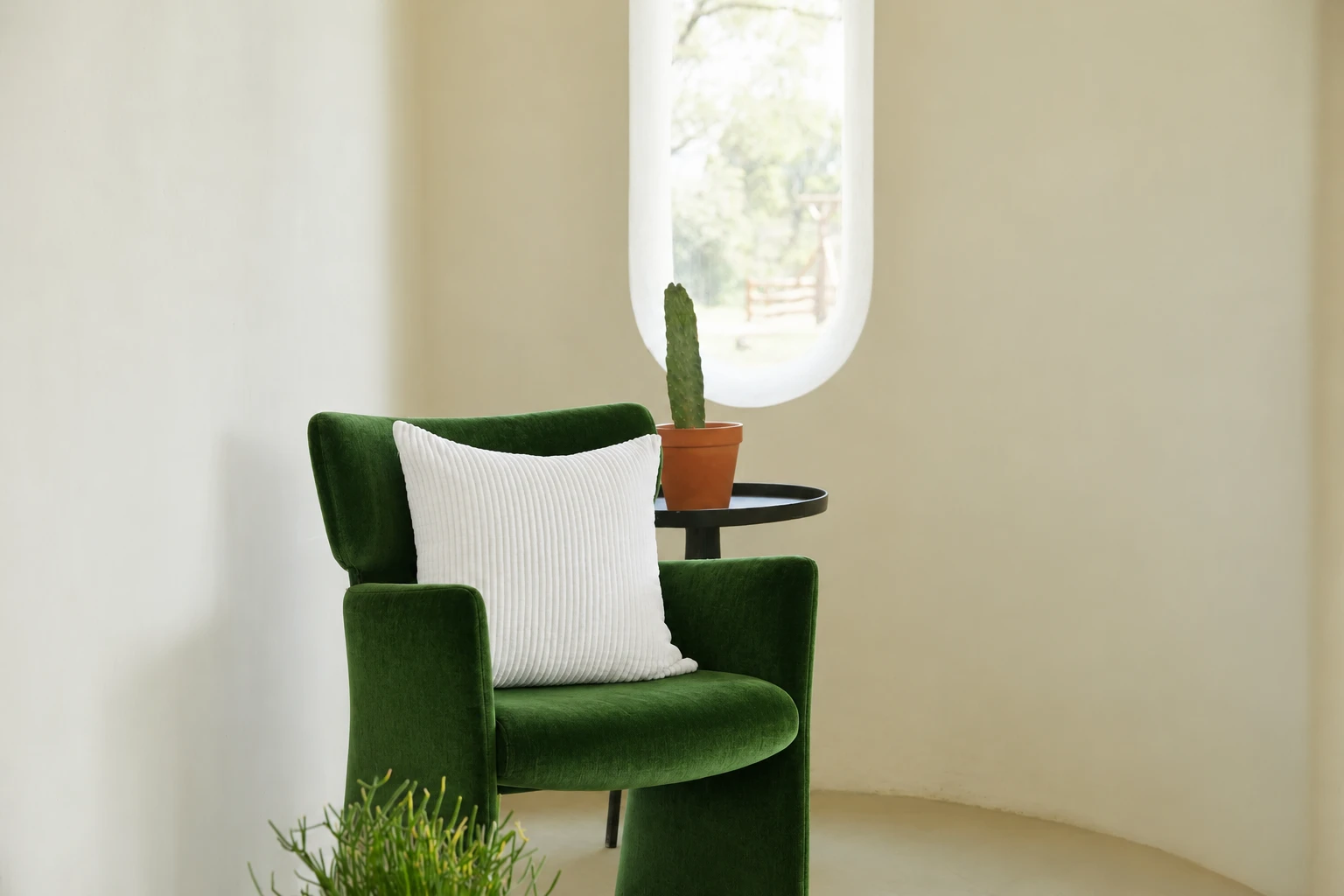
The "Markup" feature is perhaps the most utilitarian addition in version 2.6. By allowing a user to draw a selection box over a specific area of an existing image, OpenAI has moved toward an "In-painting" workflow that rivals traditional tools like Adobe Photoshop. In this test, a red rectangle was drawn around a cream-colored armchair in a living room photo. The instruction was to change the fabric to forest-green velvet while preserving every other element of the room.
The results were described as "surgical." The model maintained the exact silhouette of the chair, including the seams and the position of the legs, while convincingly altering the texture to reflect the sheen of velvet. Crucially, the white ribbed cushion resting on the chair remained unchanged, and the surrounding environment—including a cactus in a terracotta pot and complex lighting shadows—was preserved with pixel-perfect accuracy. This level of non-destructive editing represents a significant milestone for AI-assisted interior design and product marketing.
4. Technical and Scientific Illustration
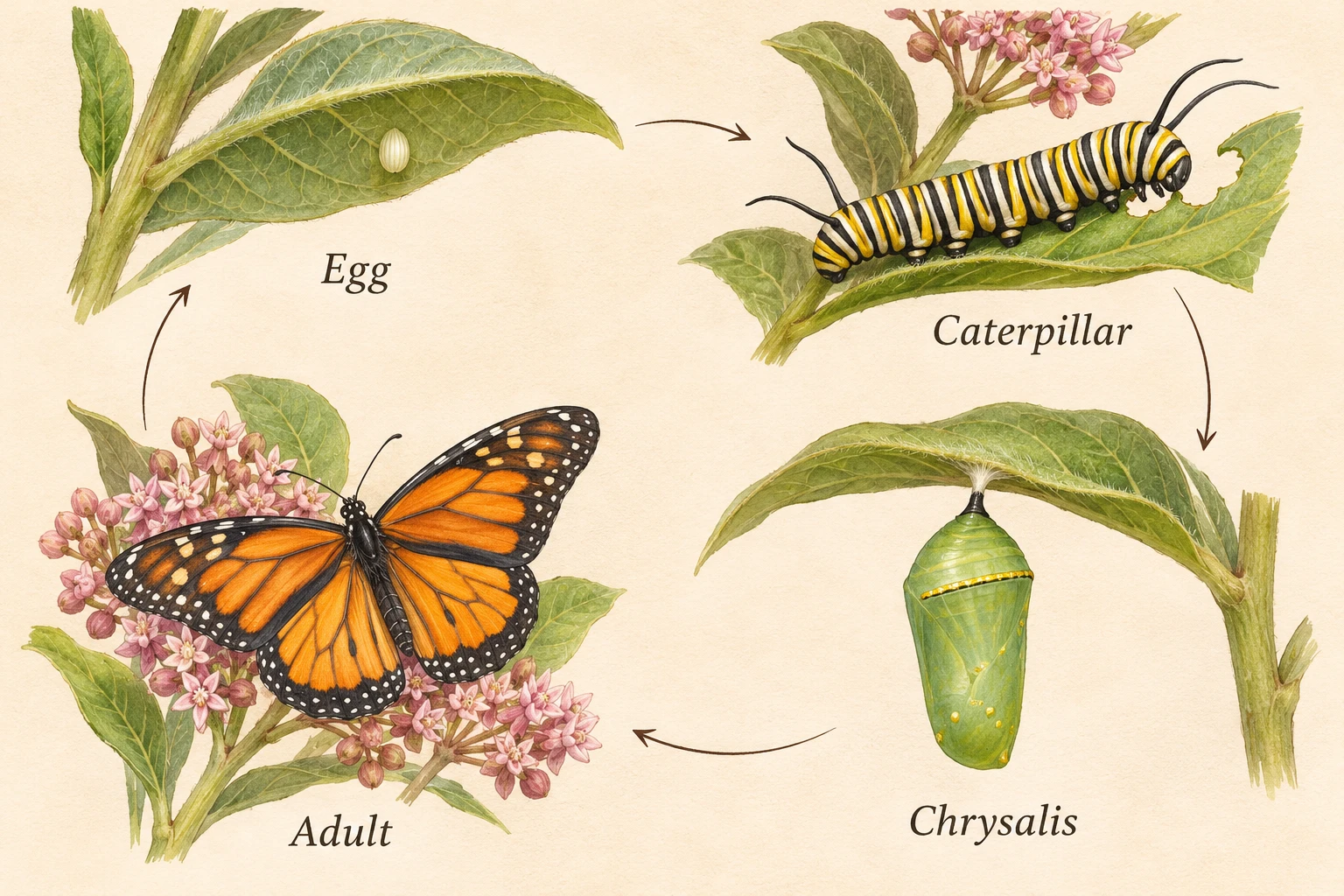
To test logical sequencing and biological accuracy, the model was asked to create a natural-history field-guide plate of the monarch butterfly life cycle. This required the arrangement of four distinct stages (egg, caterpillar, chrysalis, adult) in a clockwise sequence, connected by thin arrows and labeled correctly.
Images 2.6 excelled in the "watercolor and fine ink" aesthetic, producing a plate that looked authentically historical. The biological proportions were largely accurate, and the model correctly placed the labels ("Egg," "Caterpillar," etc.) next to the corresponding stages. The success of this test highlights the model’s improved "spatial reasoning," as it had to understand the concept of "clockwise" and "upper-left" relative to the canvas—a task that often confuses less advanced models.
5. Dynamic Media: The Animated GIF Feature
The final and most anticipated feature of the 2.6 update is the native generation of animated GIFs. Moving beyond static imagery, the model was asked to create a seamless loop of a copper teapot on a rainy windowsill, featuring a rising curl of steam that briefly forms a heart shape.
The output was a genuine 12-frame GIF with a 2.16-second loop. The animation was smooth, avoiding the "jitter" often associated with AI video generation. The model successfully isolated the motion to the steam and the falling rain while keeping the teapot and windowsill static. This ability to generate "cinemagraphs"—where only specific elements move—opens new doors for social media content creation and digital advertising.
Technical Data and Performance Benchmarks
OpenAI’s claim of a 50% increase in generation speed appears to hold true in high-traffic environments. In developer documentation, this is attributed to optimized inference pathways and the introduction of "Adjustable Planning."
Key Technical Specifications:
- Format Support: JPG, PNG, and now native GIF. (SVG support is currently limited to API workflows).
- Frame Rate: Initial GIF tests indicate a standard output of 6 to 12 frames for simple loops.
- Latency: Average generation time for a standard 1024×1024 image has been reduced from ~25 seconds to ~12-15 seconds.
- Language Support: Enhanced rendering for non-Latin scripts, including Devanagari and Cyrillic, though character-perfect accuracy remains at roughly 85-90%.
Industry Reactions and Market Implications
The release of Images 2.6 has prompted a range of reactions from the creative and tech industries. Design professionals have noted that the "Markup" tool significantly lowers the barrier to entry for high-quality photo manipulation. Conversely, some in the stock photography industry have expressed concern that the ability to generate specific, high-fidelity editorial shots—like the mountain greenhouse—could further reduce the demand for traditional photography.
Developers have lauded the API’s "planning complexity" feature. By allowing a "low complexity" setting, developers can save on compute costs for simple tasks, while "high complexity" ensures the model dedicates more reasoning power to intricate prompts like the scientific life-cycle diagram.
Broader Impact and Future Outlook
The implications of Images 2.6 extend beyond simple image creation. By integrating these tools into the broader GPT ecosystem, OpenAI is moving toward a "unified creative canvas." The ability to upload a PDF brief and receive a formatted image in seconds suggests a future where the roles of copywriter, layout artist, and illustrator are increasingly blurred.
However, the "small errors" noted in the menu test—omitted punctuation and occasional object boundary issues—serve as a reminder that generative AI is an assistive tool rather than a total replacement for human expertise. The requirement for a "human-in-the-loop" remains essential for any output involving factual data or precise typography.
As OpenAI continues to refine these models, the focus is likely to shift toward longer-form video and even more precise vector (SVG) integration. For now, Images 2.6 stands as a robust update that prioritizes speed, control, and the expansion of the creative toolkit into the realm of motion and surgical editing. Whether for a professional designer looking to accelerate their workflow or a small business owner creating a menu, the tools provided in this update represent a significant step toward the democratization of high-end visual production.

 Asep Darmawan