In the dynamic landscape of digital marketing, the quest for increased clicks, signups, and sales from email campaigns remains a perennial challenge for businesses. A cornerstone strategy, increasingly vital for cutting through the digital noise, is the judicious application of social proof. This powerful psychological phenomenon, deeply rooted in human decision-making, acts as a compelling validator, reassuring potential customers by demonstrating that others have already embraced a product, service, or content offering. Its efficacy spans every touchpoint of the email marketing funnel—from initial signup forms and crucial welcome emails to persuasive promotional messages. Understanding the nuanced application of social proof is not merely advantageous; it is an imperative for any entity aiming to cultivate trust, foster engagement, and ultimately drive conversions in an increasingly skeptical online environment.
The Psychology Behind the Phenomenon: Cialdini’s Principle and FOMO
At its core, social proof is a fundamental principle of influence, extensively documented by Dr. Robert Cialdini in his seminal work, "Influence: The Psychology of Persuasion." Cialdini identified six key principles of persuasion, with social proof—also known as informational social influence—standing out as particularly potent. It posits that people are more likely to adopt beliefs or actions if they see that others have done so. This tendency is amplified under conditions of uncertainty, where individuals, faced with a decision, look to the actions and opinions of others as a guide for appropriate behavior. In the context of email marketing, this translates to prospects observing existing customer endorsements, aggregated user data, or expert recommendations to inform their decision on whether to subscribe, engage, or purchase.
This psychological mechanism is closely intertwined with the Fear Of Missing Out (FOMO), a pervasive anxiety that individuals experience when they perceive that others might be having rewarding experiences from which they are excluded. When a potential subscriber or customer sees evidence that a significant number of people are benefiting from a newsletter, a product, or a service, it triggers a subtle yet powerful sense of urgency and a desire to be part of that successful group. This isn’t merely about envy; it’s about the perceived value and opportunity that others are clearly recognizing. Brands adeptly leverage FOMO by showcasing the popularity and success of their offerings through various forms of social proof, turning individual hesitation into collective affirmation.
The Evolution of Trust: From Word-of-Mouth to Digital Endorsements
Historically, social proof manifested as word-of-mouth referrals, personal recommendations from trusted friends, family, or colleagues. A new dentist, a reliable mechanic, or a quality restaurant would gain traction through direct endorsements. The advent of the internet and digital platforms fundamentally transformed this dynamic, scaling individual recommendations to a global audience. Online reviews on platforms like Trustpilot, Google Reviews, Yelp, and Amazon became the digital equivalent of asking a friend for advice. Similarly, comments and shares on social media platforms like X (formerly Twitter), Facebook, and Instagram allow for instantaneous dissemination of user experiences, both positive and negative.
The evolution of social proof in the digital age is marked by its diversification and the increasing sophistication of its presentation. From simple star ratings and short testimonials, it has expanded to include detailed case studies, aggregate data points ("trusted by 300,000 creators"), expert endorsements, and user-generated content (UGC). This shift means that businesses no longer rely solely on direct personal connections but can harness the collective voice of their entire customer base, leveraging it as a powerful, scalable marketing asset. The challenge, and indeed the opportunity, lies in strategically collecting and deploying this digital evidence to build trust and persuade audiences.
Quantifying the Impact: Data-Driven Insights on Social Proof’s Effectiveness
Numerous studies and industry reports consistently highlight the tangible benefits of integrating social proof into marketing strategies, particularly in the realm of email. Research by BrightLocal indicates that 88% of consumers trust online reviews as much as personal recommendations. This staggering figure underscores the profound influence of collective opinion in the purchasing journey. For email marketing specifically, this translates into higher engagement rates. For instance, emails incorporating testimonials or review snippets have been shown to significantly increase click-through rates (CTRs) and conversion rates compared to those without.
Invespcro reports that displaying customer testimonials on product pages can increase conversions by 34%. While this statistic pertains to website conversion, the principle directly applies to emails that drive traffic to such pages or aim to complete a purchase directly. Furthermore, statistics show that products with more reviews tend to sell better, demonstrating that the sheer volume of positive affirmation can sway hesitant buyers. Even numerical data, such as "join 25,000 subscribers" or "4.8/5 stars from 2,000 reviews," acts as a potent form of social proof, reassuring prospects that they are making a popular and validated choice. The takeaway is clear: prospects are actively seeking validation. Businesses that proactively provide this proof within their email communications gain a significant edge, preventing potential customers from having to search for it elsewhere, possibly in less controlled environments.
Diverse Facets of Validation: A Taxonomy of Social Proof Types
The spectrum of social proof available to marketers is broad, offering various avenues to build credibility and trust. Businesses, even nascent ones, have more options than often perceived:
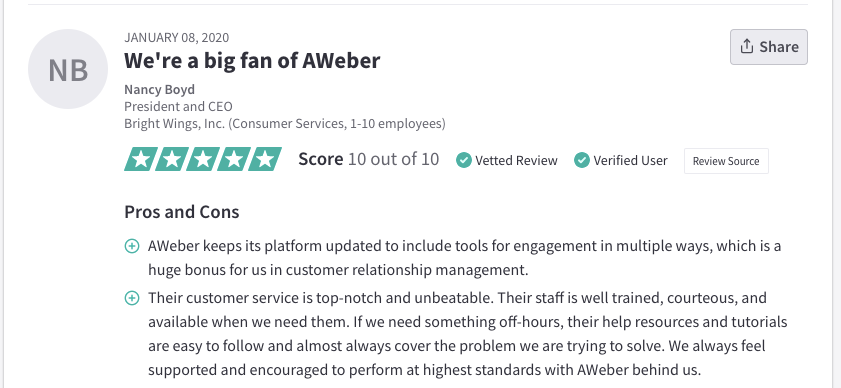
- Customer Reviews: These are direct feedback from customers posted on third-party platforms such as Trustpilot, Google Reviews, Yelp, Amazon, or Facebook. They are highly credible because they are often unsolicited and publicly available. For businesses, collecting and showcasing these reviews, perhaps by linking directly to review pages or embedding snippets, is crucial.
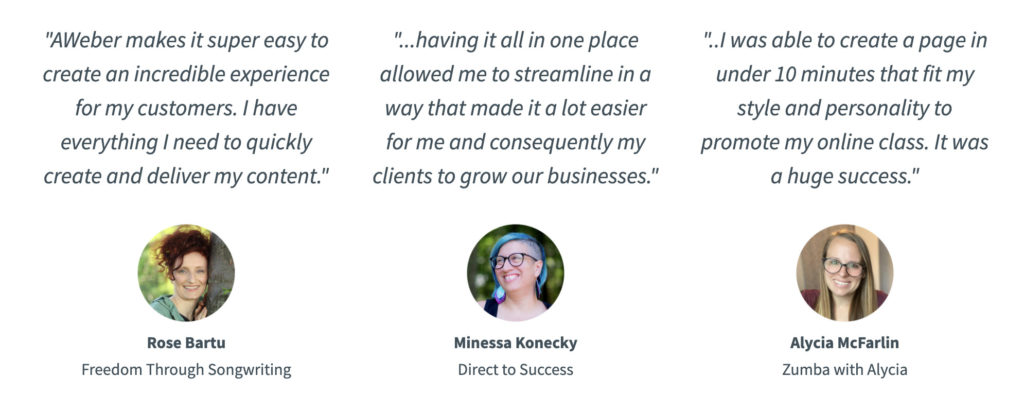
- Testimonials: These are carefully selected quotes collected directly from happy customers, ideally accompanied by their name, photo, and title. Unlike reviews, testimonials are often solicited and curated by the business, allowing for emphasis on specific benefits or aspects of a product/service. A testimonial from "Sarah M., founder of a 6-figure Etsy shop," carries more weight and specificity than an anonymous comment.
- Case Studies: A more in-depth narrative, a case study tells a customer’s full "before-and-after" story. It details a specific problem the customer faced, how the product or service provided a solution, and the measurable positive outcomes. Case studies are particularly effective for high-value products or services, demonstrating tangible ROI.
- Customer Data: Quantitative proof, such as "join 25,000 subscribers," "trusted by 10,000 businesses," or "4.8/5 stars from 2,000 reviews." These numbers provide a clear, undeniable indicator of popularity and satisfaction, appealing to those who respond to statistical validation.
- Social Media Feedback: Screenshots of positive posts, comments, shares, and shout-outs from real users on social media platforms. This type of proof is highly authentic and relatable, showcasing organic enthusiasm and community around a brand.
- Expert and Influencer Endorsements: Recommendations from individuals or organizations that your target audience already trusts and respects within a specific industry or niche. An endorsement from a recognized authority figure lends significant credibility and can accelerate adoption.
- Award and Trust Badges: Displaying industry awards, certifications (e.g., security, privacy), "best of" lists, or affiliations with reputable organizations. These badges act as third-party seals of approval, instantly communicating quality, reliability, and authority.
- User-Generated Content (UGC): Photos, videos, or creative works customers post of themselves using your product. UGC is incredibly authentic and persuasive, as it demonstrates real-world application and satisfaction without direct prompting from the brand.
Even new businesses without a wealth of reviews can begin by leveraging customer data ("join 500 subscribers") or by asking early, satisfied customers for a brief, one-line testimonial. The goal isn’t necessarily a massive volume of proof initially, but rather one or more credible voices or data points that resonate with the target audience.
Strategic Integration: Embedding Social Proof Throughout the Email Marketing Lifecycle
The power of social proof is maximized when strategically placed at various stages of the customer journey within email marketing. Each placement serves a distinct purpose, addressing different levels of hesitation and intent.
-
Pre-Subscription: Optimizing Signup Forms
Before a visitor even becomes a subscriber, they weigh the value proposition of sharing their email address. A testimonial positioned directly above or beside a signup form can significantly boost conversion rates. This addresses the visitor’s unspoken question: "Is this worth my inbox space?" The most effective testimonials here specifically highlight the value of the email content itself. For example, a quote stating, "This newsletter is the only one I consistently open for actionable insights," is far more compelling than a general product endorsement. Tools like AWeber’s AI Signup Form Builder can facilitate the quick integration of such testimonials, complete with a picture, name, and title to enhance credibility. -
Initial Engagement: Reinforcing Trust in Welcome Emails
The welcome email is arguably the most critical message in the email marketing sequence. It’s the brand’s first opportunity to solidify the new subscriber’s decision and set the tone for future interactions. Integrating a review or testimonial—ideally a different one from the signup form—within the welcome email serves to reaffirm their choice, move the email out of the promotions tab, and encourage further engagement. A third-party endorsement in this initial communication acts as a powerful reinforcement, validating the subscriber’s decision to join and reducing any post-signup cognitive dissonance. -
Driving Action: Powering Promotional Campaigns
Promotional emails, designed to convert prospects into paying customers, are significantly more effective when paired with compelling social proof. If an email is pitching a course on financial stability, it should not only outline the course content and benefits but also feature a testimonial from a former student who achieved a specific, measurable result, such as "I paid off my student loans eight months after finishing this course." Such specific, outcome-oriented testimonials far outweigh generic praise. For higher-value offerings, dedicating an entire email to a customer case study, detailing their problem, how the product solved it, and the resulting success, can be incredibly persuasive and simplify the email creation process by letting customers tell the story. -
Amplifying Reach: Facilitating Referrals with Authority
Referrals are the original form of social proof, recommendations from trusted friends. Businesses can actively encourage this by adding a brief section to their emails asking subscribers to forward the message to relevant contacts. To strengthen this call to action, integrating award badges, industry certifications, or "best of" list mentions provides an authoritative backing. Subscribers are more inclined to share content when doing so enhances their own credibility, associating themselves with a reputable and validated source. -
Recapturing Interest: Reviving Abandoned Carts
Abandoned cart emails are a critical last-ditch effort to recover lost sales. When a customer adds an item to their cart but doesn’t complete the purchase, an abandoned cart email serves as a reminder. Integrating social proof into these emails can be highly effective in overcoming last-minute hesitations. A short, impactful review, or even a humorous social media shout-out about the product, can catch attention, lower the pressure, and remind the prospect of the value and popularity of the item they nearly purchased. This humanizes the experience and taps into the collective positive sentiment. -
Sustaining Loyalty: Integrating into Nurture Sequences
Beyond direct conversions, social proof plays a vital role in longer-term nurture sequences aimed at building customer loyalty and reducing churn. Periodically including different forms of social proof—such as new testimonials, updated customer data (e.g., "our community has grown to X members!"), or success stories from long-term users—can keep existing customers engaged and reinforce their decision to stay with the brand. This also serves to cross-sell or upsell by showcasing how other customers are benefiting from different aspects of the product ecosystem.
The Art of Collection: Sourcing Authentic Social Proof
The effectiveness of social proof hinges on its authenticity. Businesses must have a proactive strategy for collecting genuine endorsements. This includes:
- Automated Review Requests: Implementing systems to automatically ask customers for reviews after a purchase or service interaction.
- Direct Outreach for Testimonials: Personally requesting testimonials from satisfied customers, providing specific prompts to elicit detailed, benefit-oriented feedback.
- Monitoring Social Media: Actively listening for mentions and positive feedback on social media platforms, and seeking permission to repurpose this content.
- Incentivizing Case Studies: Offering incentives for customers willing to participate in more comprehensive case studies.
- Surveys and Feedback Forms: Using surveys to gather feedback that can be aggregated into customer data or used to identify potential testimonial candidates.
Ethical Imperatives: Maintaining Authenticity and Transparency
While social proof is a powerful tool, its misuse can severely damage a brand’s reputation. It is paramount that all social proof presented is authentic and verifiable. Fabricating reviews, paying for fake testimonials, or misrepresenting customer data are not only unethical but can also lead to legal repercussions and a significant loss of consumer trust if exposed. Transparency is key; clearly attributing quotes, linking to original review sources where possible, and using real names and images reinforces credibility. The long-term benefits of genuine, earned social proof far outweigh any short-term gains from deceptive practices.
Expert Perspectives: Voices on Trust and Influence
Marketing strategists consistently emphasize that in an era of abundant information and choice, trust has become the new currency. As digital interactions become more prevalent, the ability to convey trustworthiness is a decisive factor in consumer behavior. Behavioral psychologists echo this, pointing to our innate desire for social validation. Dr. Jonah Berger, a marketing professor and author, highlights that "people don’t just share information; they share information that makes them look good." This insight underscores why user-generated content and referral programs, where sharing good experiences reflects positively on the sharer, are so effective. The collective sentiment, whether expressed through ratings, reviews, or personal stories, serves as a powerful shortcut for decision-making, reducing cognitive load and increasing confidence in a brand’s offerings.
Conclusion: The Indispensable Role of Peer Validation in Modern Email Strategy
In conclusion, integrating social proof into email marketing is no longer an optional enhancement but a fundamental strategic imperative. It directly addresses the inherent human need for validation and minimizes the perceived risk associated with new decisions, from subscribing to a newsletter to making a significant purchase. By leveraging psychological principles like Cialdini’s social proof and the phenomenon of FOMO, businesses can significantly enhance their email campaigns, leading to higher engagement, improved conversion rates, and stronger brand loyalty.
The spectrum of social proof is diverse, ranging from readily available customer reviews and testimonials to compelling case studies and quantitative data. The key lies in strategically deploying these forms of validation across every stage of the email marketing lifecycle: from the initial signup form and the crucial welcome email to persuasive promotional messages, referral initiatives, and abandoned cart recovery sequences. Businesses like AWeber provide tools and templates that facilitate the seamless integration of testimonials and other forms of social proof, making it a straightforward process to put the voice of satisfied customers to work.
The ultimate takeaway for marketers is clear: your prospects are actively seeking validation. By proactively presenting authentic social proof within your email communications, you not only meet this need but also cultivate a robust foundation of trust that drives sustained business growth. It’s a testament to the power of collective experience, proving that what others think and do remains one of the most compelling forces in influencing individual action.