
 rifanmuazin
Digital analytics leader Crazy Egg has officially announced the launch of its Server-Side Conversion Tracking API, a significant technological advancement designed to provide businesses with unprecedented accuracy in their user behavior data. This new tool allows developers and marketers to transmit conversion events directly from their own servers to Crazy Egg’s platform, bypassing the limitations of traditional browser-based tracking. As the digital landscape moves toward a more privacy-centric model, this release marks a pivotal shift for organizations that rely on high-fidelity data to optimize user experiences and advertising spend.
The introduction of the Server-Side Conversion Tracking API comes at a time when the efficacy of client-side tracking—the industry standard for over two decades—is being systematically eroded by browser restrictions, ad blockers, and evolving privacy regulations. By facilitating a direct server-to-server connection, Crazy Egg is enabling its users to recapture lost data and gain a more comprehensive understanding of the customer journey.
The Evolution of Conversion Tracking: From Pixels to Servers
To understand the importance of Crazy Egg’s latest release, it is necessary to examine the historical trajectory of web analytics. For years, the majority of conversion tracking was "client-side," meaning it relied on a small piece of JavaScript code (a "tag" or "pixel") running in the user’s web browser. When a user completed a purchase or signed up for a newsletter, the browser would execute the code and send a notification to the analytics provider.
However, this method has become increasingly unreliable. The rise of Ad-Blockers, which are now used by an estimated 40% of internet users globally, often prevents these scripts from firing. Furthermore, major browser updates, such as Apple’s Intelligent Tracking Prevention (ITP) in Safari and Google Chrome’s ongoing phase-out of third-party cookies, have severely limited the lifespan and accuracy of client-side tags.
Server-side tracking (SST) addresses these challenges by moving the tracking process away from the user’s device and onto the website’s server. When a conversion occurs, the server records the event and sends it directly to Crazy Egg’s API. Because this communication happens behind the scenes, it cannot be intercepted by ad blockers or restricted by browser settings, ensuring that every successful transaction or lead is accounted for in the analytics dashboard.
Strategic Benefits for High-Growth Digital Marketing
The primary beneficiary of this new API is the modern performance marketer. In the current advertising climate, platforms like Meta (Facebook), TikTok, and Google Ads rely heavily on machine learning algorithms to find the right audience for an advertiser’s products. These algorithms require a constant stream of accurate conversion data to "learn" which users are most likely to convert.
When conversion data is missing due to browser-side interference, these algorithms become less efficient, often leading to higher Costs Per Acquisition (CPA) and lower Return on Ad Spend (ROAS). By utilizing Crazy Egg’s Server-Side API, businesses can ensure that their conversion data is nearly 100% accurate. This high-integrity data can then be used to validate the effectiveness of A/B tests, heatmaps, and session recordings, providing a clearer picture of which on-page elements are driving revenue.
Stephen Ngo, Director of Growth Marketing at Crazy Egg, emphasized the impact of this technology on targeting algorithms. He noted that for sites heavily dependent on Meta or TikTok ads, the accuracy of conversion data is not just a reporting preference—it is a critical component of the underlying advertising infrastructure.
Technical Implementation and Accessibility
While server-side tracking is an advanced method, Crazy Egg has structured its API to be as accessible as possible for development teams. The API allows for the transmission of various event types, including purchases, sign-ups, and custom interactions.
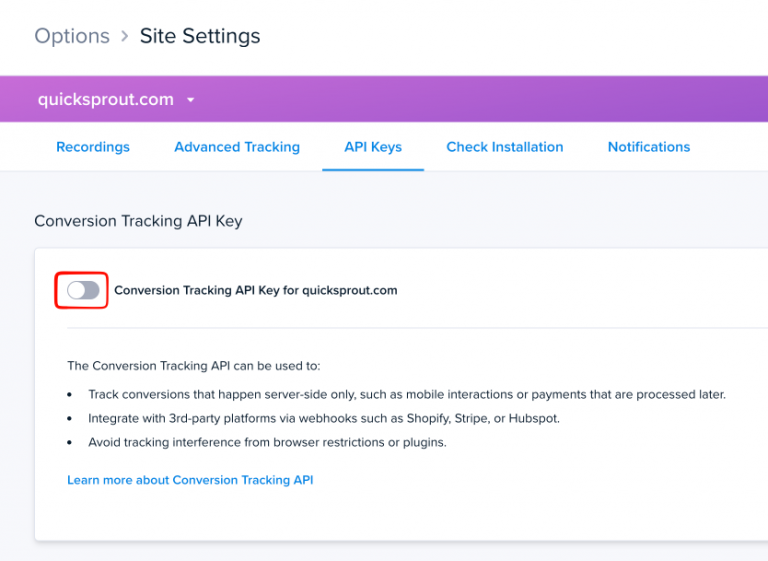
The implementation process generally involves:
- Event Capture: The website’s backend server identifies when a specific goal is met (e.g., a database entry for a new order).
- API Call: The server sends a POST request to Crazy Egg’s secure endpoint containing the event details and a unique identifier for the user.
- Data Reconciliation: Crazy Egg matches the server-side event with the user’s session data, allowing the platform to display exactly what the user did before they converted.
Recognizing that not every business has the technical resources to implement an API, Crazy Egg continues to support its traditional "no-code" conversion tracking options. These client-side tools allow smaller businesses to track goals and triggers without touching their server architecture, ensuring that Crazy Egg remains a versatile solution for companies at all stages of growth.
Timeline of the Transition to Server-Side Solutions
The launch of the Server-Side Conversion Tracking API is part of a broader industry-wide timeline toward server-to-server (S2S) communication:
- 2017-2019: Apple introduces and tightens ITP, making it difficult for third-party scripts to track users across sessions.
- 2020: Meta launches its Conversions API (CAPI) to help advertisers combat data loss from iOS 14 privacy updates.
- 2021-2023: Major analytics platforms begin prioritizing server-side containers to improve data privacy and page load speeds (as server-side tracking reduces the amount of heavy JavaScript running in the browser).
- 2024-2026: Server-side tracking becomes a standard requirement for enterprise-level digital marketing, leading to the April 2026 launch of Crazy Egg’s dedicated API.
Industry Implications and Market Analysis
Analysts suggest that Crazy Egg’s move into server-side tracking is a necessary response to the "attribution crisis" currently facing digital marketers. As privacy regulations like the GDPR in Europe and the CCPA in California continue to evolve, the ability to manage data in a controlled, server-side environment is becoming a legal and operational necessity.
Unlike client-side tracking, which can inadvertently leak user data to various third-party scripts, server-side tracking allows a company to act as a "gatekeeper." They can choose exactly what data is sent to which platform, enhancing user privacy while maintaining the utility of the analytics.
Furthermore, server-side tracking contributes to better website performance. By reducing the number of tracking pixels that need to load in the browser, page load times are improved. Given that even a one-second delay in page load time can lead to a 7% reduction in conversions, the performance benefits of shifting to an API-based tracking model provide a secondary but significant boost to a company’s bottom line.
Official Responses and Future Outlook
While Crazy Egg has focused on the technical reliability of the new API, the broader marketing community sees this as a vote of confidence in the future of "first-party" data. In a statement regarding the launch, the company highlighted that connecting the API results in "more accurate conversion data," which directly assists in optimizing site layouts and user flows.
Looking forward, Crazy Egg is expected to continue expanding its API capabilities. Potential future updates may include more granular event metadata, deeper integrations with Customer Relationship Management (CRM) systems, and enhanced privacy controls that allow for real-time data anonymization before it reaches the analytics server.
As the industry moves closer to a "cookieless" future, tools like the Server-Side Conversion Tracking API will transition from being an "advanced option" to an essential component of the digital stack. For Crazy Egg, this launch reinforces its position as a data-forward platform capable of supporting the complex needs of modern B2B and e-commerce enterprises.
In conclusion, the launch of the Server-Side Conversion Tracking API represents a critical milestone for Crazy Egg and its global user base. By addressing the fundamental challenges of data accuracy in a restricted browser environment, Crazy Egg is providing businesses with the tools they need to thrive in a privacy-first world. Whether for the purpose of refining ad spend, improving site usability, or ensuring compliance with global data laws, the move to server-side tracking is no longer just a technical upgrade—it is a strategic imperative.








