
 rifanmuazin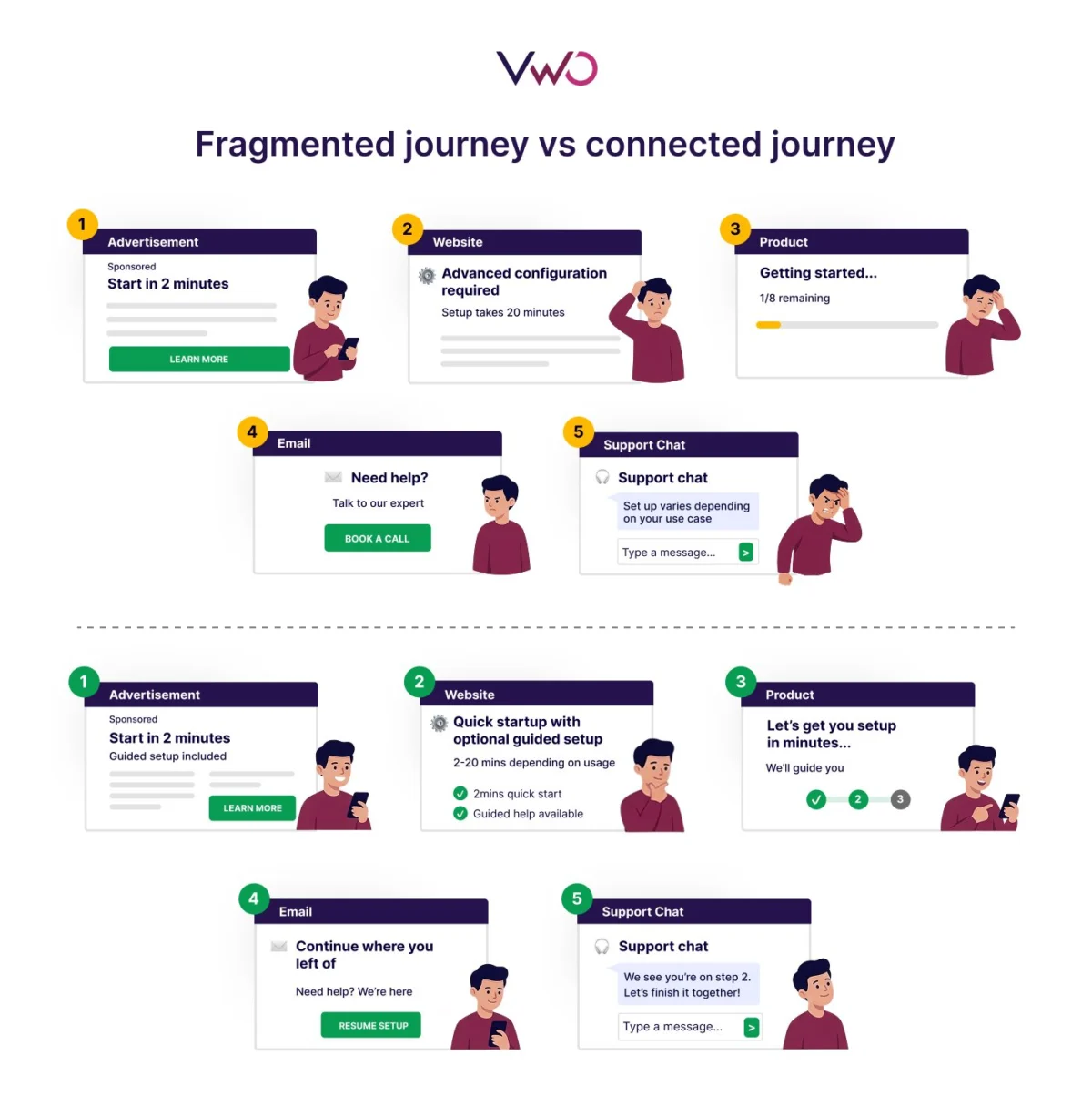
The discipline of Conversion Rate Optimization (CRO) is currently undergoing a fundamental metamorphosis, evolving from a narrow focus on website-level A/B testing into a comprehensive system for experimentation-led decision-making. This shift reflects a broader trend in the global digital economy where businesses are moving away from reactive tactical adjustments toward proactive, strategy-led frameworks. In this new paradigm, the objective is not merely to determine what gets tested, but to refine the very methodology by which business strategies are formulated and executed. This evolution is central to the mission of the CRO Perspectives series, a collaborative initiative designed to gather insights from global leaders to help organizations navigate the complexities of digital growth.
In its 22nd installment, the series features Andres Pinate, a Marketing Director and Strategic Consultant in CRO and Growth based in Spain. Pinate’s career, which spans diverse sectors including consumer electronics, fast-moving consumer goods (FMCG), mobility, and the automotive industry, provides a unique vantage point on how data-driven evidence and qualitative depth can be bridged. His approach centers on "decision design"—the practice of using structured experimentation to illuminate the psychological and commercial logic that drives revenue systems. As organizations grapple with increasing market volatility and the rise of artificial intelligence, Pinate’s insights suggest that the next competitive advantage will not come from the volume of tests performed, but from the speed and quality of organizational decisions.

The Psychological Divergence of B2B and B2C Experimentation
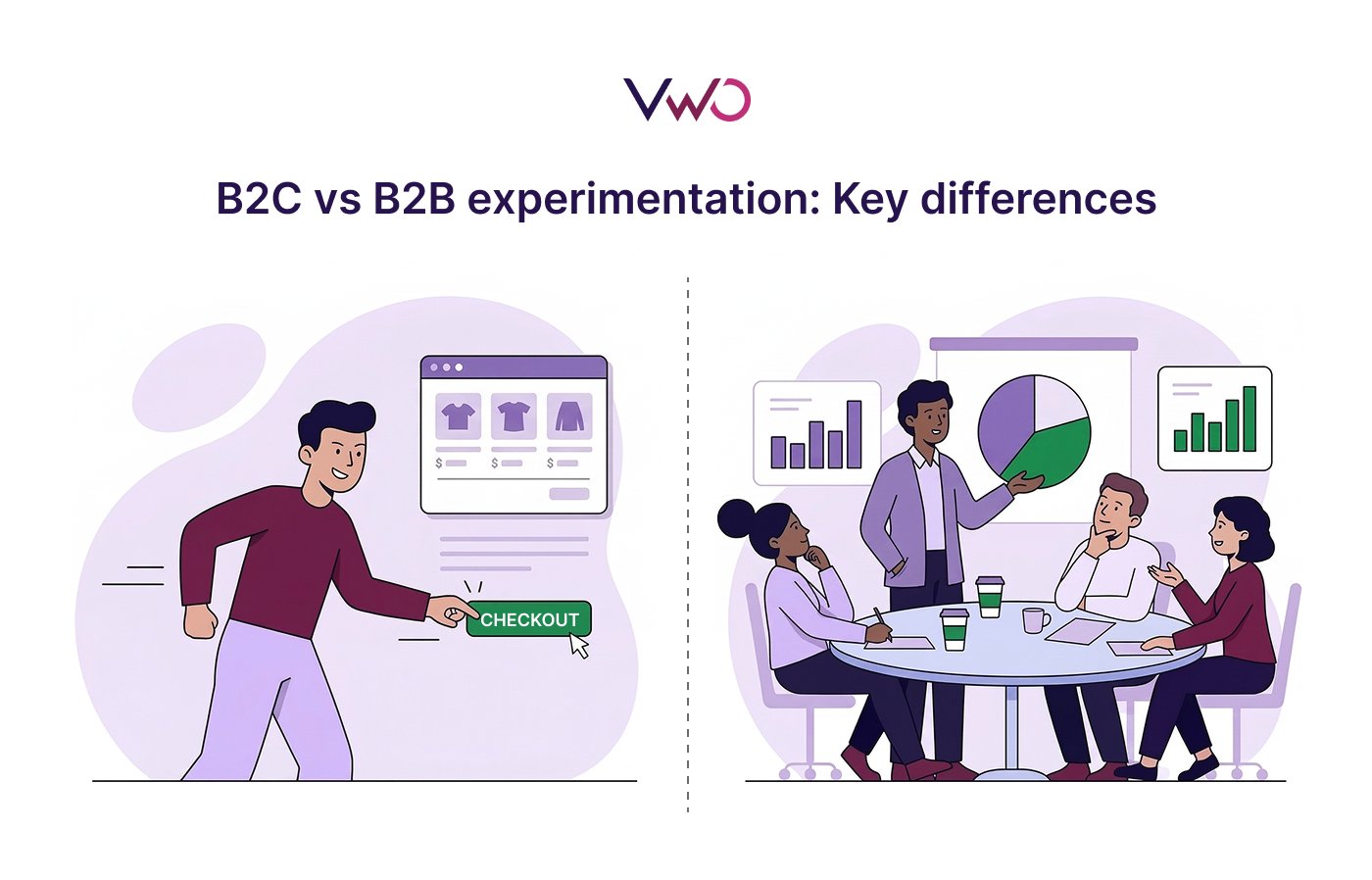
A critical component of modern experimentation is understanding the fundamental differences between Business-to-Consumer (B2C) and Business-to-Business (B2B) environments. While both rely on data, the underlying decision-making architectures are vastly different. In B2C markets, success is often predicated on emotional clarity, the removal of friction, and immediate gratification. The feedback loops are shorter, allowing for high-velocity testing that rewards brands capable of simplifying the path to purchase.
Conversely, B2B experimentation is governed by a more complex set of variables, including multi-stakeholder consensus, perceived professional risk, and internal corporate politics. In this sector, a single conversion—such as a lead generation form or a demo request—is rarely the result of a solitary impulse. Instead, it is the culmination of a layered research process involving several decision-makers. Consequently, B2B experimentation must function as a strategic lens, helping teams understand how trust is built over time. The challenge for B2B marketers is to create frameworks that are patient and precisely aligned with the commercial logic of long-cycle sales. By recognizing that the B2B buyer is a collective rather than an individual, organizations can design experiments that address the specific anxieties and requirements of each stakeholder in the buying committee.
Building a Structured Experimentation Operating Model
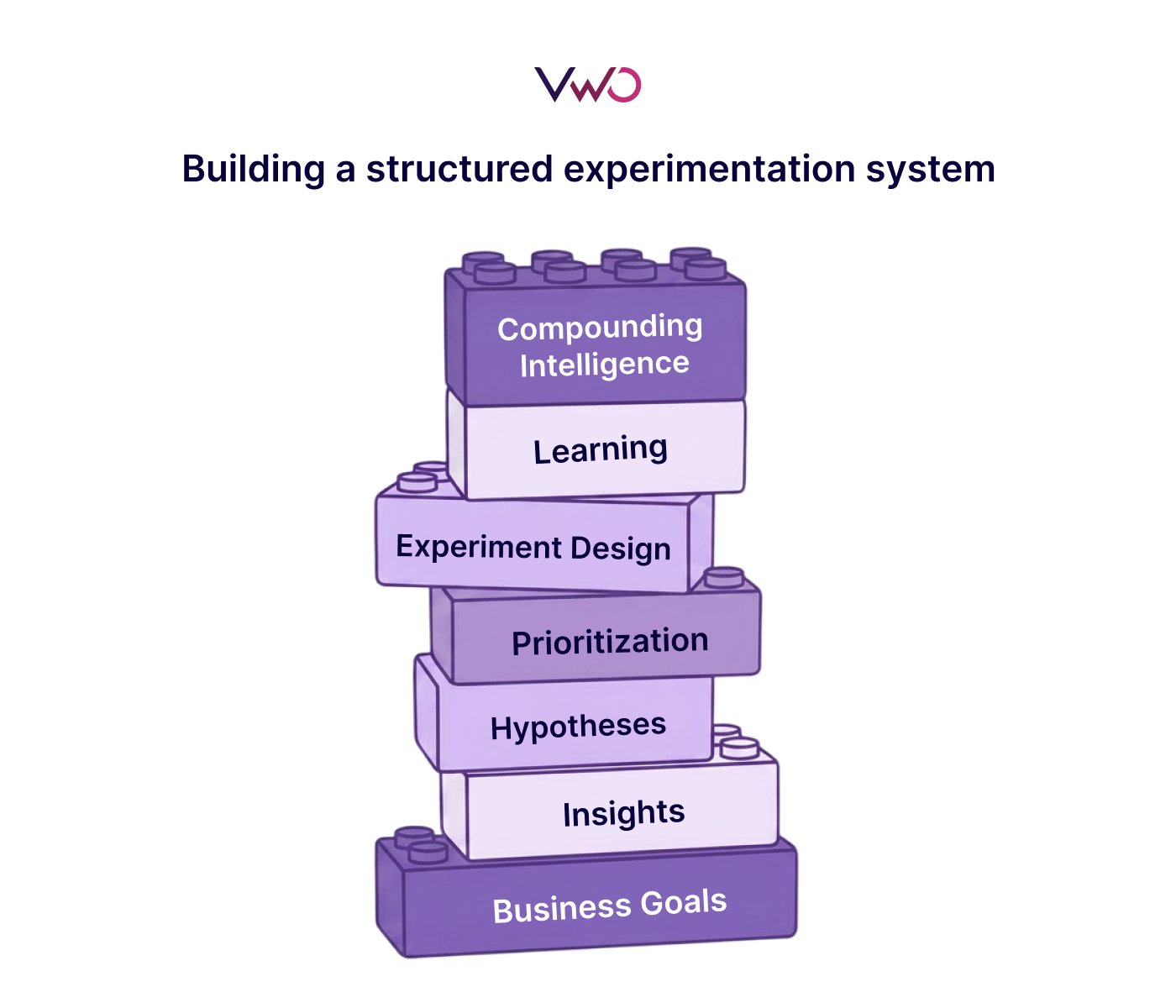
To move beyond "performative testing"—where activities are conducted without contributing to long-term growth—businesses must adopt a structured experimentation operating model. According to Pinate, a true system is not just a collection of isolated tests but a compounding asset of organizational intelligence. This requires a multi-layered approach that begins with a clear business thesis. Organizations must first align on their primary objectives, whether they are focused on revenue growth, customer retention, acquisition efficiency, or lifetime value (LTV).

Once the objectives are established, the system requires a disciplined idea-intake layer. This involves synthesizing insights from diverse sources, including web analytics, user experience (UX) research, customer feedback, and direct input from sales and support teams. These insights are then converted into formal hypotheses. The most critical stage of this model is prioritization. In a mature experimentation system, not all ideas are treated as equal. Teams must ruthlessly evaluate potential tests based on their projected business impact, the level of user friction they address, and their strategic leverage. This discipline ensures that resources are not wasted on "obvious" or low-value tests, but are instead focused on experiments that have the potential to reshape the organization’s understanding of its market.
The Shift Toward Revenue-Driven KPIs and Accountability
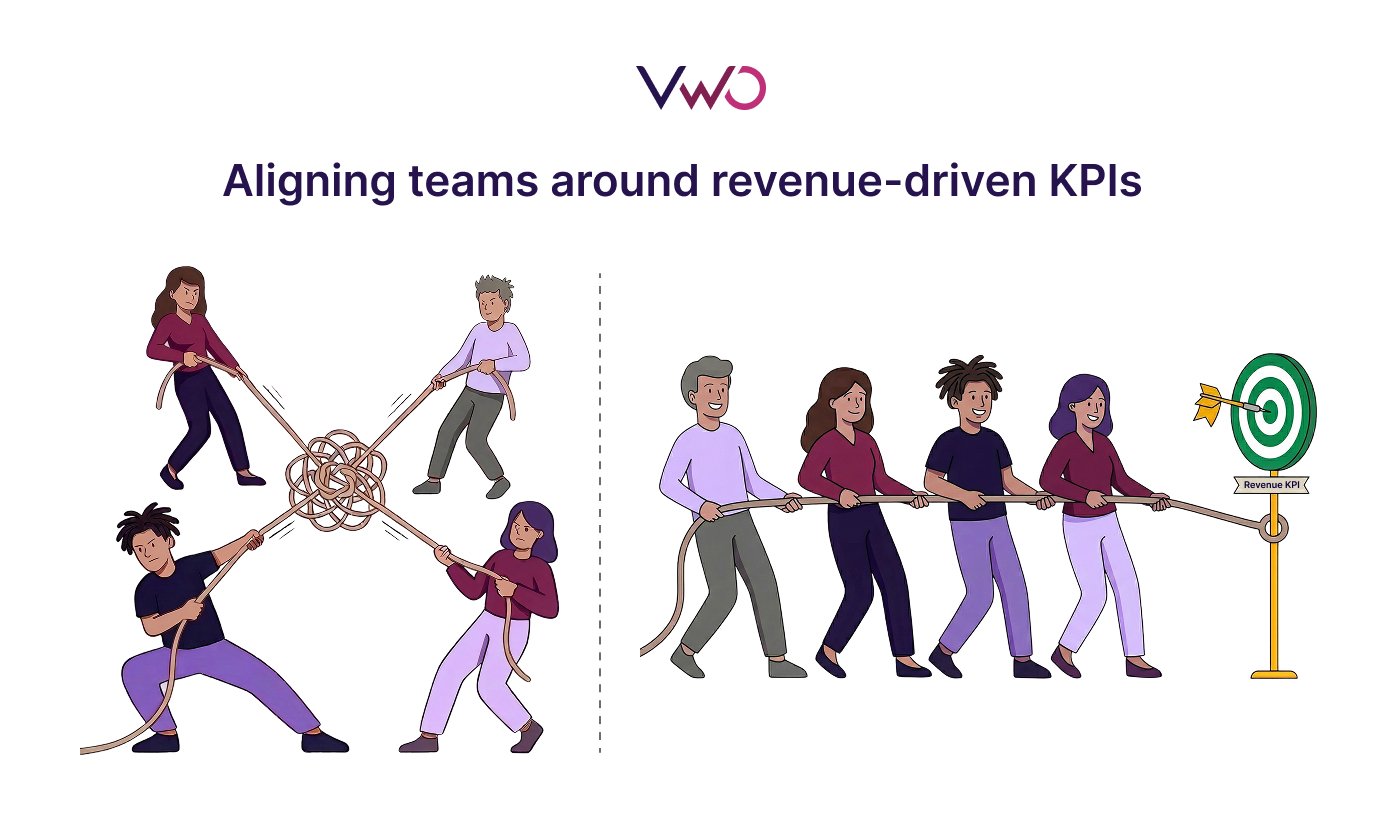
The maturation of CRO is also characterized by a shift in key performance indicators (KPIs). Traditional marketing metrics, such as click-through rates and impressions, are increasingly viewed as secondary to direct revenue ownership. When experimentation teams are evaluated on their contribution to the "economic engine" of a company, the nature of their work changes. Marketing is no longer a support function; it becomes a primary driver of business outcomes.
This transition requires a unified view of the entire customer lifecycle, connecting acquisition, activation, retention, and expansion. By establishing a "shared chain of causality," organizations can identify the specific levers that drive growth. For example, rather than simply asking how to get more traffic, a revenue-driven team asks what drives acquisition quality and how that quality correlates with long-term retention. This systemic approach forces teams to be accountable for commercial results, fostering a culture where performance is strategic rather than merely tactical.
Interpreting Behavioral Data in a Zero-Click World
In the current digital landscape, the rise of "zero-click" behavior—where users find the information they need directly on search engine results pages or social media platforms without clicking through to a website—has fundamentally altered the user journey. When a user finally does arrive at a website, they often do so with pre-formed context and heightened expectations. The website’s role has shifted from being a primary information provider to a platform for clarification, reassurance, and differentiation.
In this environment, "trust density" becomes a critical metric. Brands must provide more than just basic answers; they must offer nuance, proof, and a sense of conviction. This requires a sophisticated interpretation of behavioral data. While tools like heatmaps and funnel analytics show what a user is doing, they do not explain why. Pinate emphasizes the importance of combining quantitative data with qualitative depth. By understanding the story behind the numbers—the emotions, expectations, and frustrations of the user—organizations can address the root causes of behavior rather than just the symptoms.
The Role of AI and Personalization Guardrails
Artificial Intelligence (AI) is rapidly becoming a cornerstone of digital experimentation, offering unprecedented capabilities in pattern recognition, analysis speed, and content generation. However, the integration of AI requires strict guardrails to ensure that scale does not come at the expense of judgment. The most effective use cases for AI in CRO involve amplifying human intelligence rather than replacing it. AI can help surface hidden patterns in massive datasets or generate a wide range of hypotheses, but strategic accountability must remain a human responsibility.
Similarly, personalization must be approached with restraint. While personalized experiences can reduce effort and increase relevance, excessive or poorly implemented personalization can erode trust and create unnecessary complexity. The best personalization feels natural and helps the user move forward with confidence. If personalization is used to mask a weak product-market fit or poor messaging, it becomes a "self-defeating" exercise in decorative complexity. Organizations must ensure that personalization is rooted in a genuine understanding of the user’s context and business priorities.
The Evolution of the Spanish Experimentation Landscape
The Spanish market serves as a compelling case study for the global evolution of CRO. Traditionally viewed as a project-based activity, experimentation in Spain is moving toward a more mature phase where it is treated as a cultural capability. There is an increasing recognition that the integration of UX, analytics, and business strategy is essential for long-term success.
As the market becomes more sophisticated, the focus is shifting from simply running more tests to making better decisions faster. Spanish organizations that embrace CRO as a means of reducing uncertainty rather than just lifting conversion rates are finding themselves at a competitive advantage. This regional trend mirrors a global movement toward "decision design," where the ultimate goal of experimentation is to build a more resilient and intelligent business.
Conclusion: Experimentation as a Strategic Asset
The insights shared by Andres Pinate underscore a broader truth in the modern business world: experimentation is no longer an optional tactic for digital growth; it is a fundamental requirement for organizational survival. By building structured systems that compound intelligence over time, businesses can navigate the challenges of fragmented customer journeys, zero-click marketing, and the rapid advancement of AI.
The transition from tactical testing to strategic decision design represents a significant milestone in the history of CRO. For organizations looking to implement these principles, the path forward involves a commitment to rigor, a focus on revenue-driven outcomes, and a deep respect for the human psychology that drives every click and every conversion. As the industry continues to evolve, the most successful brands will be those that view every experiment not just as a way to move a metric, but as a way to make the organization smarter, faster, and more aligned with the needs of its customers. Through platforms like VWO and the ongoing dialogue provided by the CRO Perspectives series, the global community of experimentation leaders is setting a new standard for how modern businesses grow and thrive in an increasingly complex digital ecosystem.








