
 rifanmuazin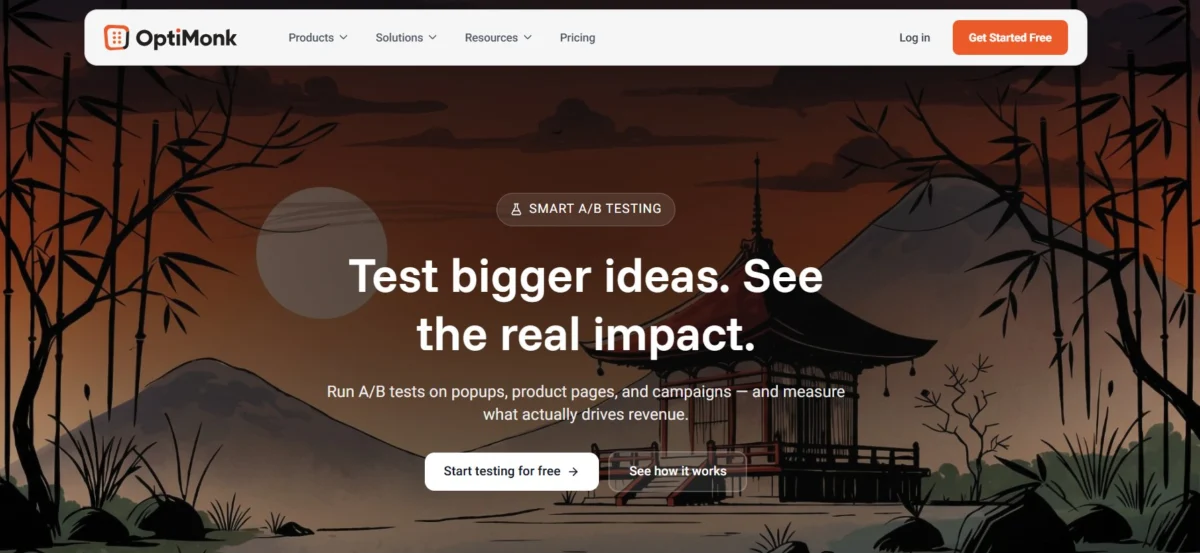
The digital landscape of 2026 has witnessed a fundamental shift in how enterprises approach user experience (UX) and conversion rate optimization (CRO). As web architectures become increasingly complex, moving away from simple monolithic structures toward headless CMS and microservices, traditional A/B testing—which relies heavily on client-side JavaScript element manipulation—is often insufficient for large-scale changes. Split URL testing has emerged as the primary methodology for teams executing comprehensive landing page redesigns, backend migrations, and significant checkout flow overhauls. This guide provides a detailed analysis of the leading split URL testing platforms for 2026, evaluating their technical capabilities, market positioning, and strategic value for data-driven organizations.
The Evolution of Split URL Testing in 2026
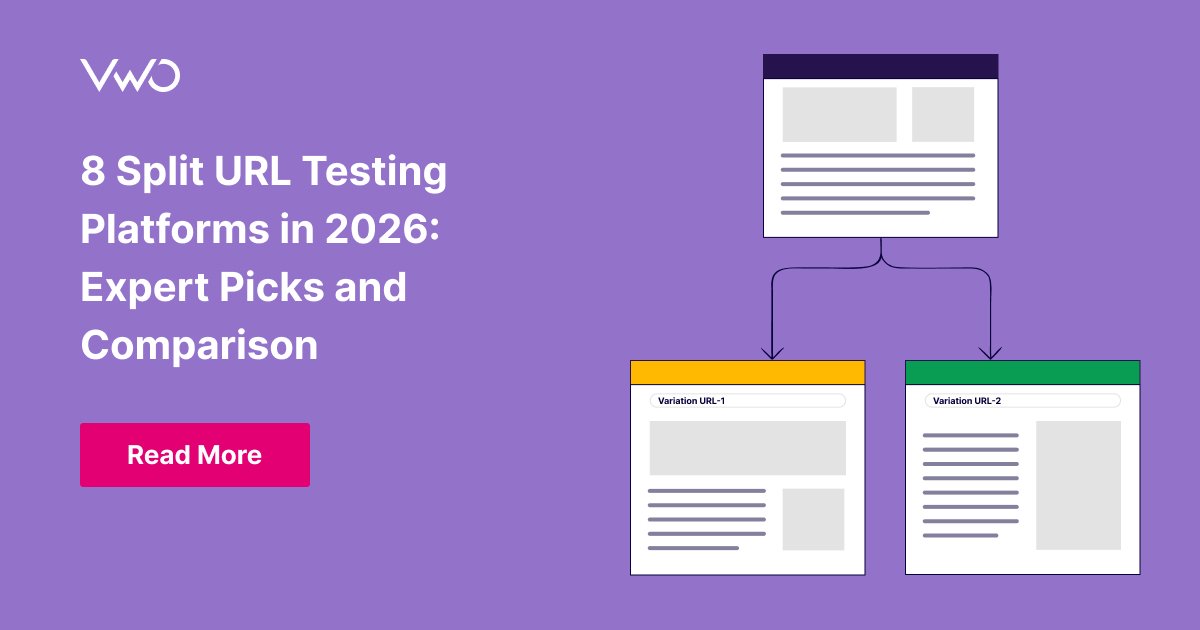
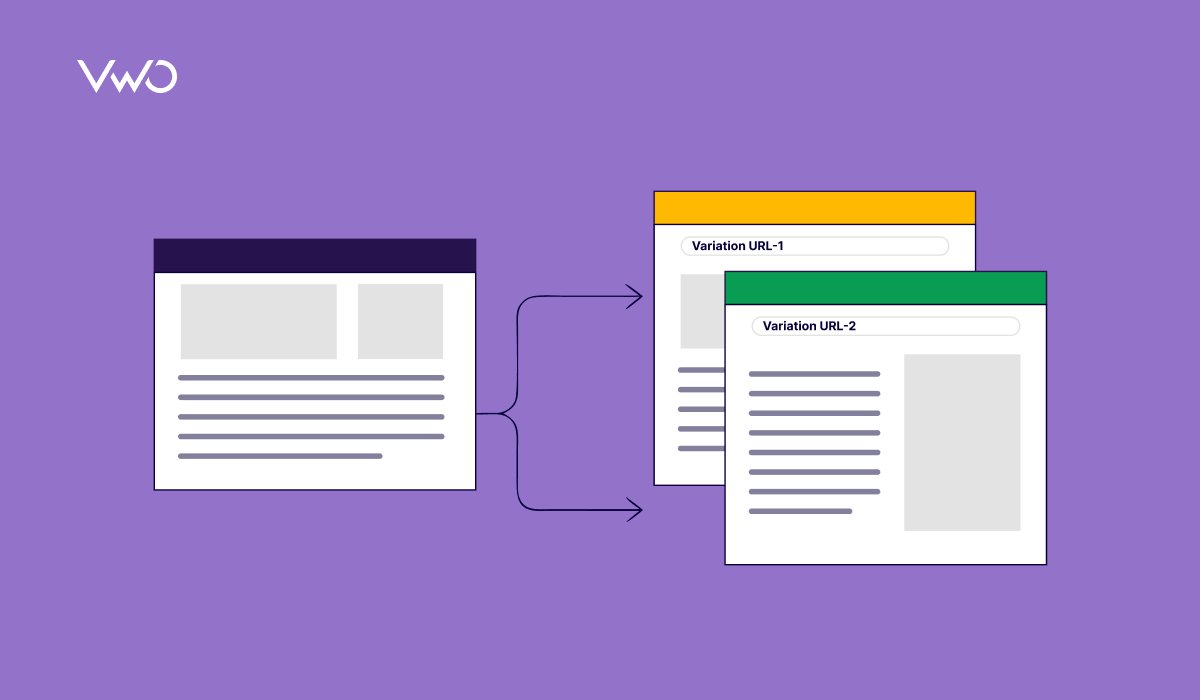
Split URL testing, often referred to as redirect testing, involves hosting a control version and one or more variations on entirely separate URLs. Unlike standard A/B testing, where a single page is modified on the fly by a browser-based script, split URL testing directs traffic at the server or browser level to different destination pages. In 2026, this method has become critical due to the increased focus on "flicker-free" experiences and the technical limitations of client-side scripts in a privacy-centric browsing environment.
Industry data suggests that by 2026, over 65% of enterprise-level experiments involve some form of split URL or server-side testing. This trend is driven by the need to test significant architectural changes that cannot be achieved through minor UI tweaks. As organizations prioritize Core Web Vitals and page load speed, the efficiency of server-side redirects has made split URL testing a preferred choice for high-traffic environments where performance is non-negotiable.
Comparative Analysis of Leading Platforms
The following platforms represent the apex of experimentation technology in 2026. Each has been selected based on its statistical rigor, integration capabilities, and ability to handle high-concurrency traffic without latency.
1. VWO (Visual Website Optimizer)
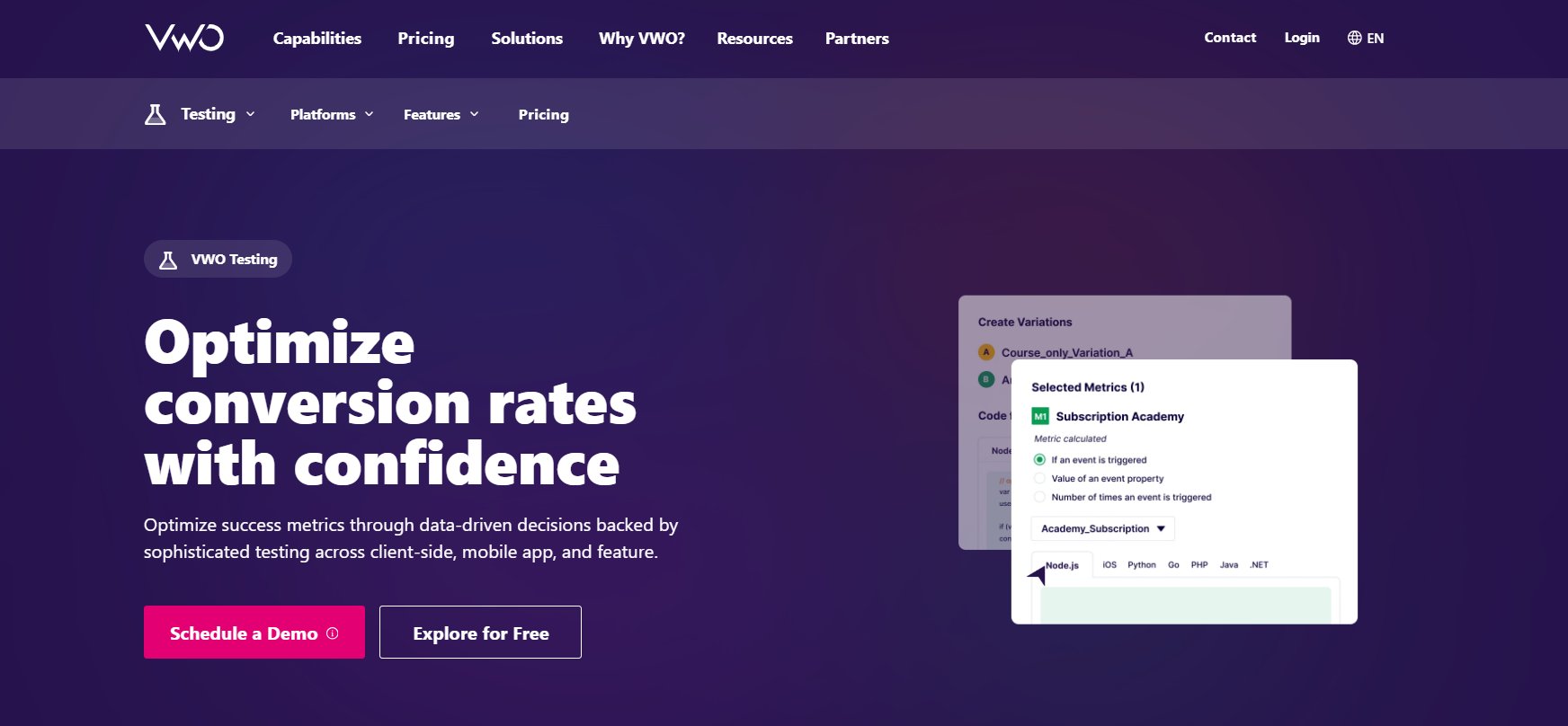
VWO remains a dominant force in the 2026 experimentation market. It functions as a comprehensive ecosystem that bridges the gap between qualitative behavior analysis and quantitative testing. Its split URL testing suite is particularly noted for its ability to handle complex redirects across different domains and subdomains.
- Core Capabilities: VWO features an AI Copilot for variation generation, heatmaps, and session recordings integrated directly into the test results.
- Strategic Advantage: The platform’s "Feature Experimentation" module allows for backend testing, making it a dual-threat tool for both marketing and product engineering teams.
- Market Insight: Case studies from 2025-2026 indicate that VWO’s integrated approach can reduce the time-to-insight by up to 30% compared to fragmented toolsets.
2. Webtrends Optimize
Webtrends Optimize has solidified its position as an enterprise-grade solution focused on "flicker-free" delivery. In an era where even a 100ms delay can impact conversion, Webtrends uses advanced server-side logic to ensure redirects are imperceptible to the end user.
- Key Features: Advanced behavioral targeting and a "no-code" widget library.
- Best For: Large-scale retailers and financial institutions requiring high security and minimal performance impact.
3. Convert Experiences
With privacy regulations like GDPR and CCPA evolving into even stricter frameworks by 2026, Convert Experiences has pivoted toward a "privacy-first" architecture. It offers robust data control and does not rely on invasive tracking methods.
- Technical Highlights: It provides both Bayesian and Frequentist statistical engines, allowing data scientists to choose the model that best fits their experimental design.
- Pricing Structure: Positions itself as a mid-market leader with plans starting at approximately $299 per month.
4. Optimizely
Optimizely continues to lead the "Experimentation as a Service" category. In 2026, its focus is heavily centered on AI-driven traffic allocation, using multi-armed bandit algorithms to automatically shift traffic toward winning variations in real-time.
- Innovation: Its AI variation summary provides automated narratives on why a specific version outperformed the control, simplifying reporting for executive stakeholders.
- Deployment: Known for high-performance redirect experiments that maintain SEO integrity.
5. Kameleoon
Kameleoon has distinguished itself through its "prompt-based" experimentation interface. It targets organizations that require deep integration with their existing data stacks, such as Segment, Amplitude, or Mixpanel.
- Statistical Rigor: It utilizes CUPED (Controlled-experiment using Pre-Experiment Data) to reduce variance and achieve statistical significance faster.
- User Base: Popular among European enterprises and teams with a heavy developer presence.
6. Omniconvert
Specializing in the e-commerce sector, Omniconvert provides tools that go beyond simple testing. Its split URL capabilities are designed to test entire customer journeys, from the landing page through to the final "Thank You" screen.
- Unique Feature: Integration with Adobe Analytics and advanced segmentation based on purchase history.
- Accessibility: Offers a free tier for smaller businesses, making high-level testing accessible to startups.
7. Optimonk
Optimonk has evolved from a simple popup tool into a sophisticated on-site journey optimization platform. In 2026, it is widely used for testing landing page messaging and layout variations for performance marketing campaigns.
- Targeting: Exceptional at segmenting traffic based on referral source, allowing for highly personalized split URL tests.
- Value Proposition: Low barrier to entry with plans starting as low as $19 per month.
8. ABsmartly
ABsmartly is the platform of choice for "product-led growth" companies. It was built by engineers who previously scaled experimentation at major global tech firms. Its lightweight SDKs ensure that split testing does not impact application performance.
- Methodology: Uses Group Sequential Testing (GST), which allows for "peeking" at data without compromising statistical validity.
- Scalability: Designed for high-volume event-based testing, with annual contracts often starting in the €60,000 range.
Strategic Chronology: When to Deploy Split URL Testing
The decision to use split URL testing rather than traditional A/B testing should be based on the scope of the change. Industry experts suggest the following chronology for experimental deployment:
- Phase I: Discovery (Qualitative Analysis): Use session recordings and heatmaps to identify friction points.
- Phase II: Micro-Optimizations (Standard A/B Testing): Test headlines, button colors, or image changes on existing pages.
- Phase III: Structural Overhaul (Split URL Testing): When a redesign is required, host the new version on a separate URL (e.g.,
website.com/new-design) and redirect a percentage of traffic. - Phase IV: Backend Validation (Feature Experimentation): Test new algorithms or pricing structures at the server level.
Technical Requirements and SEO Considerations
In 2026, the intersection of SEO and split URL testing is more critical than ever. Search engines have become more sophisticated in identifying cloaking. To maintain search rankings during a split URL test, platforms must support:
- Canonical Tags: Ensuring the variation page points to the control page as the authoritative source.
- 302 Redirects: Using temporary redirects to signal to search crawlers that the experiment is not a permanent move.
- Flicker Mitigation: Eliminating the "flash of original content" (FOOC) which can negatively impact User Experience scores and, consequently, SEO.
Expert Analysis: The Impact of Integrated Insights
Dom Light, a leading figure in the digital experimentation space, emphasizes that the value of these platforms in 2026 lies in their integration. "To truly support fast-growing businesses, testing tools need to go beyond basic test execution and provide a comprehensive view of user behavior," Light states. He notes that seamless integration with analytics platforms ensures that experimentation contributes to a broader understanding of customer interactions across the entire funnel.

The implication for businesses is clear: the choice of a split URL testing platform is not just a technical decision, but a strategic one. Organizations that leverage these tools effectively can reduce the risk associated with major product launches and website redesigns. By validating changes with a subset of real traffic before a full rollout, companies can avoid costly mistakes and ensure that every UX change is backed by empirical data.
Market Outlook and Implications
As we move toward the latter half of the decade, the divide between companies that experiment and those that guess will widen. The 2026 market for split URL testing platforms is characterized by a "race to the server," where the most successful tools are those that offer the least latency and the most robust data privacy.
The broader impact of these technologies is the democratization of data science within the marketing department. With AI-assisted variation generation and automated statistical analysis, the barrier to running sophisticated experiments has never been lower. However, the requirement for a clear strategy remains. The most advanced tool in the market cannot compensate for a lack of a clear hypothesis or a misunderstanding of the target audience.
In conclusion, for organizations looking to scale their digital presence in 2026, split URL testing is no longer optional—it is a foundational requirement for safe and effective growth. Whether choosing the all-in-one capabilities of VWO or the engineering-centric approach of ABsmartly, the goal remains the same: transforming uncertainty into actionable insight.








