Nana Muazin
Meta has recently unveiled two significant advancements for its Edits video editing application, demonstrating a clear strategic focus on adapting to evolving hardware form factors and expanding professional creator workflows. These updates include a new version of the platform meticulously optimized for the unique interface of folding screen devices, alongside a closer look at the highly anticipated desktop iteration of the app, which is now entering a testing phase with select users. These developments underscore Meta’s commitment to equipping creators with versatile tools, aiming to solidify its position in the fiercely competitive short-form video market.
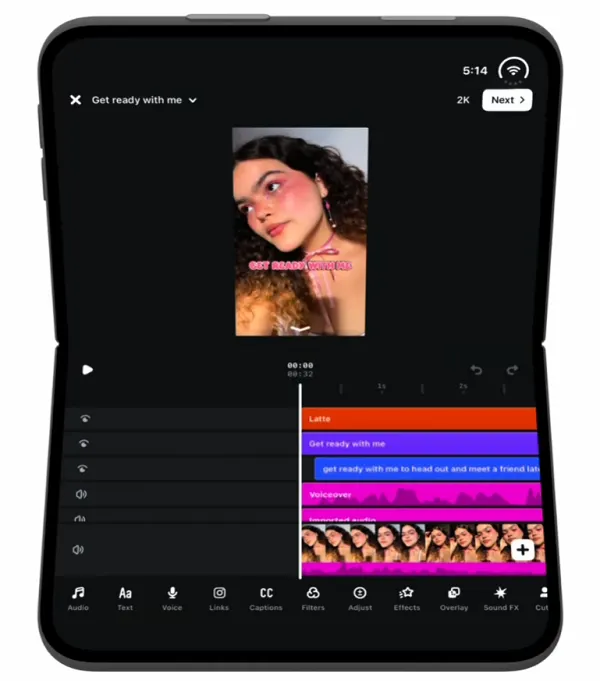
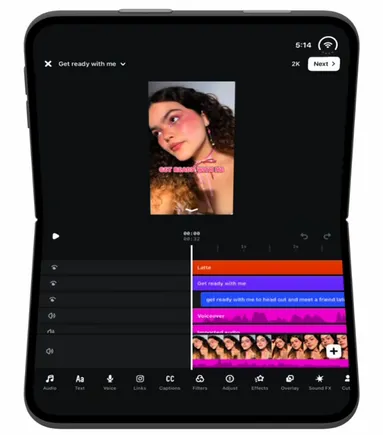
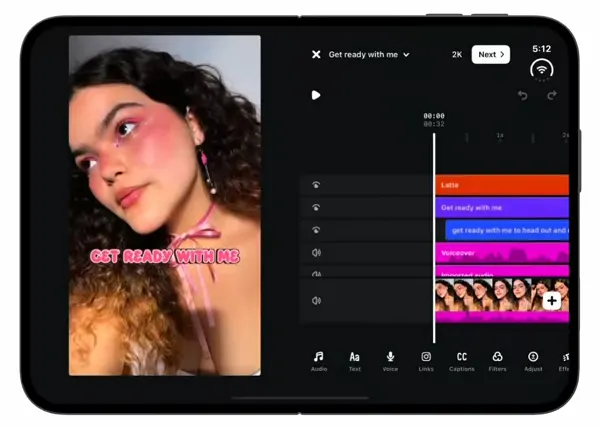
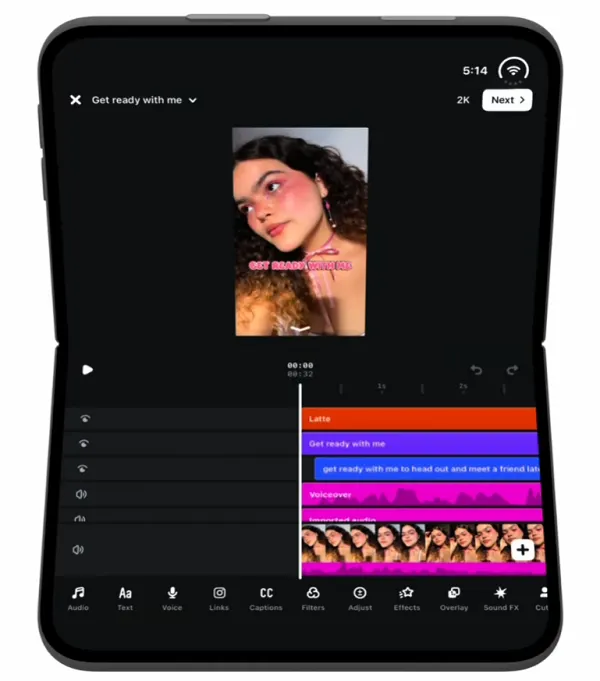
The initial announcement detailed the immediate availability of a dedicated version of Edits tailored for folding screen devices, specifically highlighted by Meta as the "iPhone Duo" version. While Apple has yet to release a product officially named "iPhone Duo" or any folding iPhone, this nomenclature likely signals Meta’s proactive approach to optimizing for emerging dual-screen and flexible display technologies, or perhaps a reference to a specific type of folding device architecture that may include future Apple innovations or existing dual-screen Android devices like the Microsoft Surface Duo. This update is engineered to leverage the distinctive presentation capabilities inherent in such cutting-edge hardware. The user interface (UI) of this specialized Edits version is designed for dynamic translation across various formats, intelligently utilizing the variable orientation and split-screen potential of these devices. This adaptability is crucial for creators who demand flexibility in their workflow, regardless of how they prefer to interact with their device.
As articulated by Meta, the core benefit of this folding screen optimization lies in its enhanced user experience: "With a larger, adaptive screen, you can edit and preview your timeline side by side for more flexibility in how you create. Edits adapts to the screen and crease, so you can keep creating in the position that feels right." This statement highlights the practical advantages of a dual-display setup, allowing creators to manage their editing timeline on one screen while simultaneously previewing their video on the other. Such a configuration significantly streamlines the editing process, reducing the need for constant toggling between views and offering a more immersive and efficient creative environment. For professionals and avid content creators, this side-by-side capability can translate into considerable time savings and improved precision, particularly when dealing with complex edits or detailed visual effects. The integration of "adapting to the screen and crease" further emphasizes Meta’s attention to the unique physical characteristics of folding devices, ensuring a seamless and intuitive user experience that acknowledges the hardware’s innovative design.
Beyond mobile innovations, the second major update involves the desktop version of Edits. Creator Taylor Golub recently provided the public with a glimpse of this forthcoming application by sharing a screenshot of the new Edits desktop interface, confirming that it is currently undergoing testing with a select group of users. This preview reveals a layout optimized for larger screens, where users can oversee a significantly greater number of editing elements concurrently. This expansive workspace is designed to facilitate the integration of the app’s various creation functions, providing a more comprehensive and robust editing environment than what is typically feasible on mobile devices. The ability to manage multiple tracks, apply intricate effects, and fine-tune transitions on a larger display is a critical requirement for professional video production, signaling Meta’s ambition to cater to a broader spectrum of creator needs.
Meta initially announced its plans for a desktop version of the Edits platform in June, alongside the introduction of an AI production assistant, indicating a long-term vision for the app’s evolution. The current testing phase represents a crucial step towards its public release, allowing Meta to gather real-world feedback from creators and refine the application before a wider rollout. In a noteworthy comment on Golub’s post, Adam Mosseri, the head of Instagram, expressed high expectations for the desktop version, stating that he anticipates it will become "a foundation for a lot of interesting features to come." This statement from a key Meta executive underscores the strategic importance of the desktop app, not merely as a scaled-up mobile experience, but as a core platform for future innovation, potentially involving advanced AI capabilities, collaborative editing tools, and deeper integration with Meta’s suite of social media platforms.
Chronology and Background Context of Edits
The journey of Edits is intertwined with Meta’s broader strategy to dominate the short-form video landscape, largely spurred by the explosive growth of TikTok and its native editing tool, CapCut. While the exact initial launch date of the mobile Edits app is not explicitly stated in the provided text, the announcement of its desktop version in June suggests that the mobile iteration had already been established as a functional tool for creators. Meta’s strategic pivot towards short-form video, prominently featuring Instagram Reels, Facebook Reels, and eventually Threads integration, necessitated a robust and user-friendly editing solution. Edits emerged as Meta’s answer, designed to provide creators with a powerful yet accessible tool to produce high-quality, engaging video content optimized for Meta’s platforms.
The June announcement was pivotal, not only confirming the desktop version but also teasing the integration of an AI production assistant. This AI component is critical in a creator economy where efficiency and sophisticated effects are paramount. AI-powered features could include automatic captioning, smart cutting suggestions, background removal, stylistic filters, and even content generation, significantly lowering the barrier to entry for complex video production. This move positioned Edits as a competitor not just to CapCut but potentially to more established, professional-grade desktop editing suites by offering AI-driven shortcuts.
The recent updates, specifically the folding screen optimization and the desktop app’s testing, demonstrate a rapid development cycle and a responsive approach to market demands. The availability of the folding screen version shows Meta’s agility in adapting to new hardware paradigms, while the desktop testing phase indicates a methodical approach to rolling out more complex software solutions. This timeline reflects Meta’s aggressive pursuit of the creator market, ensuring its ecosystem remains attractive and functional across a diverse range of devices and professional needs.
Supporting Data and Market Dynamics
The context for these Edits updates is rooted in several significant industry trends. First, the short-form video market continues its meteoric rise. Platforms like TikTok have demonstrated the immense appetite for quick, engaging video content, leading Meta to heavily invest in Reels across Instagram and Facebook. Data from various market research firms consistently show that video content drives the highest engagement rates on social media. For instance, studies often indicate that video posts on Instagram receive significantly more engagement than image or text posts. Providing an in-house, high-quality editing app like Edits is crucial for Meta to empower its creators to produce content that can compete effectively.
Second, the creator economy is booming. Millions of individuals globally are now monetizing their content creation efforts, transforming hobbies into full-time careers. These creators demand sophisticated, efficient, and integrated tools. While many start on mobile, the need for more granular control and powerful features often leads them to desktop solutions. Meta’s expansion into desktop editing directly addresses this professionalization of the creator space, aiming to keep creators within its ecosystem rather than losing them to third-party tools that might not offer direct integration or optimized export settings for Meta’s platforms.
Third, the folding phone market, while still nascent, is growing. Companies like Samsung, Google, and Microsoft (with the Surface Duo, which features two distinct screens rather than a single folding display) are pushing the boundaries of mobile form factors. While Apple’s "iPhone Duo" remains speculative, Meta’s proactive optimization for folding screens signals an anticipation of this trend becoming more mainstream. Market analysis often projects significant growth in foldable smartphone shipments over the next few years, moving from a niche product to a more substantial segment of the premium smartphone market. By being an early mover in optimizing for these devices, Meta positions Edits as a forward-thinking application ready for the next generation of mobile hardware.
Finally, the competitive landscape in video editing is intense. CapCut, TikTok’s sister app, has garnered massive popularity due to its powerful features and ease of use, often setting the standard for mobile video editing. On the desktop front, established players like Adobe Premiere Pro, DaVinci Resolve, and Final Cut Pro dominate the professional space, while more accessible options like CapCut Desktop and various online editors cater to a broader user base. Meta’s Edits, particularly with its promised AI integration and desktop presence, is strategically positioned to offer a compelling alternative that integrates seamlessly with its vast social media ecosystem, potentially offering a unique value proposition that combines professional features with social distribution.
Official Responses and Strategic Implications
Meta’s official statements regarding the Edits updates, particularly Adam Mosseri’s comments, provide valuable insight into the company’s long-term vision. The emphasis on the desktop version becoming "a foundation for a lot of interesting features to come" suggests that Meta views Edits as more than just a standalone editing tool. It is likely envisioned as a central hub for creators within the Meta ecosystem, potentially integrating with other Meta technologies such as augmented reality (AR) effects, virtual reality (VR) content creation, and advanced AI services. This could mean future features like collaborative editing in real-time, direct publishing pipelines with advanced analytics, and even tools for generating 3D assets or interactive experiences, all managed from the Edits desktop environment.
The development of a dedicated folding screen version, even for a device like the "iPhone Duo" which is not yet an official Apple product, highlights Meta’s commitment to hardware agnosticism and future-proofing its applications. By optimizing for evolving form factors, Meta ensures that Edits remains relevant and user-friendly across the widest possible range of devices, catering to early adopters of new technology. This proactive approach helps Meta maintain its competitive edge, preventing users from needing to switch to rival platforms that might offer better optimization for cutting-edge hardware.
The broader strategic implication is Meta’s unwavering focus on the creator economy. By providing a comprehensive, cross-platform video editing solution, Meta aims to attract and retain top talent. Creators who can produce high-quality content efficiently are more likely to stay within Meta’s ecosystem for publishing and audience engagement. This, in turn, fuels user engagement on platforms like Instagram and Facebook Reels, which are critical for Meta’s advertising revenue model. Edits is therefore not just an app; it’s a vital component of Meta’s content strategy, designed to ensure a steady supply of engaging, high-quality video content that keeps users scrolling.
Furthermore, these updates implicitly suggest a tightening integration between Meta’s software and its social platforms. A seamless workflow from editing to publishing, potentially with built-in analytics and monetization tools, could create a powerful incentive for creators to rely solely on Meta’s suite. This "walled garden" approach, where creators have everything they need within one ecosystem, has been a successful strategy for other tech giants and is clearly one Meta is pursuing with Edits.
Broader Impact and Future Outlook
The impact of these Edits updates extends across several dimensions of the digital content landscape. For individual creators, particularly those who rely on Meta platforms for their audience, these updates promise a significant boost in efficiency and creative potential. The folding screen optimization offers unparalleled portability and flexibility for on-the-go editing, while the desktop version provides the precision and power needed for more complex projects. This dual approach ensures that Edits caters to both casual mobile creators and more professional users, widening its appeal.
In the competitive video editing market, Meta’s move signifies an intensified battle for market share. By offering a robust, free (or freemium) editing tool that deeply integrates with its social media platforms, Edits could draw users away from competitors like CapCut or even reduce the reliance on more expensive professional software for certain types of content. The promise of advanced AI features, as hinted at by Mosseri, could further differentiate Edits, offering capabilities that are either difficult to replicate or costly to access through other means.
Looking ahead, these developments position Edits as a potential leader in AI-driven video production. As AI technology continues to advance, we can expect Edits to incorporate even more sophisticated features, such as automated content generation from prompts, hyper-realistic special effects, and predictive editing suggestions. This evolution could fundamentally change how video content is created, making professional-grade production accessible to a much broader audience and democratizing the creation process.
The "iPhone Duo" optimization, regardless of the precise device it refers to, underscores a broader trend towards multi-modal content creation. As hardware evolves to include folding screens, augmented reality glasses, and virtual reality headsets, content creation tools must adapt. Meta, with its significant investments in the metaverse and future computing platforms, is likely viewing Edits as a foundational tool that can evolve to support content creation for these emerging immersive experiences. The desktop app, with its "foundation for interesting features to come," could very well be the gateway to creating complex 3D assets, interactive narratives, and spatial videos that are critical for the metaverse.
In conclusion, Meta’s recent enhancements to its Edits video editing app represent a strategic and multifaceted effort to empower creators across diverse hardware and workflow preferences. By optimizing for innovative form factors like folding screens and delivering a powerful desktop experience, Meta is not only responding to current market demands but also proactively shaping the future of content creation within its vast digital ecosystem. These updates are poised to significantly impact creator workflows, intensify competition in the video editing space, and lay the groundwork for a new generation of AI-powered, cross-platform creative tools that will be central to Meta’s ongoing dominance in the digital content arena.


 Lina Hope

 Suro Senen