Nana
The digital marketing landscape in 2026 has reached a critical inflection point where the distinction between a standard web presence and a high-performance conversion engine determines the survival of global brands. According to a comprehensive report released by industry leaders Luke Bailey, Colin Loughran, and Paul Park of Unbounce, the fundamental principle of digital acquisition remains centered on the efficacy of the landing page. The report, which synthesizes data from over 40 industry-leading examples, posits that a polished, professional landing page is no longer a luxury but a baseline requirement for maintaining competitive conversion rates. Conversely, fragmented or "messy" user experiences are now cited as the primary drivers of escalating customer acquisition costs (CAC).

The Strategic Role of Standalone Architecture
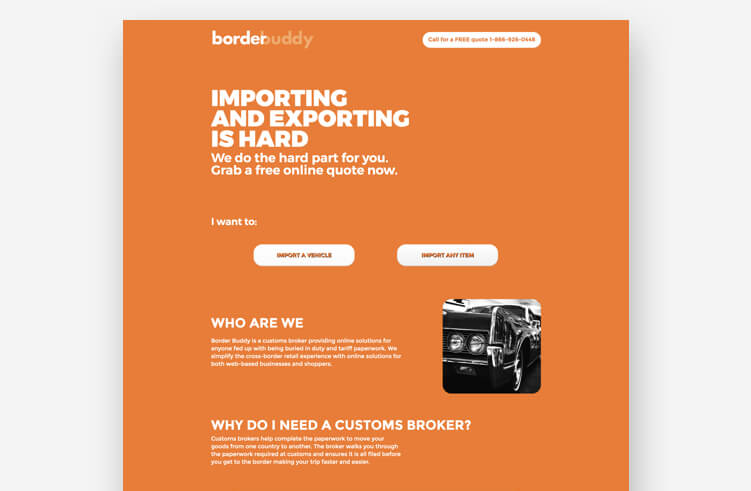
A landing page, by technical definition, is a standalone web page created specifically for a marketing or advertising campaign. Unlike a general corporate homepage, which serves as a multi-purpose navigational hub, a landing page is engineered for a singular conversion goal. This "conversion-centered design" (CCD) is intended to receive traffic from specific sources—such as paid search, social media advertising, or targeted email campaigns—and guide the visitor toward a solitary action, such as a lead submission or a product purchase.
Market data suggests that the transition from general homepages to targeted landing pages has a profound impact on ROI. In the SaaS and ecommerce sectors, businesses utilizing dedicated landing pages for each campaign see an average conversion lift of 25% compared to those directing traffic to a standard homepage. The logic is rooted in the "attention ratio," a concept where the number of links on a page is compared to the number of conversion goals. On a high-performing landing page, this ratio is ideally 1:1.
Historical Context and the Evolution of Conversion Design
To understand the current state of landing page design in 2026, one must look at the chronology of digital marketing over the last decade. In the mid-2010s, landing pages were often static, difficult to update, and required significant developer resources. The introduction of drag-and-drop builders shifted the power to marketing teams, allowing for rapid iteration and A/B testing.

By 2020, the focus shifted toward mobile-first design and page speed, as search engines began prioritizing Core Web Vitals. Today, in 2026, the evolution has moved toward hyper-personalization. Modern landing pages now leverage real-time data to adjust copy, imagery, and offers based on the visitor’s geographic location, browsing history, and intent signals. This timeline demonstrates a clear trajectory from "static information" to "dynamic persuasion."

Sector-Specific Analysis: Benchmarking the Leaders
The Unbounce report highlights 40 distinct examples across various industries, providing a blueprint for success in the current fiscal year.

SaaS and Professional Services
In the SaaS sector, companies like Netflix and LinkedIn have mastered the art of the "minimalist funnel." Netflix’s landing page remains a benchmark for reducing friction, utilizing a simple value proposition and a single input field. This approach addresses the "paradox of choice," where providing too many options leads to consumer paralysis. Similarly, LinkedIn’s Premium landing pages focus on specific user pain points—such as standing out in a crowded job market—rather than listing every technical feature of the platform.

Health, Wellness, and E-commerce
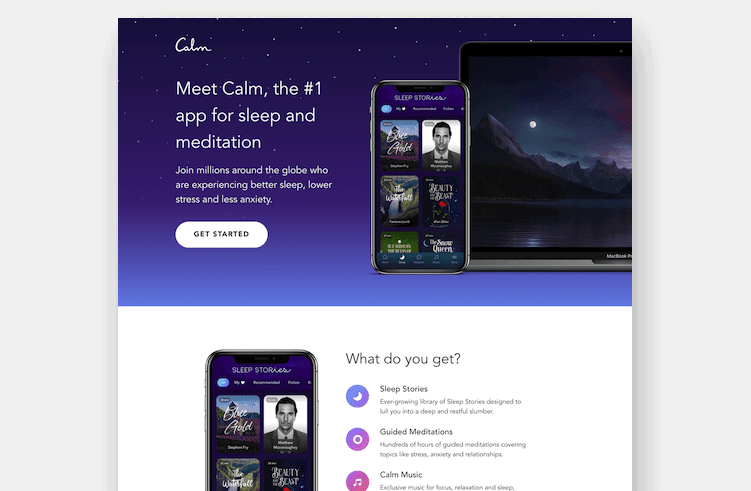
The health and wellness sector, represented by brands like Calm and Goby, emphasizes aesthetic tranquility and social proof. Calm’s landing page uses "breathable" design—ample white space and soothing visuals—to align the user experience with the product’s core promise of relaxation. In the ecommerce space, brands like Zola and Branch Furniture utilize high-resolution imagery and "lifestyle" storytelling to bridge the gap between digital browsing and physical ownership.

The Gig Economy and Service Platforms
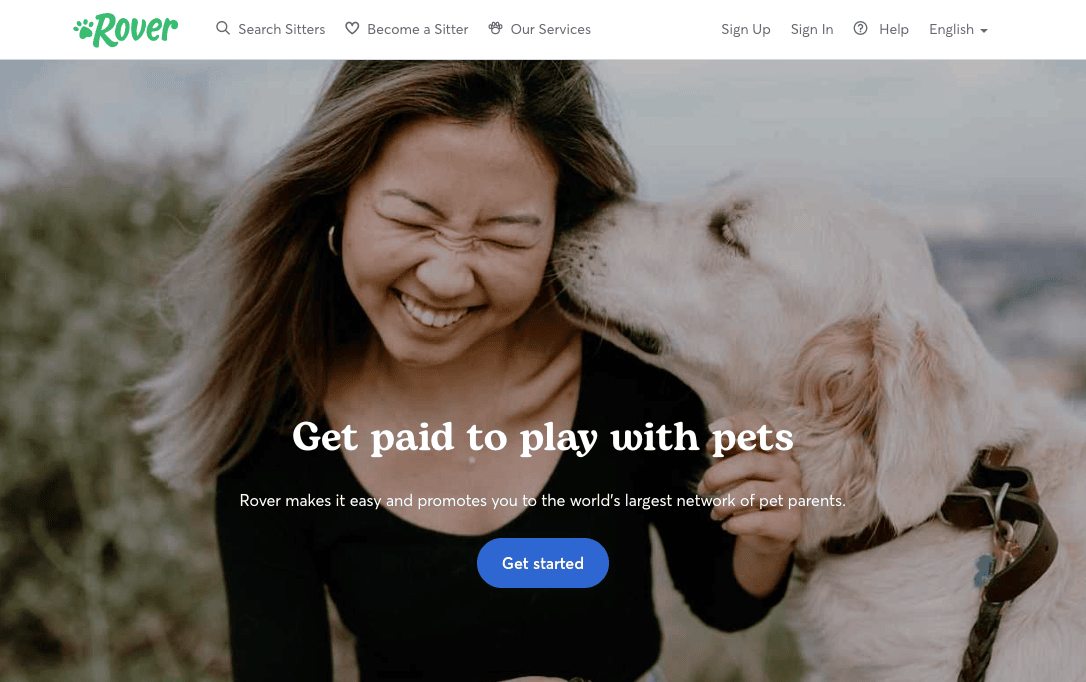
Recruitment funnels for platforms like DoorDash, Lyft, and Rover demonstrate the importance of benefit-driven copy. These pages are designed to solve a specific problem for the visitor: the need for flexible income. By highlighting potential earnings and ease of entry, these brands convert high-intent "earners" into active platform participants.

The Impact of Rich Media and Video Integration
One of the most significant data points in contemporary conversion optimization is the role of video. Industry statistics indicate that including video on a landing page can increase conversions by as much as 86%. Video content serves multiple purposes: it increases "dwell time" on the page, provides a clearer explanation of complex products, and builds trust through human-centric storytelling.

Brands like CD Baby and Woolx have successfully integrated video backgrounds and product demonstrations to create an immersive experience. However, the report cautions that media must be optimized for performance. In 2026, a delay of even 500 milliseconds in page load time can result in a 7% drop in conversions, making technical SEO and asset compression vital components of design.

Technical Framework: The 10 Steps to High Conversion
The report outlines a standardized 10-step protocol for developing a high-converting page, a process that has become the industry standard for marketing agencies:

- Define the Goal: Identifying the single most important action for the visitor.
- Understand the Audience: Tailoring messaging to specific psychographic profiles.
- Craft a Compelling Headline: Ensuring the headline matches the ad or email that drove the traffic.
- Write Persuasive Copy: Focusing on benefits (the "why") rather than just features (the "what").
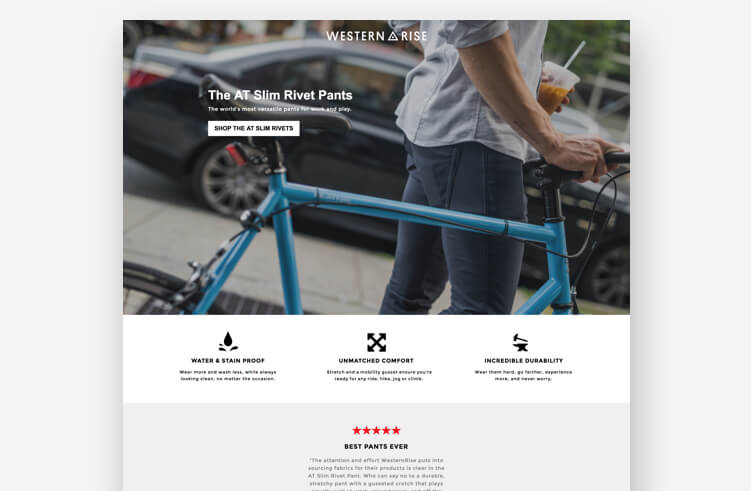
- Use High-Quality Visuals: Employing "hero shots" that show the product in use.
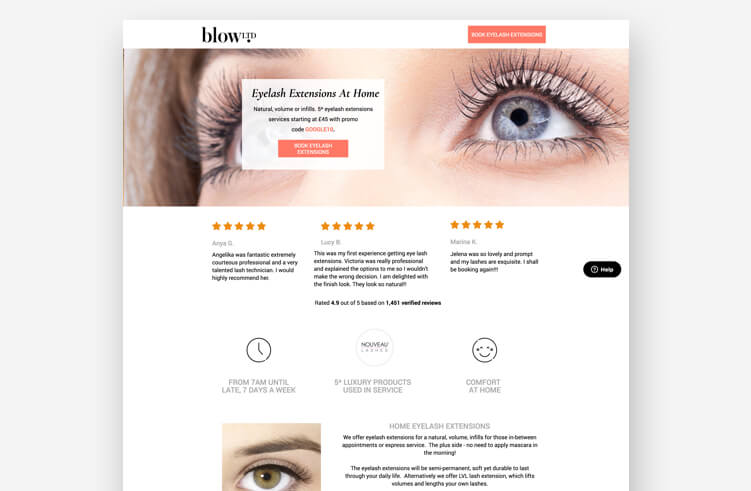
- Include Social Proof: Leveraging testimonials, reviews, and trust badges to build credibility.
- Design a Clear CTA: Using contrasting colors and action-oriented language for buttons.
- Minimize Friction: Reducing the number of form fields to the absolute minimum.
- Optimize for Mobile: Ensuring the page is fully responsive and touch-friendly.
- Implement A/B Testing: Continuously testing variables to find the most effective combination.
Market Reactions and Expert Analysis
The marketing community has responded to these findings with a renewed focus on "scent" or "message match." Digital strategist Colin Loughran notes that the highest-performing campaigns in 2026 are those where the "bridge" between the ad and the landing page is invisible. "If a user clicks an ad for ‘organic dog food’ and lands on a page talking about ‘pet supplies’ generally, you’ve lost the scent. The conversion dies right there," Loughran stated.
Economists analyzing the digital ad spend for 2026 suggest that as privacy regulations (such as the evolution of GDPR and the total phase-out of third-party cookies) make targeting more difficult, the efficiency of the "destination" (the landing page) becomes the only lever marketers can fully control. This has led to a surge in investment in conversion rate optimization (CRO) tools and specialized landing page agencies.
Broader Implications for Global Business
The shift toward high-performance landing pages has broader implications for the global economy. Small and medium-sized enterprises (SMEs) now have access to the same high-level conversion tools as Fortune 500 companies, leveling the playing field. Platforms like Unbounce have democratized design, allowing a local boutique or a niche SaaS startup to compete for attention alongside industry giants.
Furthermore, the data suggests a move away from "interruption marketing" toward "intent-based marketing." When a landing page successfully answers a user’s query with a specific, high-quality solution, the transaction is viewed less as a sale and more as a service. This shift is expected to improve long-term brand loyalty and customer lifetime value (CLV) across all digital sectors.
Conclusion: The Future of the Conversion Engine
As we look toward the remainder of 2026 and into 2027, the role of the landing page will only continue to expand. With the integration of AI-driven copy generation and predictive user behavior modeling, the "perfect" landing page may soon become a reality—one that adapts in real-time to every individual user. For now, the principles of clarity, professional design, and a singular focus on the user’s needs remain the gold standard for digital success. Marketers who fail to optimize these standalone experiences risk being left behind in an increasingly efficient and competitive global marketplace.

 Siti Muinah
 Layla Zulfa