
 rifanmuazin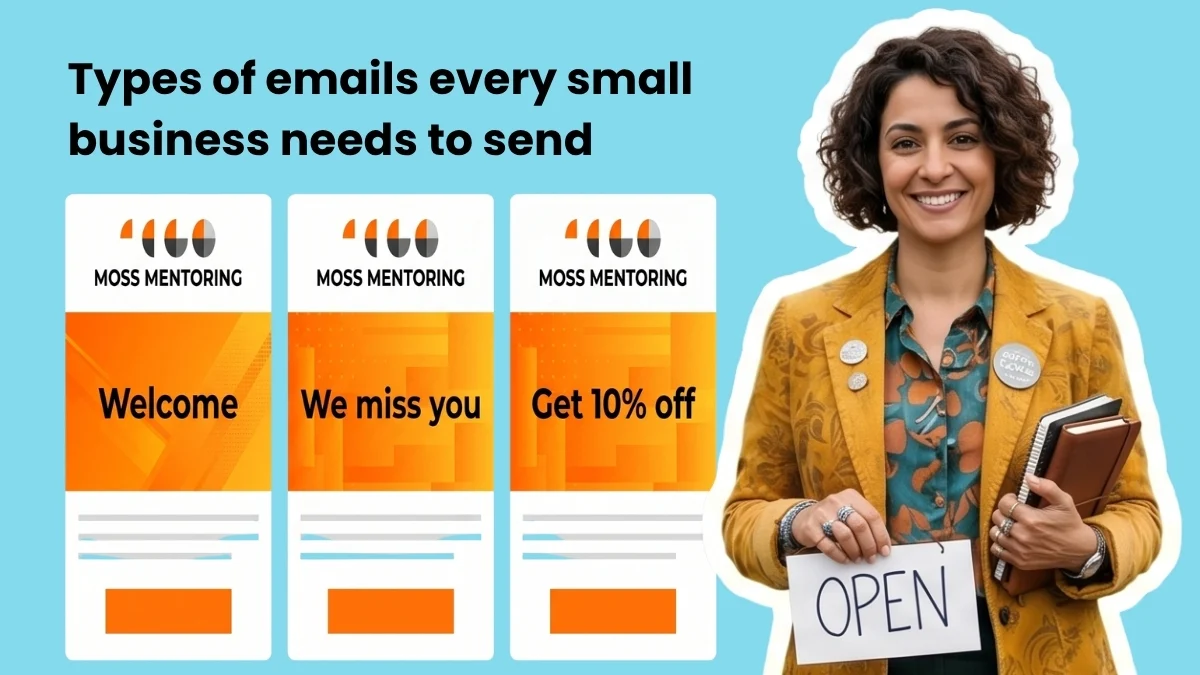
In an increasingly crowded digital landscape, the conventional approach to email marketing—treating it merely as a megaphone for mass announcements or infrequent newsletters—is proving to be a significant missed opportunity for businesses. New research underscores a critical shift in effective email strategy: success hinges not on shouting louder, but on speaking smarter through a diverse array of tailored messages, each meticulously designed for a specific purpose at a precise moment. This nuanced strategy is driving higher engagement, deeper customer loyalty, and ultimately, greater revenue.
A recent comprehensive study by AWeber, surveying over 1,200 small business owners, revealed a stark reality: only 60% of respondents consider their current email strategy effective. The distinguishing factor among the top-performing businesses in this tier is not superior subject lines or flashy designs, but rather the strategic deployment of multiple email types. These businesses understand that a welcome email converts when the subscriber’s interest is piqued; an abandoned cart email recovers a sale teetering on the brink; and a re-engagement email safeguards sender reputation before a dormant list becomes a liability. Such granular, responsive communication far surpasses the capabilities of a standalone newsletter. This paradigm shift demands a re-evaluation of how businesses approach their email channels, moving from a broadcast mentality to a sophisticated, segmented, and automated ecosystem.
The evolution of email marketing from simple bulk sends to highly personalized, automated sequences reflects a broader trend in digital communication: the demand for relevance. Subscribers today expect value, context, and timeliness. Generic communications are not just ignored; they actively contribute to unsubscribe rates and harm deliverability. Consequently, mastering a repertoire of email types has become indispensable for businesses aiming to cultivate a loyal audience that doesn’t require constant re-acquisition.
The Foundational Pillars of an Effective Email Strategy
To maximize the potential of email, businesses must move beyond a one-size-fits-all approach and adopt a multi-faceted strategy. This involves understanding and leveraging distinct email types, each with its unique role in the customer journey.
1. The Welcome Email: Cultivating First Impressions
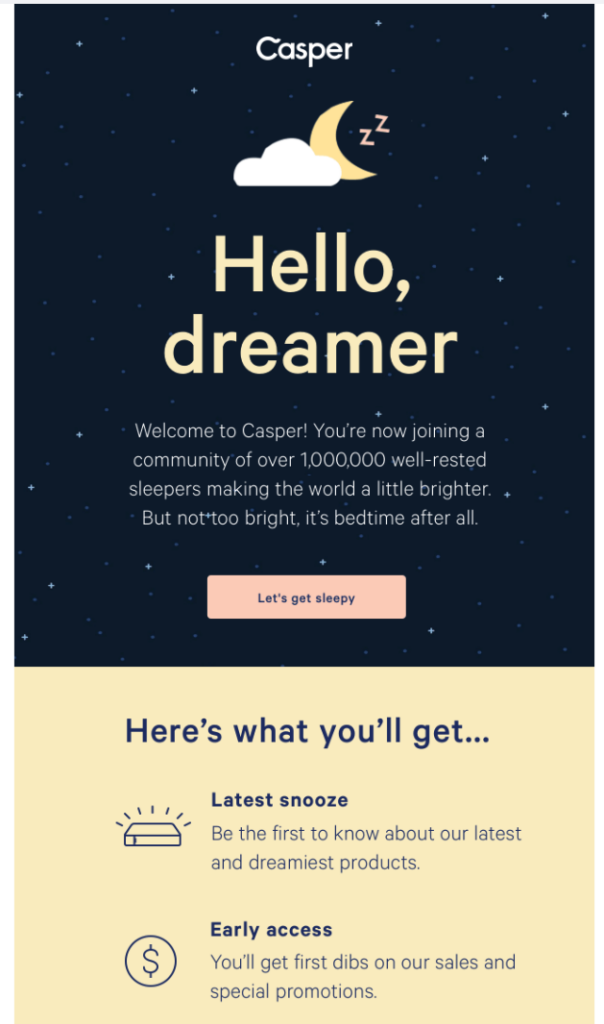
What It Is: The welcome email is the inaugural message a new subscriber receives immediately after opting into a mailing list. It is an automatically triggered communication, signifying the official commencement of a brand-subscriber relationship.
Why It Matters for Your Business: This initial interaction is arguably the most crucial. Welcome emails consistently boast exceptionally high open rates, frequently exceeding 50%—a remarkable two to three times the average for typical promotional emails. At this juncture, the subscriber has actively expressed interest, and their attention is at its peak. Wasting this critical window with a generic "thanks for signing up" is a squandered opportunity. A compelling welcome sets the tone for future interactions, impacting customer lifetime value (CLTV) from the outset. Industry data often indicates that engaged new subscribers are significantly more likely to convert and remain loyal.
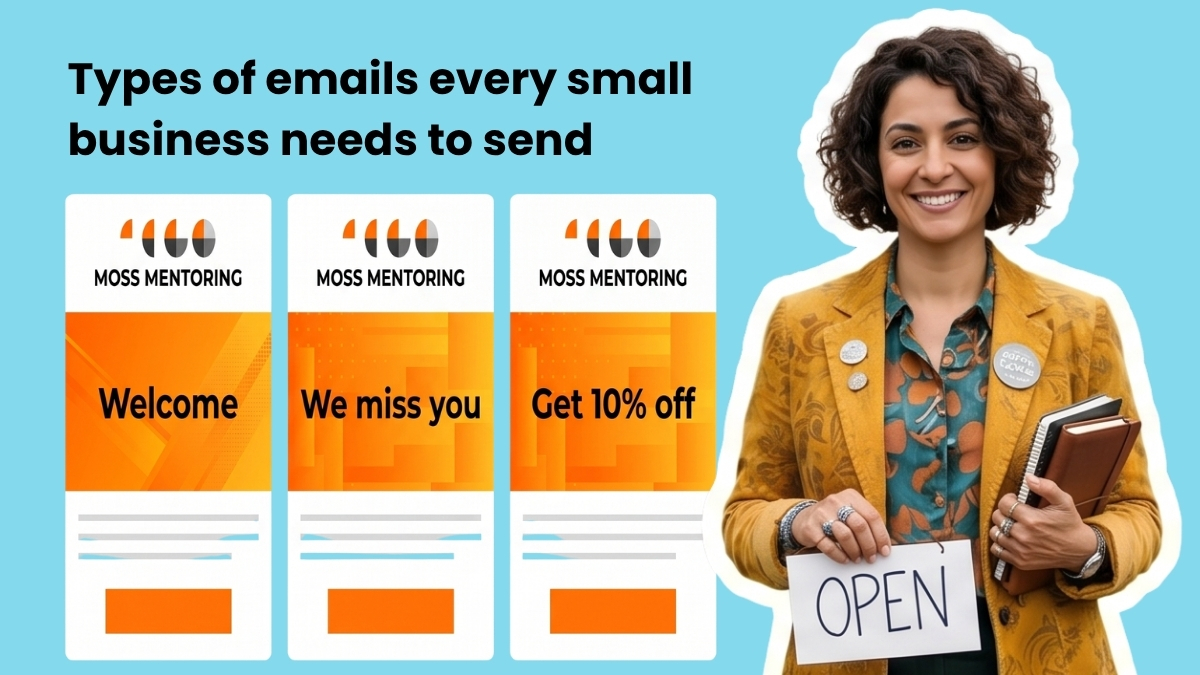
How to Get Results From It: The key is to deliver immediate value. This could manifest as an exclusive discount, access to a premium piece of content, a valuable free resource, or a clear outline of what subscribers can expect from future communications. Crucially, inviting a direct reply in the welcome email can profoundly impact both relationship building and deliverability. When a subscriber responds, it signals to email service providers (ISPs) that your emails are valued, thereby improving your sender reputation. For enhanced results, a three-email welcome sequence is often recommended. The first email fulfills the initial promise (e.g., delivers a lead magnet), the second provides additional useful content, and the third introduces a soft offer, allowing the subscriber to become familiar with the brand’s identity and value proposition. Timing is paramount: the welcome email should be sent within one hour of sign-up, as engagement drops sharply thereafter.
Can You Automate This? Absolutely. Welcome emails are inherently automated, triggered the instant a new subscriber joins your list. Manual sending is counterproductive to their core purpose of immediate engagement.
2. The Newsletter: Building Consistent Connection and Authority
What It Is: A newsletter is a regularly scheduled email designed to maintain an ongoing connection with your audience between specific campaigns. It typically features original perspectives, curated content, behind-the-scenes updates, or a blend of these elements, delivered on a predictable schedule.
Why It Matters for Your Business: The newsletter functions as the strategic engine that amplifies the effectiveness of all other email communications. Subscribers who regularly engage with your newsletter are demonstrably more likely to open promotional emails, click on launch announcements, and ultimately convert. AWeber’s research highlights that 54% of small businesses dispatch newsletters at least weekly, underscoring the importance of consistent scheduling in training subscribers to anticipate and value your communications. This predictability fosters loyalty and strengthens the brand-subscriber bond.
How to Get Results From It: The most successful newsletters are not those with the most elaborate designs, but rather those that convey a genuine, unique point of view. As Emmy Award-winning producer Paula Rizzo aptly notes, "There are things that I only really share first with my newsletter. It’s that intimate thing." This intimacy, derived from exclusive insights and personal perspectives, is the true value proposition. Focusing on a single, compelling topic per issue, starting with the core insight, and writing as if addressing a single individual rather than a vast list, can dramatically enhance engagement. Maintaining a consistent delivery schedule, such as the same day each week, further reinforces predictability and loyalty.
Can You Automate This? While many newsletters are crafted manually to preserve the human touch, automation options exist. For content creators publishing regular blog posts or YouTube videos, RSS-to-email automation can automatically dispatch the latest updates. AWeber’s Newsletter Assistant, an AI-powered tool, can also generate a weekly newsletter in your brand’s voice, offering a customizable starting point for busy marketers. However, for newsletters driven by unique perspective and thought leadership, manual input often yields superior results.
3. The Promotional Email: Driving Direct Revenue with Precision
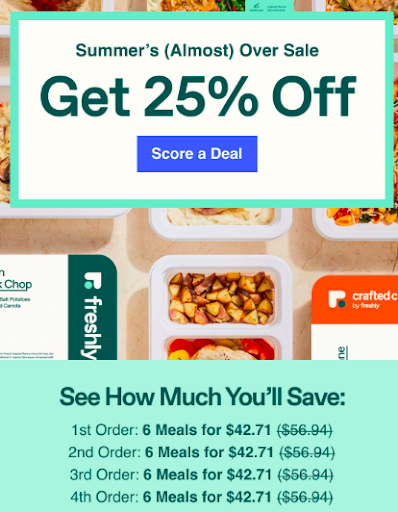
What It Is: A promotional email is a targeted communication announcing a specific offer, sale, discount, or limited-time opportunity. Its primary objective is to incite a particular action before a defined deadline.
Why It Matters for Your Business: When executed strategically, promotional emails are among the most potent direct revenue drivers. Conversely, poorly conceived or excessively frequent promotional sends can erode subscriber trust and lead to apathy. The challenge lies in balancing the urgency of an offer with the long-term goal of maintaining a healthy, engaged list. The effectiveness of these emails hinges on their perceived value and relevance to the recipient.
How to Get Results From It: Successful promotional emails are characterized by singular focus: one clear offer, one unambiguous deadline, and one direct call to action. Simplicity and clarity are paramount. If an offer genuinely provides value, a straightforward email will convert. If the copy becomes overly elaborate to justify the promotion, it often signals an issue with the offer itself, not the email. Segmentation and tagging are crucial for maximizing impact. Sending the right promotion to the right segment of your list consistently outperforms mass broadcasts. For instance, a subscriber who previously engaged with hiking gear content is a more suitable target for a trail shoe promotion than someone interested only in casual footwear. Limiting promotional emails to a handful per month is advisable; each send consumes a measure of subscriber trust, an account that is not unlimited.
Can You Automate This? Generally, promotional emails are manually deployed due to their ties to specific dates, campaigns, or inventory decisions requiring human judgment. An exception is a post-signup promotional offer, such as an introductory discount, which can and should be integrated into an automated welcome sequence.
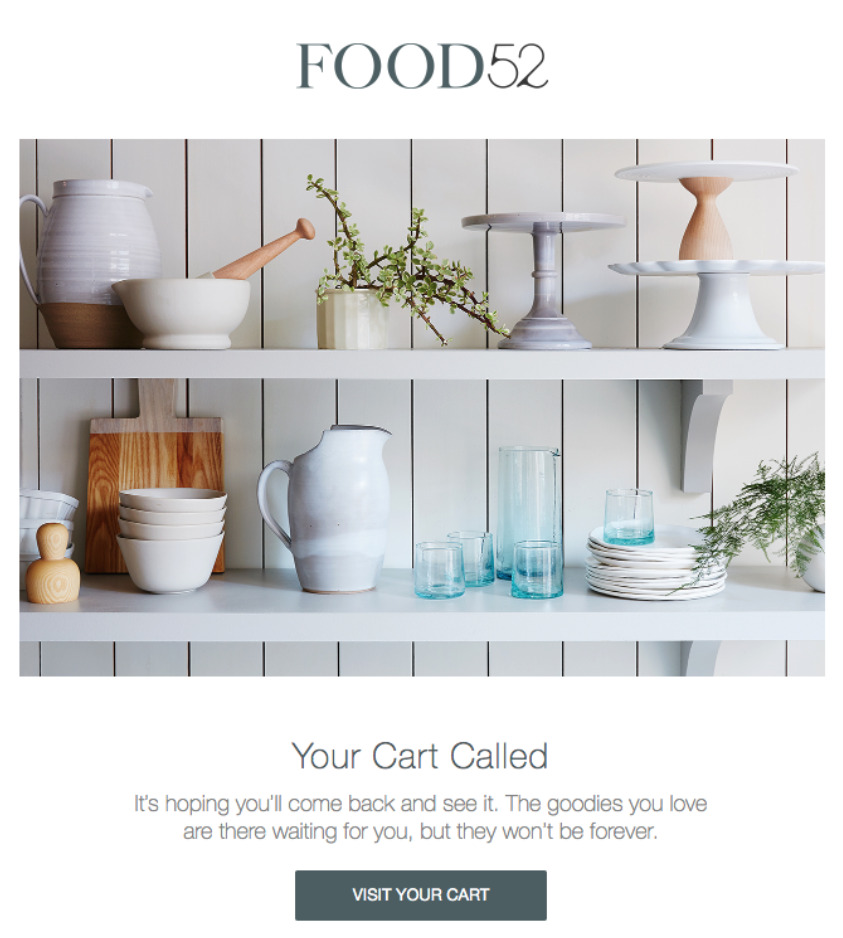
4. The Abandoned Cart Email: Recovering Lost Opportunities
What It Is: An abandoned cart email is an automated message sent to a customer who has added items to their online shopping cart but exited the website without completing the purchase. This email is triggered automatically by the recorded action of cart abandonment.
Why It Matters for Your Business: The statistics are striking: approximately seven out of ten online shoppers abandon their carts before completing a purchase. This represents not a definitive lost sale, but rather a paused transaction. Common reasons for abandonment include unexpected shipping costs, distractions, or lingering doubts. An abandoned cart email serves as a timely intervention, addressing these hesitations before the customer seeks alternatives. For e-commerce businesses, this automation consistently delivers one of the highest returns on investment.
How to Get Results From It: While a single reminder can recover some revenue, a strategic sequence of three emails significantly enhances recovery rates. The first email, sent within one to two hours, should be a simple, non-aggressive reminder featuring the product image, without immediately offering a discount (many customers simply forgot). The second email, sent around 24 hours later, should address common objections, such as clarifying shipping costs, highlighting return policies, or featuring positive customer reviews. The discount, if offered, should typically be reserved for the third email, sent at the 72-hour mark, providing a final incentive. The most effective abandoned cart emails frame the interaction as a helpful conversation rather than a chase, aiming to understand and resolve the customer’s initial hesitation.
Can You Automate This? Absolutely. This is a prime candidate for automation. Integration between your email service provider (like AWeber) and your e-commerce platform (e.g., WooCommerce) allows for the seamless, automatic triggering of these emails when a customer adds items to their cart but fails to check out.
5. The Re-engagement Email: Safeguarding Deliverability and List Health
What It Is: A re-engagement email is a targeted message sent to subscribers who have become inactive, typically defined as six months without opening or clicking an email. Its purpose is to directly ascertain whether they still wish to receive communications.
Why It Matters for Your Business: Every email list naturally accumulates cold or inactive subscribers. If left unaddressed, these dormant contacts can negatively impact your overall deliverability, dragging down open rates for your entire list, including your most engaged subscribers. A re-engagement sequence is a proactive measure to protect your sender reputation before it causes widespread damage. A smaller, highly engaged list consistently outperforms a large, disengaged one in terms of both deliverability and conversion.
How to Get Results From It: Directness and honesty are crucial. A message like, "We haven’t heard from you in a while and don’t want to keep filling your inbox if you’ve moved on," is far more effective than manufactured urgency. Offer two clear options: to remain subscribed and receive something valuable (e.g., an exclusive offer, new content), or to easily unsubscribe. Subscribers who choose to stay after a re-engagement campaign are often among your most valuable, as their re-opt-in is a deliberate act of renewed interest. Crucially, remove those who do not respond; this action will immediately improve your open rates and sender reputation, leading to better overall email performance.
Can You Automate This? Yes. This sequence should be fully automated, triggered by an inactivity window defined within your email platform (e.g., 6 months with no opens or clicks). Once set up, the sequence runs automatically to maintain list hygiene.
6. The Transactional Email: Essential Information with Subtle Branding
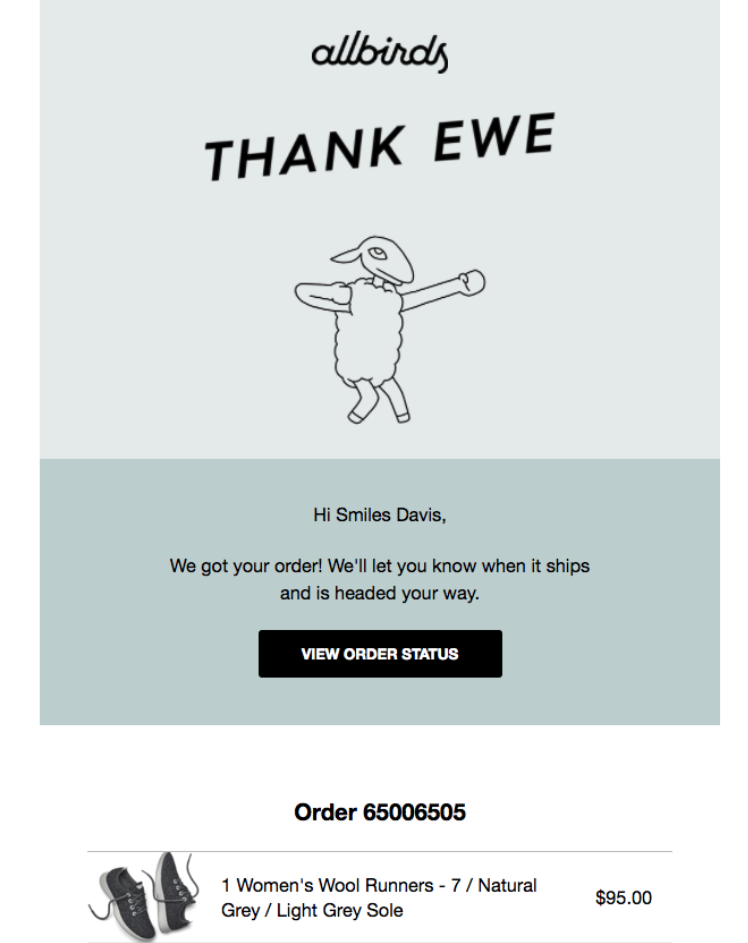
What It Is: Transactional emails are automated messages triggered by specific customer actions, such as a purchase confirmation, a booking confirmation, a password reset, or an account creation. Their primary function is to deliver critical information that the customer actively needs, rather than unsolicited marketing content.
Why It Matters for Your Business: Transactional emails consistently achieve open rates that promotional emails rarely match, often soaring above 50% or even higher. This is because customers are actively anticipating and searching for these messages the moment they arrive. They represent a unique opportunity to reinforce brand identity and subtly enhance the customer experience during a moment of high engagement.
How to Get Results From It: The core principle is to prioritize clarity and utility. Provide all necessary information upfront: confirmation details, next steps, and clear instructions on how to seek support. Below this essential content, a carefully placed, single additional element can be included—a relevant product recommendation, a note reinforcing their purchase decision, an invitation to a brand community, or a link to a useful resource. This addition should be brief and complementary, ensuring the transaction remains the central focus. The goal is to leverage a positive customer interaction to subtly deepen brand connection. Compliance with regulations like CAN-SPAM (in the US) and GDPR (in Europe) is vital, as transactional emails have different legal requirements than marketing emails.
Can You Automate This? Yes, without exception. Transactional emails are always triggered by specific customer actions and are never sent manually, ensuring immediate and accurate delivery of critical information.
7. The Lead Magnet Follow-Up Sequence: Nurturing New Prospects
What It Is: A lead magnet follow-up is an automated email sequence initiated when someone signs up for a free resource, such as an e-book, template, or guide. It delivers the promised asset and then systematically builds on that initial interaction through a short series of subsequent emails.
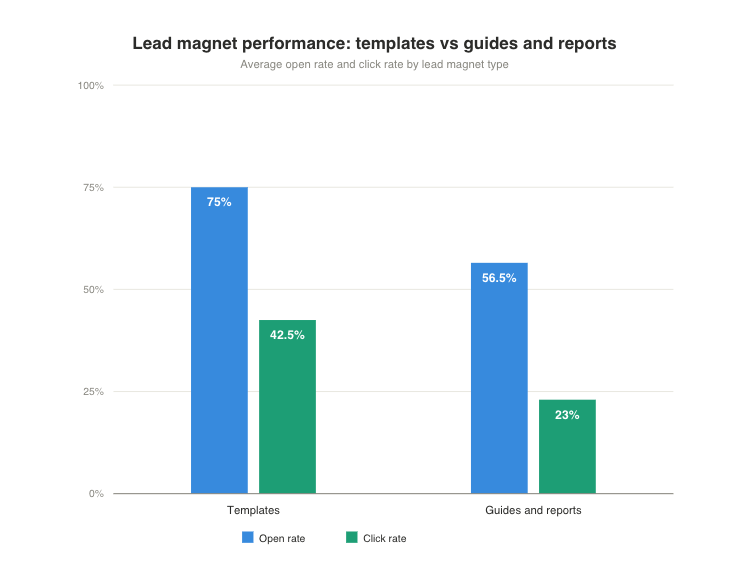
Why It Matters for Your Business: Lead magnets serve a dual purpose: they efficiently grow your email list and, when accompanied by a well-designed follow-up sequence, provide invaluable insights into each new subscriber’s specific interests. This allows for highly tailored future communications. AWeber’s analysis of over 42,000 lead magnet follow-up emails revealed that lead magnets offering immediate utility, such as templates, significantly outperform informational guides or reports in terms of engagement. Template-based lead magnets achieved an average 75% open rate and 42.5% click rate on the delivery email, compared to 56.5% and 23% for guides and reports, respectively. This data underscores the power of immediate, actionable value.
How to Get Results From It: The first email, containing the lead magnet, should be delivered instantly upon sign-up. This should be followed by two to four additional emails distributed over the subsequent two weeks. Each subsequent email should expand on the initial resource, offering supplementary useful content directly related to the lead magnet’s topic. This sequence serves to nurture the lead, establish expertise, and further qualify their interest, moving them closer to a potential conversion.
Can You Automate This? Absolutely. The entire lead magnet follow-up sequence is automated, triggered when a subscriber completes the lead magnet sign-up form.
8. The Product Launch Email: Orchestrating Anticipation and Conversion
What It Is: A product launch sequence is a curated series of emails designed to introduce a new product, service, or course to your audience, spanning the period before and after its official release.
Why It Matters for Your Business: While a single announcement email can generate some interest, a well-structured launch sequence consistently yields superior results. It strategically builds anticipation in the pre-launch phase, comprehensively presents the offering on launch day, and effectively recaptures interest from those who may have initially overlooked it before the sales window closes. For any significant new offering, a sequential approach maximizes visibility and conversion potential.
How to Get Results From It: Each email within the launch sequence has a distinct objective. A teaser email aims to pique curiosity without revealing all details. The primary launch email must address a core question for the recipient: "Why does this matter to me right now?" focusing on benefits rather than mere features. The final "last chance" email generates urgency, but this urgency should be authentic, tied to real deadlines or limited availability. A powerful strategy is to offer email subscribers early access (e.g., a 24-hour head start) before public announcements. This exclusive privilege costs nothing but generates significant goodwill and rewards loyal subscribers.
Can You Automate This? This is a hybrid. While individual emails can be pre-scheduled and sent automatically by your platform, the overarching writing, content decisions, and precise timing for a launch sequence typically require human oversight and strategic judgment. However, elements like a triggered "last chance" email for non-openers can be automated.
9. The Birthday and Milestone Email: Personalizing Loyalty
What It Is: A birthday or milestone email is an automated, personalized message sent on a date of personal significance to the subscriber, such as their birthday, subscription anniversary, or another trackable milestone.
Why It Matters for Your Business: These emails transcend the perception of a mass broadcast, feeling instead like a direct, personal communication. This shift in perception drives significantly higher open and click rates compared to most other email types. Acknowledging a subscriber’s anniversary on your list, for example, validates their sustained loyalty through numerous unsubscribe opportunities, fostering a deeper connection that positively influences engagement with all subsequent emails.
How to Get Results From It: The effectiveness of these emails is amplified when paired with a genuine gesture, such as an exclusive discount, early access to a product, or a unique piece of content. A purely congratulatory email can feel generic; one with a tangible offer transforms it into a meaningful interaction. To implement this, businesses need to collect the necessary data, either during the initial sign-up process or through a subsequent preferences update email sent to existing subscribers.
Can You Automate This? Yes. These emails are fully automated, triggered by a date field stored within the subscriber’s record. Once configured, they run annually without further manual intervention.
Strategic Implementation: Where to Begin
For businesses embarking on a journey of email diversification, the path to implementation should be incremental and strategic. The initial focus should be on the foundational, high-impact email types:
- Welcome Email: This is paramount for converting new interest into immediate engagement and setting the tone for the relationship.
- Newsletter: Establishing a consistent newsletter builds audience connection, trust, and makes all other emails more effective.
Once these two core components are robustly in place and delivering results, businesses can progressively layer in additional automations:
- Re-engagement automation: Essential for maintaining list health and deliverability.
- Abandoned cart sequence: A critical revenue recovery tool for e-commerce businesses.
Subsequently, as the business matures and its needs evolve, other specialized email types—such as lead magnet follow-ups, product launch sequences, and birthday/milestone emails—can be integrated. The most successful email programs are not necessarily the most complex, but rather those that consistently address every meaningful moment in the subscriber relationship with targeted, valuable communication.
Broader Impact and Implications
The strategic diversification of email marketing carries profound implications for small businesses in the competitive digital era. Beyond mere revenue generation, this approach fosters deeper customer relationships, cultivates enduring brand loyalty, and significantly enhances overall brand perception. In an environment where consumers are bombarded with information, personalized and timely emails cut through the noise, signaling that a brand understands and values its individual customers.
The continuous evolution of marketing automation platforms and the integration of artificial intelligence (like AWeber’s Newsletter Assistant) are making sophisticated email strategies increasingly accessible even for small businesses with limited marketing teams. These technological advancements empower businesses to scale their personalized communications, ensuring that the right message reaches the right person at the right time, without demanding constant manual oversight.
Looking ahead to 2026 and beyond, the emphasis on data-driven segmentation, hyper-personalization, and predictive analytics in email marketing will only intensify. Businesses that fail to adapt beyond the "megaphone" approach risk being left behind, struggling with diminishing returns from their email efforts and losing valuable customer attention to more agile, customer-centric competitors. The future of email marketing is not about sending more emails, but about sending smarter emails, strategically tailored to build relationships and drive value at every touchpoint. This shift from volume to value is the bedrock of sustainable digital growth.









