rifanmuazin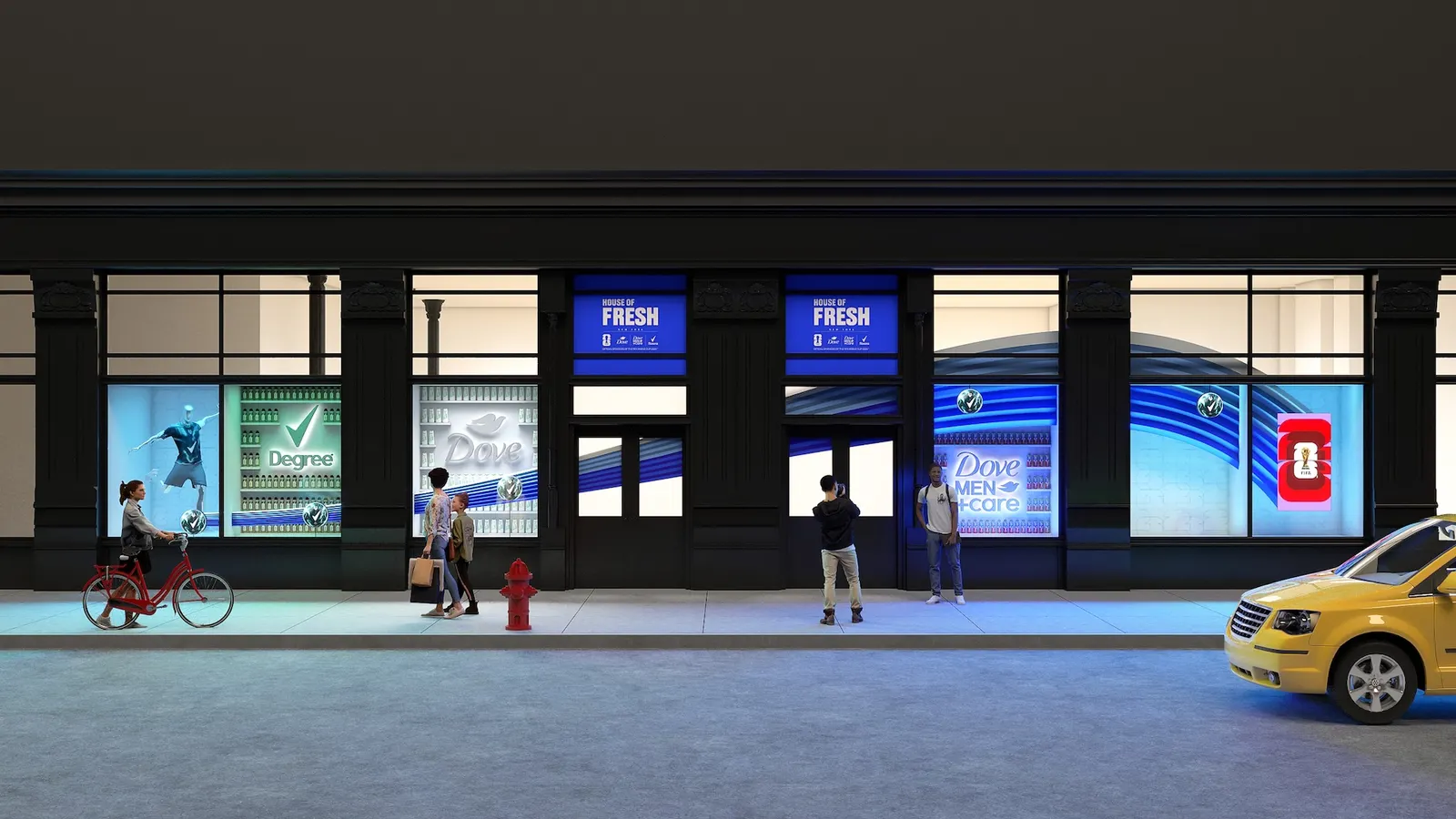
Unilever is poised to redefine sports marketing with its most significant partnership activation to date, centered around the 2026 FIFA World Cup. The consumer goods giant is leveraging a multifaceted strategy that includes extensive collaborations with a diverse array of global creators and the establishment of a continuously operating social content hub. This initiative underscores Unilever’s commitment to a social-first marketing approach, aiming to embed its brands deeply within the passionate fan culture surrounding one of the world’s most anticipated sporting events. The campaign’s expansive scope and innovative digital integration signal a strategic shift in how large corporations engage with major sporting tournaments, moving beyond traditional sponsorship to cultivate genuine cultural relevance and drive brand desire.
A Global Stage for Social-First Engagement
The 2026 FIFA World Cup, set to kick off on June 11, represents a critical proving ground for Unilever’s ambition to shift half of its digital marketing budget to social-first tactics. This monumental event, which is experiencing a significant surge in sponsorship activity, offers a rare opportunity for brands to connect with a global audience united by a shared passion. In an era marked by geopolitical complexities and economic uncertainties, the World Cup stands out as a unifying moment, though challenges related to ticket accessibility and fan engagement are also being closely monitored.
Afke van de Klashorst, Vice President of Integrated Brand Experience at Unilever Personal Care, articulated the company’s vision: “Our ambition is for our brands to show up in spaces where fandom lives and in ways that are authentic, native to social, and meaningful by bringing freshness and confidence to matchday moments that matter most for fans, players and spectators. This activation reflects how we’re engaging with sport not just as sponsorship, but as a platform to build brand desire and cultural relevance to drive superior growth.”
This strategic pivot was first detailed by Unilever CEO Fernando Fernandez in March of the previous year, where he outlined a vision for influencer presence in every ZIP code and municipality within key markets like Brazil and India. This philosophy is deeply embedded in the World Cup campaign, which will see dozens of Unilever’s brands collaborating with a broad spectrum of creators. These partners include not only those deeply immersed in sports fandom, sportscasters, and athletes, but also influential figures from the fashion, lifestyle, and beauty sectors worldwide. Prominent personal care brands such as Dove, Dove Men+Care, Rexona, Degree, Axe, and Lynx are at the forefront of this integrated effort.
The Locker Room: A 24/7 Content Engine
To maintain a constant presence and capitalize on the dynamic nature of the World Cup, Unilever is launching “The Locker Room,” a dedicated 24/7 content hub. This hub will be powered by a select group of creator partners, alongside sports and soccer experts, who will provide real-time commentary and analysis of World Cup developments. Their role is crucial in ensuring Unilever’s brands remain at the center of fan conversations throughout the tournament and beyond. The overarching objective of this campaign is to seamlessly merge the communal and shareable characteristics of social media with the profound emotional resonance of traditional television.
Sarah Potter, Influencer and Media Director at Unilever Personal Care, elaborated on the media strategy: “We will be using paid media to continually optimize our creator content to reach our audiences and extend content visibility throughout the tournament and beyond. We will be amplifying content across a range of platforms, such as TikTok and YouTube.” This approach signals a sophisticated understanding of digital media consumption, aiming to maximize reach and engagement across diverse platforms.
Experiential Marketing Meets Digital Storytelling
Complementing its robust digital strategy, Unilever is introducing “House of Fresh” experiential spaces in key host cities: Mexico City, New York, and Miami. These venues are meticulously designed to encourage user-generated content, further amplifying Unilever’s storytelling efforts and extending the reach of its campaign. The physical spaces are intended to become hubs for fan interaction and social sharing, transforming attendees into brand advocates.
Unilever’s investment in sports marketing has seen a significant escalation. The company’s expenditure on sports marketing in the U.S. approximately doubled between 2024 and the preceding year, with the World Cup serving as another significant avenue for increased investment. The CPG giant views the widespread engagement surrounding the World Cup as a clear indicator of the evolving marketing landscape. This shift is moving away from a “one-to-many” broadcast model towards a “many-to-many” approach, enabling brands to connect with a more diverse consumer base across various occasions and platforms, transcending the limitations of linear television.
Strategic Restructuring and Leadership Evolution
This ambitious activation unfolds against a backdrop of significant corporate restructuring at Unilever. The company has recently undertaken a strategic divestment of its food and ice cream businesses, alongside a retooling of its executive leadership. Esi Eggleston Bracey, the former Chief Growth and Marketing Officer, departed earlier this year. Leandro Barreto, who previously served as CMO of Unilever Beauty & Wellbeing, has assumed the top marketing role, bringing a wealth of experience in brand-building and consumer engagement to this critical juncture.

This strategic repositioning of Unilever’s business units and leadership team underscores a broader commitment to agility and growth in a rapidly changing global market. The company’s focus on integrating innovation, consumer insights, and impactful marketing campaigns, particularly within the high-stakes environment of a global sporting event like the FIFA World Cup, is a testament to its forward-looking strategy.
The Broader Context of the 2026 FIFA World Cup
The 2026 FIFA World Cup marks a historic occasion as it will be jointly hosted by three North American nations: Canada, Mexico, and the United States. This marks the first time the tournament will feature an expanded format with 48 teams, significantly increasing the global participation and viewership. The event is projected to be the most widely attended and viewed World Cup in history, with an estimated global audience of over 5 billion people.
The tournament’s unprecedented scale presents a colossal opportunity for brands to connect with consumers on a global scale. Sponsorships for the 2026 World Cup have reached record levels, reflecting the immense commercial value and cultural impact of the event. Brands are vying for visibility, seeking to align themselves with the passion, excitement, and unifying power of international football. This environment necessitates innovative marketing approaches that can cut through the noise and resonate authentically with diverse fan bases.
Unilever’s strategy acknowledges the evolving media consumption habits of global audiences. The proliferation of social media platforms and the rise of influencer marketing have fundamentally altered how consumers engage with brands and sporting events. By embracing a social-first approach, Unilever aims to meet fans where they are, fostering deeper connections through relatable content and interactive experiences. The emphasis on creators who can speak the language of their respective communities, whether through humor, expertise, or authentic fandom, is key to building trust and driving engagement.
The “House of Fresh” concept also taps into the growing trend of experiential marketing, where brands create immersive environments that allow consumers to interact with products and build memorable associations. In the context of the World Cup, these spaces serve as physical manifestations of the “freshness and confidence” that Unilever’s brands aim to embody, providing tangible touchpoints for fans to connect with the brand narrative.

Furthermore, the integration of paid media to optimize creator content highlights a sophisticated understanding of the digital marketing ecosystem. By strategically amplifying successful content, Unilever can ensure its message reaches a wider audience and maintains momentum throughout the tournament. This data-driven approach allows for continuous adaptation and refinement of campaign strategies, maximizing return on investment.
The implications of Unilever’s strategy extend beyond its own brand portfolio. Its success could serve as a blueprint for other large consumer goods companies looking to navigate the complexities of modern marketing. By demonstrating the efficacy of a social-first, creator-driven approach in a high-stakes global event, Unilever is pushing the boundaries of sports marketing and setting new benchmarks for brand engagement in the digital age. The company’s ability to weave together digital innovation, authentic creator collaborations, and impactful real-world experiences will be a critical determinant of its success in capturing the attention and loyalty of billions of football fans worldwide.
The financial projections for the 2026 FIFA World Cup are staggering. FIFA anticipates generating over $11 billion in revenue from the tournament, a significant portion of which will be derived from broadcasting rights and sponsorships. This economic backdrop underscores the immense competitive landscape that Unilever is entering. Brands are investing heavily, and the ability to differentiate and create meaningful connections is paramount. Unilever’s focus on authentic storytelling and community building through its creator network and experiential activations is designed to achieve precisely this.
The chosen host cities—Mexico City, New York, and Miami—represent diverse and vibrant markets with passionate football fan bases. These locations offer a strategic advantage in reaching a broad spectrum of consumers and capitalizing on the cultural significance of the World Cup in North America. The “House of Fresh” activations in these cities are strategically positioned to generate buzz and encourage organic social sharing, creating a ripple effect that extends far beyond the physical spaces themselves.
In conclusion, Unilever’s comprehensive strategy for the 2026 FIFA World Cup is a bold declaration of its commitment to innovation in sports marketing. By embracing a social-first ethos, fostering global creator partnerships, and creating engaging experiential activations, the company is not only aiming to enhance brand visibility but also to build lasting relationships with consumers. This multifaceted approach, underpinned by a deep understanding of digital trends and fan culture, positions Unilever to achieve unprecedented success on one of the world’s grandest sporting stages. The company’s ability to adapt and thrive in this dynamic environment will undoubtedly be a key indicator of its future growth and market leadership.