

The digital realm is awash with content, a ceaseless torrent of articles, blog posts, and marketing materials designed to engage and inform. Yet, a growing sentiment among online consumers suggests a subtle, yet significant, shift in how this content is perceived. The experience is often described as encountering a website where, despite grammatically sound sentences and polished structures, a pervasive sense of flatness and interchangeability emerges. This "sameness," once a mere annoyance, is now recognized as a direct consequence of the proliferation of Artificial Intelligence (AI) tools in content generation, leading to a tangible erosion of reader trust.
This phenomenon is not an accidental byproduct but a predictable outcome of advanced AI capabilities. As marketers and content creators leverage AI for unprecedented scale and speed, the very efficiency that makes these tools attractive also risks diluting the unique voice and authenticity that builds genuine connections with an audience. The consequence is a landscape where content, while technically correct, feels generic, predictable, and easily dismissible. This erosion of trust is a critical concern, impacting everything from brand perception to conversion rates. Readers may not always articulate precisely what feels "off," but they intuitively adjust their level of trust based on the perceived authenticity and originality of the information presented. When content feels templated or lacks a distinct perspective, it signals a lack of genuine engagement and understanding, ultimately undermining credibility.
This article delves into the subtle indicators that betray AI-generated content, explores what readers truly value and trust in written materials, and provides a framework for auditing existing content to ensure it stands out in an increasingly homogeneous digital space.
Red Flags: Identifying AI-Generated Content
The proliferation of AI in content creation has amplified a pre-existing challenge in digital marketing: the struggle to create content that resonates and converts. When every piece of content feels familiar and lacks distinctiveness, engagement falters. AI exacerbates this by smoothing over unique stylistic elements, creating a polished facade that often sacrifices clarity, specificity, and genuine intent.
It is crucial to note that these are signals, not definitive proofs, of AI generation. AI models learn by analyzing vast datasets of human-written content, meaning many of these patterns can appear in human writing as well. The distinction lies in the frequency and clustering of these indicators. When multiple such signs appear in close succession, the resulting content begins to feel generic, a hallmark of AI’s tendency to optimize for predictable outputs.
1. Monotonous Sentence Rhythm
What it looks like: A succession of sentences exhibiting similar lengths, structures, and pacing, creating a predictable and unvarying flow.
Why it appears in AI writing: AI models are programmed to favor predictable patterns, and consistent sentence construction is a safe and common output. This optimization for predictability can lead to a lack of variation.

What it signals to readers: This content likely lacks intentionality and feels assembled rather than thoughtfully crafted. It suggests a process of pre-packaging and arrangement, akin to following a rigid blueprint.
What to do instead: Employ a variety of sentence structures. Mix short, punchy sentences with longer, more complex ones. Vary the starting words of sentences and introduce subordinate clauses and phrases to create a more dynamic and engaging rhythm. For example, instead of "The product offers many benefits. It improves efficiency. It saves time. It reduces costs," consider "This product is a game-changer, not only improving efficiency but also delivering significant time and cost savings."
2. Disconnected List Items
What it looks like: A list where each point feels independent and interchangeable, with no discernible progression or logical flow between them. Rearranging the items would not alter the overall message or impact.
Why it appears in AI writing: AI often generates list items in isolation, focusing on providing distinct points rather than developing a cohesive, sequential argument or narrative.
What it signals to readers: A lack of coherent thinking or strategic structuring behind the content. It suggests that the points were generated independently rather than as part of a larger, integrated idea.
What to do instead: Ensure list items build upon each other, create a logical sequence (e.g., chronological, step-by-step), or offer complementary perspectives that enhance a central theme. Each point should contribute to a greater whole, making their order meaningful.
3. Unqualified Claims
What it looks like: Broad, sweeping promises that lack specific boundaries, conditions, or acknowledgment of potential tradeoffs.
Why it appears in AI writing: AI tends to default to safe generalizations, avoiding specificity unless explicitly prompted. It prioritizes broadly applicable statements over nuanced ones.

What it signals to readers: Low credibility. When everything sounds universally achievable, nothing feels genuinely believable. Such claims often lack the grounding of real-world experience.
What to do instead: Introduce constraints, specific outcomes, or acknowledge potential limitations. For instance, instead of "Our service guarantees success," opt for "Our service has helped 95% of clients achieve a 20% increase in conversions within six months." This specificity adds realism and builds trust.
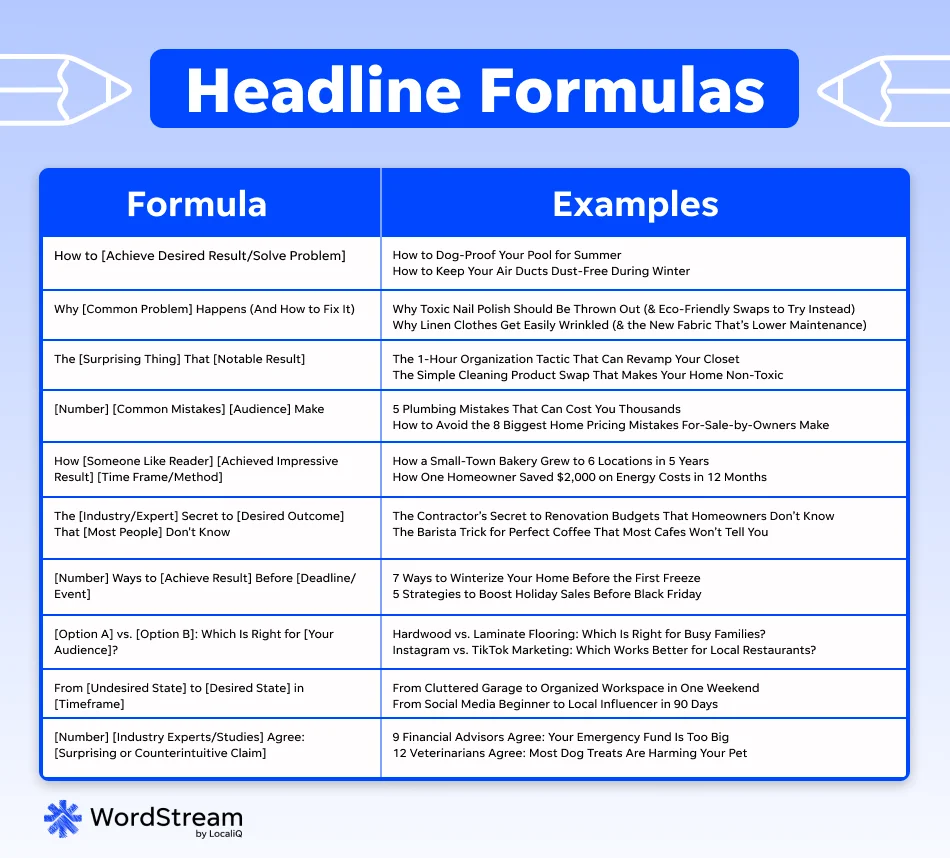
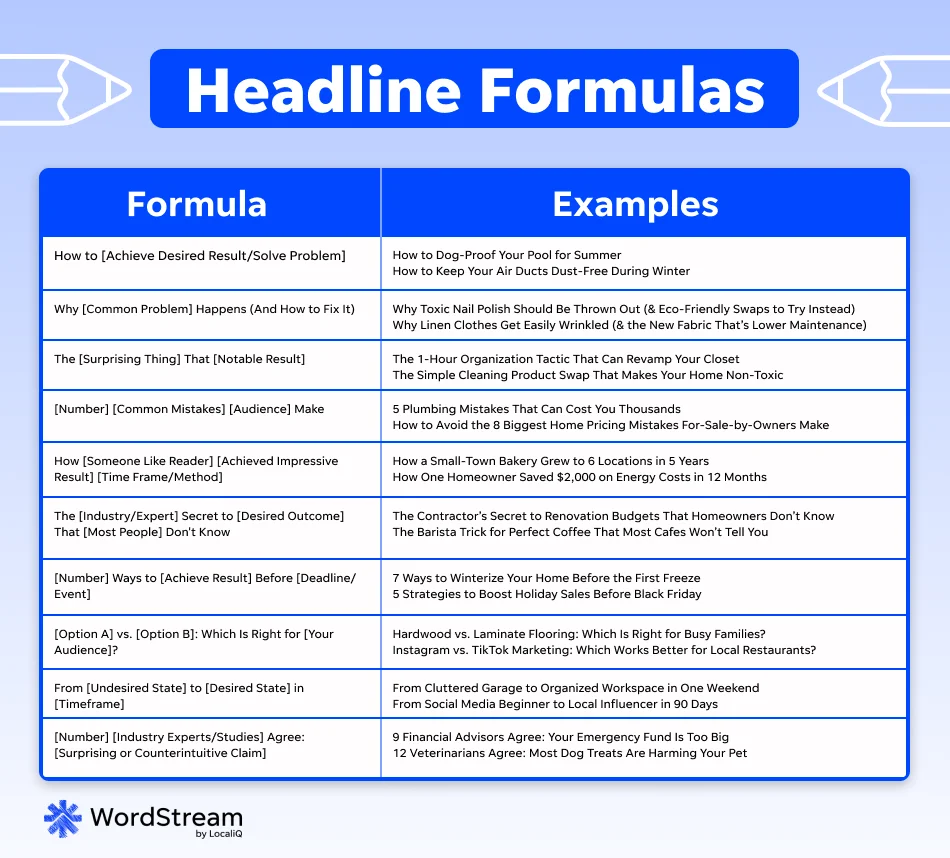
4. Generic Headlines
What it looks like: Headlines that are bland, uninspired, and could plausibly apply to a multitude of competitors or industries without losing their core meaning.
Why it appears in AI writing: AI draws from common headline patterns found across vast amounts of online data, leading to outputs that are statistically probable but lack distinctiveness.
What it signals to readers: A lack of differentiation and a general sense of "meh." It suggests the content has not been tailored to a specific audience or unique value proposition.
What to do instead: Craft headlines that are specific, intriguing, and uncopyable. Incorporate unique data points, a strong benefit, or a provocative question that directly relates to your specific offering and target audience.
5. Absence of Concrete Examples
What it looks like: A page filled with assertions and claims but lacking any tangible, real-world examples to substantiate them.
Why it appears in AI writing: Providing specific examples often requires contextual understanding and domain expertise that AI may not possess unless specifically trained or prompted. It defaults to abstract concepts.

What it signals to readers: The content may not be well-researched or grounded in practical application. It can create a perception that the information is theoretical rather than tested or experienced.
What to do instead: Integrate case studies, testimonials, real-world scenarios, or detailed illustrations that demonstrate the points being made. For example, a real estate agent might use a specific listing to illustrate market trends.
6. Uniform Emphasis
What it looks like: Every benefit, feature, or claim is presented with the same level of importance, leading to a lack of clear hierarchy or prioritization.
Why it appears in AI writing: AI models do not inherently possess the ability to prioritize information based on strategic importance. They tend to expand on ideas evenly, treating all points with similar weight.
What it signals to readers: A lack of strategic insight into what truly matters to the audience. It suggests the content creator hasn’t identified or communicated the most critical value propositions.
What to do instead: Clearly distinguish and emphasize key benefits or features. Use formatting, introductory phrases, or dedicated sections to highlight what is most important to the reader, guiding their attention effectively.
7. Repetitive Ideas
What it looks like: Multiple sentences or paragraphs that essentially convey the same idea, perhaps with slight variations in wording, without adding new information or depth.
Why it appears in AI writing: AI often expands on concepts to ensure thoroughness, sometimes resorting to paraphrasing or restating the same point in slightly different ways to achieve a desired word count or sense of completeness.
What it signals to readers: Filler content that doesn’t contribute meaningfully to the reader’s understanding. It can feel like the content is padding itself out rather than providing concise information.
What to do instead: Ruthlessly edit for redundancy. Ensure each sentence and paragraph introduces new information, builds upon previous points, or offers a distinct perspective. If an idea can be stated more concisely, do so.
8. Lack of Nuance or Tension
What it looks like: Content that presents an exclusively positive outlook, avoiding any mention of limitations, challenges, or potential downsides.
Why it appears in AI writing: AI is generally programmed to avoid negative framing unless specifically instructed, opting for a universally positive and uncontroversial tone.
What it signals to readers: Unrealistic portrayals that lack authenticity. Acknowledging potential difficulties or tradeoffs can actually enhance credibility by demonstrating a comprehensive understanding of the subject matter.
What to do instead: Introduce balanced perspectives. Discuss potential challenges, alternative approaches, or the conditions under which certain outcomes might be more or less likely. This demonstrates a more sophisticated and trustworthy understanding.
9. Vague Calls to Action (CTAs)
What it looks like: Buttons or prompts that are ambiguous, requiring the reader to interpret what action they should take next (e.g., "Learn More").
Why it appears in AI writing: Generic CTAs are prevalent in AI training data, and without specific prompting, AI may default to these common, less effective phrases.

What it signals to readers: Uncertainty and potential friction. Readers are left guessing about the immediate next step, which can lead to hesitation or abandonment.
What to do instead: Use clear, action-oriented CTAs that explicitly state the benefit or outcome of clicking. For example, instead of "Submit," try "Download Your Free Guide" or "Get a Custom Quote Today."
10. Avoidance of Specifics
What it looks like: Content that lacks concrete numbers, timelines, verifiable proof, or specific, measurable outcomes.
Why it appears in AI writing: Specific data and outcomes require grounding in real-world facts and sources. AI, in its default state, tends to operate in abstractions.
What it signals to readers: Low confidence and a potential lack of substantiation. It suggests the claims made may not be empirically supported.
What to do instead: Incorporate data, statistics, specific timelines, customer success metrics, and other quantifiable evidence to support claims. Precision builds authority.
11. Generic Phrasing
What it looks like: The use of familiar, often overused phrases that sound plausible but do not add significant clarity or convey specific meaning.
Why it appears in AI writing: AI draws heavily on common language patterns found across numerous sources, leading it to employ widely recognized but often unoriginal phrasing.

What it signals to readers: A reliance on language to convey meaning rather than genuine insight or thought. It suggests a superficial understanding of the topic.
What to do instead: Prioritize clarity and specificity. Replace jargon or clichés with precise language that directly communicates your intended message. Focus on conveying unique ideas rather than relying on familiar linguistic shortcuts.
12. Over-Explanation of Simple Concepts
What it looks like: Basic ideas that could be explained concisely are instead elongated across multiple sentences, often using unnecessary words or convoluted phrasing, as if to inflate the perceived complexity or importance of the concept.
Why it appears in AI writing: AI models often aim for comprehensiveness, which can lead to over-elaboration even when a simple explanation would suffice. This can sometimes be an attempt to sound more authoritative or detailed.
What it signals to readers: An attempt to sound intelligent rather than to be genuinely helpful or efficient. It can feel condescending or inefficient.
What to do instead: Strive for conciseness and clarity. Explain concepts directly and efficiently. Trust that your audience can grasp straightforward ideas without excessive preamble or elaboration.
13. Lack of Visible Reasoning
What it looks like: Content that presents conclusions or recommendations without outlining the thought process or evidence that led to them.
Why it appears in AI writing: AI typically provides results or answers, not the step-by-step reasoning behind them, unless specifically prompted to detail its process.

What it signals to readers: A lack of depth and critical thinking. It can make the information feel less authoritative and more like a data dump.
What to do instead: Show your work. Explain the rationale behind your conclusions, present the evidence that supports your arguments, and outline the logical steps you followed. This transparency builds trust and demonstrates expertise.
14. Anonymity of Voice
What it looks like: Content that lacks any discernible point of view, personal experience, original thought, distinct voice, or inherent constraints that would suggest a human author.
Why it appears in AI writing: AI synthesizes information from a broad range of sources, making it difficult to commit to a single, unique perspective or voice. It aims for general consensus rather than individual expression.
What it signals to readers: A lack of ownership and accountability. The content feels detached and impersonal, as if no individual stands behind it.
What to do instead: Infuse your content with your unique perspective, experiences, and personality. Embrace your brand’s voice and values. This human element makes content relatable and memorable.
What Readers Trust: The Pillars of Credible Content
In contrast to the pitfalls of AI-generated content, readers are drawn to and trust material that exhibits specific qualities, signaling genuine thought and effort. This trust is built on a foundation of perceived authenticity and value.
Specificity and Measurable Outcomes
When content makes clear, specific claims with defined scopes and measurable results, it conveys that there is substance behind the words. Instead of vague promises of "improvement," readers can see concrete changes and understand the magnitude of those changes. This precision grounds the information in reality and makes it more believable.

Demonstrable Thinking
Readers trust content that shows the underlying logic. This doesn’t necessitate lengthy, complex explanations, but rather an evident understanding of why something works, not just that it works. Intentionality in the writing, even if subtle, signals that the author has engaged deeply with the subject matter.
Evidenced Effort
There’s a discernible difference between content that feels generated and content that feels written. While AI can produce grammatically perfect sentences, it often struggles to convey genuine judgment or the nuance that comes from human experience. Content that feels like someone took the time to think it through, to select their words carefully, and to structure their thoughts logically, builds a stronger sense of trust.
Quality and Precision
Clear language, not necessarily complex prose, signals clear thinking. Precision in word choice and sentence construction conveys that the author has a firm grasp on the subject and is communicating it effectively and efficiently. This focus on clarity over verbosity is a hallmark of trustworthy content.
Content Audit: Identifying and Rectifying AI-Like Qualities
A brief, five-minute audit can help identify content that may be inadvertently exhibiting AI-like characteristics. Focusing on one page at a time can make the process manageable.
| If your content… | People assume… | Fix it by… |
|---|---|---|
| Repeats the same sentence rhythm | It was generated or templated | Rewrite one section without referencing others. |
| Avoids specifics | You’re unsure or overselling | Add one measurable outcome. |
| Sounds perfectly polished everywhere | It lacks a real voice | Introduce variation in tone and structure. |
| Makes broad claims without limits | It’s marketing filler | Add constraints or tradeoffs. |
| Uses interchangeable headlines | You’re not differentiated | Rewrite one headline to be uncopyable. |
Standing Out in the Age of AI
AI has not invented generic marketing copy; it has merely democratized its creation, making it easier and faster to produce. This proliferation has, paradoxically, made it harder for truly distinctive content to stand out. As audiences encounter more interchangeable content, they increasingly rely on subtle signals to discern what is trustworthy.
The strategic imperative for content creators is to shift focus from sheer volume to intrinsic quality. Content should not aim to compete with AI’s output in terms of quantity but rather to emanate from a human source, demonstrating deliberate thought and genuine effort. This is the path to winning reader trust and engagement in the current digital landscape.
Recap of 14 Signs Your Content Might Sound Like It Was Written by AI (and how to avoid them):
- Monotonous Sentence Rhythm: Vary sentence length and structure for dynamic flow.
- Disconnected List Items: Ensure list points build logically or offer complementary insights.
- Unqualified Claims: Ground claims with specific data, constraints, or potential tradeoffs.
- Generic Headlines: Craft headlines that are specific, intriguing, and uncopyable.
- Absence of Concrete Examples: Integrate real-world scenarios, case studies, or data to illustrate points.
- Uniform Emphasis: Clearly prioritize and highlight key benefits or features.
- Repetitive Ideas: Edit for conciseness and ensure each point adds new information.
- Lack of Nuance or Tension: Introduce balanced perspectives and acknowledge potential challenges.
- Vague Calls to Action (CTAs): Use clear, action-oriented CTAs that state the outcome.
- Avoidance of Specifics: Incorporate numbers, timelines, and measurable results.
- Generic Phrasing: Prioritize precise language over clichés and overused phrases.
- Over-Explanation of Simple Concepts: Strive for conciseness and direct communication.
- Lack of Visible Reasoning: Show the logic and evidence behind your conclusions.
- Anonymity of Voice: Infuse content with your unique perspective, experience, and brand voice.
By understanding these signals and focusing on the qualities that build reader trust, content creators can ensure their work stands out, resonates, and ultimately achieves its intended purpose in an increasingly AI-influenced world. The future of compelling content lies not in automation alone, but in the intelligent integration of AI tools to augment, not replace, human insight, creativity, and authentic connection.









