The strategic imperative of identifying and engaging a target audience has long been a cornerstone of effective marketing. This concept, fundamental to reaching consumers, encompasses a spectrum of approaches: behavioral segmentation, psychographic profiling, demographic analysis, and geographic targeting. However, as the digital age evolves, a critical dimension has emerged: understanding generational nuances and tailoring communication accordingly. This series, "Marketing to Generations," aims to dissect the digital marketing strategies necessary to connect with Gen Z (born 1995-2010), Millennials (1980-1994), Gen X (1960-1979), and Baby Boomers (1940-1959). The objective is to equip marketers with the insights needed to ensure their messages resonate with the right audiences on the appropriate platforms.
This inaugural installment focuses on the youngest cohort entering the consumer and workforce landscape: Generation Z.
Generation Z, often discussed as a contemporary buzzword, is characterized by a unique set of experiences and perspectives. Stereotypes abound, painting them as trend-driven, digitally native, and possessing a distinct sense of humor. For older generations, it is a familiar narrative to perceive the emerging cohort as a "hot mess." However, as a member of Generation Z, this author offers an insider’s perspective on this demographic, aiming to demystify their mindset and consumption habits.
The Gen Z Mindset: Forged in a Digital and Turbulent World
Generation Z stands as the first truly digital native generation. Their formative years were intertwined with ubiquitous access to smartphones, computers, and the internet. This constant connectivity has shaped their worldview in profound ways. They are the first generation to come of age in the post-9/11 era, many witnessed their parents navigate the economic fallout of the Great Recession, and their transition into higher education and the workforce has been marked by the unprecedented global pandemic.
These collective experiences have cultivated a generation that is remarkably realistic, open-minded, and pragmatic. Their digital fluency is unparalleled; they are mobile-first in their interactions and possess a strong ethical compass when it comes to purchasing decisions. Marketers must recognize their short attention spans and their aversion to overt, intrusive advertising. Furthermore, Gen Z places a high value on authenticity and uniqueness, making them discerning consumers who are inherently skeptical of traditional marketing tactics. Having grown up immersed in advertisements across their favorite digital platforms, brands must innovate to capture their attention and earn their trust.

Gen Z Consumption Patterns: A Data-Driven Perspective
Recent research offers valuable insights into the consumption habits of Generation Z. A comprehensive study by McKinsey & Company, titled "True Gen: Generation Z and its implications for companies," highlights several key characteristics:
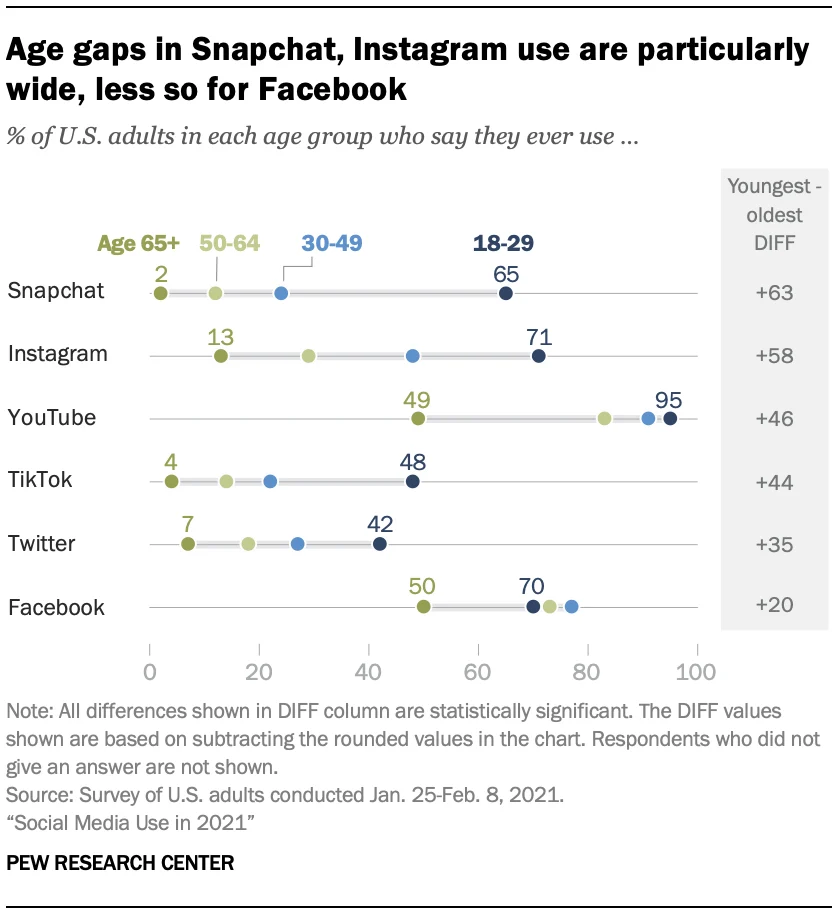
- Digital Natives and Social Media Savvy: Gen Z spends a significant portion of their time online, with platforms like TikTok, Instagram, YouTube, and Snapchat being primary hubs for information consumption, entertainment, and social interaction. Their engagement with content is often rapid and visual, favoring short-form videos and interactive formats.
- Value-Driven Purchasing: This generation is highly conscious of social and environmental issues. They are more likely to support brands that align with their values, demonstrating a preference for ethical sourcing, sustainability, and corporate social responsibility. This "conscious consumerism" influences their purchasing decisions significantly.
- Skepticism Towards Traditional Advertising: Gen Z has been exposed to a constant barrage of advertising throughout their lives. As a result, they are adept at filtering out messages that appear inauthentic or overly promotional. They respond better to content that feels organic, relatable, and user-generated. Influencer marketing, when executed with transparency, can be particularly effective.
- Desire for Personalization and Uniqueness: While they are a generation that shares common traits, Gen Z also craves individuality. They appreciate brands that offer personalized experiences and products that allow them to express their unique identities. This can manifest in customized product offerings or tailored marketing messages.
- Price Sensitivity with a Focus on Value: While not inherently cheap, Gen Z is pragmatic about their spending. They are willing to invest in products and brands that offer genuine value, whether through quality, durability, or alignment with their personal principles. They are adept at online research and comparison shopping to find the best deals.
Marketing to Gen Z: Strategic Platforms and Messaging
Understanding the characteristics of Generation Z is the first step; translating this knowledge into effective digital marketing strategies is the crucial next phase.
Platforms to Reach Gen Z
To effectively engage Gen Z, marketers must be present on the platforms where this demographic spends their time. The digital landscape is dynamic, with new platforms and features emerging regularly. However, several key platforms consistently rank high in Gen Z usage:
- TikTok: This short-form video platform has become a dominant force, particularly for Gen Z. Its algorithm-driven feed delivers highly personalized content, making it an ideal space for creative, engaging, and trend-driven marketing campaigns. Brands can leverage challenges, educational content, and influencer collaborations to reach this audience.
- Instagram: While its popularity has shifted slightly with the rise of TikTok, Instagram remains a vital platform for Gen Z. The emphasis on visual content, Stories, Reels, and direct messaging makes it a versatile tool for brand building, product showcasing, and community engagement.
- YouTube: This long-form video platform is a go-to for Gen Z for entertainment, education, and research. Marketers can utilize pre-roll ads, sponsored content with YouTubers, and organic video content to connect with this audience. The platform’s search functionality also makes it a valuable resource for those seeking information about products and services.
- Snapchat: Known for its ephemeral content and augmented reality filters, Snapchat offers a more informal and playful avenue for reaching Gen Z. Its emphasis on direct communication and visual storytelling can be leveraged for behind-the-scenes content and exclusive promotions.
- Twitch: For brands targeting Gen Z interested in gaming, streaming, and esports, Twitch is an essential platform. Live streaming allows for real-time interaction and engagement with a highly passionate audience.
- Discord: This communication platform has become increasingly popular among Gen Z for community building and niche interest groups. Brands can establish their own servers to foster direct engagement and gather feedback.
The selection of platforms should be guided by the specific campaign objectives and the target sub-segments within Gen Z. A data-driven approach to platform analysis, considering user demographics and engagement metrics, is paramount.
Messaging That Speaks to Gen Z
Crafting messages that resonate with Generation Z requires a departure from traditional marketing speak. Authenticity, transparency, and value are paramount. Here are key messaging approaches that tend to appeal to this demographic:
- Authenticity and Transparency: Gen Z values genuine connections. Marketing messages should be honest, straightforward, and avoid hyperbole. Behind-the-scenes glimpses, user-generated content, and unscripted testimonials can build trust. Brands that openly discuss their values, their production processes, and even their mistakes are more likely to gain favor.
- Value-Driven Narratives: Instead of solely focusing on product features, highlight the benefits and values that align with Gen Z’s priorities. This could include sustainability initiatives, ethical sourcing practices, social impact, or how the product contributes to personal growth or well-being.
- Humor and Relatability: Gen Z appreciates brands that don’t take themselves too seriously and can engage with them on a human level. Using humor that is relevant and not forced can create a memorable connection. Relatable scenarios and language that reflects their everyday experiences will resonate more effectively.
- Interactive and Engaging Content: Gen Z is not a passive audience. They prefer to be involved. This translates to marketing messages that encourage participation, such as polls, quizzes, challenges, and user-generated content campaigns. The goal is to make them feel like part of the conversation.
- Social and Environmental Consciousness: Clearly articulate a brand’s commitment to social and environmental causes. Gen Z is keenly aware of global issues and seeks to support brands that are making a positive impact. Demonstrating tangible actions and measurable progress in these areas is crucial.
- Emphasis on Uniqueness and Self-Expression: Acknowledge and celebrate individuality. Messaging that empowers Gen Z to express themselves and their unique identities will likely resonate. This could involve showcasing diverse individuals or offering customization options.
- Concise and Visually Appealing: Given their shorter attention spans, marketing messages need to be direct and impactful. This often means prioritizing visual elements, using clear and concise language, and delivering the core message quickly. Short-form video content is particularly effective in this regard.
Ultimately, marketing to Generation Z is not about adopting fleeting trends but about understanding their core values, communication preferences, and the world they inhabit. It requires a commitment to authenticity, a willingness to engage on their terms, and a dedication to demonstrating genuine value beyond the transactional.

Broader Implications and Future Outlook
The insights gleaned from understanding Generation Z have broader implications for the future of marketing and consumer engagement. As this cohort continues to mature and gain purchasing power, their influence will only grow. Brands that fail to adapt their strategies to connect with Gen Z risk being left behind.
The emphasis on authenticity, ethical practices, and digital fluency will likely shape marketing approaches across all generations. The lines between entertainment, information, and commerce are blurring, and consumers across the board are demanding more transparency and value from the brands they interact with.
For marketers seeking to effectively reach and convert their Gen Z audience, a deep understanding of their digital behaviors and a commitment to authentic, value-driven communication are not merely best practices, but essential prerequisites for success. The ongoing evolution of digital platforms and consumer expectations necessitates a continuous learning and adaptation process.
To further refine digital marketing solutions tailored to specific audiences, including the dynamic Gen Z demographic, organizations are encouraged to consult with experienced digital marketing professionals. Collaboration with teams possessing specialized knowledge can provide invaluable strategic guidance and execution support.
The journey of understanding and marketing to Generation Z is an ongoing one. By embracing their unique characteristics and adapting communication strategies accordingly, brands can forge meaningful connections and build lasting relationships with this influential generation.