rifanmuazin

The rapid proliferation of Large Language Models (LLMs) and generative artificial intelligence has introduced a significant and often overlooked challenge for digital marketing and web analytics: the explosion of automated AI crawler traffic. Recent internal data assessments from industry experts reveal that automated bots and AI scrapers can account for more than 20% of a website’s total traffic, a figure that far exceeds the traditional expectations of 2% to 3%. This discrepancy represents a critical "data integrity gap" that threatens the accuracy of business intelligence, marketing ROI calculations, and strategic decision-making for enterprises globally.
As AI companies like OpenAI, Anthropic, and Google deploy increasingly sophisticated crawlers to harvest data for training and real-time search indexing, the standard filtering mechanisms provided by tools such as Google Analytics 4 (GA4) are proving insufficient. This evolution has created a burgeoning market for specialized "AI Traffic Audits," a service designed to identify, categorize, and mitigate the impact of non-human traffic on corporate data sets.

The Invisible Surge of AI Crawlers
For years, web administrators have contended with "bad bots"—automated scripts designed for malicious activities such as credential stuffing, content scraping, or ad fraud. However, the current surge is driven by "neutral" or "functional" bots used by AI developers. Tools like ChatGPT (GPTBot), Claude (ClaudeBot), and Perplexity are constantly scanning the web to update their knowledge bases or provide real-time citations to users.
The primary issue for businesses is not necessarily the presence of these bots, but their invisibility in standard reporting. Unlike traditional search engine crawlers (e.g., Googlebot or Bingbot), which are typically excluded from user behavior metrics by default, many newer AI crawlers mask their identity or operate in ways that mimic human sessions. When 20% of a site’s traffic is non-human, every downstream metric becomes skewed. Conversion rates appear lower because the denominator (total sessions) is artificially inflated by bots that will never purchase a product or fill out a lead form. Engagement metrics, such as average session duration or bounce rate, become unreliable as automated scripts often trigger events without human-like interaction patterns.
Chronology of the AI Traffic Crisis
The current state of analytics pollution is the result of an accelerated timeline of AI development that has outpaced the update cycles of most analytics platforms.
- Late 2022: The public launch of ChatGPT marks the beginning of the mass-market AI era. While web scraping has existed for decades, the scale of data required for LLM training reaches unprecedented levels.
- Mid-2023: Major AI players begin disclosing their crawler user-agents. OpenAI introduces "GPTBot," allowing site owners to block it via robots.txt. However, many smaller or specialized AI firms do not provide the same transparency.
- Early 2024: The rise of "AI Search" engines like Perplexity and SearchGPT changes the incentive structure. Businesses now face a dilemma: blocking crawlers protects data integrity but may result in the brand being excluded from AI-generated answers and recommendations.
- Present Day: Marketing agencies and data analysts identify a massive "blind spot" in client reporting. The realization that up to one-fifth of traffic might be automated leads to the development of the "AI Traffic Audit" as a professional service.
Supporting Data: The Impact of Bot Inflation
Market research and technical audits provide a sobering look at the scale of the problem. According to recent industry reports on bot traffic, nearly 50% of all internet traffic in 2023 was non-human. While a portion of this is filtered by Internet Advertising Bureau (IAB) lists, the subset of "AI Crawlers" is the fastest-growing category.
In a specific case study conducted by MeasureU, an analytics consultancy, a site expected to have negligible bot interference was found to have 20% of its traffic originating from AI-related automated systems. The implications of this 20% inflation are profound:
- Conversion Rate Error: A site with a true 5% human conversion rate would report a 4% conversion rate if 20% of its traffic is automated.
- Customer Acquisition Cost (CAC): Marketing teams may believe their organic or direct traffic is performing poorly, leading to unnecessary increases in paid ad spend to "fix" a conversion problem that is actually a data reporting problem.
- Server Overhead: Excessive crawling can increase hosting costs and slow down site performance for actual human users, further damaging the user experience.
The Three-Tiered Service Framework for Agencies
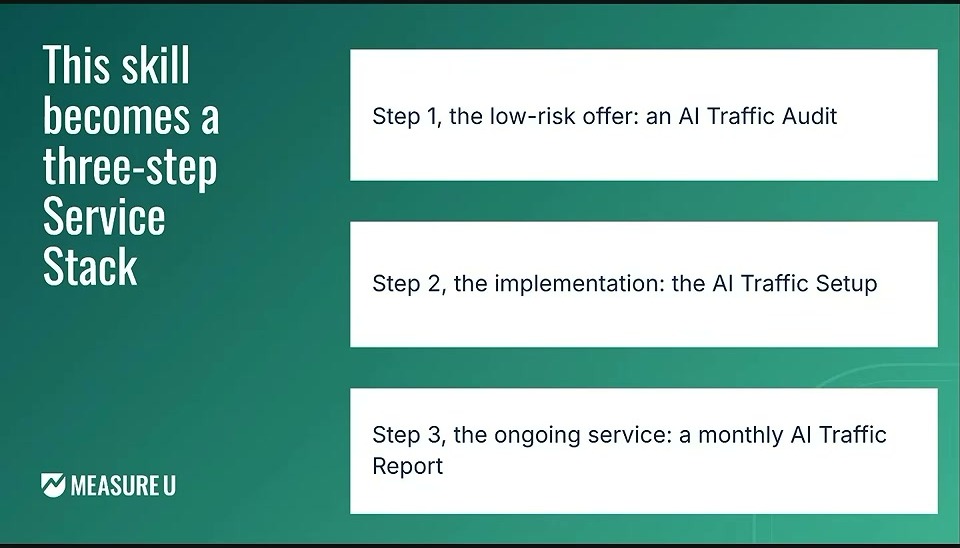
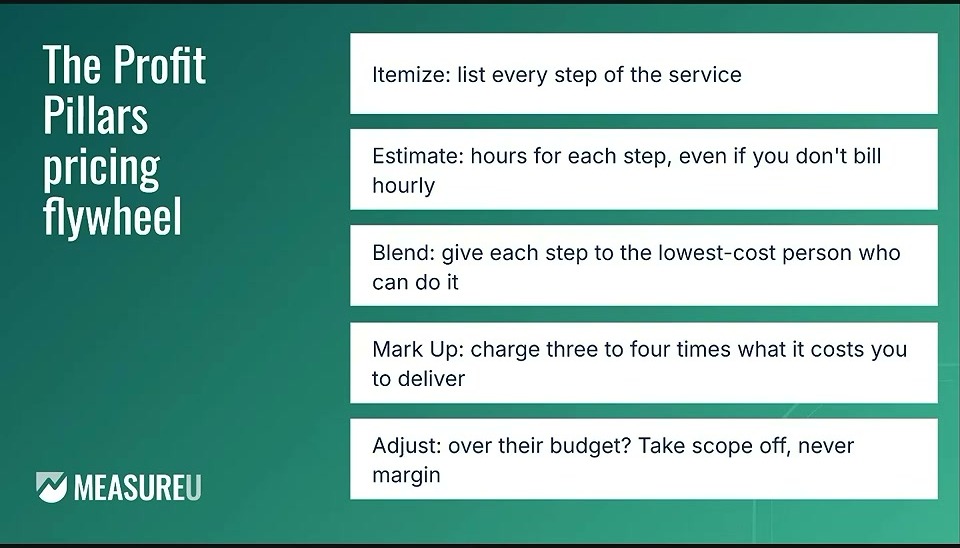
To address this crisis, a structured service model has emerged, allowing agencies to provide immediate value while building long-term recurring revenue. This framework moves from discovery to implementation and finally to ongoing governance.
Tier 1: The Initial AI Traffic Audit
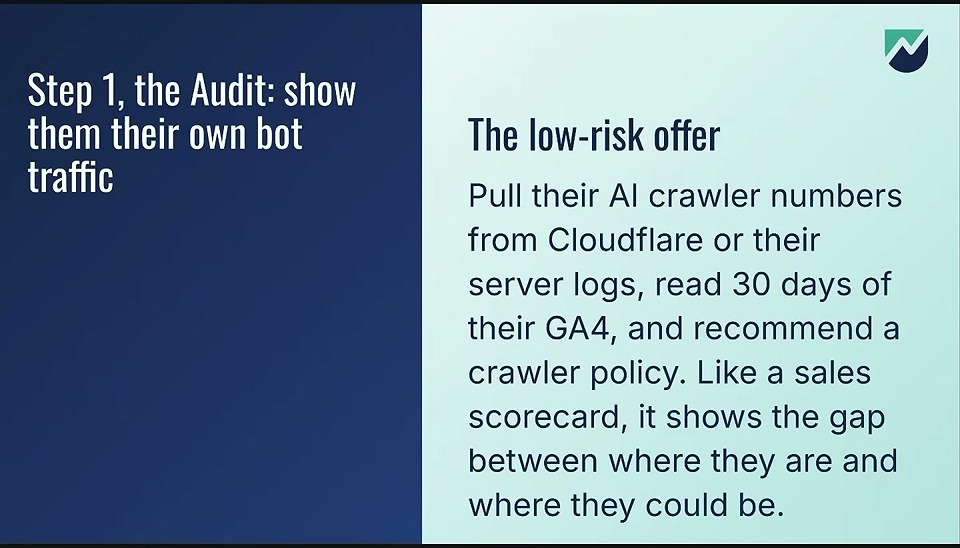
The first phase is a low-risk, high-value assessment. The goal is to quantify the "gap" between perceived and actual human traffic.
- Deliverables: A comprehensive report pulling data from server logs, Cloudflare Bot Management, and GA4.
- Scope: Identifying the top AI crawlers hitting the site, calculating the percentage of "polluted" data, and recommending a custom crawler policy.
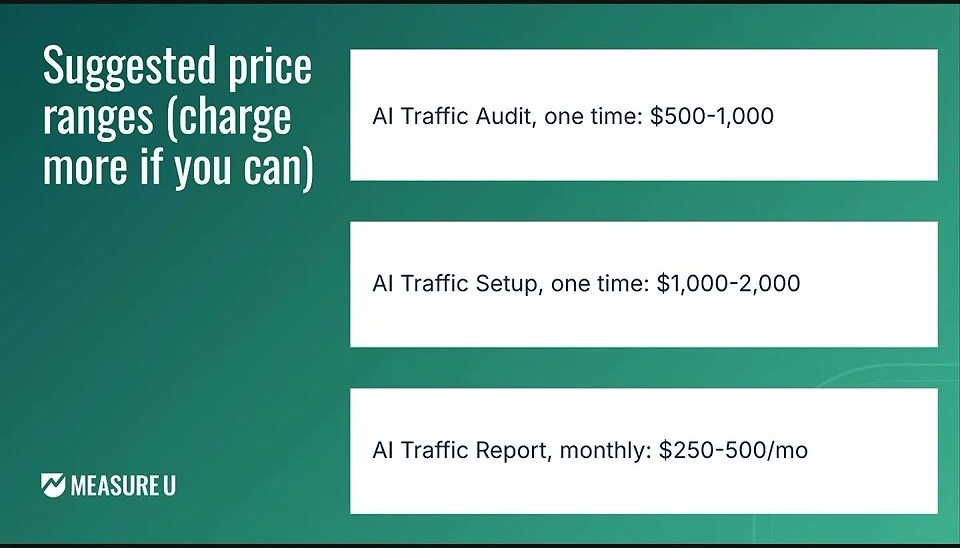
- Market Value: Suggested pricing for this initial phase typically ranges from $500 to $1,000, serving as an entry point for deeper client engagement.
Tier 2: Comprehensive Technical Implementation
Once the audit reveals the extent of the problem, the next step is technical mitigation. This involves configuring tools to separate bot data from human data without necessarily blocking the bots that provide SEO or AI-search value.
- Deliverables: Implementation of advanced Google Tag Manager (GTM) triggers, server-side tagging, and custom dimensions in GA4.
- Strategic Action: Creating "filtered views" where stakeholders can see pure human data alongside "total" data. This ensures that business decisions are made based on actual consumer behavior.
- Market Value: This phase is typically priced between $1,000 and $2,000, depending on the complexity of the site’s architecture.
Tier 3: Ongoing Monitoring and Governance
Bot behavior is not static. New AI models are released monthly, and crawler signatures change frequently.
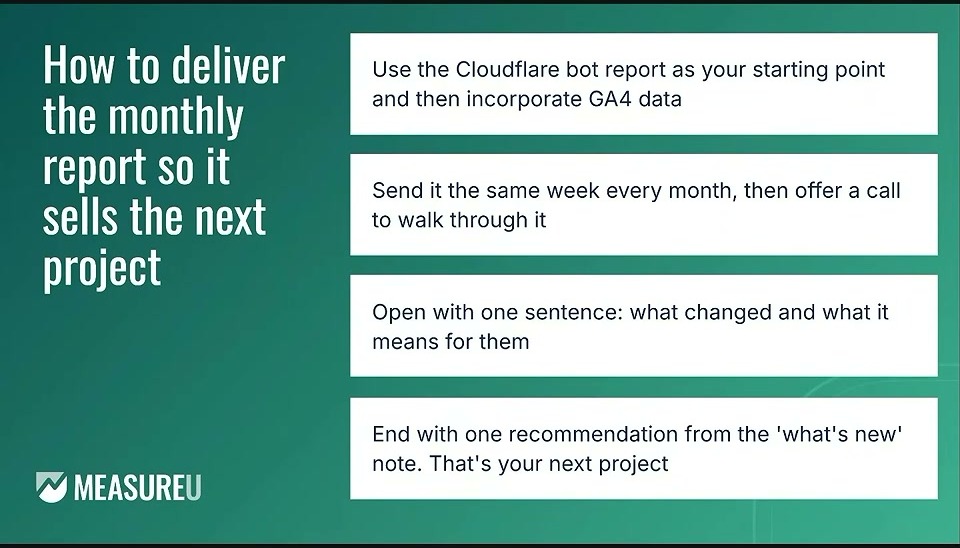
- Deliverables: Monthly "AI Traffic Quality" reports that track new automated threats and adjust filtering rules.
- Value Proposition: This transforms a one-time fix into a retainer-based service, ensuring that the client’s data remains clean over time.
- Market Value: Monthly recurring revenue (MRR) for this service generally falls between $250 and $500.
Official Responses and Technical Challenges
The tech industry’s response to AI crawling has been fragmented. Google, for instance, has introduced "Google-Extended," a standalone toggle that allows webmasters to opt-out of having their content used to train Gemini and Vertex AI, while still allowing the traditional Googlebot to index the site for search results.
However, many technical experts argue that "robots.txt" is an "honor system" that many smaller AI startups ignore. Furthermore, standard analytics platforms are slow to update their internal "known bot" databases. This leaves the burden of proof on individual businesses and their agencies. The technical challenge lies in "fingerprinting" traffic—analyzing headers, IP ranges, and behavioral patterns (such as near-instantaneous page loads) to identify bots that are not declaring themselves as such.
Strategic Analysis: The "Good Bot" vs. "Bad Bot" Dilemma
A critical component of the AI Traffic Audit is the "Crawler Policy." It is no longer advisable to simply block all automated traffic.
- The Case for Blocking: Malicious scrapers, content thieves, and high-frequency crawlers that offer no referral value should be blocked at the firewall level (e.g., via Cloudflare) to save bandwidth and protect IP.
- The Case for Allowing: Crawlers from companies like Perplexity or OpenAI may eventually be the primary way users "find" information. If a site blocks these bots, it effectively disappears from the "AI-answered" web.
The solution is not total exclusion but "Data Segregation." By labeling this traffic within analytics tools rather than blocking it entirely, businesses can maintain visibility in AI search results while keeping their conversion and engagement metrics "human-only."
Broader Impact and Industry Implications
The rise of AI traffic auditing signals a shift in the digital marketing industry from "quantity" to "quality." For the past decade, increasing session counts were viewed as an unqualified success. In the AI era, a session is only valuable if it has the potential to result in a transaction or a brand impression on a human being.
This shift is likely to impact how marketing agencies are evaluated. Agencies that continue to report on "vanity metrics" inflated by AI bots will eventually lose credibility when those sessions fail to translate into business growth. Conversely, agencies that proactively "clean" their clients’ data will be seen as essential partners in business strategy.
Furthermore, as AI agents (autonomous programs that can browse and perform tasks on behalf of humans) become more common, the line between "bot" and "human" will blur even further. The current movement toward AI Traffic Control is merely the first step in a long-term evolution of web measurement, where verifying "proof of personhood" may become a standard requirement for accurate digital analytics.
Conclusion and Next Steps for Stakeholders
For businesses, the immediate priority is to conduct a baseline assessment of their current data health. The "20% rule" discovered in recent audits suggests that most organizations are currently operating with a significant margin of error in their reporting.
For agencies, this represents a unique window of opportunity. By positioning themselves as "Data Quality Stewards," they can offer a service that is both highly technical and easily justifiable in terms of ROI. The "AI Traffic Audit" is not just a new product; it is a necessary correction for a digital landscape that has been fundamentally altered by the AI revolution. As the gap between perceived and actual traffic continues to widen, the ability to measure that gap will become one of the most valuable skills in the digital economy.

 Evan Lee Salim
 Azzam Bilal Chamdy