Three weeks ago, a paid media campaign was abruptly paused. The Return on Ad Spend (ROAS) had dipped to 4x, falling below the target threshold, prompting a seemingly sensible decision to halt expenditure. However, this action was based on incomplete data. The campaign was, in reality, performing at a 5x ROAS, a figure obscured by a significant portion of conversions failing to register on the dashboard. This scenario highlights a critical, often overlooked vulnerability in digital advertising: the segment between the initial click and the final conversion, a "no man’s land" that can silently erode marketing budgets.
This "stretch in between," encompassing redirects, page load times, and the intricate firing of tracking tags, frequently falls outside the defined responsibilities of campaign managers and web developers. Servers, processing paid clicks no differently from organic traffic, remain oblivious to the financial implications of each interaction. This lack of specialized oversight allows valuable data – and consequently, accurate performance metrics – to quietly dissipate.
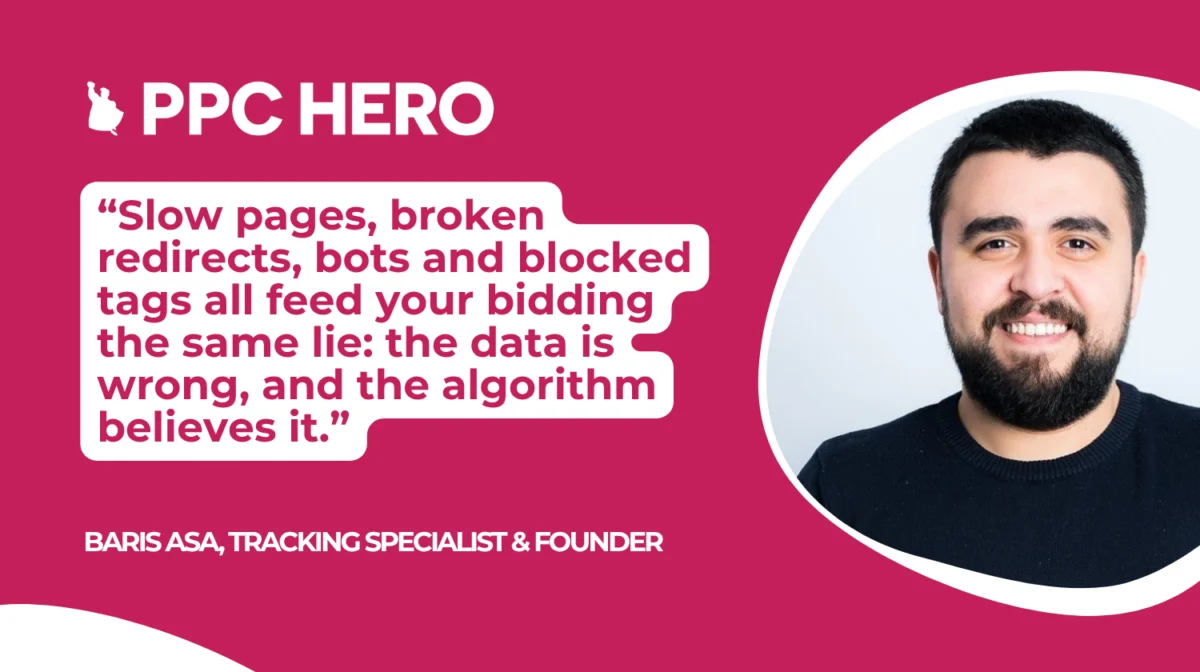
Historically, a 10-15% loss of conversion data might have been considered an acceptable margin of error, compensated for through manual adjustments and intuitive understanding of campaign performance. However, the advent of sophisticated automated systems like Google’s Smart Bidding and Performance Max has fundamentally altered this landscape. These algorithms operate on the data they receive, and when that data is flawed, they extrapolate and amplify those inaccuracies at an unprecedented scale and speed. Bad data has transitioned from a measurement issue to a training problem, where incomplete or misleading conversion signals can lead algorithms to actively seek out more of the same, resulting in a "garbage in, garbage out" scenario amplified to a systemic level.
The consequences of these undetected leaks are substantial, leading to suboptimal campaign performance, misallocated budgets, and ultimately, missed growth opportunities. To illuminate these often-invisible drains, this report identifies five key post-click leakages that are quietly siphoning resources from paid media investments.
The Silent Killers: Five Critical Post-Click Leaks
1. Page Speed: The Millisecond Drain on Conversions
The first and most apparent leak occurs before any conversion data can even be captured. Slow page load times represent a direct and quantifiable loss. Industry studies consistently demonstrate that each additional second of load time can cost between 7% and 20% of potential conversions. A click that costs $1.80, for instance, becomes a wasted expenditure if the user abandons the page before it fully loads. Data from Google indicates that a staggering 53% of mobile users will leave a page if it takes longer than three seconds to load. In such scenarios, advertisers are paying the full price for clicks that never have a chance to convert, effectively subsidizing a loading spinner rather than a user experience. This is not a measurement error; it is a complete loss of the initial investment with no potential for return.

2. Direct Chain: The Redirect Red Herring
Redirects, often implemented for technical reasons such as migrating from HTTP to HTTPS or standardizing domain variations (e.g., www.example.com), can inadvertently sever the crucial link between a paid click and its attribution. The Google Click ID (GCLID), a unique identifier essential for tracking paid campaign performance, must reach the landing page to be captured. When a page loads and the Google tag fires, it reads this GCLID and stores it in a user’s cookie. This cookie allows for persistent tracking, even if the user navigates away and returns later. However, if a redirect chain strips the GCLID from the URL before the landing page is fully processed, the cookie is never set. The paid click, stripped of its attribution identifier, is then often miscategorized as "direct" traffic within analytics platforms like Google Analytics 4 (GA4). This misattribution can lead to a healthy-looking "direct" channel masking a significant billing error, as valuable paid conversions are attributed to a non-paid source, making them difficult to detect and correct.
3. Incorrect Attribution: The Bot and Botched Data Dilemma
Beyond redirect issues, the very nature of the traffic arriving at a landing page can be compromised, leading to fundamentally inaccurate attribution. A significant portion of online advertising expenditure is lost to invalid traffic, including sophisticated bots, scrapers, and click farms. Globally, an estimated $63 billion was spent on invalid traffic last year, with some analyses suggesting that 11% to 22% of Pay-Per-Click (PPC) clicks originate from non-human sources. While platforms like Google do offer refunds for detected invalid traffic, these are typically processed with a significant delay, often weeks after the fraudulent clicks have occurred. During this period, automated bidding systems can optimize campaigns based on inflated performance metrics, skewing bidding strategies and budget allocation. The refund, when it arrives, rectifies the financial balance but does not undo the damage of two weeks of misguided optimization driven by compromised data.
4. Spam Leads: Training Algorithms on False Positives
For businesses operating on a lead generation model, the issue of spam leads presents a particularly insidious leak. While manual efforts can be made to clean up CRM databases filled with nonsensical entries like "test test" or generic spam email addresses, the damage to paid media performance can already be done. When these submissions are registered as conversions, even if they are subsequently identified as spam, automated bidding systems are trained to replicate the behavior of the user who submitted them. This creates a detrimental feedback loop: the algorithm identifies and seeks out more users who exhibit similar characteristics to those who generated spam leads, effectively instructing the platform to spend more money to acquire more fraudulent or low-quality leads. A third of conversions being spam means that a significant portion of the advertising budget is actively being used to find more spam, a cycle that intensifies with continued campaign operation.
5. Tracking Limitations: The Black Hole of Blockers and Privacy

Finally, even with technically sound redirects and genuine human traffic, the effectiveness of conversion tracking itself can be compromised by a confluence of factors. Modern web pages often load dozens of scripts, with a substantial portion dedicated to marketing and analytics. Ironically, the very tools designed to measure campaign success can negatively impact performance by adding significant load times. A week spent optimizing ad copy for a marginal CTR increase can be undermined by the cumulative effect of 50+ tags on a landing page, adding seconds to load times and costing far more in lost conversions than any headline tweak could gain. Furthermore, the growing prevalence of ad blockers, coupled with privacy-focused browser settings in platforms like Safari and Firefox, can prevent tracking tags from firing altogether. This creates a "black hole" where sales occur, but the advertising platform receives no notification. Estimates suggest that this tracking blind spot can obscure between 15% and 30% of actual conversions. This directly contributes to the ROAS discrepancy that prompted the initial campaign pause, where a reported 4x ROAS might, in reality, be closer to the actual 5x, a gap large enough to trigger premature campaign shutdowns.
The Unclaimed Territory: The Gap Between Click and Conversion
The persistent challenge with these post-click leaks lies in their organizational placement. None of these issues fall neatly into a campaign manager’s remit of bids, copy, and audiences, nor are they solely the domain of a web developer. They inhabit the critical juncture between the initial user interaction and the final recorded conversion – a gap that is often quiet because it belongs to neither team.
This unclaimed territory represents a significant competitive advantage. While rivals meticulously optimize their ad creatives and keyword strategies, often yielding incremental gains of 2-3%, the substantial leakage occurring in the post-click phase remains largely unaddressed. The 15-30% of lost conversions, a far more impactful figure, often goes unnoticed because it is perceived as a measurement footnote rather than a strategic imperative. In today’s competitive digital landscape, identifying and rectifying these silent leaks is rapidly becoming the most potent edge for paid media success.
Proactive Measures: Essential Diagnostic Checks
Before making any adjustments to campaign settings, it is crucial to diagnose the extent of these post-click leaks. A systematic audit is recommended to pinpoint the specific areas of concern. While the original article did not provide a detailed list of checks, a comprehensive diagnostic would typically involve:
- Page Load Speed Analysis: Utilizing tools like Google PageSpeed Insights, GTmetrix, or WebPageTest to measure load times across various devices and locations, identifying specific elements contributing to delays.
- Redirect Path Verification: Employing browser developer tools or specialized redirect checkers to map out the exact path a URL takes from initial click to landing page, ensuring no critical parameters are lost.
- Traffic Quality Assessment: Analyzing website analytics for suspicious traffic patterns, unusually high bounce rates from specific sources, or metrics that deviate significantly from industry benchmarks. This may involve implementing third-party bot detection solutions.
- Conversion Data Integrity Check: Cross-referencing conversion data from different platforms (e.g., CRM, Google Analytics, ad platform dashboards) to identify discrepancies and investigate potential causes like spam submissions or tracking errors.
- Tag Management Audit: Reviewing the implementation and performance of all tracking tags, ensuring they fire correctly, do not negatively impact page load, and are not being blocked by user settings or browser restrictions.
The good news for advertisers is that addressing most of these leaks does not necessitate a complete website overhaul. Often, solutions can be implemented at the "edge," the layer of infrastructure that sits between the user and the server. This frequently translates to configuration adjustments within content delivery networks or cloud-based security platforms, requiring technical expertise but avoiding extensive development cycles.
In a recent presentation at Hero Conf UK in April 2026, insights were shared on how to meticulously conduct each of these checks, offering a step-by-step guide for advertisers looking to tackle these often-hidden vulnerabilities. For those experiencing familiar symptoms of hidden conversion loss, understanding the specific mechanisms and solutions detailed in such expert presentations is the optimal starting point. The financial impact of these unseen leaks is substantial, turning potentially successful campaigns into underperformers and masking the true ROI of digital advertising efforts. Rectifying them offers a clear path to reclaiming lost budget and unlocking significant growth potential.