Lina Irawan
Marketing to Millennials: Navigating a Dominant Generation in the Digital Age
The strategic imperative of identifying and understanding a target audience cannot be overstated in the realm of modern marketing. This fundamental principle, often distilled into the single, potent word "target," underpins every successful campaign. Marketers must grapple with a multifaceted understanding of their audience, encompassing behavioral patterns, psychographic profiles, demographic data, and geographic considerations. However, a critical dimension that often requires nuanced exploration is the generational cohort. As digital natives and digital immigrants alike navigate an ever-evolving media landscape, understanding the distinct characteristics and preferences of each generation is paramount for effective communication and engagement. This article, the second in a series examining digital marketing strategies across generational divides, delves into the Millennial generation, following an initial exploration of Gen Z.
The Millennial generation, broadly defined as individuals born between 1980 and 1994, has emerged as a dominant force in consumer markets, having surpassed the Baby Boomer generation in sheer numbers. This demographic shift alone positions them as a crucial audience for businesses. While often characterized by traits such as digital fluency, a focus on health and wellness, and a burden of student loan debt, a more comprehensive understanding reveals a complex and diverse group whose influence continues to shape economic and cultural trends. This exploration aims to move beyond simplistic labels and provide a detailed overview of the Millennial mindset, their consumption patterns, and effective strategies for marketers seeking to connect with them.
The Millennial Mindset: Shaped by Digital Transformation and Evolving Life Stages
Millennials occupy a unique position in history as the generation that came of age during the seismic shifts of the digital revolution. Unlike Gen Z, who were born into a world where the internet and social media were already established, Millennials witnessed and actively participated in the nascent stages of this transformation. The creation of Facebook by a Millennial, Mark Zuckerberg, serves as a potent symbol of this generation’s intrinsic connection to the digital sphere. During their formative years and early adulthood, they observed the meteoric rise of foundational digital entities like Google, Amazon, and Apple. This direct exposure and adaptation to burgeoning technologies have fostered a deep-seated tech savviness that permeates their daily lives and consumption habits.
Academically, Millennials have demonstrated a commitment to higher education, with studies indicating they possess more formal education than preceding generations. However, this educational pursuit has often come at a significant financial cost. The escalating expenses associated with tertiary education, coupled with the dramatic increases in housing costs, have left a substantial portion of this generation saddled with considerable debt. This financial reality has a tangible impact on their life trajectory, often delaying traditional markers of adulthood such as marriage, homeownership, and starting families. The timeline for achieving these milestones has, for many Millennials, been extended compared to previous generations.
Beyond these observable trends, the Millennial mindset is often characterized by a degree of self-orientation, not in a negative sense, but rather as a prioritization of personal growth, individual freedom, and idealistic pursuits. This focus on self-fulfillment often translates into a strong emphasis on health and wellness, a trend evidenced by the growing popularity of diverse dietary lifestyles such as vegetarianism, veganism, and pescetarianism, and the enduring appeal of trends like avocado toast, which has become a cultural touchstone. Crucially, for many Millennials, experiences often hold greater intrinsic value than the accumulation of material possessions. This preference for experiential consumption significantly influences their purchasing decisions and brand loyalties.
Millennial Consumption Patterns: A Data-Driven Perspective
Understanding how Millennials spend their money is critical for marketers. Research from institutions like McKinsey & Company has identified distinct clusters of consumption behavior within this generation. While specific details of these clusters were not provided in the original content, it is widely understood that Millennials often exhibit a willingness to invest in premium and quality products. This preference is driven by a desire for longevity and a recognition of the potential for greater health benefits associated with well-made, consciously sourced goods. Despite often expressing concerns about their financial future, this willingness to spend on perceived value highlights a sophisticated approach to purchasing, where long-term benefits and quality outweigh immediate cost considerations for certain product categories.
Furthermore, their digital fluency means they are adept at researching products, comparing prices, and seeking out brands that align with their values. This includes a growing demand for transparency in sourcing, ethical production practices, and a commitment to sustainability. Brands that can effectively communicate these attributes are likely to resonate more strongly with this discerning consumer base.
The Digital Landscape: Platforms for Reaching Millennials
The digital realm is where Millennials are most readily found, making it the primary battleground for marketers. Their engagement spans a variety of platforms, each requiring a tailored approach.
Key Digital Platforms for Millennial Engagement:
- Social Media Dominance: Platforms like Instagram, Facebook, and increasingly TikTok, are central to Millennial communication and information consumption. Instagram, with its visual emphasis, appeals to their appreciation for aesthetics and curated experiences. Facebook, despite the rise of newer platforms, remains a significant hub for community building, news consumption, and connecting with established brands.
- Video Content Consumption: Millennials are avid consumers of video content. YouTube, in particular, is a cornerstone of their digital diet, offering everything from entertainment and educational tutorials to product reviews and vlogs. Short-form video content on platforms like Instagram Reels and TikTok also captures their attention.
- Influencer Marketing: The rise of social media influencers has had a profound impact on Millennial purchasing decisions. They often trust recommendations from individuals they follow and whose lifestyles they aspire to. Authenticity and relatability are key factors in the success of influencer collaborations.
- Search Engines and E-commerce: When seeking information or making purchases, Millennials heavily rely on search engines like Google. Their online shopping habits are well-established, with a preference for seamless e-commerce experiences, clear product information, and efficient delivery services.
- Streaming Services: Beyond social media, Millennials are major users of streaming platforms like Netflix, Hulu, and Spotify. Advertising opportunities on these platforms, particularly through ad-supported tiers, can provide targeted reach.
- Messaging Apps: While not always a direct marketing channel, understanding how Millennials use messaging apps like WhatsApp and Messenger for communication and recommendations can inform broader engagement strategies.
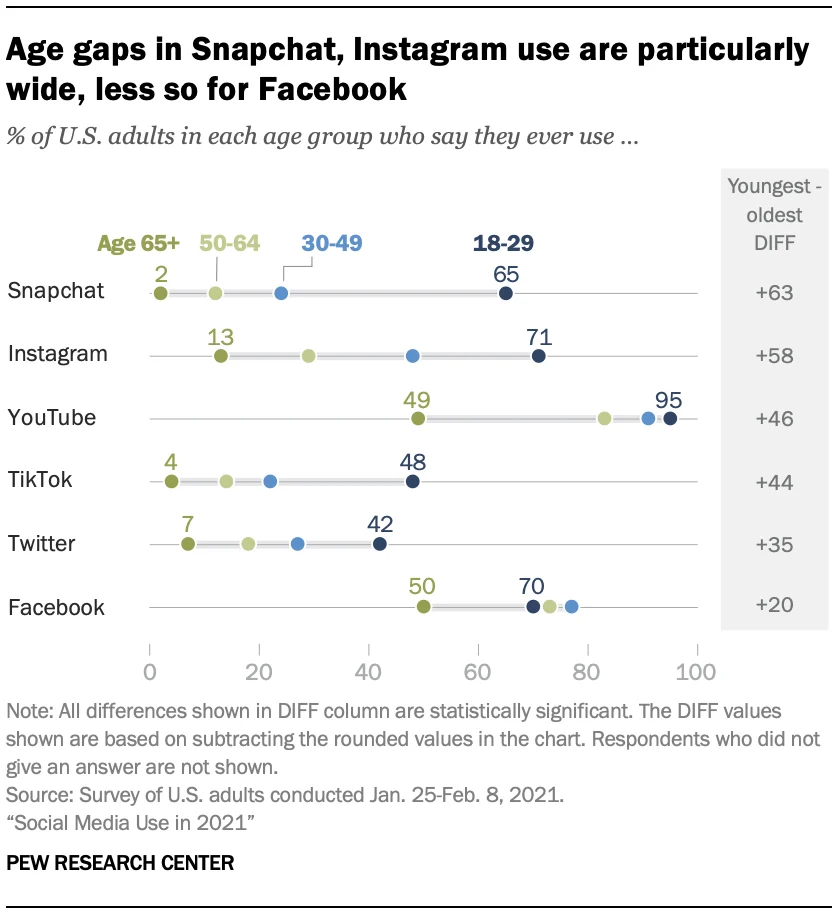
The accompanying visual data, illustrating age gaps across different social media platforms, underscores the importance of understanding platform demographics. While Gen Z might skew towards newer, trend-driven platforms, Millennials maintain a strong presence on established social networks and video-sharing sites, indicating that a multi-platform approach is essential for comprehensive reach.
Crafting Messages That Resonate: Speaking the Millennial Language
Knowing where to find Millennials is only half the battle; effectively communicating with them is the other crucial component. This requires a deep understanding of their values, priorities, and communication preferences.
Messaging Strategies for Millennials:
- Authenticity and Transparency: Millennials are adept at spotting disingenuous marketing. Brands that are transparent about their products, values, and business practices will build stronger trust. Avoid overly polished or corporate-sounding language.
- Value-Driven Communication: Highlight how a product or service aligns with their desire for quality, health, or positive experiences. Instead of simply listing features, explain the benefits and how they contribute to a better life.
- Purpose and Social Impact: Many Millennials are socially conscious and are drawn to brands that demonstrate a commitment to ethical practices, sustainability, or community support. Communicating a brand’s purpose beyond profit can be a powerful differentiator.
- Experiential Focus: Emphasize the experiences that a product or service enables. For example, instead of focusing on the technical specifications of a camera, highlight the memories it can help capture.
- User-Generated Content and Social Proof: Millennials often rely on reviews and recommendations from peers. Encouraging and showcasing user-generated content, testimonials, and social proof can be highly effective.
- Interactive and Engaging Content: Millennials are accustomed to interactive digital experiences. This includes polls, quizzes, live Q&A sessions, and engaging video content that encourages participation.
- Mobile-First Approach: Given their high mobile usage, all marketing materials and website experiences must be optimized for mobile devices. This includes responsive design, fast loading times, and easy navigation on smaller screens.
- Embrace Humor and Relatability: While maintaining professionalism, incorporating a touch of humor and relatable scenarios can make marketing messages more approachable and memorable.
- Personalization: Leveraging data to personalize marketing messages, offers, and recommendations can significantly increase engagement and conversion rates.
The three distinct consumer behavior clusters identified by McKinsey, though not detailed here, would further refine these messaging strategies. For instance, a cluster focused on "smart shoppers" might respond best to value propositions and discount offers, while a "conscious consumer" cluster would prioritize ethical sourcing and sustainability messaging. Understanding which segment a brand is targeting within the broader Millennial demographic is key to crafting hyper-relevant communications.
Broader Implications and Future Outlook
The continued influence of the Millennial generation on consumer markets and societal trends is undeniable. As they move further into their prime earning years and continue to shape family structures and household spending, businesses that fail to adapt their marketing strategies risk being left behind. The emphasis on experiences, digital fluency, and value-driven consumption will likely continue to define their preferences.
The challenges faced by this generation, such as student debt and the rising cost of living, also present opportunities for brands that can offer solutions that address these financial realities. Flexible payment options, value-for-money propositions, and products that promote long-term well-being are likely to find a receptive audience.
In conclusion, effectively marketing to Millennials requires a nuanced understanding of their generational context, their digital behaviors, and their evolving priorities. By moving beyond broad stereotypes and embracing data-driven insights into their consumption patterns and a commitment to authentic, value-driven communication, brands can forge meaningful connections with this dominant and influential demographic. As the marketing landscape continues to evolve, a deep dive into generational specifics remains an indispensable strategy for achieving sustained success. For businesses seeking to refine their approach and develop a tailored digital marketing solution to effectively reach and convert their Millennial audience, engaging with experienced marketing professionals can provide invaluable guidance and strategic execution.


 Reynand Wu

 Lina Hope