In an era where public skepticism toward corporate messaging is at an all-time high, employee advocacy has emerged as a cornerstone strategy for brands seeking to cultivate authentic connections and extend their influence. This powerful approach leverages a company’s most valuable asset—its people—to disseminate messages, share insights, and build credibility across personal social networks. Far from a mere trend, employee advocacy is a strategic imperative, offering an authenticity and expansive reach that traditional advertising campaigns struggle to match. As audiences increasingly gravitate towards trusted individual voices over polished brand pronouncements, organizations are discovering that empowering their employees to tell their story can yield unparalleled benefits across marketing, recruitment, and internal culture.

The Shifting Landscape of Trust: Why Employee Voices Resonate
The digital age has fundamentally reshaped how consumers perceive and interact with brands. A significant and ongoing trend, highlighted by studies such as the Edelman Trust Barometer, indicates a consistent decline in public trust in traditional institutions, including businesses and media. Consumers are now more discerning, often viewing direct brand communications with skepticism, seeking genuine, unfiltered perspectives. This trust deficit creates a unique opportunity for employee advocacy, transforming internal staff into credible, relatable narrators of a brand’s identity and values.

When an employee shares company content or offers personal insights about their workplace, product, or industry, it carries an inherent authenticity that a corporate ad or press release cannot replicate. This is because individuals are generally perceived as more trustworthy than corporate entities. Recent research underscores this phenomenon, revealing that approximately 60% of consumers place more trust in what individuals say about a brand than in the brand’s self-proclamations. This preference for human connection over corporate messaging is a driving force behind the growing efficacy of employee advocacy. Moreover, social media algorithms, particularly on platforms like LinkedIn, often prioritize content from personal profiles, granting employee-shared posts greater visibility and organic reach compared to identical content published directly from a brand’s official page. This algorithmic preference means that a message shared by an employee can often travel significantly farther, bypassing the diminishing returns of paid advertising and the competitive clutter of branded feeds.
Defining and Differentiating Employee Advocacy
At its core, employee advocacy is the act of a company’s team members voluntarily sharing official company content or generating their own posts that reflect positively on the organization’s products, services, culture, or values, primarily through their personal social media channels. While LinkedIn remains the dominant platform for professional advocacy, its scope has expanded to include networks like X (formerly Twitter), TikTok, and even internal communication platforms such as Slack communities, where employees can share content directly with their professional and personal networks.
It is crucial to distinguish employee advocacy from other related marketing strategies:
- Employee Advocacy vs. Influencer Marketing: The key differentiator lies in the source and motivation. Employee advocacy stems from internal staff, driven by genuine connection, pride in their work, and a desire for professional visibility. Influencer marketing, conversely, involves partnering with external creators—often compensated—to promote a brand to their established audience. While both leverage third-party credibility, employee advocacy is organic and intrinsically linked to the company’s workforce, whereas influencer marketing is typically a transactional partnership.
- Employee Advocacy vs. Brand Advocacy: While both involve individuals promoting a brand, the advocates differ. Employee advocacy originates from a company’s own team members, encompassing staff and leadership. Brand advocacy, on the other hand, comes from external supporters, such as satisfied customers or fervent fans, who champion the brand independently. Employee advocacy offers a higher degree of consistency and strategic control for the company, as it directly involves its workforce in shaping and disseminating its narrative.
The Multifaceted Benefits: A Strategic Advantage for Businesses
The impact of a well-executed employee advocacy program is not confined to a single departmental win but rather manifests as a cascade of synergistic benefits across the organization. From marketing and sales to human resources and internal culture, the dividends are substantial.
- Exponential Reach and Enhanced Brand Visibility: One of the most immediate and quantifiable benefits of employee advocacy is its capacity to dramatically expand a brand’s reach. Employee networks are, on average, ten times larger than a company’s official follower base. This staggering multiplier effect means that every employee who shares content effectively acts as a mini-broadcaster, introducing the brand to entirely new audiences that might otherwise be inaccessible. For instance, IT solutions provider Carahsoft experienced a significant surge in visibility and engagement after implementing an employee advocacy program. Their employees’ content sharing resulted in an impressive 8,700 new website visits and accounted for 35% of event registrations, underscoring the immense power of decentralized content distribution. This organic reach is not only extensive but also highly cost-effective, bypassing the escalating costs of paid advertising.
- Unrivaled Credibility and Trust Building: In a landscape saturated with marketing messages, the human element of employee advocacy cuts through the noise. When employees share content, it comes across as a genuine endorsement rather than a corporate spiel. This authenticity fosters deeper trust among audiences, who perceive these messages as more credible and less self-serving. Athletico Physical Therapy leveraged this principle by empowering its therapists, trainers, and recruiters to share their personal stories online. By planning content around relevant moments like National Physical Therapy Month and facilitating easy sharing via platforms like Hootsuite Amplify, Athletico strengthened community connections, boosting engagement and expanding their reach by a remarkable 40%.
- Recruitment Prowess and Employer Branding: Employee advocacy is a potent tool for talent acquisition and employer branding. Prospective candidates are increasingly seeking workplaces that align with their values and offer a positive culture. A careers page, no matter how well-designed, often pales in comparison to the authentic glimpses into company life provided by current employees. Companies with socially engaged employees are 58% more likely to attract top talent. When employees share their experiences, achievements, and the vibrant aspects of their work, it paints a compelling and realistic picture of the company’s culture, making it significantly more attractive to potential hires. Global healthcare company DaVita effectively harnessed employee advocacy to bolster its recruitment efforts. By enabling employees to share stories about their growth and experiences within the company, DaVita saw a 136% increase in LinkedIn traffic to its careers page and a 27% rise in job applications originating from social media. This demonstrates a clear link between employee advocacy and tangible recruitment outcomes.
- Strengthened Company Culture and Employee Engagement: Beyond external benefits, employee advocacy fosters a stronger internal culture. When employees feel proud of their work and are trusted to share it with the world, it cultivates a sense of ownership, connection, and belonging. This empowerment reinforces internal pride and transforms employees into genuine culture ambassadors. The act of sharing itself creates a positive feedback loop: as employees advocate for their company, their investment and engagement deepen, further solidifying the culture they are showcasing. This sense of shared purpose and collective voice can lead to increased employee satisfaction, retention, and overall productivity, with data suggesting that employees in advocacy programs are 79% more productive, 71% more connected, and 68% more satisfied.
Benefits for Employees: Professional Growth and Personal Branding
Employee advocacy is not a one-sided equation; it offers substantial advantages for individual employees as well. Participating in such programs can significantly enhance an employee’s professional profile, expand their network, and accelerate career development.
- Enhanced Professional Presence and Personal Brand: By regularly sharing valuable company and industry content, employees position themselves as thought leaders and experts in their respective fields. This proactive engagement builds their personal brand, making them more visible and reputable within their professional sphere.
- Expanded Professional Network: Each shared post has the potential to connect employees with new contacts, industry peers, and potential collaborators. This organic networking can lead to new opportunities, collaborations, and access to valuable insights.
- Skill Development in Social Media Communication: Active participation in an advocacy program hones an employee’s social media skills, including content curation, crafting engaging narratives, and understanding audience dynamics. These are increasingly vital skills in today’s digital economy.
- Increased Visibility within the Organization: Employees who actively advocate for the company often gain recognition from leadership, highlighting their commitment and engagement. This internal visibility can open doors to new projects, promotions, and leadership opportunities.
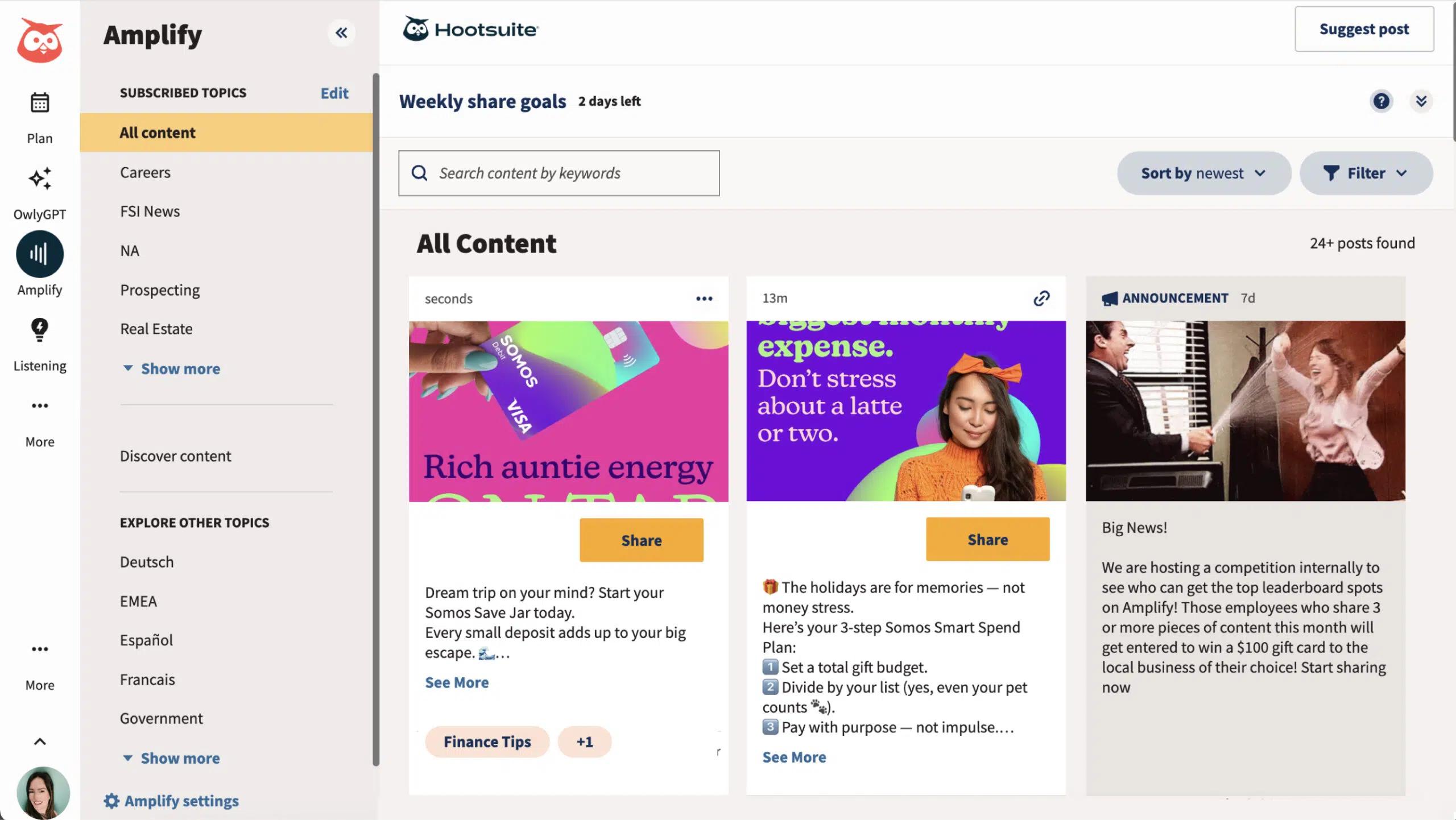
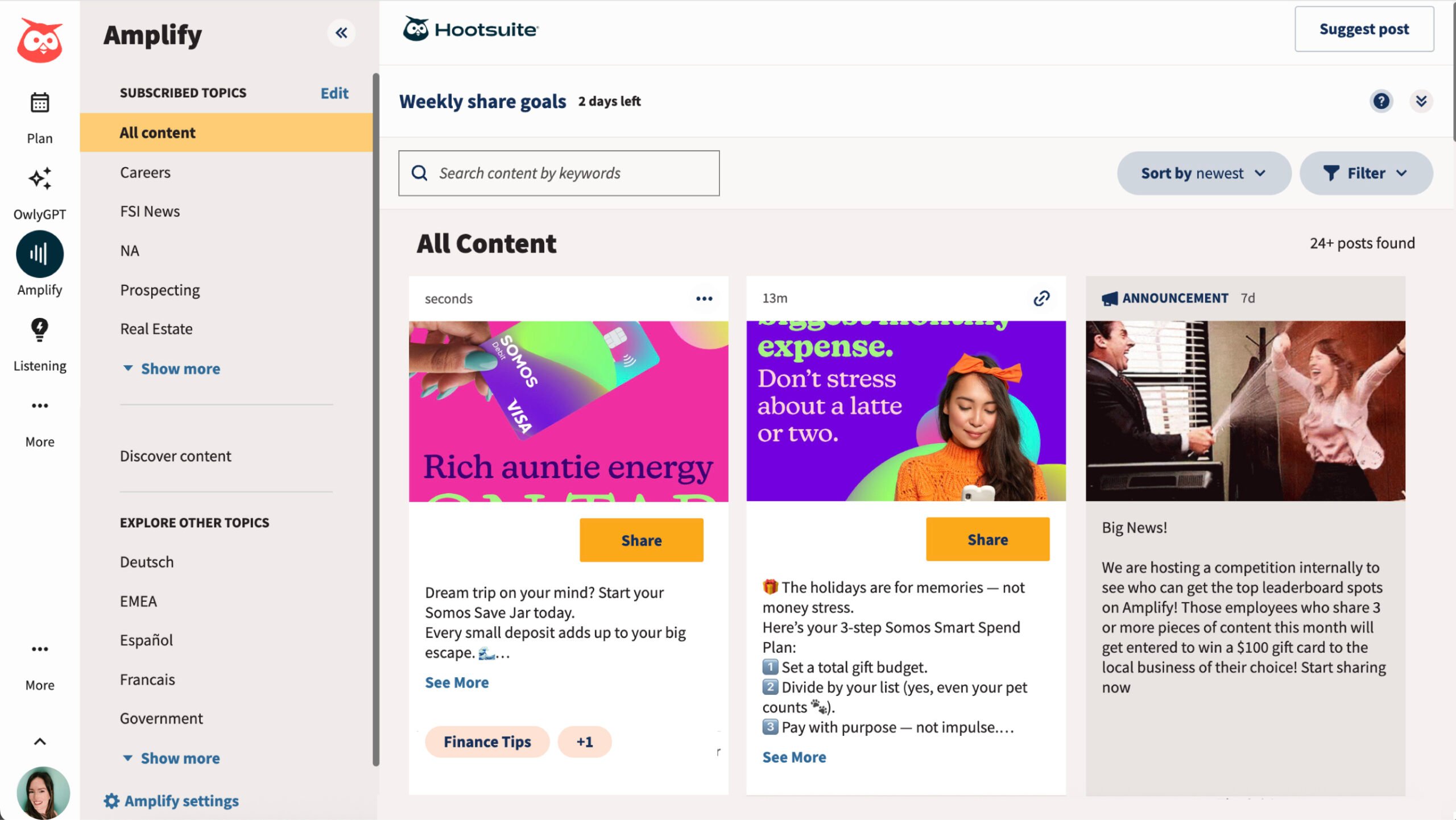
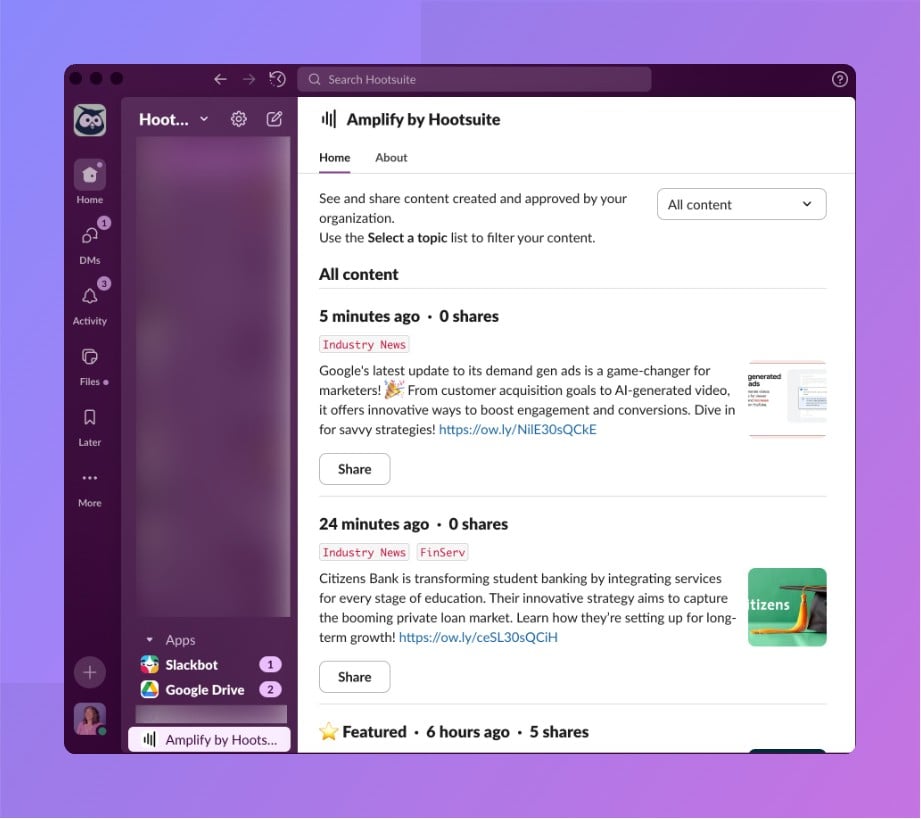
- Access to Curated, High-Quality Content: Many advocacy programs, especially those utilizing platforms like Hootsuite Amplify, provide employees with a steady stream of pre-approved, high-quality content, simplifying the process of finding relevant and impactful material to share.
Crafting Effective Content for Advocacy
The success of an employee advocacy program hinges on the quality and relevance of the content shared. In a digital environment often criticized for its superficiality, authenticity reigns supreme.
- The Power of Authentic and Personal Narratives: On platforms like LinkedIn, where polished corporate rhetoric is abundant, authentic, personal stories cut through. As Eileen Kwok, former Social & Influencer Marketing Strategist at Hootsuite, notes, “Real experiences, expert insights, and innovative marketing approaches are the types of stories people want to see more of on LinkedIn.” Simple formats, such as text-based posts or those accompanied by a single image, often perform best due to their directness and ease of consumption.
- Balancing Brand Content with Personal Spin: The most effective approach involves employees taking ready-to-share brand content and infusing it with their unique voice and perspective. Kwok advises starting with pre-approved posts but allowing employees the flexibility to customize them. “To make Amplify content feel more personal, focus on small but meaningful adjustments. Write copy in the first person, give team members opportunities to customize their posts, and avoid overly rigid branding or logo-heavy visuals,” she explains. This personalization ensures that the message resonates genuinely with the employee’s network.
- Embracing External and Third-Party Content: A healthy advocacy program is not solely focused on self-promotion. Encouraging employees to share industry news, thought leadership, and relevant external insights positions them as knowledgeable professionals, not just corporate mouthpieces. This balanced approach builds credibility and broadens the scope of their engagement. Data from DSMN8 suggests that top-performing programs feature a diverse content mix: 34% company news, 28% external industry content, 20% employee-generated content, and 18% leadership insights.
- Repurposing Existing Assets: Companies do not need to constantly create new content for advocacy. Existing social media posts, blog articles, videos, and campaign assets can be repurposed into easily shareable updates. A quick refresh, such as changing a call to action to a personal takeaway, can revitalize older content. Tools like Hootsuite Amplify simplify this process by curating content from various sources into a single, accessible feed for employees.
Launching and Scaling an Employee Advocacy Program
Implementing a successful employee advocacy program requires a structured approach, starting with strategic planning and gradually building momentum.
- Secure Leadership Buy-in: Executive sponsorship is paramount. When leadership actively participates and champions the program, it signals its importance and encourages broader employee adoption.
- Define Clear Goals: Before launching, establish what the program aims to achieve. Whether it’s to boost brand awareness, enhance recruitment, drive engagement, or all of the above, clear objectives will guide content strategy and measurement.
- Identify Natural Advocates: Start small by identifying employees who are already active on social media and exhibit enthusiasm for the company. These early adopters will serve as internal champions and help refine the program’s mechanics.
- Curate Engaging Content: Provide a stream of diverse, authentic, and share-worthy content. Focus on stories that highlight people, celebrate successes, and offer genuine behind-the-scenes glimpses, avoiding overly corporate or jargon-filled messages.
- Simplify the Sharing Process: Ease of use is critical for participation. Employing an employee advocacy platform like Hootsuite Amplify allows employees to browse pre-approved content, personalize posts, and share them across multiple social networks seamlessly. Integrations with daily tools like Slack and Microsoft Teams further embed advocacy into existing workflows.
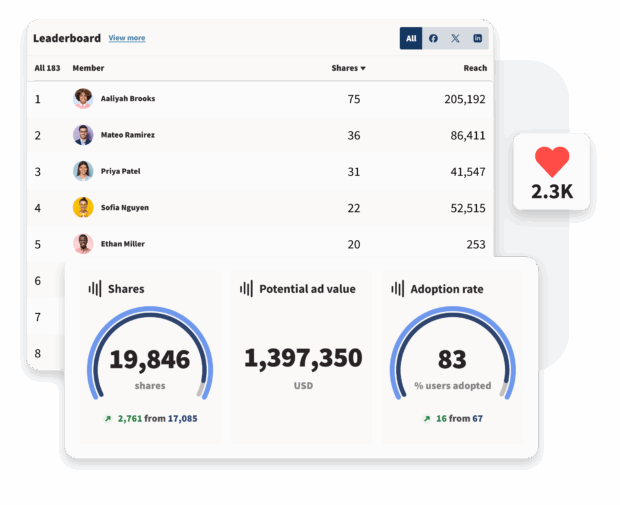
- Build Momentum and Incentivize: Host launch events or quick demos to familiarize employees with the platform and encourage initial participation. Implement friendly competitions or leaderboards, perhaps offering prizes for top sharers or teams, to sustain engagement and foster a sense of community.
- Establish Clear Guidelines: To maintain authenticity and compliance, provide a clear social media policy outlining “dos” and “don’ts.” This includes encouraging professionalism, relevance, and positivity, while cautioning against sharing confidential information, offensive content, or making competitive claims. Offering resources like storytelling workshops or design templates can further empower employees.
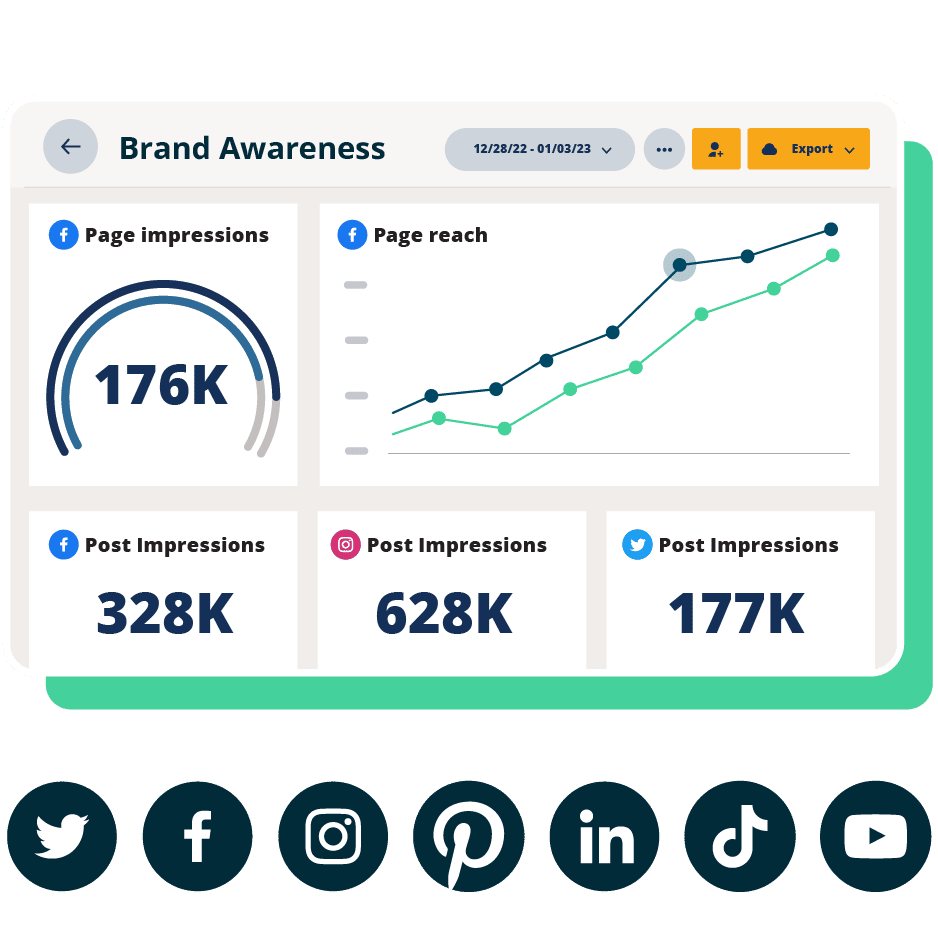
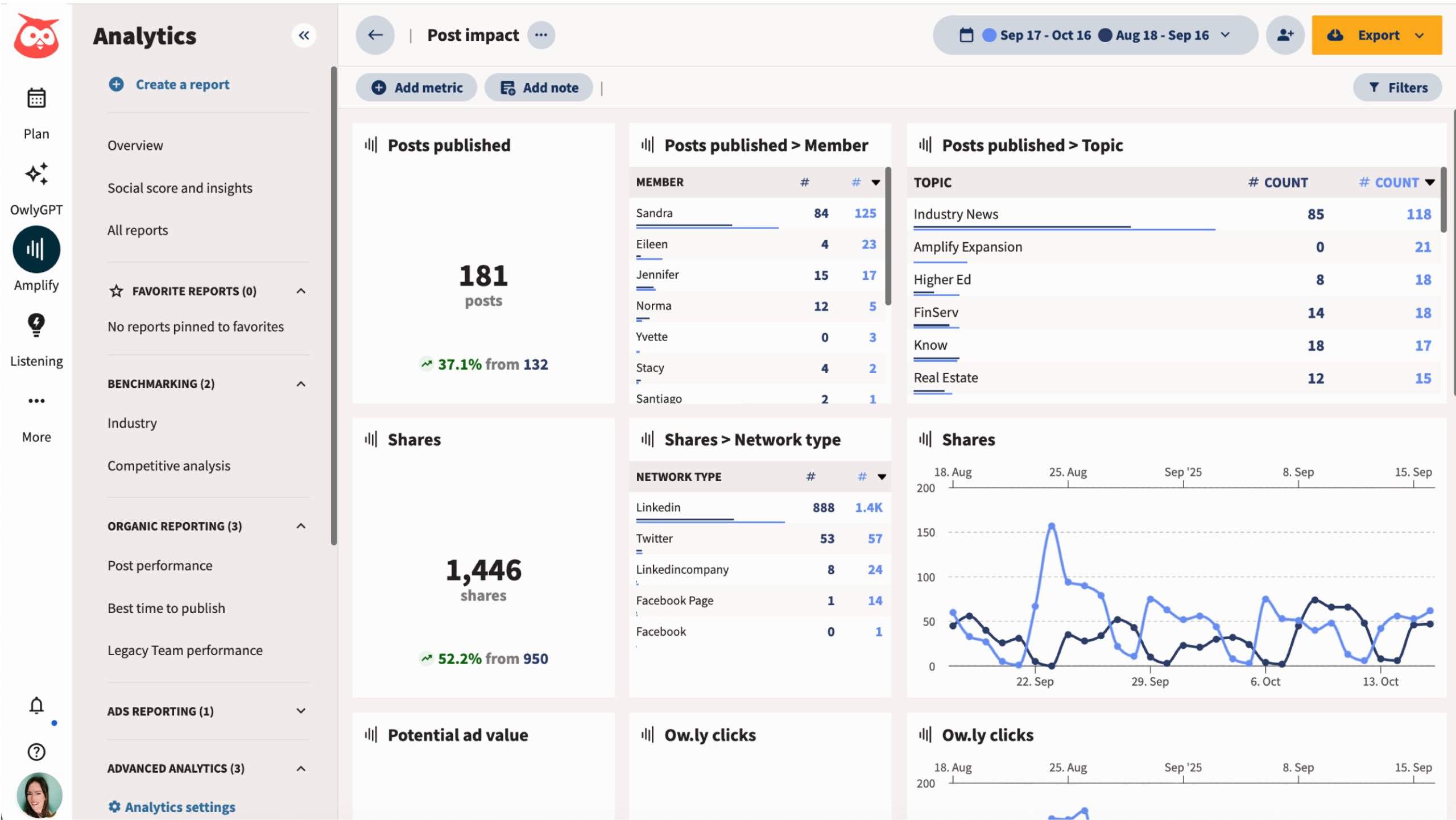
- Measure and Iterate: Continuously track participation and performance metrics. Analyze what content resonates, identify top advocates, and use these insights to refine the program’s strategy and content offerings. Tools like Hootsuite Amplify offer real-time analytics for comprehensive program oversight.
Measuring Success and Demonstrating ROI
Measuring the success of an employee advocacy program requires a holistic approach, aligning key performance indicators (KPIs) with the program’s initial goals. The return on investment (ROI) is typically observed across increased brand reach, enhanced trust, and tangible earned media value.

- Participation Metrics: Track the number of active users, average posts shared per employee, and overall content views within the advocacy platform.
- Engagement Metrics: Monitor likes, comments, shares, and click-through rates on employee-shared content. Compare these to metrics from branded posts to highlight the advocacy advantage.
- Recruitment Metrics: Assess the impact on talent acquisition by tracking career page traffic from employee-shared links, the number of job applications generated, and ultimately, the quality and volume of hires influenced by the program.
- Culture Metrics: Gauge improvements in employee satisfaction, retention rates, and internal communication, often through surveys or feedback mechanisms.
The ROI of employee advocacy can be quantified through various lenses. Earned media value, which calculates the equivalent cost if the same reach and engagement were achieved through paid advertising, is a compelling metric. Additionally, tracking traffic and conversions attributed to employee-shared content directly links advocacy efforts to business outcomes. Platforms like the Hootsuite Employee Advocacy ROI Calculator and the real-time analytics within Hootsuite Amplify empower organizations to monitor these critical metrics without complex manual data compilation, providing clear visibility into the program’s financial and strategic impact.
In conclusion, employee advocacy is no longer an optional add-on but a fundamental component of a modern, effective communication strategy. By harnessing the authentic voices of its workforce, a company can navigate the complexities of digital trust, expand its reach exponentially, attract top talent, and cultivate a robust, engaged internal culture, positioning itself for sustained success in an ever-evolving market.