In a significant strategic shift set to reshape how advertisers engage with one of the world’s largest digital advertising ecosystems, Google announced in May 2026 that standalone Display campaigns will be fully absorbed into its Demand Gen campaign type. While the Google Display Network (GDN) itself remains a cornerstone of digital advertising, this evolution fundamentally alters the purchasing and management of ad inventory within it. This transition marks a pivotal moment, signaling Google’s accelerated commitment to artificial intelligence and automated campaign management, moving away from granular manual controls toward a more holistic, performance-driven approach.
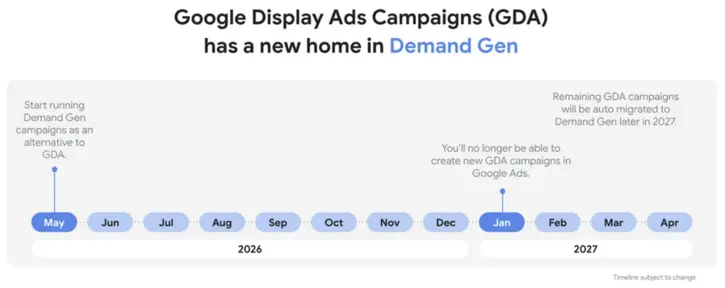
The integration, detailed by Google and analyzed by industry experts, is slated to be fully implemented by January 2027. This provides advertisers with a substantial seven-month window, encompassing the crucial holiday season, to adapt their strategies and campaigns. Following this period, any remaining standalone Display campaigns will be automatically migrated to Demand Gen, a process for which Google has yet to provide a definitive completion date. This move is not merely a technical adjustment but a philosophical one, reflecting Google’s broader vision for advertising’s future.
The Evolution from Display to Demand Gen: Understanding the Core Changes
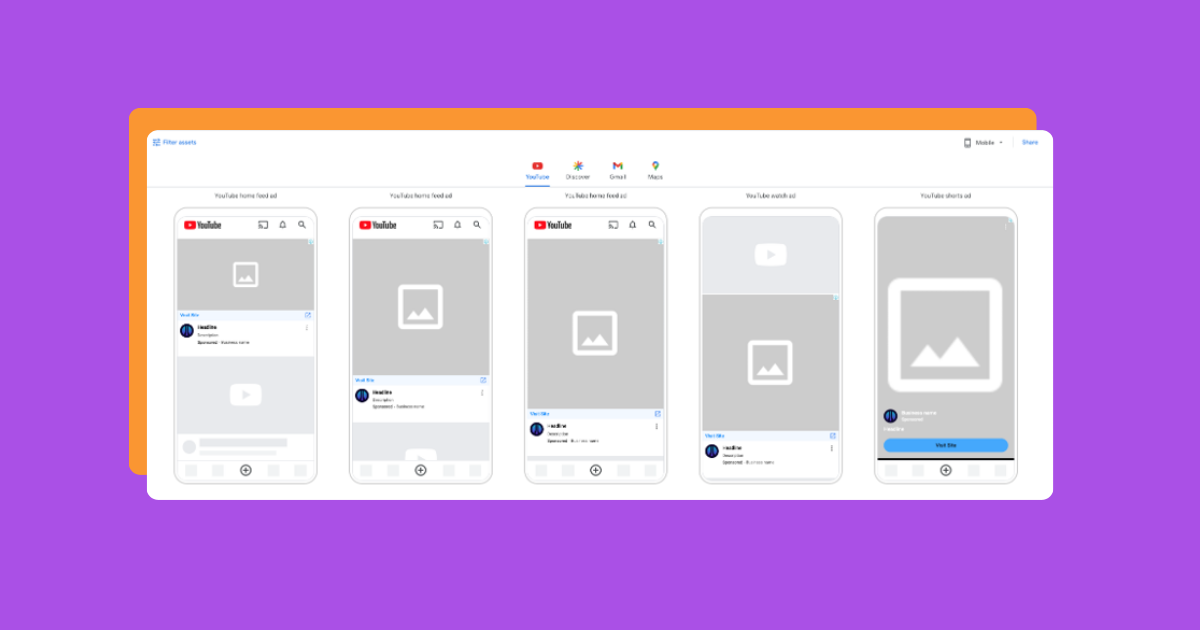
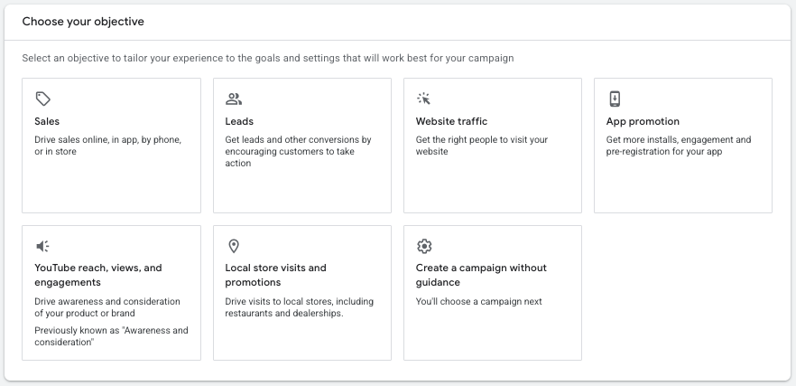
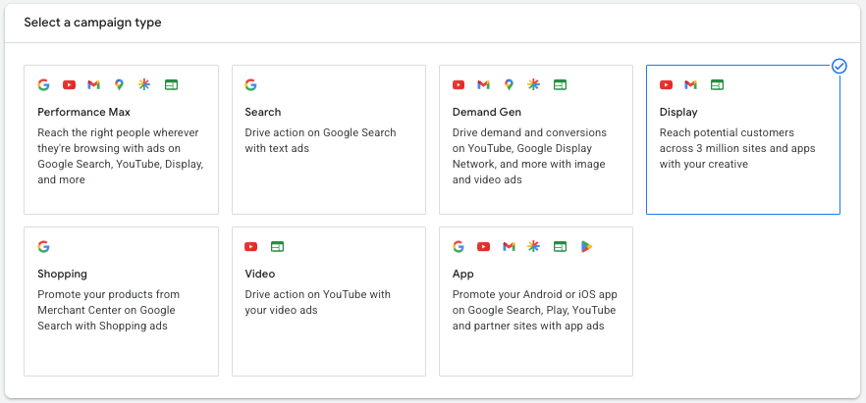
At its heart, the transition means that the option to create a "Display" campaign directly within the Google Ads interface will be phased out. Previously, advertisers would select "Display" as a distinct campaign type when initiating a new campaign, allowing them to leverage the vast reach of the GDN. Moving forward, the primary gateway to the GDN, along with other Google properties like YouTube, Discover, Gmail, and Maps, will be through Demand Gen campaigns.
This change does not signify the demise of the GDN; on the contrary, its continued importance is underscored by its deep integration into the Demand Gen framework. The GDN, a network of over two million websites, apps, and Google-owned properties, has long been a powerful tool for broad reach and brand awareness. However, the new paradigm shifts the focus from direct placement control to an AI-driven system designed to identify and engage potential customers across their entire digital journey.
Demand Gen campaigns are characterized by a more significant reliance on Google’s machine learning algorithms. This automation is intended to enhance performance by leveraging a wider array of data points for audience targeting, creative optimization, and bid adjustments. While this promises potentially improved outcomes through sophisticated audience segmentation and predictive analytics, it also entails a reduction in the manual controls previously available to advertisers in standalone Display campaigns. The trade-off is a more automated, potentially more volatile, but ultimately more integrated advertising experience.
Timeline and Transitionary Phases
The announcement in May 2026 set the stage for a phased rollout. The critical deadline for advertisers to manually create new standalone Display campaigns is January 2027. This extended period is designed to facilitate a smoother transition, allowing advertisers to experiment, learn, and migrate their existing efforts. The subsequent automatic migration of existing campaigns will further ensure continuity, although the exact timeline for this final phase remains under observation.
The shift from manual control to AI-driven automation is a recurring theme in Google’s advertising product evolution. This move is consistent with broader industry trends where platforms are increasingly leaning on machine learning to optimize campaigns in real-time, adapting to user behavior and market dynamics with greater agility than human oversight alone can often achieve.
The Impact of Increased Automation and AI Integration
The increased reliance on AI within Demand Gen campaigns presents both opportunities and challenges for advertisers. On the one hand, Google’s advanced machine learning capabilities can lead to more precise audience targeting and creative delivery, potentially resulting in higher conversion rates and improved return on ad spend (ROAS). The ability to analyze vast datasets and predict user intent allows for more effective engagement at critical points in the customer lifecycle.
However, this enhanced automation also means a decrease in granular control. Advertisers who have historically relied on meticulously curated negative placements, specific audience exclusions, or manual bid adjustments may find the transition demanding. The "black box" nature of some AI-driven systems can lead to unpredictability, with performance potentially experiencing more significant fluctuations as the algorithms learn and adapt. This necessitates a shift in advertiser mindset, moving from direct manipulation of settings to a more strategic approach focused on guiding the AI through robust data inputs and clear campaign objectives.
The Growing Importance of Creative Assets
A significant implication of the Demand Gen framework is the amplified importance of creative assets. With Demand Gen campaigns spanning a wider array of placements, including visually rich formats on YouTube, Discover, and Gmail, the quality and adaptability of creative content become paramount. Advertisers will need to develop compelling visuals and messaging that resonate across diverse platforms and user contexts. The days of relying on generic banner ads may be waning, replaced by a demand for dynamic, engaging, and platform-optimized creative.
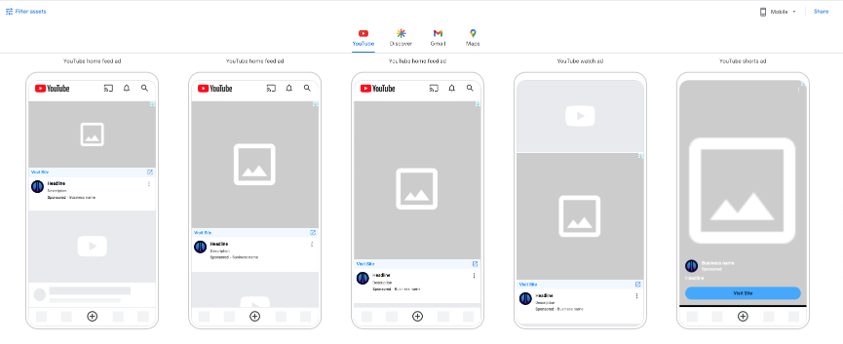
This evolution underscores the need for a sophisticated creative strategy. Advertisers must consider a variety of ad formats, including images, videos, and carousels, and ensure their assets are designed to capture attention and drive action in each unique placement. The success of Demand Gen campaigns will, therefore, be intrinsically linked to the quality and strategic deployment of creative content.
Strategic Imperatives for Advertisers
As the January 2027 deadline approaches, advertisers are urged to proactively prepare for this significant shift. The ample lead time provides a crucial opportunity to understand the new landscape and adapt existing strategies.
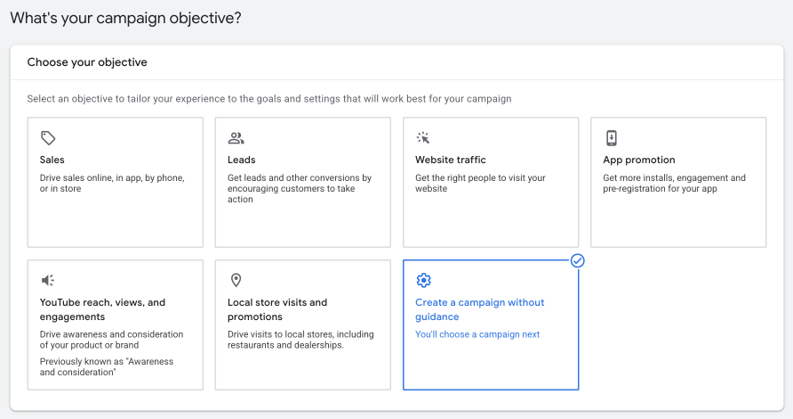
1. Hands-On Exploration of Demand Gen Campaigns:
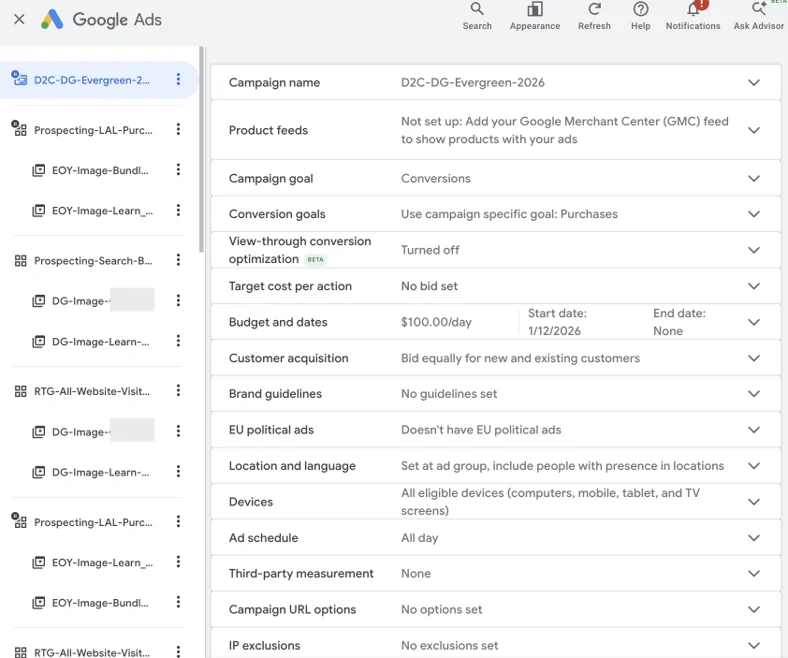
For advertisers unfamiliar with Demand Gen, the immediate recommendation is to dive into the platform’s testing and draft campaign functionalities. Creating test campaigns without goal guidance offers the most comprehensive view of available settings. This allows for a thorough understanding of audience targeting options, bidding strategies, creative requirements, and performance metrics without incurring live campaign spend. Familiarizing oneself with the nuances of Demand Gen is the foundational step toward a successful transition.
2. Comprehensive Audit of Existing Display Campaign Settings:
A critical preparatory step involves meticulously documenting the current configurations of existing Display campaigns. This includes identifying successful audience segments, high-performing placements, and crucially, any negative placements that have been implemented to safeguard ad spend and brand integrity. Understanding which specific targeting parameters and exclusions have yielded positive results will be invaluable when attempting to replicate or adapt these strategies within the Demand Gen framework.
3. Replicating and Migrating Existing Display Campaigns:
A logical starting point for migration is to replicate successful Display campaigns within the Demand Gen structure. Google offers a migration tool that can streamline this process by converting existing Display campaigns into Demand Gen campaigns, carrying over historical data and settings where possible. Alternatively, manual replication allows for more precise control and customization. For those opting for manual creation, careful attention must be paid to ad group network settings, specifically selecting the GDN to mimic the original Display campaign’s reach. This phased approach allows for gradual adaptation and testing before fully committing to the broader capabilities of Demand Gen.
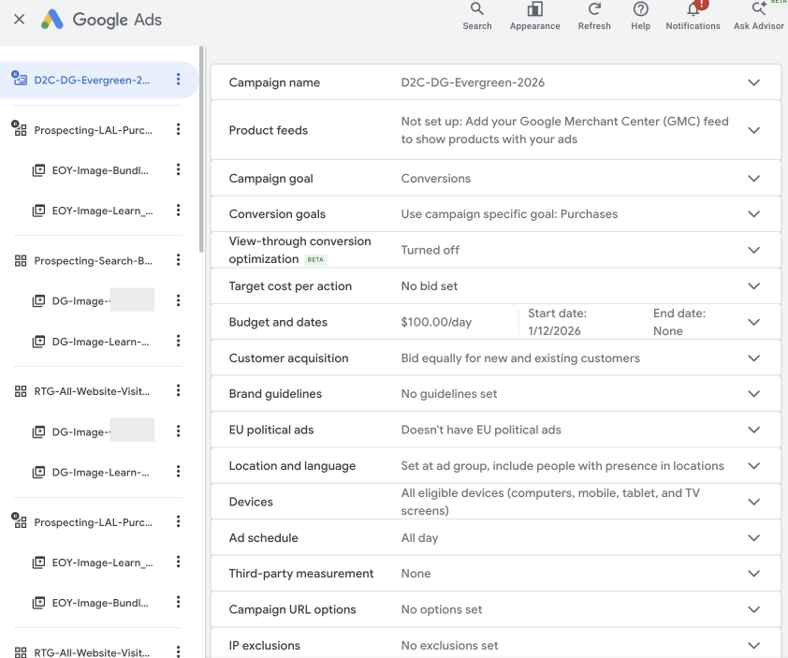
4. Gradual Expansion into Broader Demand Gen Capabilities:
Once a baseline has been established by replicating existing Display campaigns, advertisers are encouraged to explore the expanded network coverage offered by Demand Gen. This includes leveraging inventory beyond the GDN, such as YouTube and Discover, to potentially uncover new audiences and incremental performance gains. By strategically expanding network settings on well-performing campaigns, advertisers can gauge the effectiveness of broader reach while maintaining a controlled testing environment.
5. Developing New Key Performance Indicators (KPIs):
Given the fundamental differences in campaign structure, targeting, and automation, direct year-over-year comparisons between old Display campaigns and new Demand Gen campaigns can be misleading. It is therefore imperative to establish a new set of KPIs that are relevant to the Demand Gen environment. While existing positive performance benchmarks are valuable, the focus should shift to evaluating the success of Demand Gen campaigns against their own evolving metrics. This involves setting realistic goals, tracking progress, and iterating based on the insights generated by the AI-driven system.
Broader Implications for the Digital Advertising Landscape
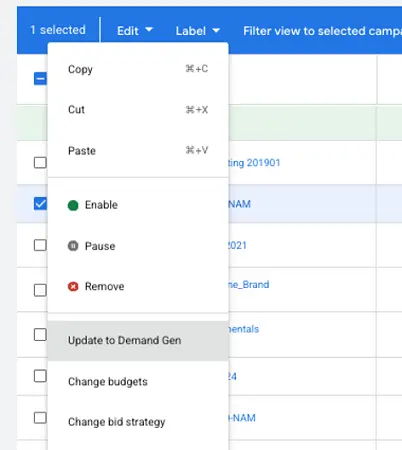
The integration of Display campaigns into Demand Gen signifies a broader trend in digital advertising: the increasing dominance of AI and automation. This shift has profound implications for advertisers, agencies, and the overall digital ecosystem. For advertisers, it necessitates a continuous learning curve and an adaptability to new platform functionalities. For agencies, it requires evolving service offerings to encompass advanced data analysis, creative strategy development, and strategic guidance for AI-driven campaigns.
From a market perspective, this move by Google reinforces its commitment to a future where advertising is more predictive, personalized, and integrated across its vast network of platforms. While some may lament the loss of granular control, the potential for enhanced efficiency and effectiveness through AI-powered automation cannot be understated. As the digital advertising landscape continues its rapid evolution, staying abreast of such strategic shifts and proactively adapting strategies will be crucial for sustained success. The transition from standalone Display campaigns to the integrated Demand Gen framework is not merely a technical update; it is a fundamental reshaping of how brands will connect with consumers in the digital age.