In today’s hyper-connected, content-saturated world, a brand’s ability to articulate its essence clearly and consistently is no longer a luxury but a fundamental necessity for survival and growth. This strategic articulation, known as brand messaging, encompasses how a brand communicates its core value, distinct personality, and overarching purpose through carefully chosen words across every touchpoint. Without a cohesive messaging strategy, even the most innovative products or services risk being lost in a cacophony of competing voices, failing to resonate with their intended audiences.

The Evolution of Brand Communication in a Dynamic Landscape
The landscape of brand communication has undergone a profound transformation over the past few decades. Historically, brand messages were largely controlled through traditional advertising channels like print, radio, and television, allowing for a more centralized and top-down narrative. Brands dictated their stories, and consumers passively received them. However, with the advent of the internet and the proliferation of digital platforms – from social media networks to e-commerce sites and instant messaging apps – the communication paradigm has shifted dramatically. Consumers are now active participants, co-creators of brand narratives, and their expectations for authenticity, personalization, and immediate engagement have never been higher.

This evolution has amplified the critical need for a robust brand messaging framework. Brands are no longer just selling products; they are selling experiences, values, and identities. Each interaction, whether a customer landing on a homepage, scrolling through an Instagram feed, or engaging with customer support, contributes to the overall brand perception. In this multi-channel, always-on environment, a consistent message ensures that a brand sounds like itself everywhere, fostering recognition, trust, and ultimately, choice.
Deconstructing Brand Messaging: Distinctions and Definitions
To fully grasp the power of brand messaging, it is crucial to differentiate it from closely related concepts like brand positioning and brand voice. While often lumped together, these terms serve distinct yet interconnected functions within a broader brand strategy.
- Brand Positioning: This is the strategic blueprint. It defines a brand’s unique place in the market relative to its competitors and its target audience. It answers fundamental questions: Who do we serve? What category do we compete in? Why should customers choose us over alternatives? A positioning statement is typically an internal document that guides strategic decisions, rarely changing over time. For instance, "We are the affordable, high-quality option for small businesses seeking streamlined operations" is a clear positioning statement, even if not externally glamorous.
- Brand Messaging: This is the tactical execution. It translates the brand’s positioning into the words and narratives used to communicate its value, personality, and purpose. It includes elements like the value proposition, key message pillars, and proof points. Brand messaging is both internal (guiding content creators) and external (shaping all public-facing copy). It evolves occasionally as the audience and product offerings develop.
- Brand Voice: This is the stylistic manifestation. It describes the consistent personality and style imbued in all brand communications. Is the brand warm, authoritative, playful, or irreverent? Brand voice provides guidelines on how the message should sound. While the tone might adapt to different situations (e.g., serious for a complaint, enthusiastic for a launch), the underlying voice remains constant, ensuring consistency in feeling and expression.
In essence, positioning is the strategic "what," messaging is the communicative "how," and voice is the expressive "character." All three must align to create a coherent and impactful brand identity.
The Indispensable Role of Robust Messaging: Driving Business Outcomes
Strong brand messaging is not merely a creative exercise; it is a strategic imperative that directly contributes to a brand’s commercial success and long-term viability. Its importance can be observed through several key impacts:

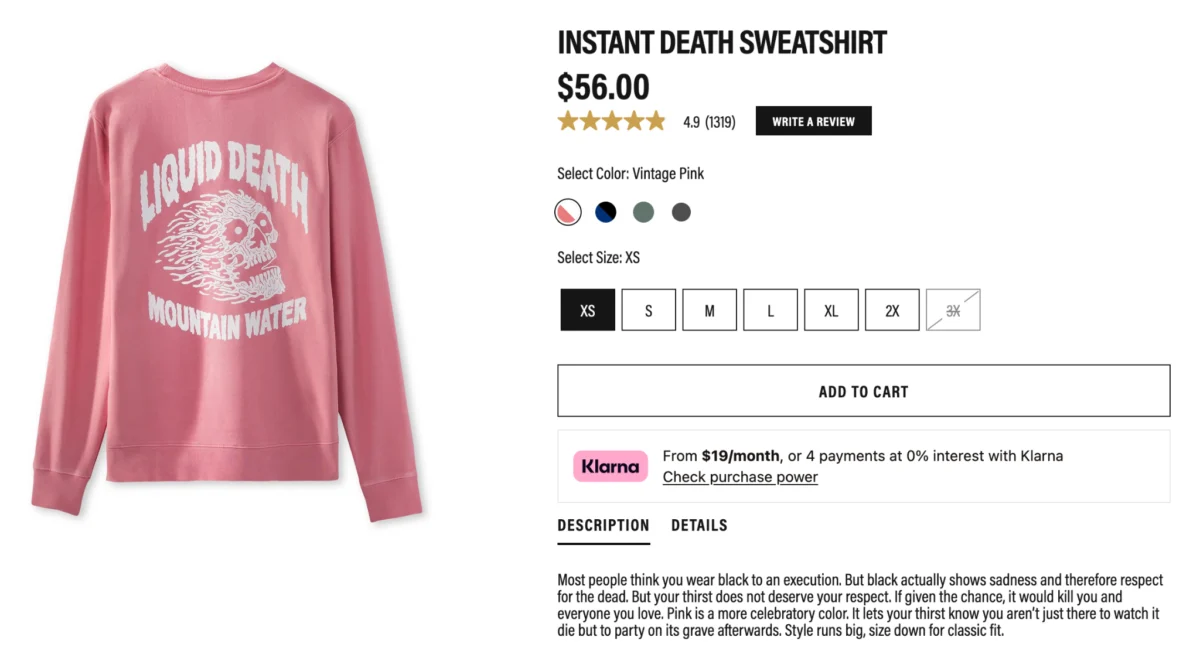
- Cultivating a Cohesive and Recognizable Identity: In a fragmented media landscape, consistency is paramount. A brand speaks through its website, social media posts, advertisements, sales materials, emails, and customer support interactions. Clear brand messaging ensures that all these conversations emanate from a singular, recognizable source. Industry reports consistently highlight the value of this coherence; studies by Nielsen and others indicate that brands with consistent presentation are up to 3.5 times more likely to enjoy excellent brand visibility. Furthermore, consistent branding across all channels can increase revenue by up to 23%, demonstrating the tangible financial benefits of a unified voice. Brands like Liquid Death exemplify this, maintaining their distinct, edgy persona even in product descriptions, making their identity unmistakable.
- Achieving Market Differentiation and Competitive Advantage: Most brands can make similar claims: "great service," "high quality," "innovative features." Effective brand messaging transcends these generic assurances, cutting through what experts call "corporate beige." It focuses on a unique point of view, a recognizable voice, or an empathetic understanding of the customer’s world that competitors simply cannot replicate. In crowded categories where products may offer genuinely similar functionalities, differentiation through messaging becomes the ultimate tie-breaker. Research suggests that 77% of consumers buy from brands that share their values or have a distinct personality, underscoring the power of emotional connection over mere feature lists. A practical litmus test: if your homepage copy works just as well with a competitor’s name swapped in, your messaging lacks true differentiation.
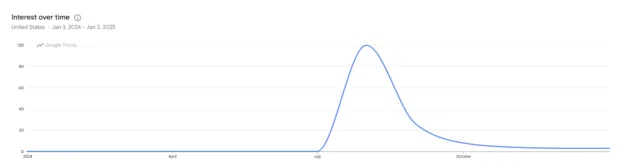
- Streamlining Content Creation and Enhancing Agility: A well-defined brand messaging framework empowers content teams by removing guesswork. Knowing which angles to emphasize, which to avoid, and how to articulate offerings without resorting to empty buzzwords dramatically accelerates content production. This agility is particularly crucial in social media, where trends emerge and dissipate rapidly. For instance, teams with clear messaging guidelines can quickly assess whether a trending topic aligns with their brand voice, allowing for timely and authentic participation, as opposed to forcing a fit or missing the window entirely, much like the fleeting "very demure, very mindful" trend captured by Google Trends. Marketing teams with clearly defined brand guidelines often report up to a 50% increase in content production efficiency, translating into significant time and resource savings.
The Anatomy of a Powerful Messaging Framework
A comprehensive brand messaging framework serves as a central repository for all critical brand communication elements, ensuring alignment across the organization. Typically, such a framework encompasses seven key components:

- Mission and Purpose: This foundational statement articulates the brand’s reason for existence beyond profit. It’s the "why" behind the "what," often expressed in one or two aspirational sentences. Sweetgreen’s mission, for example, extends beyond selling salads to "leading a movement to reimagine fast food for a new era" by "connecting people to real food."
- Value Proposition: This explains the tangible benefits customers receive from choosing the brand. It’s the brand’s elevator pitch, focusing on outcomes rather than just product features. Hello Fresh’s value proposition, "Whatever your week looks like, dinner’s covered," highlights the relief and convenience it offers, rather than simply stating "meal kits delivered weekly."
- Positioning Statement: As discussed, this internal statement clarifies the brand’s market position: target audience, competitive category, and unique differentiators. It prioritizes honesty and strategic clarity over marketing fluff.
- Target Audience: This section meticulously defines the intended recipients of the messaging, including their demographic profiles, psychographic traits, goals, pain points, needs, and the specific language they use to describe their challenges. Messaging tailored for "everyone" often resonates with no one; therefore, understanding specific audience segments is crucial. A project management tool, for instance, might need different messaging for managers (visibility), executives (deadlines), and employees (reduced busywork).
- Key Message Pillars: These are the three to five core ideas or themes a brand wants its audience to associate with it. Each pillar typically covers an essential aspect of the brand’s value, such as innovation, affordability, customer support, or ease of use. Each pillar should be supported by a brief description of the benefit and relevant features.
- Voice and Tone Guidelines: This section formalizes the brand’s personality (voice) and how that personality adapts to different contexts (tone). It often uses "do’s and don’ts" or "but not" boundaries (e.g., "playful but not childish") to ensure consistent application. A brand might maintain a generally witty voice but adopt a more empathetic tone when addressing customer complaints.
- Proof Points: These are the verifiable facts and evidence that substantiate the claims made in the message pillars. They are the "receipts" that build credibility, including statistics, customer testimonials, case studies, industry credentials, guarantees, and specific product features. For example, if a pillar is "Spend less time on admin," proof points could include automation features, templates, integrations, and customer success stories highlighting hours saved.
Crafting Your Brand’s Narrative: A Step-by-Step Approach
Building a robust brand messaging framework requires a systematic approach, moving from foundational strategy to practical application:

- Define Foundational Principles: Begin by articulating your brand’s overarching purpose and precise market positioning. What unique idea do you want customers to associate with your business? Is it unparalleled quality, exceptional service, or groundbreaking innovation? Vague positioning—one that could describe any competitor—is a common pitfall. The goal here is clarity and differentiation.
- In-Depth Audience Mapping: Your messaging cannot effectively speak to everyone simultaneously. Identify distinct audience segments and delve deep into their motivations. For each segment, pinpoint their specific goals, pressing pain points, unmet needs, and the language they employ to articulate these. This granular understanding ensures that your message pillars are genuinely relevant and resonate with real people.
- Develop Core Message Pillars: Based on your positioning and audience insights, draft three to five key message pillars. For each pillar, outline the core idea, the primary benefit it offers the customer, and the features or actions that support this benefit. For instance, if a pillar is "Enhanced Productivity," the benefit might be "streamlined workflows," and supporting features could include "AI-driven automation" or "seamless integrations."
- Establish Voice and Tone Protocols: Determine the enduring personality of your brand (voice) and how its expression adjusts across various situations (tone). Select three to four core personality traits and define their boundaries (e.g., "authoritative but not arrogant"). Crucially, document how your tone should adapt—from energetic for a product launch to calm and empathetic for a crisis communication.
- Strategic Rollout and Internal Adoption: A framework’s value is realized only through consistent usage. Store the document in an easily accessible location for the entire team. Establish clear ownership for the framework and define approval workflows tailored to your team’s size. For small businesses, a founder or marketing lead might oversee major campaigns, while everyday content adheres to guidelines. Mid-size organizations benefit from designated reviewers and centralized workflows. Enterprise teams often require multi-step processes involving brand, legal, and compliance departments, frequently managed through dedicated approval tools.
- Continuous Monitoring and Iteration: View your messaging framework as a living document, not a static artifact. Regularly review its effectiveness and update it based on performance data and audience feedback. Insights gleaned from sales calls, customer support tickets, social media comments, and analytics can reveal what’s resonating and what needs refinement. This iterative process ensures the messaging remains relevant and impactful in an evolving market.
Navigating Common Messaging Pitfalls
Even with a well-designed framework, brands often fall prey to common mistakes that dilute their messaging effectiveness:
- The "Everyone" Trap: The belief that appealing to a broader audience leads to greater reach is often a fallacy in messaging. As Mallika Malhotra of The Brand CEO points out, "Most brands lose people because their messaging is so generic, it could describe a dozen other businesses in the same space." The antidote is extreme specificity. Malhotra illustrates this with a fitness coach example: "I help women over 40 in menopause who are doing everything right and still not seeing results finally lose weight" is far more memorable and referable than "I’m a fitness coach for women."
- Brand-Centric Myopia: Many brands make themselves the main character in their narrative, inadvertently pushing the audience to the periphery. Ayo Ogunde, Brand Strategist and Fractional CMO, notes, "Businesses work hard to stand out but forget to stay relevant. Their content is all about them: their story, their process, and their wins instead of naming what their audience is actually going through." Messaging overly focused on "we," "our," and "us" fails to connect. The perspective must shift to the audience, validating their experiences and problems. "People don’t buy from brands they admire," Malhotra asserts, "They buy from brands that make them feel understood."
- Underestimating Audience Distraction: Brands often overestimate the audience’s inherent interest. Ogunde stresses, "I have never once lain awake thinking about your brand, and neither has anybody else. Most messaging gets written as though the audience arrived interested. They typically didn’t, so you can’t explain your way in." Messaging must be crafted for a distracted audience scrolling past, capable of capturing attention quickly and conveying value succinctly, without requiring deep prior engagement.
- Confusing Volume with Clarity: When messaging fails to land, the natural instinct is often to produce more content—more posts, more platforms, more noise. Malhotra observes, "Brands think the fix is posting more, or showing up on another platform. But if your message isn’t clear, more of it just means more noise." Increased content simply amplifies the existing message. If it’s vague, it only magnifies confusion. Prioritizing clarity and precision through rigorous pressure-testing of the message before scaling output is crucial for building momentum.
Ensuring Messaging Cohesion Across Growth
Maintaining consistent brand messaging becomes increasingly challenging as an organization grows, but it is critical for long-term brand equity. Three key strategies can help:

- The Power of Centralized Documentation: Brand inconsistency often stems from a "documentation problem," as Malhotra highlights. When brand guidelines reside in disparate documents or informal understandings, messaging inevitably drifts. A single, comprehensive document detailing ideal customers, positioning, niche, and core messaging serves as an indispensable "single source of truth," ensuring that every team member understands what "on-brand" truly means.
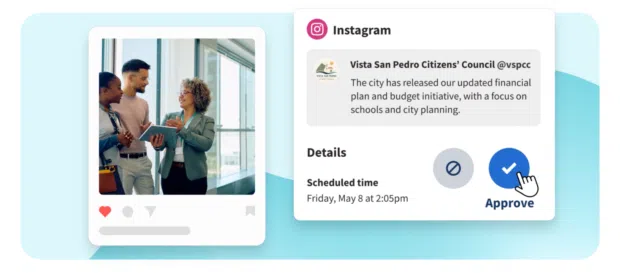
- Streamlined Planning and Approval Workflows: Centralizing content planning and approval processes is one of the most effective ways to maintain messaging consistency. Relying on scattered "Can you review this?" requests across emails and chat threads is inefficient and prone to error. Utilizing social media management tools that integrate content calendars with built-in approval workflows ensures that all captions, visuals, and channel-specific edits are reviewed and approved in one place before publication. Proactively linking the messaging framework directly into content briefs further embeds consistency at the creation stage.
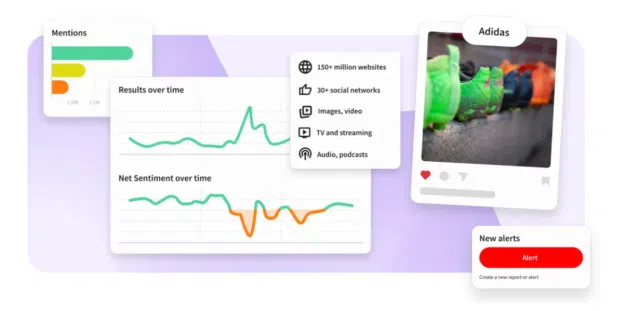
- Proactive Monitoring of Brand Perception: Messaging is not a static exercise; its effectiveness must be continually evaluated in the real world. Social listening tools are essential for tracking how audiences perceive the brand’s message over time. These tools monitor brand mentions, analyze sentiment (positive, neutral, negative), measure share of voice against competitors, and identify emerging trends. By surfacing these signals early, teams can react swiftly if a campaign message is misinterpreted, if sentiment shifts, or if a competitor begins to dominate a crucial conversation, allowing for timely adjustments to the messaging framework.
Leveraging Technology for Messaging Excellence
In the modern marketing ecosystem, specialized tools are instrumental in operationalizing and maintaining consistent brand messaging. Platforms like Hootsuite offer integrated solutions that connect various aspects of content creation, distribution, and analysis.
- Perch for Unified Content Planning and Approvals: Hootsuite’s social media planning and publishing tool, Perch, empowers teams to translate brand messaging into ready-to-publish content seamlessly. It centralizes campaign planning, content calendar management, and scheduling across major social networks. Crucially, its built-in approval workflows allow teams to review and provide feedback on captions, visuals, and channel-specific adaptations efficiently, preventing off-brand content from going live. Perch also fosters consistency through shared content libraries, ensuring all team members utilize approved assets and templates.
- Lumen for Real-time Brand Perception Monitoring: Once content is published, Hootsuite’s social listening tool, Lumen, provides real-time insights into audience responses. Lumen tracks brand mentions, sentiment trends, share of voice, competitor conversations, and emerging topics across an extensive array of online sources. This allows brands to detect early signals of shifting sentiment, identify when a campaign message misses its mark, or recognize if competitors are encroaching on their narrative territory. Such timely intelligence enables agile responses, ensuring brand messaging remains relevant and effective.
- Wisdom for AI-Powered Content Creation and Alignment: Hootsuite’s social-first AI agent, Wisdom, assists teams in implementing their messaging framework directly into content creation. Instead of facing a blank page, marketers can leverage Wisdom to draft, rewrite, or adapt social copy while adhering to established brand voice guidelines. For example, users can prompt Wisdom to "Draft a witty tweet about our new product launch that highlights its ease of use," "Rewrite this Instagram caption in a more empathetic tone for customer support," or "Adapt this blog post excerpt into three distinct social media posts for LinkedIn, X, and Facebook, each reflecting our brand voice." Wisdom significantly accelerates the content generation process while ensuring brand alignment, though human oversight for final review and approval remains essential.
Conclusion
Strategic brand messaging is the bedrock upon which memorable and successful brands are built. In an era defined by constant digital chatter and evolving consumer expectations, the ability to communicate clearly, consistently, and authentically is paramount. By meticulously defining a brand’s purpose, understanding its audience, crafting compelling narratives, and leveraging technological enablers, organizations can forge powerful connections, differentiate themselves in crowded markets, and drive sustainable growth. It is an ongoing journey of refinement and adaptation, but one that yields significant returns in brand recognition, trust, and loyalty.