

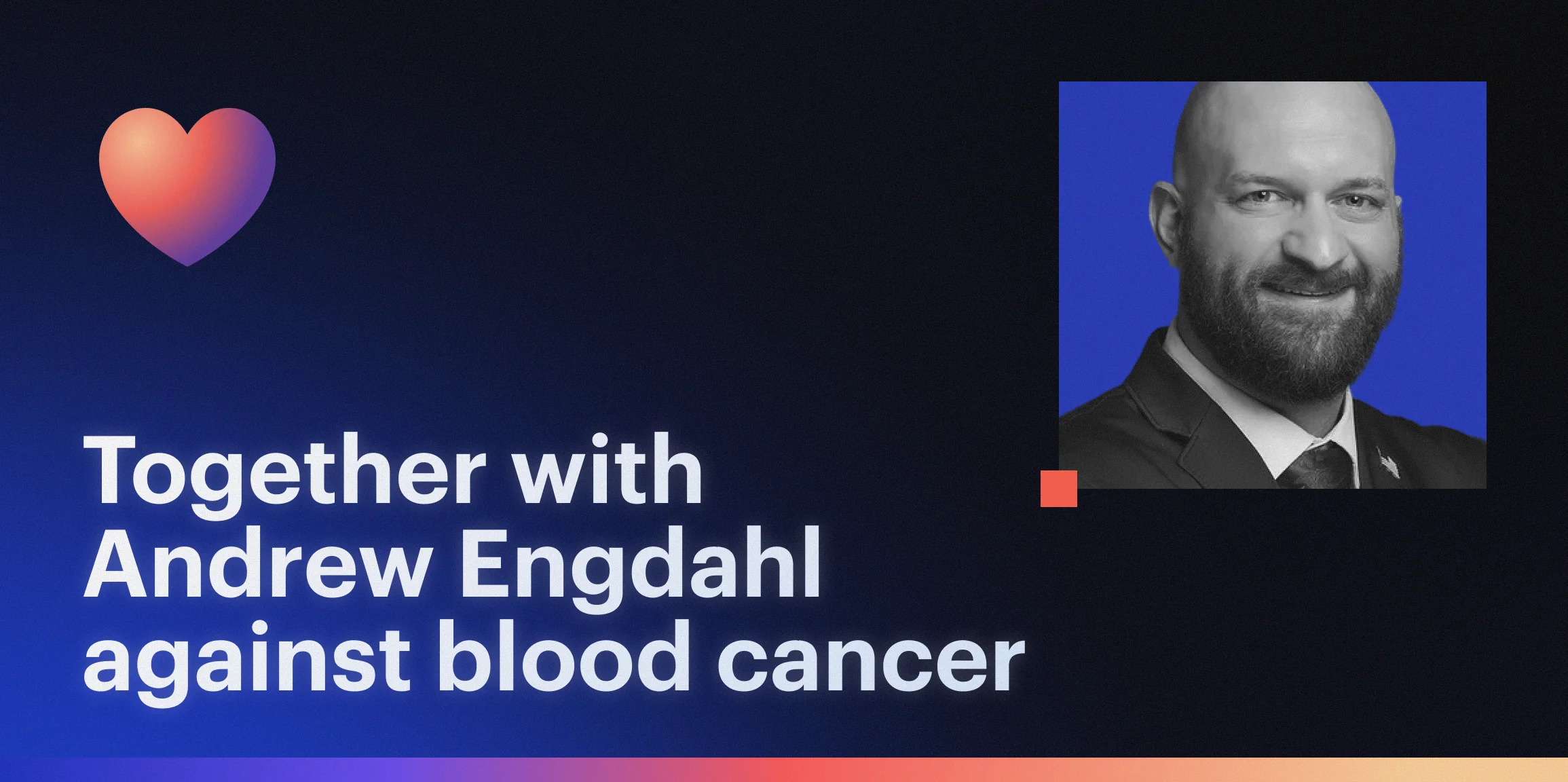
The landscape of corporate leadership often highlights achievements in revenue growth and market expansion, yet the personal narratives of the individuals driving these successes frequently provide the most profound insights into organizational resilience. Andrew Engdahl, the Head of Sales at the landing page platform Instapage, has been officially nominated as a candidate for the Blood Cancer United Visionaries of the Year. This prestigious recognition is reserved for leaders who leverage their professional platforms and personal influence to advance the fight against hematologic malignancies. Engdahl’s nomination is not merely a reflection of his professional tenure at Instapage—where he has been instrumental in securing the company’s largest contracts—but is a testament to a harrowing personal battle with Stage 4 Non-Hodgkin’s Lymphoma that began less than three years ago.
The Visionaries of the Year campaign is a highly competitive philanthropic initiative that brings together influential community and business leaders to raise funds for research, patient advocacy, and the development of life-saving treatments. Engdahl’s candidacy comes at a pivotal time for blood cancer research, as the field transitions toward more personalized therapies. By utilizing his voice and leadership position, Engdahl aims to meet a personal fundraising goal of $50,000, which will be funneled directly into support systems for patients and families who are currently navigating the complexities of a cancer diagnosis.
The Medical Chronology: From Symptom to Survival
The trajectory of Andrew Engdahl’s life shifted abruptly in the summer of 2022. At the time, Engdahl was deeply embedded in his role at Instapage, managing high-stakes sales operations. The initial indicators of his illness were deceptive; what he initially perceived as routine muscle tension or a minor physical strain quickly escalated into a debilitating medical crisis. Following a series of diagnostic tests, Engdahl was diagnosed with Stage 4 Non-Hodgkin’s Lymphoma (NHL), an advanced form of cancer that originates in the lymphatic system and, in his case, had progressed to a critical stage.
The diagnosis necessitated an immediate and aggressive intervention. Due to the location and progression of the malignancy, Engdahl underwent major spinal surgery to address complications arising from the cancer’s spread. This was followed by a grueling treatment regimen that included four lumbar punctures—procedures used to check for the spread of cancer to the central nervous system or to deliver chemotherapy directly into the spinal fluid—and six cycles of intensive chemotherapy infusions.
The recovery process was equally demanding. Beyond the clinical treatments, Engdahl committed to six months of intensive physical therapy and yoga to regain mobility and strength. This holistic approach to rehabilitation was essential in transitioning from a state of physical crisis to one of functional health. Today, Engdahl is nearly three years into remission, a milestone that represents both a medical triumph and a profound shift in his personal philosophy regarding leadership and social responsibility.
Understanding Stage 4 Non-Hodgkin’s Lymphoma
Non-Hodgkin’s Lymphoma is a category of blood cancers that affects the lymphocytes, a type of white blood cell that is vital to the body’s immune system. According to data from the American Cancer Society, NHL is one of the most common cancers in the United States, accounting for about 4% of all cancers. While the five-year relative survival rate for NHL has improved significantly due to advancements in immunotherapy and targeted treatments, a Stage 4 diagnosis remains a formidable challenge.
In Stage 4, the cancer has spread outside the lymph nodes to other organs, such as the liver, lungs, or bone marrow. In Engdahl’s specific case, the involvement of the spine added a layer of complexity that required surgical intervention. The medical community classifies Stage 4 as advanced, yet it is not necessarily incurable. Modern oncology has seen a surge in “durable remissions”—long periods where no cancer is detected—thanks to the very research that the Visionaries of the Year campaign seeks to fund.
The financial burden of such treatments is substantial. A single course of chemotherapy, combined with surgical costs and long-term rehabilitation, can reach hundreds of thousands of dollars. This reality underscores the importance of Engdahl’s $50,000 fundraising goal, as these funds often assist in bridging the gap for patients who lack comprehensive insurance or the financial safety net required to survive the “financial toxicity” associated with cancer care.
The Visionaries of the Year Campaign and World Cancer Day
Engdahl officially launched his campaign on World Cancer Day, an international awareness day led by the Union for International Cancer Control (UICC). The timing was intentional, designed to align his personal narrative with a global movement aimed at “closing the care gap.” The Visionaries of the Year initiative, often associated with organizations like the Leukemia & Lymphoma Society (LLS) and its affiliates, operates as a 10-week philanthropic competition.
Candidates are selected based on their leadership skills and their ability to mobilize their professional networks. The funds raised during this period are utilized for several key pillars:
- Research: Funding breakthrough therapies, such as CAR-T cell therapy, which trains a patient’s own immune cells to attack cancer.
- Patient Support: Providing educational resources, support groups, and financial assistance to those currently in treatment.
- Advocacy: Working at the legislative level to ensure that cancer patients have access to affordable care and that research remains a national priority.
For Engdahl, the campaign is a way to “pay it forward.” In public statements regarding his nomination, he expressed a deep sense of obligation to the medical professionals and support systems that facilitated his recovery. “I feel that I owe it to my physicians, my friends, family, and teammates, and all those affected by the scourge of blood cancer to pay it forward and make a difference while I still have the strength and ability to do so,” Engdahl noted.
Corporate Impact: Instapage’s Role and Resilience in Leadership
The response from Instapage highlights an evolving trend in corporate culture: the integration of empathy and personal advocacy into the professional sphere. Instapage has publicly endorsed Engdahl’s campaign, emphasizing his role as a “key member of the leadership team” and a driver of the company’s commercial growth. The company’s support serves as a case study in how organizations can stand by executives during health crises, ultimately benefiting from the unique perspective a survivor brings back to the boardroom.
From a business analysis perspective, Engdahl’s journey from a life-threatening diagnosis to leading a global sales team suggests a high degree of “resilience capital.” In the high-pressure world of tech sales, where targets and growth metrics are paramount, Engdahl’s experience has fostered a leadership style characterized by optimism and a “genuine sense of joy,” as described by his colleagues. This cultural impact is often intangible but can be a significant factor in team retention and morale.
Furthermore, by amplifying Engdahl’s story, Instapage is participating in a broader movement of corporate social responsibility (CSR). Supporting a high-profile employee’s philanthropic efforts allows a company to align its brand with health advocacy, which can resonate deeply with both clients and employees. In an era where “purpose-driven” work is highly valued, Instapage’s involvement in the fight against blood cancer provides a narrative of stability and human-centric values.
Broader Implications for Blood Cancer Research
The success of individual campaigns like Engdahl’s has a cumulative effect on the global trajectory of cancer treatment. Over the last decade, the mortality rate for certain types of leukemia and lymphoma has dropped more than almost any other cancer category. This is largely attributed to the influx of private and public funding that allows for rapid clinical trials.
The $50,000 goal set by Engdahl is part of a larger ecosystem of funding. When business leaders enter the philanthropic space, they often bring a results-oriented approach that can accelerate fundraising efforts. The “Visionaries of the Year” model specifically leverages the competitive nature of sales and executive leadership to maximize contributions, turning a professional skillset into a tool for social good.
As Engdahl continues his tenure as Head of Sales, his dual identity as a Stage 4 survivor and a tech executive provides a powerful counter-narrative to the idea that a terminal or advanced diagnosis marks the end of a professional career. His nearly three years of remission serve as a beacon of hope for the approximately 1.6 million people in the United States currently living with or in remission from a blood cancer.
Conclusion and Call to Action
The campaign led by Andrew Engdahl is currently active, with a dedicated portal for contributions. As he moves through the Visionaries of the Year competition, the focus remains on the dual objectives of raising awareness and securing the financial resources necessary to “defeat blood cancer.” His story serves as a reminder that the strengths required to navigate the corporate world—resilience, strategic thinking, and the ability to inspire others—are the same strengths required to navigate the complexities of a life-threatening illness.
For those looking to support the initiative, donations can be made through Engdahl’s official campaign page. The funds will contribute to a future where Stage 4 diagnoses are no longer met with fear, but with a clear, well-funded path toward recovery and a return to a full, productive life. Through the intersection of personal experience and professional leadership, Engdahl is not only closing deals for Instapage but is also working to close the gap in cancer care for patients worldwide.







