Evan Lee Salim
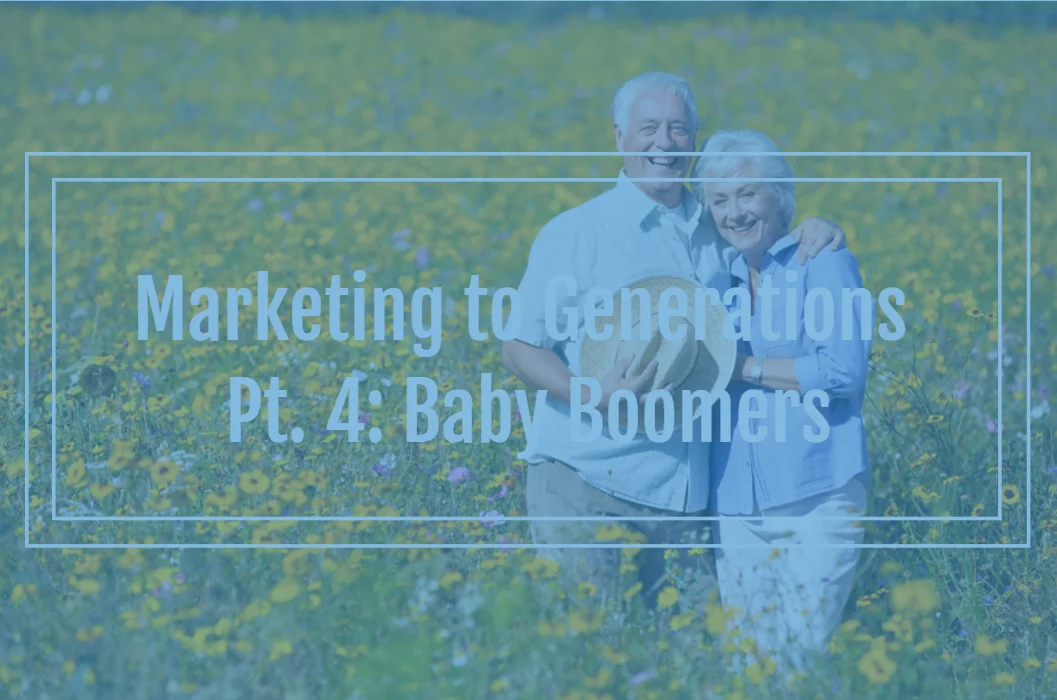
The term "target" is a cornerstone of modern marketing strategy. Its significance cannot be overstated, as effectively identifying and understanding the intended audience is paramount to successful campaigns. While traditional segmentation methods like behavioral, psychographic, demographic, and geographic targeting remain vital, a deeper understanding of generational nuances is equally crucial. This comprehensive series delves into digital marketing strategies tailored for distinct generations, including Gen Z (born 1995-2010), Millennials (1980-1994), Gen X (1960-1979), and the focus of this installment, Baby Boomers (1940-1959). By dissecting the unique characteristics, values, and consumption habits of each cohort, marketers can refine their approach to ensure their messages resonate and reach the right individuals through the most effective channels.
This article marks the conclusion of our in-depth exploration into marketing across generations, having previously examined strategies for engaging Gen Z, Millennials, and Gen X. Now, we turn our attention to the Baby Boomer generation, a demographic that has profoundly shaped the economic and social landscape and continues to hold significant purchasing power.
Historically, Baby Boomers constituted the largest generational cohort until the rise of the Millennials. Born in the post-World War II era, this generation has witnessed and experienced unprecedented technological advancements and sweeping societal transformations throughout their lives. While often the subject of younger generations’ humor and sometimes perceived through stereotypes, Baby Boomers possess a rich and complex history shaped by significant global and national events.
The Baby Boomer Mindset: Forged by History and Resilience
The formative years of Baby Boomers were shaped by a world still reeling from the devastation of World War II, an event that resulted in an estimated 60 million military and civilian deaths globally, and the dawn of the atomic age. Their lives unfolded against a backdrop of significant geopolitical tension, including the Korean War and the pervasive threat of the Cold War. Many Boomers were directly impacted by the draft and served in the Vietnam War. For people of color within this generation, their experiences were further compounded by systemic racism in the United States, fueling their active participation in the Civil Rights Movement, a pivotal struggle for equality and justice.
The era was also marked by seismic shifts in the political arena, including the assassination of President John F. Kennedy, the Watergate scandal that eroded public trust in government, and the severe oil crises of the 1970s that significantly impacted the global economy. Despite these turbulent times, the United States experienced a period of relative economic prosperity and growth during much of the Boomers’ upbringing. This environment fostered a strong emphasis on the home as a sanctuary and a resurgence of traditional values. Consequently, Baby Boomers developed a profound appreciation for relationships, extending this value to the connection between businesses and their customers, leading to an expectation of high-quality customer service.
Furthermore, Baby Boomers are widely recognized for their robust work ethic. They often subscribe to the philosophy that diligent effort leads to tangible rewards, and conversely, a lack of effort may not warrant success. This belief system can foster a competitive spirit. Many Boomers have historically prioritized career progression within a single organization, striving to climb the corporate ladder, rather than frequently changing employers. While many are now retired, this ingrained dedication to work and achievement remains a defining characteristic.
As individuals age, a natural progression often leads to increased financial accumulation. Baby Boomers, having benefited from more affordable education and housing costs compared to subsequent generations, have typically amassed greater wealth. This financial security, coupled with a keen awareness of the value of their hard-earned money, often translates into a propensity for thriftiness and a discerning approach to spending.
Baby Boomer Consumption Patterns: Value, Service, and Tangible Experiences
Significant distinctions exist between Baby Boomers and younger generations, particularly among those born earlier in the Boomer demographic. These differences are clearly reflected in their consumption habits. For instance, Baby Boomers generally exhibit a preference for in-store shopping over online purchasing. This inclination underscores their desire for personalized customer service and direct interaction with sales staff, where they can experience products firsthand and receive immediate assistance. For businesses operating online, it is crucial to acknowledge this preference and, where applicable, leverage strategies like location extensions in digital advertising to highlight physical store presence.
A core tenet of Baby Boomer purchasing decisions is the pursuit of good value for their money. Many are now in their retirement years, a phase of life where prudent financial management is paramount. While not universally true, bundled sales and promotions that clearly demonstrate cost savings can be highly effective in appealing to this demographic. Interestingly, compared to younger consumers, Baby Boomers are less likely to actively seek out brands based on their environmental commitments. Research indicates they are approximately 34% less likely than the average consumer to prioritize brands that reduce energy use. Similarly, their engagement with broader Corporate Social Responsibility (CSR) initiatives tends to be less pronounced than that of younger generations.
Recommendations play a significant role in the decision-making process for Baby Boomers, much like for other age groups. While influencer marketing can be a viable strategy, it is imperative that chosen influencers authentically represent the target market and possess credibility with this demographic. A critical consideration is that many Boomers now consult their children and grandchildren for advice, particularly concerning technology and new products. Therefore, marketing messages should acknowledge this intergenerational influence, recognizing that communication may inadvertently reach and impact multiple age groups simultaneously.
Effective Strategies for Marketing to Baby Boomers
Understanding the prevailing mindset and consumption attitudes of Baby Boomers provides a solid foundation for developing targeted marketing strategies. The following outlines key platforms and messaging approaches designed to effectively engage this influential demographic.
Platforms to Reach Baby Boomers
While Baby Boomers may not be as prevalent on emerging social media platforms like TikTok or Snapchat, numerous effective channels exist for reaching them. Traditional media continues to hold sway, with television remaining a primary source of information and entertainment for a significant portion of this generation. Print media, including newspapers and magazines, also retains a loyal readership.
In the digital realm, email marketing remains a highly effective tool for direct communication. Newsletters, promotional offers, and personalized messages delivered via email can foster engagement and drive conversions. For those who are active online, Facebook remains a dominant social media platform, offering robust advertising capabilities for precise audience targeting. Websites and online publications catering to their interests, such as news sites, health and wellness portals, and financial advisory platforms, also present valuable advertising opportunities.
Video content consumption is also significant among Baby Boomers, particularly on platforms like YouTube. Educational content, how-to videos, product reviews, and even entertainment tailored to their interests can capture their attention.
Messaging That Speaks to Baby Boomers
Crafting compelling messages for Baby Boomers requires an understanding of their values and priorities. Authenticity and transparency are paramount; they appreciate straightforward communication that avoids overly trendy jargon or hype. Highlighting the benefits and practical value of a product or service is often more effective than focusing solely on emotional appeals or aspirational lifestyle portrayals.
Emphasizing reliability, quality, and durability can resonate strongly, given their inclination towards long-term value and their experience with products that were built to last. Customer testimonials and endorsements from trusted sources can also build credibility.
Given their appreciation for customer service, messaging that highlights a company’s commitment to support, responsiveness, and a positive customer experience can be a significant differentiator. Promotions that offer clear value, such as discounts, loyalty programs, or bundled offers, are likely to attract their attention.
When discussing products or services, framing them in terms of how they can enhance comfort, convenience, security, or facilitate connections with family and friends can be highly effective. For instance, technology products could be marketed around their ability to simplify communication with loved ones or manage finances more efficiently.
The importance of family and legacy is often a key motivator for Baby Boomers. Marketing that acknowledges or appeals to these values, such as products that can be passed down or services that support their legacy, can create a deeper connection.
Broader Impact and Implications
The sustained economic influence of the Baby Boomer generation cannot be understated. Their purchasing power continues to shape industries ranging from healthcare and travel to finance and home goods. As this generation navigates retirement and other life transitions, their needs and priorities evolve, presenting ongoing opportunities for businesses that can adapt their offerings and marketing strategies accordingly.
Furthermore, the insights gained from understanding Baby Boomer consumer behavior can inform broader marketing principles. The enduring value they place on relationships, trust, and tangible benefits serves as a reminder that while digital channels and new technologies are constantly emerging, fundamental principles of good business and clear communication remain timeless. The interconnectedness of generations, particularly evident in purchasing decisions influenced by younger family members, highlights the need for holistic marketing approaches that consider the entire household or social network.
Ultimately, effective marketing to Baby Boomers, and indeed to any demographic, hinges on a foundation of genuine understanding, respectful communication, and a commitment to delivering value. As the market continues to diversify and evolve, a nuanced, data-driven, and generationally aware approach will be the key to sustained success.
For businesses seeking to refine their digital marketing strategies and cultivate deeper engagement with their Baby Boomer audience, a collaborative approach with experienced marketing professionals can provide invaluable insights and tailored solutions.
This analysis, while aiming for comprehensive coverage, represents a generalization of a diverse generational cohort. Individual preferences and behaviors will naturally vary based on socioeconomic factors, personal experiences, and specific market segments. Therefore, continuous market research and agile adaptation remain essential for any successful marketing endeavor.


 Nila Kartika Wati

 Raul Delapena Setiawan